
For anyone planning a trip, considering a move, or simply coordinating with friends and family in the Sunshine State, a fundamental question often arises: “What is the time in Florida now?” While seemingly straightforward, the answer is a little more nuanced than one might expect, as Florida spans two distinct time zones. Understanding these time differences is crucial for seamless travel, efficient planning, and fully immersing oneself in the diverse attractions and lifestyle that Florida offers. From meticulously scheduling theme park visits and flight connections to securing coveted dining reservations and simply knowing when to call loved ones back home, a grasp of Florida’s time landscape is your first step towards an unforgettable journey.
This comprehensive guide will not only clarify the current time situation in Florida but also delve into why this knowledge is paramount for every aspect of your experience – from the moment you book your accommodation to the final sunset you witness over its pristine beaches. We’ll explore the practical implications for tourists, business travelers, and long-term visitors alike, ensuring your clocks are perfectly aligned with the rhythm of Florida life.
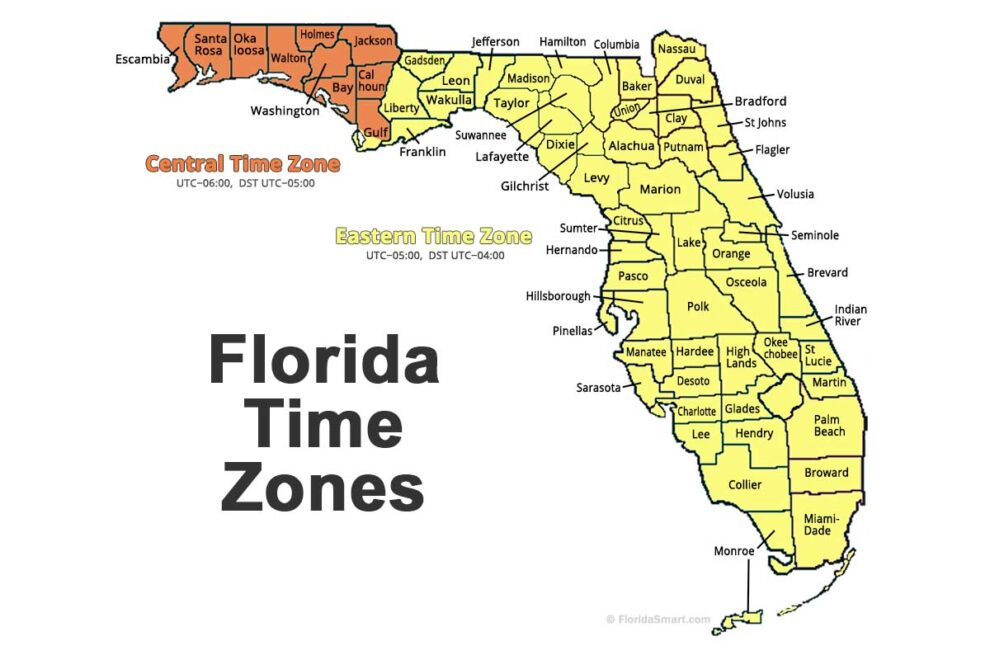
Understanding Florida’s Time Zones: A Traveler’s Guide
Florida is a large, geographically diverse state, stretching from the Atlantic coast across the peninsula and into the panhandle along the Gulf of Mexico. This expansive geography naturally leads to a division across two time zones, a detail that often surprises first-time visitors but is critical for effective planning.
Eastern Time vs. Central Time: Navigating the Divide
The majority of Florida observes the Eastern Time Zone (ET), which aligns with Eastern Standard Time (EST) during standard months and Eastern Daylight Time (EDT) when Daylight Saving Time is in effect. This encompasses all the major tourist hubs and metropolitan areas that draw millions of visitors annually. Cities like Orlando, home to world-renowned theme parks; Miami, with its vibrant nightlife and cultural scene; Jacksonville, a sprawling northern city; and Tampa, known for its cultural institutions and Gulf Coast beauty, all fall within the Eastern Time Zone. Further south, the iconic Florida Keys, stretching down to Key West, also operate on ET.
However, a significant portion of the Florida Panhandle, specifically west of the Apalachicola River (with a few exceptions), observes the Central Time Zone (CT), following Central Standard Time (CST) and Central Daylight Time (CDT). This area includes popular destinations like Pensacola, celebrated for its historic charm and Naval aviation history, and Panama City, famous for its stunning white-sand beaches. The Central Time Zone is one hour behind the Eastern Time Zone. This means that when it’s 3:00 PM in Orlando, it’s 2:00 PM in Pensacola.
It’s also important to remember the annual shift for Daylight Saving Time. Like most of the United States, Florida moves its clocks forward one hour in the spring and back one hour in the fall. This change affects both time zones simultaneously, meaning the one-hour difference between ET and CT remains constant throughout the year. Always double-check the current status of Daylight Saving Time to ensure your calculations are accurate.
Practical Implications for Your Florida Itinerary
Understanding Florida’s time zones is far more than just a trivial detail; it has profound practical implications for every aspect of your travel and tourism experience.
- Flight Schedules and Airport Transfers: For travelers flying into or out of Florida, particularly if your journey involves connecting flights or if you’re flying between the panhandle and the peninsula, knowing the correct time zone is paramount. A flight landing in Pensacola at 5:00 PM CT will feel like 6:00 PM ET to someone flying in from Miami. This difference can affect ground transportation arrangements, car rental pickups, and any scheduled activities immediately following your arrival.
- Hotel Check-ins and Check-outs: Most accommodations, from luxury suites in Miami to charming villas in the Florida Keys, adhere strictly to their local time for check-in and check-out. Arriving an hour late for check-in because you miscalculated the time zone could mean delays or even a missed night if your plans are tightly scheduled. Similarly, checking out an hour early due to a time zone error could cut short your precious vacation time.
- Attraction Opening and Closing Times: The crown jewels of Florida’s tourism industry, such as Walt Disney World Resort, Universal Orlando Resort, and Busch Gardens Tampa Bay, operate on precise schedules. Their opening and closing times, parade schedules, and show times are all based on the local ET. If you’re traveling from the panhandle, remember to factor in that extra hour difference. Missing the early park opening or a critical show because of a time zone miscalculation can be a major disappointment. This also applies to historical landmarks like the St. Augustine Historic District or scientific attractions like the Kennedy Space Center Visitor Complex.
- Coordinating with Others: Whether you’re meeting friends who live in a different part of Florida, arranging a business call, or simply talking to family back home in a different state or country (especially for international visitors familiar with UTC offsets), having a clear understanding of the local time is essential for effective communication and scheduling. A simple misunderstanding can lead to missed connections and frustration.
Maximizing Your Florida Experience: Time-Sensitive Planning
Effective time management, particularly with Florida’s dual time zones in mind, is the cornerstone of a successful and stress-free vacation. It allows travelers to optimize their itineraries, make the most of every moment, and fully engage with the diverse experiences available.
Early Birds and Night Owls: Timing Your Attractions
Florida’s array of attractions caters to every preference, but timing your visits strategically can significantly enhance your experience.
- Theme Parks: For the ultimate theme park adventure at destinations like Walt Disney World Resort or Universal Orlando Resort, being an “early bird” is almost always rewarded. Arriving right at park opening (or even before, for early entry options) allows you to experience popular rides with shorter wait times, enjoy cooler morning temperatures, and capture stunning photos before the crowds swell. Similarly, knowing the closing times helps you plan your day to catch evening parades, fireworks, or late-night shows. For parks like Busch Gardens Tampa Bay, understanding the flow of the day helps prioritize animal encounters or thrill rides.
- Beach Activities: Florida’s world-famous beaches, from the lively shores of Clearwater Beach to the chic sands of South Beach Miami, offer different charms throughout the day. Sunrise strolls provide tranquil beauty, ideal for photography or quiet reflection. Mid-morning to late afternoon is perfect for swimming, sunbathing, and watersports. As “night owls,” you’ll appreciate the spectacular sunsets that transform the western coast, or the vibrant nightlife that ignites cities like Miami and Fort Lauderdale. Time your beach visits to match your desired ambiance.
- Nature and Wildlife Tours: For unique experiences like an airboat tour in Everglades National Park or kayaking through a peaceful mangrove tunnel, the time of day can dramatically impact wildlife visibility and comfort. Early mornings and late afternoons are often best for spotting animals like alligators and various bird species, as they are most active during these cooler periods. Tour operators schedule their excursions based on these optimal times, so booking in advance and adhering to their local time schedules is crucial.
- Cultural Experiences and Local Food Tours: Exploring the local culture and cuisine, from a Cuban sandwich in Miami’s Little Havana to fresh seafood in Sarasota, often involves timed experiences. Many museums, art galleries, and historical sites, like those in St. Augustine Historic District, have specific operating hours. Popular restaurants, especially those offering fine dining or unique local dishes, frequently require reservations, sometimes weeks in advance, and adhere strictly to their booking times. Being aware of the local clock ensures you don’t miss out on these authentic Florida experiences.
Accommodation and Logistics: Seamless Stays
Beyond attractions, time management plays a pivotal role in ensuring smooth accommodation and travel logistics, impacting everything from your booking process to your daily movements.
- Hotel and Resort Bookings: When booking your accommodation, whether it’s a luxurious stay at a Ritz-Carlton resort, a business trip to a Hyatt Regency, or points redemption at a Marriott Bonvoy property, always confirm the local time for check-in, check-out, and any specific amenity operating hours (e.g., pool closing, breakfast service). Misunderstanding these times can lead to unexpected charges for late check-outs or missed opportunities to enjoy resort facilities. For long-term stays or apartment rentals, especially when arriving from a different time zone, planning your arrival within office hours of the property management is often essential.
- Transportation Planning: Florida’s vastness means travel between destinations often takes time. While calculating drive times, always consider the potential for rush hour traffic, especially around major cities like Orlando, Miami, and Tampa. Planning travel during off-peak hours can save you significant time and frustration. When booking shuttle services, private transfers, or even ride-shares, clearly communicate your desired pick-up and drop-off times in the local time zone to avoid any mix-ups. This is especially crucial if you’re crossing the ET/CT boundary within the state.
- Scheduling Tours and Spa Treatments: Many resorts and tour operators offer a variety of experiences, from boat tours to golf tee times and spa appointments. These are typically booked for specific slots. Confirming the exact local time of your booking prevents you from missing a relaxing massage or an exciting excursion. Early bookings for popular activities are often recommended, particularly during peak seasons, and punctuality is key to respecting other guests’ schedules.
Beyond the Clock: Embracing the Florida Lifestyle
While understanding Florida’s time zones is a practical necessity, embracing the state’s unique pace and lifestyle is what truly transforms a trip into an unforgettable experience. Beyond merely knowing the time, it’s about attuning yourself to the rhythm of life in the Sunshine State.
From Sunrise to Sunset: The Rhythm of Florida Life
Florida offers a lifestyle that often blends relaxation with vibrant activity, changing dramatically from sunrise to sunset.
- Morning Serenity: Many Florida mornings begin with a sense of calm. Imagine waking up to a spectacular sunrise over the Atlantic Ocean on the east coast, or enjoying a quiet coffee overlooking the tranquil Gulf of Mexico on the west. This is the ideal time for peaceful activities like beach yoga, an invigorating run along the boardwalk, or simply enjoying breakfast at a local cafe before the day’s heat and crowds descend. For those seeking early solitude, visiting natural springs or state parks like those near Gainesville can be profoundly rewarding.
- Daytime Adventures: As the day progresses, Florida comes alive with countless opportunities for adventure. Whether it’s exploring the history of St. Augustine, experiencing the thrills of Orlando’s theme parks, or diving into the marine wonders of the Florida Keys, the daytime is packed with possibilities. This is when meticulous planning, guided by accurate time zone awareness, truly pays off. From family trips to business stays that incorporate leisure, managing your schedule allows you to maximize your exploration without feeling rushed.
- Evening Vibrancy: As the sun dips below the horizon, painting the sky in fiery hues, Florida transforms. The evening ushers in a different kind of energy, especially in cities like Miami and Tampa, where world-class dining, live music, and bustling nightlife flourish. Coastal towns offer romantic sunset cruises or casual beachfront dinners. This transition from daytime activity to evening entertainment is a core part of the Florida lifestyle, and being in sync with the local clock ensures you can partake in it fully, from making timely dinner reservations to catching a show.
- Embracing the Pace: While some parts of Florida are fast-paced, much of the state, particularly its coastal and natural areas, encourages a more relaxed, “island time” approach. Don’t be afraid to factor in downtime, allowing yourself to simply “be” and soak in the atmosphere. Knowing the time allows you to plan your major activities efficiently, leaving room for spontaneous discoveries and the simple pleasure of living in the moment, whether it’s a luxury travel experience or a budget-friendly escape.
Staying Connected: Time Differences and Communication
In our hyper-connected world, even while on vacation, staying in touch with the outside world is often a necessity. Florida’s time zones add an extra layer to this.
- Communicating with Home: For visitors from other U.S. states or international travelers, understanding the time difference between Florida and your home location is crucial for phone calls, video chats, and even scheduling emails. This is especially pertinent for those communicating with regions significantly distant in time, such as Europe or Asia, where the UTC offset will be substantial. A thoughtful traveler will consider these differences to avoid calling loved ones in the middle of their night.
- Business Travelers: For professionals on a business stay in Florida, managing schedules across different time zones is a daily challenge. Whether coordinating with colleagues in California, New York, or international partners, precise time zone awareness is essential for meeting deadlines, attending virtual conferences, and maintaining productivity. Hotels often provide business centers and robust internet, but the onus is on the individual to manage their global clock.
- Digital Tools and Apps: Modern technology makes it easier than ever to track time across different zones. Utilizing world clock apps on your smartphone or smartwatch, or simply setting your device to automatically update to the local time, can prevent common errors. This simplicity allows you to focus less on manual calculations and more on enjoying your Florida experience.
In conclusion, asking “What is the time in Florida now?” opens up a broader discussion about mindful travel planning. By understanding the distinction between the Eastern Time Zone and the Central Time Zone, and factoring in Daylight Saving Time, visitors can navigate the state with confidence. This fundamental knowledge underpins a smoothly executed itinerary, from booking flights and securing top-tier accommodation to timing your visits to world-class landmarks and immersing yourself in the vibrant local culture. Ultimately, being in tune with Florida’s clock ensures you not only arrive on time but also truly embrace the unique lifestyle and unforgettable experiences that await in the Sunshine State.
LifeOutOfTheBox is a participant in the Amazon Services LLC Associates Program, an affiliate advertising program designed to provide a means for sites to earn advertising fees by advertising and linking to Amazon.com. Amazon, the Amazon logo, AmazonSupply, and the AmazonSupply logo are trademarks of Amazon.com, Inc. or its affiliates. As an Amazon Associate we earn affiliate commissions from qualifying purchases.