
Fort Myers, Florida, a vibrant jewel on the Gulf Coast, operates on the Eastern Time Zone (ET). This means that during standard time, it adheres to Eastern Standard Time (EST), which is UTC-5. When Daylight Saving Time is in effect, the clocks spring forward by one hour, aligning with Eastern Daylight Time (EDT), or UTC-4. For travelers and prospective visitors, understanding this seemingly simple fact is far more than a mere detail; it’s the cornerstone of effective travel planning, ensuring seamless transitions, maximized enjoyment, and a truly immersive experience in this captivating Southwest Florida destination.
From coordinating flight arrivals at Southwest Florida International Airport (RSW) to reserving a sunset dinner cruise along the Caloosahatchee River or booking a prime tee time at one of the area’s championship golf courses, every aspect of your Fort Myers adventure hinges on knowing the local time. This guide delves into the nuances of time in Fort Myers, expanding to cover when to visit, what to see and do, and how to make the most of every precious moment, all through the lens of a discerning traveler focused on exceptional experiences, comfort, and cultural immersion.
Understanding Fort Myers’ Time Zone: Planning Your Visit
For anyone traveling to or planning activities in Fort Myers, knowing the correct time isn’t just a matter of curiosity; it’s a fundamental aspect of travel logistics. The Eastern Time Zone, shared with much of the eastern United States and Canada, influences everything from business hours to event schedules.
The Eastern Time Zone Explained
The consistent observance of ET in Fort Myers simplifies planning for domestic travelers, particularly those from other ET states. However, for visitors arriving from further west within the United States or from international destinations, adjusting to the time difference is crucial. A three-hour difference from Pacific Standard Time (PST) or a five-hour difference from Greenwich Mean Time (GMT/UTC) can significantly impact the initial days of a trip. Jet lag, if not managed, can diminish the enjoyment of those first few sun-drenched moments on the beach or the excitement of exploring historical landmarks.
Moreover, the switch to Eastern Daylight Time (EDT) typically occurs on the second Sunday in March, with clocks moving forward one hour. They fall back to Eastern Standard Time (EST) on the first Sunday in November. This twice-yearly adjustment can affect travel itineraries, especially for those with flights or appointments scheduled around these transition dates. Always double-check your arrival and departure times in local time to avoid any confusion or missed connections. Awareness of this shift is vital for seamless planning, ensuring that hotel check-ins, attraction opening hours, and dining reservations align perfectly with your internal clock.
Synchronizing Your Schedule with the Sunshine State
Successful travel planning means more than just booking flights and accommodation; it involves harmonizing your internal clock with the rhythm of your destination. In Fort Myers, this means understanding the local pace. Early risers can catch breathtaking sunrises over the Caloosahatchee River or enjoy solitary strolls along the shore before the crowds gather. Evening offers spectacular sunsets over the Gulf of Mexico, perfectly timed with happy hour specials and early dinner reservations.
When planning activities, consider the local daylight hours, especially during different seasons. Summer days are long and bright, allowing for extended outdoor adventures, while winter brings earlier sunsets, making afternoon activities more condensed. For business travelers, being aware of the time difference with home offices or clients is paramount for scheduling calls and meetings effectively, ensuring that professional commitments don’t disrupt the leisure aspects of a trip. Integrating into the local time zone quickly allows visitors to fully embrace the Fort Myers lifestyle, from its vibrant morning markets to its relaxed evening entertainment.
Beyond the Clock: When to Experience Fort Myers’ Best
While understanding the exact time in Fort Myers is a logistical necessity, the broader question of “when” to visit delves into the heart of the travel experience itself. Fort Myers’ climate, seasonal events, and tourist crowds all play a role in shaping the ideal vacation.
Peak Season Perks and Considerations (December to May)
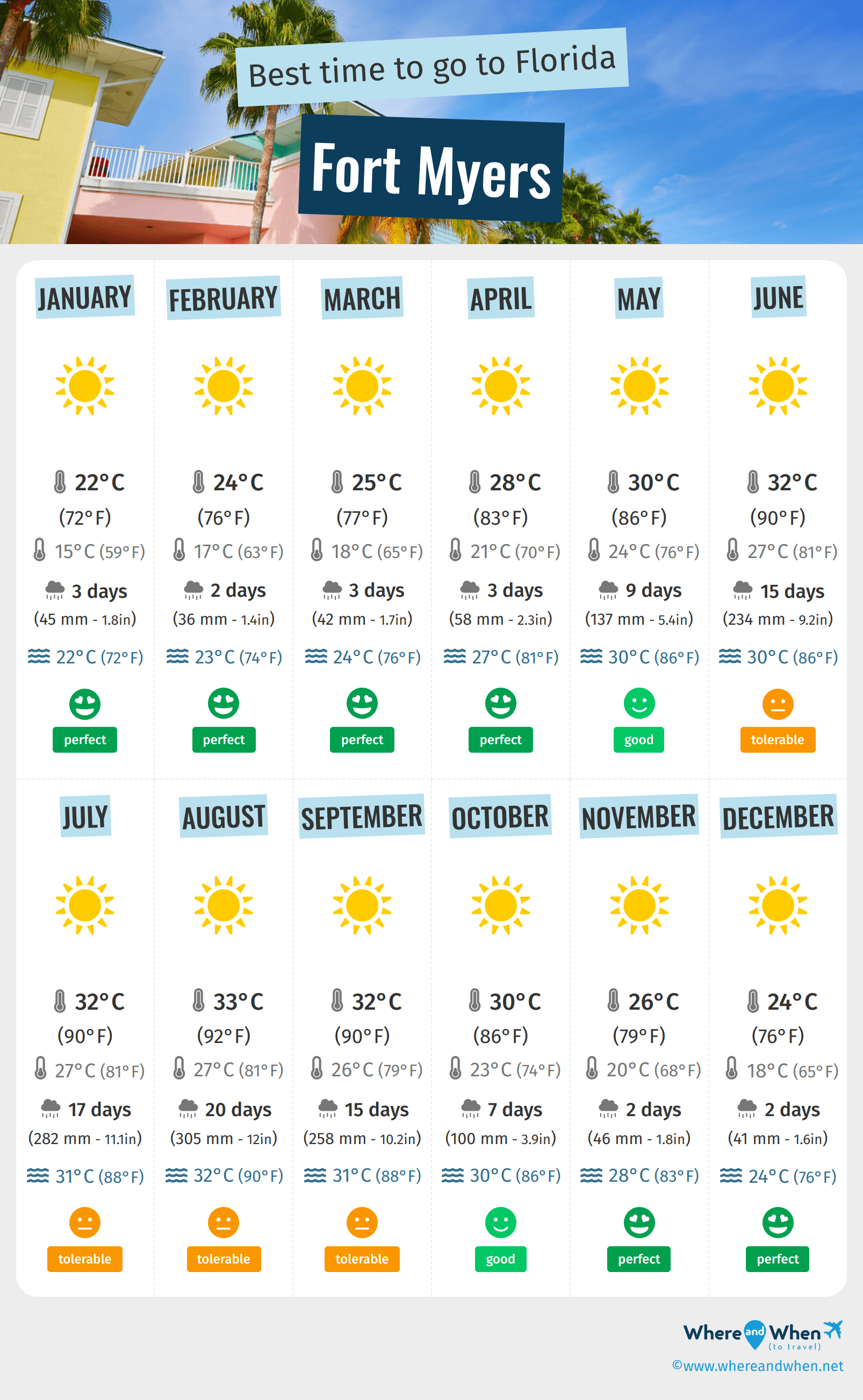
The dry season, spanning from December to May, is widely considered the peak time to visit Fort Myers. During these months, the weather is consistently glorious: comfortable temperatures typically ranging from the low 70s to low 80s Fahrenheit, low humidity, and an abundance of sunshine. This period is perfect for enjoying the pristine beaches, engaging in outdoor activities, and exploring the area’s natural beauty without the intense heat and humidity of summer.
However, “peak season” also implies increased popularity, which translates to higher prices for flights and accommodation, as well as larger crowds at popular attractions. Resorts and hotels, from luxury beachfront properties to family-friendly suites, are often booked months in advance. Travelers planning a visit during this period should secure their bookings for hotels, flights, and popular tours well in advance to ensure availability and potentially better rates. Despite the crowds, the vibrant atmosphere, numerous outdoor festivals, and optimal weather conditions make this an incredibly appealing time for those seeking classic Florida sunshine and a lively social scene. This is the prime time for a luxurious escape, where fine dining, upscale shopping, and exclusive resort amenities are at their best.
Embracing the Shoulder Seasons (Spring and Fall)
For travelers seeking a balance between excellent weather and fewer crowds, the shoulder seasons – late spring (April-May) and fall (October-November) – offer an attractive alternative. In April and May, as the peak season winds down, temperatures begin to climb, but the humidity remains manageable. The ocean waters are beautifully warm, perfect for swimming and watersports, and the natural landscapes are lush and inviting. Similarly, October and November present a delightful transition from the summer heat, with refreshing breezes, pleasant temperatures, and the return of cooler, drier air.
These periods often provide better value for accommodation and flights, making them ideal for budget-conscious travelers or those who prefer a slightly more relaxed pace. While popular spots remain lively, they generally aren’t as congested as during the winter months. This is an excellent time for cultural tourism, exploring the local arts scene, or enjoying outdoor activities like kayaking and hiking without the intensity of peak season crowds. It’s also a fantastic time for family trips, as many schools are still in session, keeping family-oriented resorts less busy.
Navigating the Summer Months (June to September)
The summer months in Fort Myers, from June through September, are characterized by high temperatures, significant humidity, and daily afternoon thunderstorms. This period also coincides with hurricane season, which extends from June 1st to November 30th. While hurricanes are relatively rare, tropical storms can bring heavy rain and strong winds.
Despite these considerations, summer can be an appealing time for certain types of travelers. Prices for accommodation and activities are often at their lowest, presenting opportunities for significant savings. Many resorts offer special summer packages, and attractions are less crowded, offering a more tranquil experience. The afternoon thunderstorms, though frequent, often pass quickly, leaving clear skies for evening activities. This season is particularly suited for those who enjoy water-based activities, as the Gulf of Mexico waters are at their warmest. It’s also a time when the natural preserves, like Six Mile Cypress Slough Preserve, are incredibly vibrant, teeming with life. With proper planning, including travel insurance and flexible bookings, summer in Fort Myers can offer a rewarding and more affordable getaway, especially for those who appreciate lush landscapes and fewer tourists.
Maximizing Your Fort Myers Days: Attractions and Activities
Regardless of when you visit, Fort Myers and its surrounding areas offer a wealth of attractions and activities designed to fill your days with unforgettable moments. From pristine beaches to historical treasures, there’s an experience for every type of traveler.
Sun-Kissed Shores and Island Escapes
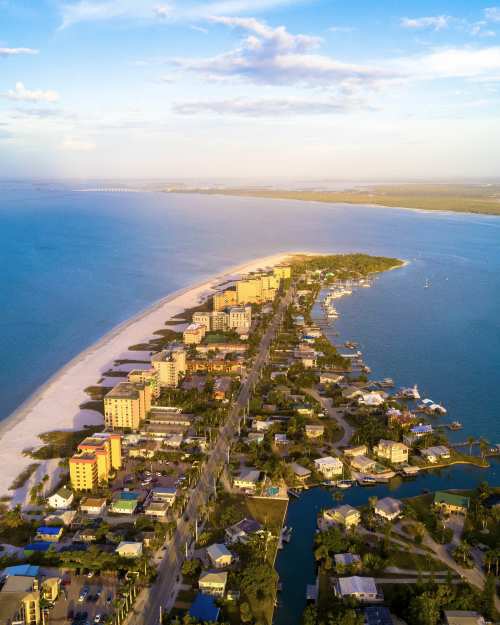
The allure of Fort Myers begins with its spectacular coastline and nearby islands. Fort Myers Beach, a barrier island, boasts seven miles of soft, white sand and calm, shallow waters perfect for families. Here, days can be spent sunbathing, swimming, parasailing, or enjoying fresh seafood at beachfront restaurants. The pier is an ideal spot for fishing or catching a breathtaking sunset over the Gulf of Mexico.
A short drive and causeway away lie the world-renowned Sanibel Island and its smaller, equally charming neighbor, Captiva Island. Sanibel Island is famous globally for its exceptional shelling opportunities, where the unique east-west orientation of the island acts as a scoop for thousands of shells washing ashore daily. Visitors can spend hours “Sanibel Stooping,” searching for treasures like the rare Junonia. The island also offers tranquil bike paths, wildlife refuges like J.N. “Ding” Darling National Wildlife Refuge, and a serene, untouched natural beauty that feels worlds away. Captiva Island, just north of Sanibel, is known for its romantic atmosphere, stunning sunsets, and upscale resorts and dining. Both islands offer a perfect blend of relaxation and soft adventure, ideal for couples and families alike.
Historical Wonders and Natural Treasures
Beyond the beaches, Fort Myers offers rich historical sites and breathtaking natural preserves. The Edison and Ford Winter Estates are a must-visit, offering a fascinating glimpse into the lives of two of America’s greatest inventors, Thomas Edison and Henry Ford. Their adjacent winter homes, botanical gardens, laboratories, and museum provide an insightful journey through innovation and early 20th-century life. This landmark is a testament to the area’s historical significance and a treasure trove for history buffs and curious minds.
For nature enthusiasts, Manatee Park is a vital sanctuary where visitors can observe Florida’s gentle giants, the manatees, in their natural habitat, especially during the cooler winter months when they seek warm waters. The park’s boardwalks and viewing platforms offer excellent vantage points for these incredible marine mammals. Another gem is the Six Mile Cypress Slough Preserve, a 3,500-acre wetland ecosystem providing an elevated boardwalk through various habitats. It’s an ecological marvel, home to alligators, turtles, otters, and a diverse array of bird species, making it a paradise for birdwatching and nature photography. These natural attractions highlight Fort Myers’ commitment to preserving its unique ecosystem and offer unparalleled opportunities for ecotourism.
Culinary Delights and Evening Entertainment
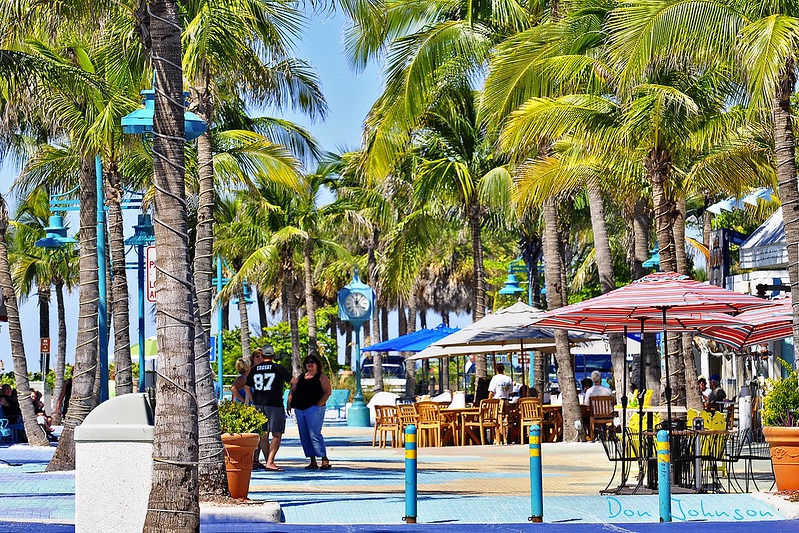
Fort Myers boasts a thriving culinary scene, ranging from casual beachfront shacks serving up fresh seafood to upscale dining establishments offering gourmet experiences. Downtown Fort Myers has undergone a significant revitalization, featuring a pedestrian-friendly River District with an eclectic mix of restaurants, bars, art galleries, and boutiques. Here, you can enjoy live music, explore local art, and savor diverse cuisines, from traditional Florida fare to international dishes.
As the sun sets, the city comes alive with various entertainment options. Beyond the casual beach bars, there are sophisticated wine bars, lively pubs, and venues hosting live performances. Special events, festivals, and farmers’ markets frequently take place, especially during peak season, adding to the vibrant local culture. A sunset cruise on the Caloosahatchee River or the Gulf of Mexico offers a romantic and scenic way to end the day, often accompanied by dinner and drinks, providing a unique perspective of the stunning coastal landscape.
Making Fort Myers Your Home Away From Home: Accommodation & Logistics
A truly exceptional travel experience is built upon comfortable accommodation and seamless logistics. Fort Myers offers a wide spectrum of choices to suit every preference and budget, ensuring that visitors can find their ideal home away from home.
Finding Your Perfect Stay: From Resorts to Rentals
The accommodation landscape in Fort Myers is incredibly diverse. For those seeking luxury and indulgence, beachfront resorts on Fort Myers Beach or Captiva Island offer comprehensive amenities, including spas, gourmet dining, private beach access, and swimming pools. These resorts cater to travelers looking for a pampering experience, often including kids’ clubs and organized activities, making them perfect for family trips or romantic getaways.
Mid-range hotels and suites, many with kitchenettes, provide excellent value for families or extended stays. These options are often conveniently located near major attractions and offer a comfortable base for exploring. For a more personalized and often more spacious experience, vacation rentals, including apartments, condos, and private villas, are plentiful. Platforms specializing in accommodation allow visitors to book properties ranging from cozy cottages to opulent waterfront homes, ideal for long-term stays or those who prefer to self-cater and live like a local. Staying in a vacation rental can offer a deeper dive into the lifestyle of Lee County, providing flexibility and a sense of community. Budget travelers will also find various motels and guesthouses that provide clean, comfortable lodging without breaking the bank.
Seamless Travel: Getting To and Around Fort Myers
The primary gateway to Fort Myers is Southwest Florida International Airport (RSW), which serves numerous domestic and international flights. Upon arrival, visitors have several options for transportation. Rental cars are highly recommended for exploring the broader Fort Myers area, Sanibel, Captiva, and beyond, as public transportation is limited. Major car rental agencies operate directly from RSW, making it convenient to pick up a vehicle shortly after landing.
Taxis, ride-sharing services, and airport shuttles are also available for transfers to hotels, especially if you plan to stay in a central location or a resort that offers its own transportation. While on Sanibel and Captiva, bicycles are a popular and delightful way to get around, offering scenic rides through lush landscapes and along the coast. Some areas, like downtown Fort Myers’ River District, are very walkable, encouraging leisurely strolls and exploration on foot. Planning your transportation needs in advance ensures a smooth and stress-free arrival and allows you to move freely throughout your stay.
Essential Tips for a Flawless Fort Myers Trip
To ensure your Fort Myers trip is as enjoyable as possible, keep a few key tips in mind:
- Sun Protection: Florida sunshine is intense. Always use high-SPF sunscreen, wear hats and sunglasses, and seek shade during the hottest parts of the day.
- Hydration: Drink plenty of water, especially when engaging in outdoor activities, to stay hydrated in the warm climate.
- Insect Repellent: Particularly during the summer months or when exploring natural preserves, insect repellent can be invaluable against mosquitoes and “no-see-ums.”
- Book in Advance: Especially during peak season, popular restaurants, tours, and accommodations can fill up quickly. Make reservations to avoid disappointment.
- Respect Wildlife: Fort Myers is home to diverse wildlife. Observe animals from a distance, never feed them, and respect protected areas.
- Flexibility with Weather: Be prepared for sudden but often brief rain showers, especially in summer. Have a plan B for indoor activities.
- Toll Roads: Some roads in Florida are toll roads. If you’re renting a car, inquire about their toll payment system.
In conclusion, understanding “what time it is” in Fort Myers extends far beyond the hands on a clock. It encompasses the rhythm of the seasons, the timing of daily activities, and the strategic planning that transforms a good trip into an unforgettable journey. By harmonizing your schedule with the local pace, selecting the optimal time to visit, and leveraging the wealth of attractions and accommodation options, you are poised to experience the very best of what this radiant Southwest Florida destination has to offer. From the captivating shells of Sanibel Island to the historic charm of the Edison and Ford Winter Estates, every moment in Fort Myers is an invitation to discovery and delight.
LifeOutOfTheBox is a participant in the Amazon Services LLC Associates Program, an affiliate advertising program designed to provide a means for sites to earn advertising fees by advertising and linking to Amazon.com. Amazon, the Amazon logo, AmazonSupply, and the AmazonSupply logo are trademarks of Amazon.com, Inc. or its affiliates. As an Amazon Associate we earn affiliate commissions from qualifying purchases.