
Planning a trip to a new city involves countless details: where to stay, what to see, and crucially, what time it is. Understanding the local time zone is more than just a logistical detail; it’s an essential element for seamless travel planning, managing jet lag, and maximizing every moment of your exploration. For travelers heading to the vibrant Midwest hub of Minneapolis, knowing the exact time in this dynamic Minnesota city is the first step toward a well-organized and enjoyable experience.
Minneapolis, along with its sister city St. Paul, forming the popular Twin Cities metropolitan area, operates on Central Time. This means that throughout much of the year, it adheres to either Central Standard Time (CST) or Central Daylight Time (CDT). For visitors arriving from different parts of the United States or international destinations, this time difference can significantly impact everything from flight connections and hotel check-ins to restaurant reservations and attraction opening hours. This guide will delve into Minneapolis’s time zone, offering insights into how to plan your itinerary effectively, combat jet lag, and fully immerse yourself in the local lifestyle, ensuring every second of your visit is well spent.

Understanding Minneapolis’s Time Zone: Central Time
The foundation of any successful trip to Minneapolis begins with a clear understanding of its place in the global time grid. Situated squarely in the Central Time Zone, Minneapolis shares its time with a broad swathe of the United States, Canada, and Mexico. This consistent timekeeping is crucial for both business travelers and those on leisure trips, allowing for smoother coordination whether you’re scheduling a meeting or booking a guided tour.
Central Standard Time (CST) vs. Central Daylight Time (CDT)
Like many regions across the globe, Minneapolis observes Daylight Saving Time. This means the city experiences a shift between Central Standard Time (CST) and Central Daylight Time (CDT) throughout the year.
- Central Standard Time (CST): This is the base time, observed during the colder months, roughly from early November to mid-March. CST is UTC-6, meaning it is six hours behind Coordinated Universal Time.
- Central Daylight Time (CDT): During the warmer months, from mid-March to early November, Minneapolis switches to CDT. This involves “springing forward” by one hour, making CDT UTC-5. This change extends daylight into the evening, providing more hours of sunlight for outdoor activities and evening excursions, which is particularly beneficial for tourism and experiences.
For travelers, this seasonal shift is incredibly important. A booking made months in advance might fall during a time change, subtly altering your arrival time or the start of a scheduled event. Always double-check the exact date of your visit against the Daylight Saving Time transitions to avoid any miscalculations.
To put Minneapolis’s time zone into perspective, here’s how it generally compares to other major United States cities:
- Minneapolis is one hour behind Eastern Standard Time (e.g., New York City, Miami).
- Minneapolis is one hour ahead of Mountain Standard Time (e.g., Denver, Phoenix).
- Minneapolis is two hours ahead of Pacific Standard Time (e.g., Los Angeles, Seattle).
This comparative understanding is invaluable for travelers originating from these areas, helping them anticipate and manage potential jet lag.
Navigating Time Differences for Travelers
The excitement of arriving in Minneapolis can quickly turn to fatigue if you haven’t prepared for the time change. For those crossing multiple time zones, especially international visitors, jet lag is a real concern.
Tips for managing time differences:
- Adjust Before You Go: A few days before your trip, try to gradually shift your sleep schedule closer to Minneapolis time. Even an hour or two can make a significant difference.
- Hydrate and Rest: On your travel day, stay well-hydrated and try to get some sleep on the plane, particularly if you’re flying overnight.
- Embrace the Daylight: Upon arrival, try to expose yourself to natural light, especially in the morning. This helps reset your body clock. Avoid long naps during the day.
- Plan Your First Day Lightly: Don’t pack too much into your arrival day. Allow time for checking into your hotel, unpacking, and settling in. Perhaps a leisurely walk or a relaxed dinner rather than an intense sightseeing schedule.
- Synchronize Your Devices: As soon as you land, update all your electronic devices to Minneapolis time. This prevents confusion regarding appointments, flight times, and hotel wake-up calls.
- Confirm All Bookings: Before you depart, re-confirm flight times, hotel check-in windows, and activity reservations in Minneapolis local time. This is especially vital for tours, theater tickets for the Guthrie Theater, or specific dining experiences.
By acknowledging and proactively addressing the time difference, you can ensure a smoother transition and more enjoyable start to your Minneapolis adventure, whether you’re here for a quick business stay or an extended family trip.
Maximizing Your Minneapolis Experience: Time-Sensitive Planning
Once you’ve aligned your internal clock with Minneapolis time, the real fun of planning your itinerary begins. Minneapolis is a city that truly comes alive at different hours, offering a diverse array of attractions, activities, and culinary experiences designed for every preference and lifestyle, from luxury travel to budget-conscious exploration. Effective time management allows you to strategically schedule your days, ensuring you don’t miss out on any of the city’s unique charm.
Morning Adventures and Brunch Delights
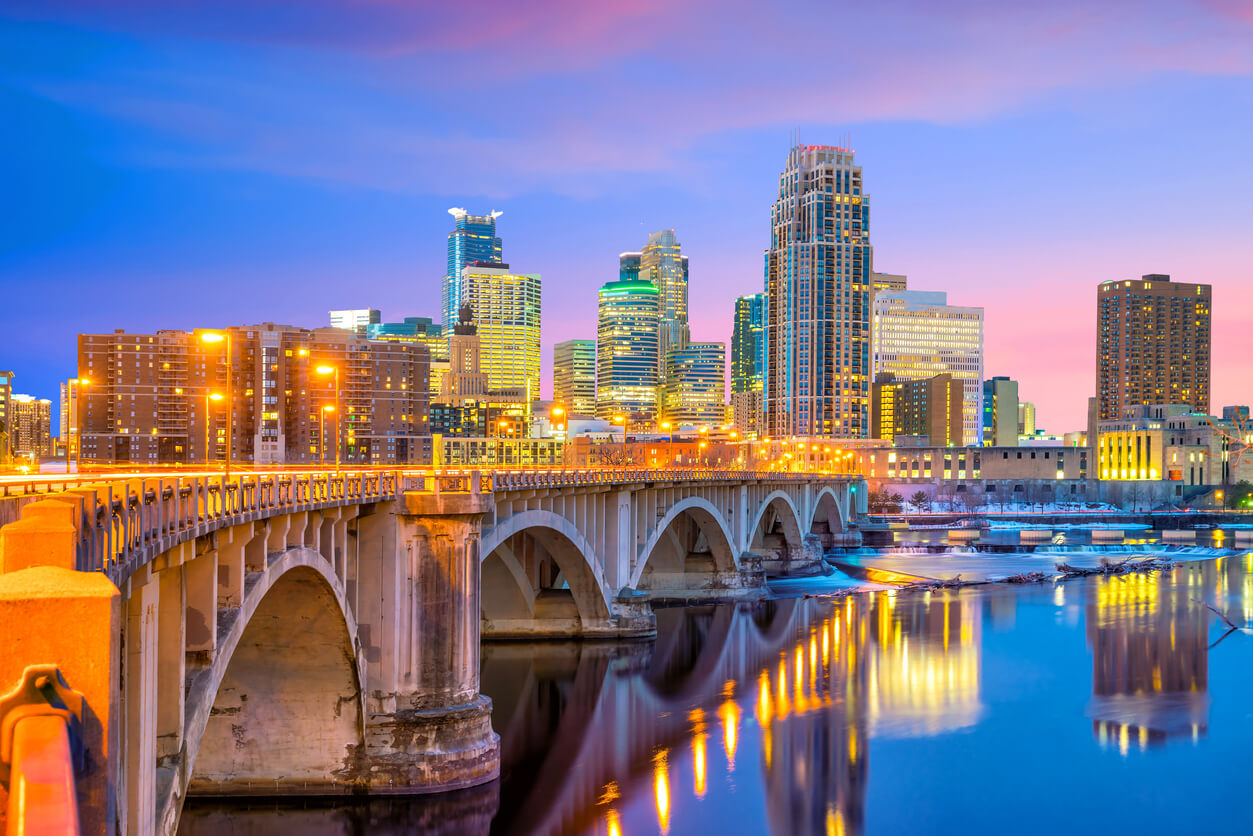
The early hours in Minneapolis offer a serene yet invigorating start to the day. For early risers, the city’s natural beauty beckons. A stroll or bike ride along the scenic paths of Minnehaha Park, culminating in a visit to the breathtaking Minnehaha Falls, is an ideal way to connect with nature before the crowds arrive. Similarly, walking across the iconic Stone Arch Bridge provides unparalleled views of the Mississippi River and the Downtown Minneapolis skyline, often accompanied by the peaceful sounds of the city waking up.
- Recommended Morning Landmarks: Minnehaha Park, Stone Arch Bridge, Mill City Museum (opening shortly after typical brunch hours).
- Brunch Culture: Minneapolis boasts a thriving brunch scene. Neighborhoods like Uptown, North Loop, and Northeast Minneapolis are replete with cafes and restaurants offering everything from classic American fare to inventive gourmet dishes. Securing a reservation, especially on weekends, is highly recommended to avoid long waits and integrate smoothly into the local rhythm.
- Business Travel Considerations: For those on business trips, early mornings might involve networking breakfasts or preparing for conferences. Many Downtown Minneapolis hotels offer excellent in-house dining options for convenience.
Afternoon Explorations and Cultural Immersion
As the morning transitions into afternoon, Minneapolis offers a wealth of cultural and recreational pursuits. This is prime time for visiting the city’s world-class museums and galleries.
- Art and History: The Minneapolis Institute of Arts (Mia) offers vast collections spanning global art history, while the Walker Art Center and its adjacent Minneapolis Sculpture Garden showcase contemporary masterpieces. Plan 2-3 hours for each to fully appreciate the exhibits.
- Shopping Extravaganza: For those who enjoy retail therapy, a trip to the Mall of America in nearby Bloomington is a must. As one of the largest shopping malls in the world, it requires a significant time commitment, often a full afternoon or even an entire day. Closer to Downtown Minneapolis, the shops along Nicollet Mall or in the various neighborhood boutiques offer a more local shopping experience.
- Outdoor Activities: If the weather permits, afternoons are perfect for exploring the Chain of Lakes (including Lake Harriet, Lake Calhoun – officially Bde Maka Ska, and Lake of the Isles). Rent a paddleboard, canoe, or simply enjoy a leisurely walk around their scenic shores. These areas are fantastic for family trips, offering playgrounds and picnic spots.
Evening Entertainment and Culinary Journeys
As evening descends, Minneapolis transforms into a hub of dining, arts, and nightlife. Dinner reservations become essential, especially at popular establishments or during peak seasons.
- Dining Scene: From farm-to-table restaurants in the North Loop to diverse ethnic eateries in Eat Street (Nicollet Avenue), Minneapolis offers a culinary journey for every palate and budget. Remember that prime dinner times are usually between 6:00 PM and 9:00 PM, and many fine dining establishments require advance bookings.
- Performing Arts: The Hennepin Avenue cultural district is home to iconic venues like the Guthrie Theater, which offers world-class theatrical productions, and the Orpheum Theatre, showcasing Broadway tours. Checking showtimes and purchasing tickets well in advance is highly advisable.
- Live Music and Nightlife: For music lovers, First Avenue is a legendary venue that has hosted countless renowned artists. Other spots like Dakota Jazz Club or various breweries in Northeast Minneapolis offer a vibrant nightlife scene.
- Sports Enthusiasts: Depending on the season, catching a professional sports game can be a thrilling evening activity. Minneapolis is home to the Minnesota Timberwolves (NBA) at Target Center, the Minnesota Twins (MLB) at Target Field, and the Minnesota Vikings (NFL) at US Bank Stadium. Game times vary, so always consult schedules carefully.
Accommodation and Its Role in Your Minneapolis Schedule
Your choice of accommodation can significantly influence your ability to adhere to a schedule and fully enjoy your time in Minneapolis. From luxury suites to budget-friendly apartments, each option offers different advantages that tie directly into managing your time and maximizing your travel experience.
Strategic Hotel Bookings for Optimal Timing
The location of your hotel or apartment rental is paramount. Staying in Downtown Minneapolis places you within walking distance or a short ride to many major landmarks, theaters, and restaurants, minimizing travel time and allowing for more spontaneous activities.
- Downtown Minneapolis Hotels: Options like the Hyatt Regency Minneapolis, Hotel Ivy (a luxury collection hotel), The Marquette Hotel, Loews Minneapolis Hotel, and Westin Minneapolis offer prime access to the Skyway System, allowing comfortable movement between buildings regardless of weather. This is a huge time-saver, especially during winter.
- Boutique Hotels: The Hewing Hotel in the North Loop offers a distinct lifestyle experience, placing guests in one of the city’s trendiest neighborhoods with easy access to unique shops and eateries.
- University Area Hotels: For those visiting the University of Minnesota, the Graduate Minneapolis provides convenient proximity to campus events.
- Extended Stay Apartments: For longer visits, or those seeking a more local experience, serviced apartments or villas can offer more flexibility, including full kitchens which can save time and money on dining out, aligning with a budget travel approach.
When booking accommodation, always confirm check-in and check-out times. These are typically afternoon (3:00 PM or 4:00 PM) for check-in and morning (11:00 AM or 12:00 PM) for check-out. If your flight arrives early or departs late, inquire about early check-in or late check-out options, or luggage storage, to avoid wasting precious sightseeing hours.
Amenities That Help You Stay on Schedule
Modern hotels and resorts understand the needs of time-conscious travelers and offer amenities that can significantly impact your schedule.
- On-site Dining: Access to a hotel restaurant or cafe for breakfast can save valuable morning minutes, allowing you to kickstart your day without searching for an outside eatery. Many offer grab-and-go options for those in a hurry.
- Fitness Centers: For travelers who prioritize their fitness routine, an on-site gym ensures you can maintain your schedule without diverting time to find an external facility.
- Concierge Services: A knowledgeable concierge can be a lifesaver, providing real-time information on event schedules, making last-minute reservations, or arranging transportation, thereby optimizing your itinerary.
- Business Centers: For business travelers, access to printing, scanning, and Wi-Fi ensures productivity remains high, even when away from the office.
- Kid-Friendly Amenities: For family trips, amenities like pools or supervised children’s activities can keep younger travelers engaged during adult-focused downtimes, allowing parents to adhere to their own schedules or enjoy a moment of relaxation.
Choosing accommodation that supports your planned activities and desired pace is just as important as knowing the local time. It’s an integral part of travel planning that enhances convenience and overall enjoyment.
Seasonal Time Shifts and Minneapolis Tourism
The experience of Minneapolis is profoundly shaped by its distinct seasons, and understanding how daylight hours shift throughout the year is key to planning a successful trip. These seasonal changes directly influence what you can do and how you should allocate your time, offering unique experiences for different lifestyles and travel preferences.
Summer Sun and Long Daylight Hours
Summers in Minneapolis (roughly June to August) are glorious, characterized by warm temperatures and extended daylight hours, thanks to Central Daylight Time. The sun can be up as early as 5:30 AM and set as late as 9:00 PM, providing nearly 16 hours of daylight.
- Maximizing Sightseeing: These long days are perfect for outdoor tourism. You can embark on extensive bike rides along the Mississippi River paths, spend a full day exploring the Chain of Lakes, or attend one of the many outdoor festivals and concerts that fill the city’s calendar. Attractions like the Minnehaha Park and the Minneapolis Sculpture Garden can be enjoyed well into the evening.
- Outdoor Dining and Patios: The extended daylight encourages vibrant patio dining and evening strolls, making it a great time for luxury travel experiences that involve al fresco dining.
- Planning Tip: With more daylight, you can pack more into your schedule. Consider later dinner reservations and take advantage of sunset views from landmarks like the Foshay Tower observation deck or the top floors of the IDS Center.
Winter Wonderland and Shorter Days
Minneapolis winters (roughly December to February) are undeniably cold, with significantly shorter daylight hours due to Central Standard Time. The sun may rise around 7:30 AM and set as early as 4:30 PM, leaving less than 9 hours of daylight.
- Focus on Indoor Attractions: Winter travel in Minneapolis necessitates a shift in focus to indoor attractions. This is the ideal time to delve into museums like the Minneapolis Institute of Arts and the Walker Art Center, enjoy performances at the Guthrie Theater, or explore the shops and entertainment within the Mall of America. The extensive Skyway System becomes your best friend, allowing you to navigate much of Downtown Minneapolis without venturing outside.
- Winter Sports and Cozy Experiences: Embrace the season with ice skating, cross-country skiing, or enjoying cozy hotel amenities like fireplaces and heated pools. Winter offers a unique charm for those seeking a different kind of lifestyle travel.
- Planning Tip: Plan your outdoor activities for midday to maximize natural light. Schedule evening events (like dining and theater) well in advance, as early sunsets can make the city feel darker sooner.
Spring and Fall Transitions
Spring (March to May) and Fall (September to November) in Minneapolis are shoulder seasons, offering moderate temperatures and beautiful scenery, with daylight hours transitioning between the extremes of summer and winter.
- Spring Blooms and Fall Colors: Spring brings blossoming flowers and melting snow, while fall paints the city in vibrant hues. These seasons are perfect for scenic drives, park visits, and outdoor photography.
- Fewer Crowds, Unique Events: These periods often see fewer tourists, potentially offering better deals on accommodation and shorter lines at attractions. Fall is particularly rich in harvest festivals and cultural events.
- Planning Tip: Be prepared for changeable weather. Pack layers and check forecasts regularly. These seasons are ideal for a balanced itinerary that combines both indoor and outdoor activities, offering flexibility to adapt to the day’s conditions.
Understanding the seasonal variations in Minneapolis’s daylight hours empowers you to tailor your travel plans to the specific time of year, ensuring a truly immersive and enjoyable experience, regardless of whether you prefer the bustling energy of summer or the cozy charm of winter.
In conclusion, knowing “What is the time in Minneapolis?” is far more than a simple query about a clock. It’s a fundamental aspect of effective travel planning that impacts everything from managing jet lag and optimizing your itinerary to choosing the right accommodation and making the most of Minneapolis’s unique seasonal offerings. By understanding its Central Time Zone, including the shift between Central Standard Time and Central Daylight Time, and by strategically planning your days, you can ensure a seamless, enriching, and unforgettable visit to this incredible city. So, set your watch, embrace the local rhythm, and prepare to explore all that Minneapolis has to offer, one perfectly timed moment at a time.