
When you ask, “What is the time in New Orleans?” you’re not just seeking a simple answer on a clock face. While the immediate practical need might be to understand the current hour for a flight, a meeting, or a call with loved ones, the question subtly opens a door to the very essence of this captivating Louisiana city. New Orleans operates on its own unique rhythm, a fascinating blend of timeless tradition and vibrant contemporary life. Understanding its official time zone is crucial for any traveler, but truly experiencing the city means tuning into its distinctive pace, where moments can stretch into eternity or flash by in a whirlwind of festivity.
This comprehensive guide will not only clarify the current time in New Orleans but also delve into why this information is vital for planning your travel, accommodation, and tourism experiences. From navigating flight schedules and hotel check-ins to immersing yourself in the city’s legendary live music scene and culinary delights, knowing the time is just the first step. We’ll explore how the city’s schedule impacts everything from sightseeing to celebrating its world-famous festivals, offering tips to help you harmonize with the tempo of the Big Easy.
Understanding New Orleans Time: More Than Just the Clock
At its core, the question of “what time is it?” for a traveler often relates to logistics: when will my flight land, is the restaurant still open, can I call home? For New Orleans, these practicalities are framed within the Central Time Zone, yet the city’s vibrant lifestyle ensures that time feels like a more fluid concept.
The Central Time Zone Explained
New Orleans, like much of Louisiana and several other United States states, observes the Central Time Zone (CT). This means it is UTC-6 during Standard Time and UTC-5 during Daylight Saving Time.
- Central Standard Time (CST): From early November to mid-March, New Orleans is on CST, which is 6 hours behind Coordinated Universal Time (UTC).
- Central Daylight Time (CDT): From mid-March to early November, the city switches to CDT, moving its clocks forward by one hour to be 5 hours behind UTC. This change aligns New Orleans with states like Texas, Illinois, Missouri, and parts of Florida‘s panhandle, amongst others.
For travelers, understanding this distinction is key to avoiding confusion, particularly when traveling across time zones. If you’re coming from the Eastern Time Zone (EST), New Orleans will be one hour behind. From the Pacific Time Zone (PST), it will be two hours ahead. International travelers from regions like Europe or Asia (e.g., observing Greenwich Mean Time (GMT)) will experience a more significant shift, typically 5 to 7 hours difference depending on Daylight Saving Time in both locations. Always double-check your departure and arrival times, especially for connecting flights, to ensure a smooth journey.
Why Time Matters for Travelers
Beyond simply knowing the current hour, understanding the local time has several practical implications that directly impact your travel experience:
- Flight and Transportation Schedules: All airport and airline operations, from flight departures and arrivals at Louis Armstrong New Orleans International Airport (MSY) to local bus and streetcar services, adhere strictly to Central Time. Missing a connection or a pick-up because of a time zone miscalculation can significantly disrupt your plans.
- Hotel Check-in/Check-out: Accommodation policies, particularly check-in and check-out times, are always local. Arriving too early or too late without prior arrangement can lead to fees or delays. Confirming these times with your chosen hotel, resort, or apartment is essential for a seamless arrival and departure. Many hotels in New Orleans offer flexible check-in or baggage storage, which can be a lifesaver if your flight lands before your room is ready.
- Dining Reservations and Activities: New Orleans is a culinary capital and a hub for unique experiences. Popular restaurants, swamp tours, ghost tours, and museums often require advance booking. Being aware of the local time ensures you don’t miss your table at a renowned Creole eatery or your spot on a paddlewheel steamboat cruise along the Mississippi River.
- Business and Personal Communication: For those on a business stay or simply wanting to keep in touch with family and friends back home, understanding the time difference prevents inconvenient calls or missed virtual meetings. This is especially true for international travelers or those communicating with contacts on the East Coast or West Coast of the United States.
Experiencing New Orleans: A City Where Time Slows Down (or Speeds Up!)
While the clock provides a useful framework, the true “time” in New Orleans is often defined by its atmosphere, its celebrations, and the unique rhythms of its neighborhoods. The city invites you to linger, to savor, and to let the moments unfold, often making you forget the hands of the clock altogether.
Day and Night in the Big Easy
The flow of time in New Orleans has distinct phases, each offering a different facet of the city’s charm.
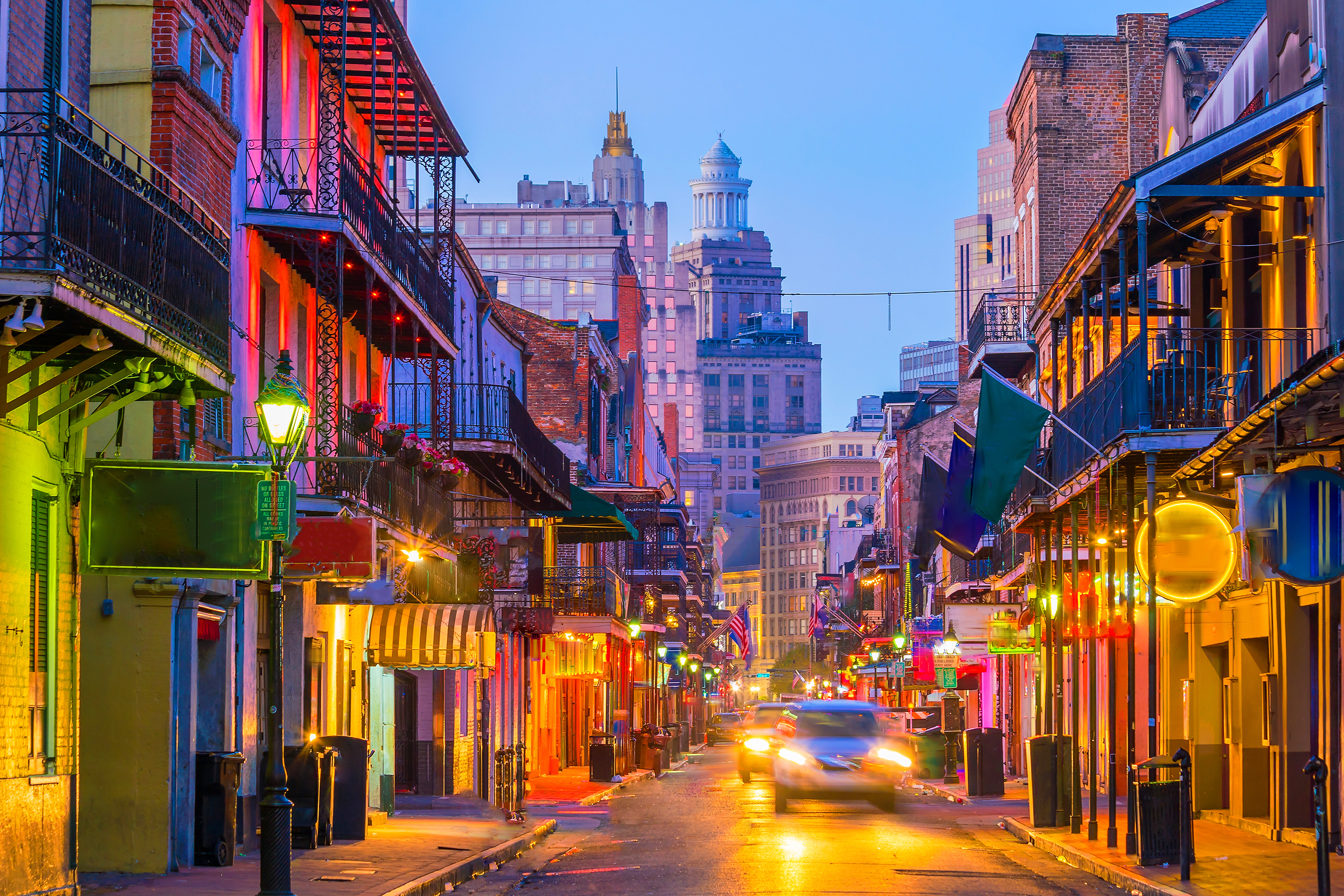
- Morning Serenity (and Coffee!): The early hours in New Orleans are often surprisingly tranquil. Before the crowds fully emerge, travelers can enjoy a peaceful stroll through the historic French Quarter, admiring the intricate ironwork balconies and colorful facades. A quintessential New Orleans morning begins with a cup of café au lait and a plate of warm, sugar-dusted beignets at the iconic Café Du Monde overlooking Jackson Square. This is a time for gentle exploration, perhaps visiting St. Louis Cathedral or browsing the antique shops before the heat of the day fully sets in.
- Daytime Exploration: As the day progresses, New Orleans awakens fully. The French Quarter bustles with street performers, artists, and tourists exploring its famous landmarks. Beyond the French Quarter, the Garden District offers architectural tours of its stunning mansions, while museums like The National WWII Museum or the New Orleans Museum of Art provide enriching cultural experiences. During the day, it’s also a perfect time for family trips to Audubon Park or the Audubon Zoo, or to take a relaxing streetcar ride along St. Charles Avenue.
- Evening Delights: As dusk settles, New Orleans transforms. The air fills with the sounds of jazz, blues, and brass bands. Dinner reservations often kick off the evening, with a vast array of restaurants offering everything from casual po’boys to exquisite fine dining. Following dinner, Frenchmen Street comes alive, boasting an unparalleled concentration of live music venues where you can dance the night away. For a different kind of evening thrill, numerous ghost tours and vampire tours delve into the city’s mysterious past, offering a captivating blend of history and folklore.
- Late-Night Vibrancy: New Orleans is legendary for its nightlife, and the party often continues well into the early morning hours, particularly on Bourbon Street. While Bourbon Street offers a unique, albeit often raucous, experience, there are also many quieter bars and speakeasies across the city where you can enjoy a craft cocktail and soak in the ambiance. The concept of “last call” often feels non-existent here, reinforcing the idea that in New Orleans, time truly is what you make of it.
Festivals and Seasonal Rhythms
The city’s calendar is punctuated by world-renowned festivals that can significantly alter the pace of life and travel considerations. Knowing when these events occur is paramount for planning your trip, influencing everything from hotel prices and availability to the overall atmosphere of the city.
- Mardi Gras: Perhaps the most famous, Mardi Gras typically falls in February or early March, culminating on Fat Tuesday. During this period, the city’s energy is electric, accommodation books up months in advance, and prices soar. Travelers need to plan far ahead and understand that the city operates on a “Carnival time” schedule, where parades and festivities dictate the daily flow.
- New Orleans Jazz & Heritage Festival (Jazz Fest): Held over two weekends in late April and early May, Jazz Fest is a celebration of Louisiana music, culture, and cuisine. It draws enormous crowds, impacting travel logistics similarly to Mardi Gras.
- French Quarter Festival: Usually taking place just before Jazz Fest in April, this free festival showcases local musicians and food vendors across multiple stages in the French Quarter. It’s a fantastic, slightly less intense alternative for experiencing the city’s vibrant culture.
- Voodoo Music + Arts Experience (Voodoo Fest): This multi-genre music festival takes place around Halloween, offering a unique blend of music and art in the heart of City Park.
- Other Seasonal Events: Throughout the year, New Orleans hosts numerous other festivals celebrating everything from oysters to cocktails. Researching the city’s event calendar when planning your visit can help you either embrace the festive chaos or avoid peak crowds, depending on your lifestyle and travel preferences.
The “best time to visit” New Orleans often depends on what you seek. Shoulder seasons (fall and spring, outside of major festivals) typically offer pleasant weather and manageable crowds. Summer can be hot and humid, but also brings fewer tourists and potentially better deals on accommodation.
Planning Your New Orleans Stay: Accommodation and Logistics
With a clear understanding of New Orleans’ time zone and its dynamic seasonal rhythms, the next step is to meticulously plan your stay, focusing on where you’ll rest your head and how you’ll navigate the city’s captivating streets. Thoughtful accommodation and logistical planning are essential for maximizing your New Orleans experience.
Choosing Your Base: Hotels and Resorts
New Orleans offers a diverse range of accommodation options to suit every taste and budget, from opulent luxury hotels to charming boutique properties and convenient vacation rentals. The key is to choose a location that aligns with your preferred style of travel and the activities you plan to enjoy.
- Luxury Stays: For those seeking elegance and world-class amenities, New Orleans boasts magnificent hotels like The Roosevelt New Orleans, A Waldorf Astoria Hotel, known for its opulent lobby and historic bar, or the storied Hotel Monteleone with its famous Carousel Bar. These resorts often feature exquisite suites, fine dining, and full-service spas, perfect for a luxury travel experience.
- Boutique Hotels: Scattered throughout the French Quarter and beyond, these smaller, often independently owned hotels offer a more intimate and personalized experience. Many are housed in historic buildings, providing a unique sense of place and local character.
- Budget-Friendly Options: Travelers on a budget will find numerous hostels, guesthouses, and moderately priced hotels in areas adjacent to the French Quarter, such as the Central Business District or the Warehouse District. These provide excellent value while still offering convenient access to attractions.
- Vacation Rentals: For longer stays, family trips, or those desiring a more residential feel, apartments and villas are popular choices. They often come equipped with kitchens and communal spaces, ideal for extended visits or larger groups. When considering vacation rentals, always check reviews and ensure the location is safe and well-connected to public transportation or walking routes.
When making your choice, consider proximity to the landmarks and attractions you wish to visit. Staying within walking distance of key areas like the French Quarter or Garden District can save you time and transportation costs, allowing you more hours to soak in the city’s atmosphere. Utilize comparison websites and read recent reviews to find the best deals and ensure your chosen accommodation meets your expectations.
Seamless Travel and Local Tips
Beyond accommodation, several other logistical aspects can help make your New Orleans trip more enjoyable and less stressful.
- Getting Around: New Orleans is a very walkable city, especially within the French Quarter and Garden District. For longer distances, the historic streetcar system is not only a practical means of transportation but also an attraction in itself. Day passes are affordable and offer unlimited rides. Rideshares and traditional taxis are also readily available, particularly around tourist hubs and during late-night hours.
- Packing for the Climate: New Orleans can be notoriously hot and humid, especially from May through September. Pack lightweight, breathable clothing, a wide-brimmed hat, sunglasses, and plenty of sunscreen. Comfortable walking shoes are a must, regardless of the season, as you’ll likely be doing a lot of exploring on foot. Even in cooler months, layers are advisable as indoor temperatures can vary.
- Embracing Local Culture and Food: The heart of New Orleans lies in its unique local culture and unparalleled cuisine. Don’t just visit the landmarks; engage with the locals, try regional dishes like gumbo, jambalaya, and oysters Rockefeller, and listen to the impromptu street musicians. These immersive experiences are what truly define the “time” of New Orleans. Be open to spontaneity, as some of the best memories are made off the beaten path.
- Safety and Awareness: Like any major city, it’s wise to be aware of your surroundings, especially at night. Stick to well-lit, populated areas, and if venturing out late, consider using rideshares or taxis rather than walking long distances alone.
In conclusion, “What is the time in New Orleans?” is a question with a multi-layered answer. On a practical level, it’s the Central Time Zone, dictating flight schedules and dinner reservations. On a deeper level, it’s a testament to a city that lives by its own vibrant calendar, where every hour offers a new opportunity for discovery, celebration, and immersion. Whether you’re planning a quick getaway or a long-term stay, embracing the practicalities of the clock while also surrendering to the timeless magic of New Orleans will ensure an unforgettable travel experience. So set your watch, but be prepared to let the city’s irresistible charm guide your journey through its unique continuum of past, present, and endless celebration.