
The Lone Star State, a vast and diverse expanse that embodies a unique blend of Southern charm and Western grit, is a perennial favorite for travelers, food enthusiasts, and history buffs alike. From the bustling metropolises of Dallas and Houston to the serene beauty of the Big Bend National Park and the historic missions of San Antonio, Texas offers an unparalleled travel experience. Whether you’re planning a luxurious escape to a sprawling resort, a budget-friendly adventure exploring local culture, or a family trip filled with unforgettable attractions, understanding the temporal landscape of this immense state is a fundamental aspect of your journey. This article delves into the intricacies of time zones in Texas, providing essential information for seamless travel and ensuring you’re always on schedule, no matter where your Texas adventure takes you.
Navigating Texas’s Time Zones: A Tale of Two Systems
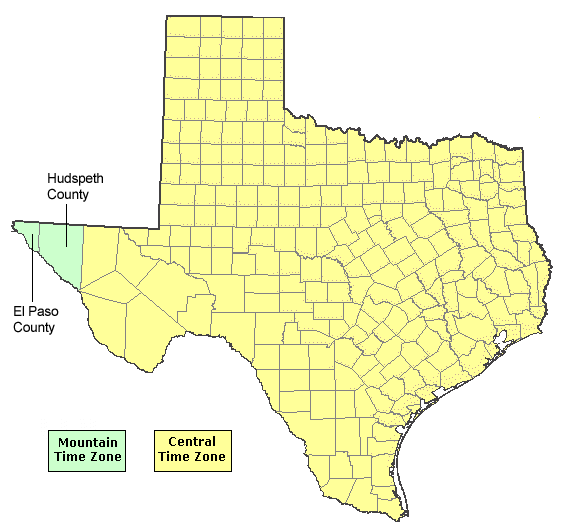
When inquiring about “What is the time in Texas USA?”, the answer isn’t as straightforward as a single time. The state, due to its sheer size, is divided into two primary time zones: the Central Time Zone (CT) and the Mountain Time Zone (MT). This division, while sometimes a point of curiosity, primarily affects a small western portion of the state, leaving the vast majority of Texas firmly within the Central Time Zone. Understanding this distinction is crucial for coordinating travel plans, booking accommodations, and ensuring you don’t miss important appointments or activities.
The Dominance of Central Time
The overwhelming majority of Texas operates under the Central Time Zone. This encompasses major cities like Houston, Dallas, Austin, and San Antonio, as well as popular tourist destinations and a wealth of lodging options ranging from charming boutique hotels to expansive resorts.
Central Standard Time (CST) is the standard time for this zone, observed during the fall and winter months. This is equivalent to UTC-6. As daylight saving time approaches, Central Daylight Time (CDT) takes effect, observed from the second Sunday in March to the first Sunday in November. This shifts the time to UTC-5. This transition is observed across almost the entire state, affecting daily life, business operations, and, of course, the schedules of travelers. For instance, if you’re visiting the iconic Alamo in San Antonio or attending a conference in Dallas, you’ll be operating within Central Time. This also impacts your ability to connect with businesses or individuals in other parts of the country; knowing the time in Texas allows for effective communication and planning, especially when dealing with accommodations like the Gaylord Texan Resort & Convention Center or when researching local dining recommendations.
The Western Anomaly: A Glimpse of Mountain Time
A small, geographically distinct section of West Texas observes the Mountain Time Zone. This includes the city of El Paso and its surrounding areas, bordering New Mexico and Mexico.
Mountain Standard Time (MST) is observed during the fall and winter months, which is UTC-7. During daylight saving, Mountain Daylight Time (MDT) is in effect, shifting the time to UTC-6. This means that while the rest of Texas is on Central Time, El Paso and its immediate neighbors are an hour behind. This distinction is important for travelers who might be driving across the state or planning to visit both parts of Texas within the same trip. For example, if you are staying at a hotel in Houston and then plan a quick trip to El Paso, you’ll need to adjust your watch by an hour. This temporal shift can also affect flight schedules and connections if you are flying into or out of El Paso International Airport. While the majority of Texas attractions, from the Space Center Houston to the historic Fort Worth Stockyards, are in Central Time, understanding this western exception ensures accurate timing for any excursion into this unique region.
Planning Your Texas Adventure: Time Considerations for Travelers
The temporal layout of Texas has direct implications for every aspect of your visit, from booking your ideal accommodation to experiencing its vibrant local culture. Whether you’re seeking a luxurious stay at the Ritz-Carlton Dallas or a charming villa in the Hill Country, or if you’re interested in exploring historical landmarks like the San Jacinto Monument or the natural wonders of Palo Duro Canyon, aligning with the correct time is paramount.

Accommodation and Booking: Syncing with Your Stay
When you book your hotel, apartment, or villa in Texas, the listed times for check-in, check-out, and any on-site amenities will invariably be in the local time zone of that specific city or town. For the vast majority of visitors, this means operating within Central Time. This is critical for booking any type of accommodation, from a sprawling resort in Galveston to a boutique hotel in Marfa. If your accommodation is in El Paso, however, you must remember the one-hour difference. Online booking platforms and hotel websites will clearly indicate the local time, but it’s always wise to double-check, especially if you’re traveling between different regions of Texas. This also applies to comparing different lodging options; understanding the time zone ensures you’re accurately comparing availability and pricing. For those considering long-term stays, aligning with local time is essential for daily routines, work schedules, and social engagements.
Exploring Attractions and Activities: Timing Your Experiences
Texas boasts an array of world-class attractions and activities, each with its own operating hours. From the thrill of Six Flags amusement parks to the cultural immersion offered by the Perot Museum of Nature and Science in Dallas, or a scenic drive through the Texas Hill Country, all scheduled times will adhere to the local time zone. If you plan to visit multiple attractions in different parts of the state, especially bridging the Central and Mountain time zones, careful planning is necessary. For example, a morning spent exploring the San Antonio River Walk (Central Time) and an afternoon visit to a museum in El Paso (Mountain Time) requires a conscious adjustment of your internal clock. This is also true for culinary experiences; reservations at renowned restaurants or tours exploring local food scenes will be set to local time. For those embarking on adventure travel, such as exploring the vastness of Big Bend National Park, understanding sunrise and sunset times, which are dictated by the time zone, is vital for safety and enjoyment.
Lifestyle and Travel: Embracing the Texas Pace
The lifestyle in Texas is as diverse as its landscape, and understanding the time zones can enhance your experience, whether you prefer luxury travel, budget-friendly exploration, family trips, or business stays. For those seeking a high-end experience, knowing the local time is crucial for scheduling spa appointments at a luxury resort like The Lodge at Sea Island (though this is in Georgia, it illustrates the principle) or fine dining. For budget travelers, understanding local operating hours for attractions and public transport ensures maximum value from your trip. Family trips often involve early mornings and late evenings; accurate timekeeping ensures you don’t miss a single moment of fun at places like Schlitterbahn Waterpark in New Braunfels. Business travelers, in particular, rely on precise timing for meetings, conferences, and flights, making the distinction between Central and Mountain Time a critical factor in their itinerary. Regardless of your travel style, a clear understanding of “What is the time in Texas USA?” allows you to fully immerse yourself in the unique rhythm and charm of this remarkable state.
Daylight Saving Time in Texas: A Seasonal Shift
The observance of Daylight Saving Time (DST) is a recurring element that influences the daily clock in Texas. This practice, designed to maximize daylight during warmer months, means that clocks are adjusted forward by one hour in the spring and backward by one hour in the fall.
The Spring Forward and Fall Back
In Texas, DST begins on the second Sunday in March, when clocks are moved forward one hour at 2:00 AM local time. This marks the transition from Central Standard Time (CST) to Central Daylight Time (CDT), and from Mountain Standard Time (MST) to Mountain Daylight Time (MDT). Conversely, DST ends on the first Sunday in November, when clocks are set back one hour at 2:00 AM local time, returning the state to standard time. This annual shift affects all businesses, transportation schedules, and personal routines across the state. Travelers should be mindful of this transition, as it can cause confusion if not accounted for, particularly if their travel dates fall around these specific weekends. For example, an early morning flight on the day DST begins or ends could be impacted if not booked with the time change in mind. This seasonal adjustment is a fundamental part of the temporal landscape that all visitors to Texas will experience.
Practical Implications for Travelers
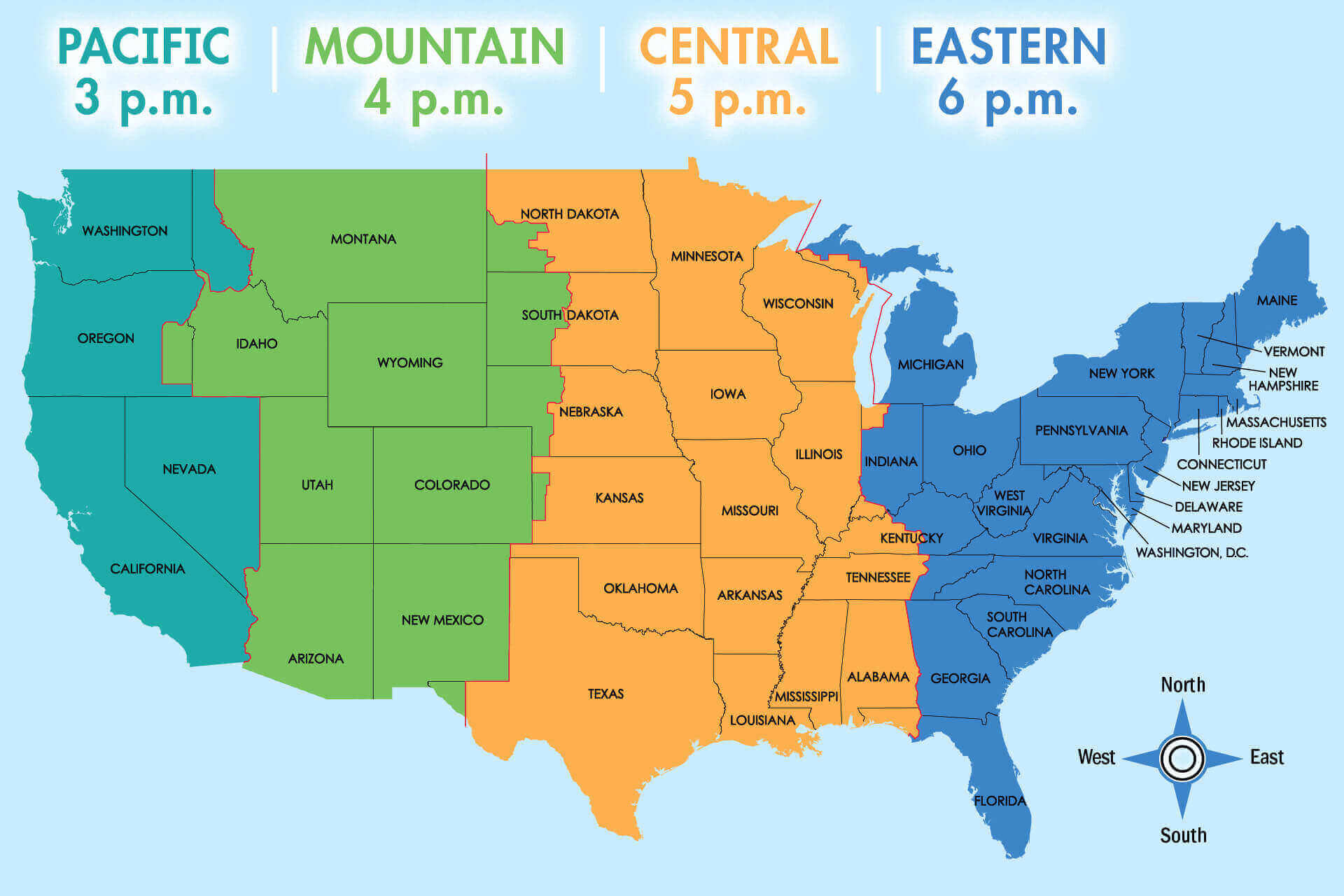
The observance of Daylight Saving Time in Texas has several practical implications for visitors. Firstly, it means that the time difference between Texas and other regions that do not observe DST, or observe it on different dates, will fluctuate throughout the year. For instance, the one-hour difference between Central Time and Eastern Time, or between Central Time and Pacific Time, will change depending on whether DST is active in all relevant locations. Secondly, it impacts the perceived length of daylight, which can influence activity planning. Longer summer days under CDT might encourage more outdoor exploration of landmarks like the San Antonio Missions National Historical Park or a leisurely drive through the beautiful scenery of the Texas Hill Country. Conversely, shorter days under CST in winter might lead to a greater focus on indoor attractions, such as museums in Dallas or cultural events in Austin. Regardless of the season, staying informed about the current time in Texas will ensure your itinerary flows smoothly, allowing you to fully enjoy the vast opportunities for travel, exploration, and relaxation that the Lone Star State offers.
LifeOutOfTheBox is a participant in the Amazon Services LLC Associates Program, an affiliate advertising program designed to provide a means for sites to earn advertising fees by advertising and linking to Amazon.com. Amazon, the Amazon logo, AmazonSupply, and the AmazonSupply logo are trademarks of Amazon.com, Inc. or its affiliates. As an Amazon Associate we earn affiliate commissions from qualifying purchases.