
For anyone planning a trip, conducting business, or simply curious about life in another part of the world, knowing the local time is an essential piece of information. When it comes to a bustling metropolis like Chicago, understanding its time zone is crucial for seamless travel, efficient communication, and making the most of your visit. At any given moment, the time in Chicago reflects the rhythm of one of America’s most vibrant cities, influencing everything from flight schedules to dining reservations and the opening hours of world-class attractions. This article delves into Chicago’s time zone specifics, explores its profound impact on travelers and residents, and then broadens its scope to cover what makes the Windy City a premier destination for tourism, accommodation, landmarks, and lifestyle experiences.
Understanding Chicago’s Time Zone: Central Time
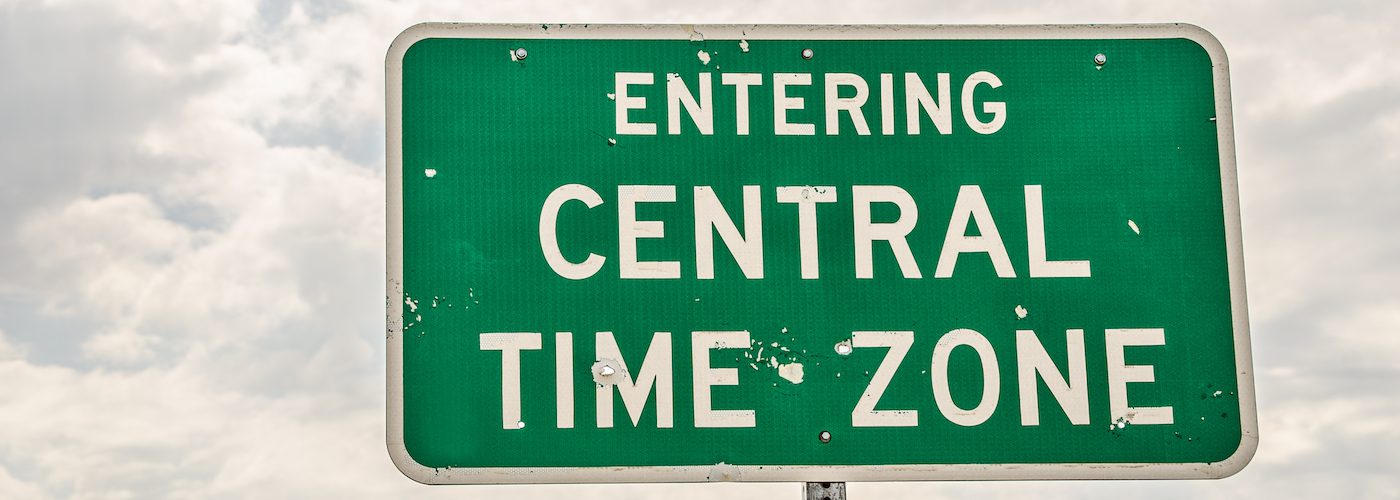
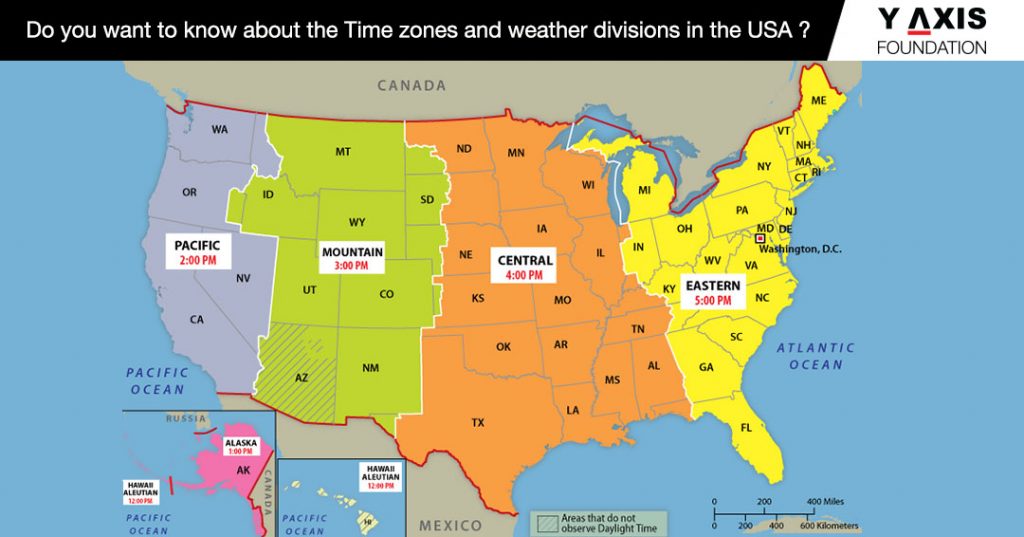
Chicago, located in the state of Illinois in the United States, operates on Central Time (CT). This means that during the standard period of the year, it observes Central Standard Time (CST), which is UTC-6 hours (Coordinated Universal Time minus six hours). When Daylight Saving Time is in effect, Chicago switches to Central Daylight Time (CDT), moving one hour forward to UTC-5. This shift typically occurs on the second Sunday in March and reverts on the first Sunday in November. Being aware of these distinctions is crucial, especially for those navigating schedules across different time zones.
Daylight Saving Time and Its Impact
The biannual shift for Daylight Saving Time can have a noticeable impact on travelers and their plans. When Chicago “springs forward” in March, gaining an hour of daylight in the evening, it means clocks are adjusted forward by one hour. Conversely, when it “falls back” in November, clocks are set back an hour. This change can affect everything from flight departure and arrival times to pre-booked tours, restaurant reservations, and public transportation schedules. For international travelers, it adds another layer of complexity to managing jet lag and ensuring timely arrivals for critical appointments. Staying informed about the precise dates of these changes is a fundamental travel tip for anyone visiting or passing through Chicago during these transitional periods.
Why Knowing the Time Matters for Travelers
Beyond simply checking a clock, understanding Chicago’s time zone is paramount for several reasons that directly influence a traveler’s experience. Firstly, it’s essential for coordinating with people in different parts of the world, whether family, friends, or business contacts. Global connectivity means that a call planned for morning in Chicago could be late evening or even the next day in another hemisphere.
Secondly, and perhaps most immediately, it impacts personal well-being. Jet lag can significantly dampen the enjoyment of a trip, and proactively adjusting to Chicago’s time zone, even before departure, can mitigate its effects. This includes gradually shifting sleep patterns and staying hydrated.
Finally, accurate time knowledge is critical for logistics. Missing a scheduled architecture boat tour, a reservation at a renowned fine dining establishment, or a performance at The Second City improv theater simply because of a time zone miscalculation can be disappointing and costly. All transportation – from flights arriving at O’Hare International Airport (ORD) or Midway International Airport (MDW) to commuter trains like Metra and the ubiquitous CTA (Chicago Transit Authority) trains and buses – operates on strict schedules tied to local time. For business travelers, punctuality for meetings and conferences is non-negotiable, making a clear understanding of the local time zone absolutely vital for professional success.
Chicago Beyond the Clock: A Premier Travel Destination
While understanding the local time is a practical necessity, it merely sets the stage for exploring the dynamic city of Chicago. Far from being just a dot on the time zone map, Chicago stands as a beacon of culture, innovation, and vibrant urban lifestyle. It’s a city that effortlessly blends stunning architecture, world-class museums, an unparalleled culinary scene, and a genuine Midwestern warmth, making it a compelling destination for any traveler. From its iconic landmarks to its diverse neighborhoods, Chicago offers a wealth of experiences that cater to every interest, proving itself as much more than just a time zone.
Iconic Landmarks and Attractions
Chicago’s skyline is instantly recognizable, a testament to its rich history of architectural innovation. Dominating this landscape are numerous famous places that draw millions of visitors annually. The majestic Willis Tower (formerly Sears Tower), with its thrilling Skydeck Ledge offering panoramic views, is a must-see. Nearby, Millennium Park serves as a modern urban oasis, home to the reflective “Bean” sculpture, officially known as Cloud Gate, and the stunning Pritzker Pavilion.
For art enthusiasts, the Art Institute of Chicago houses an extraordinary collection spanning centuries and continents, making it one of the oldest and largest art museums in the United States. Families and science buffs will be captivated by the Museum Campus, which groups together the Field Museum (natural history), the Shedd Aquarium (aquatic life), and the Adler Planetarium (space exploration), all offering enriching experiences against the picturesque backdrop of Lake Michigan.

Other noteworthy attractions include the bustling Navy Pier, offering rides, dining, and boat cruises, and the renowned Magnificent Mile on Michigan Avenue, a shopper’s paradise lined with luxury boutiques and flagship stores. No visit to Chicago would be complete without an architecture boat tour along the Chicago River, providing unique insights into the city’s pioneering skyscrapers and urban design.
A Taste of Chicago: Culinary Tourism and Local Culture
Chicago’s tourism appeal extends significantly into its vibrant culinary scene and diverse local culture. It’s a city celebrated worldwide for its distinctive food. The legendary deep-dish pizza is a must-try, with numerous establishments vying for the title of “best.” Equally famous is the Chicago-style hot dog, an all-beef frankfurter “dragged through the garden” with an array of specific toppings, served on a poppy seed bun. Beyond these iconic staples, Chicago boasts an impressive array of fine dining restaurants, many with Michelin stars, showcasing innovative cuisine from around the globe.
Culturally, Chicago is a powerhouse. It’s the undisputed capital of Blues and Jazz music, with historic clubs scattered across neighborhoods like Lincoln Park and Uptown, offering live performances nightly. The city’s theater scene is robust, ranging from Broadway productions in The Loop to cutting-edge performances at smaller venues. The Second City improv comedy club, a launching pad for countless comedic legends, offers a uniquely Chicago experience. Exploring distinct neighborhoods such as bohemian Wicker Park, upscale Gold Coast, or the vibrant Wrigleyville with its iconic Wrigley Field, reveals the city’s rich tapestry of communities, each with its own character and charm.
Accommodation and Lifestyle in the Windy City
For any traveler, finding the right accommodation is paramount to a successful trip, and Chicago offers a diverse range of options to suit every preference, budget, and lifestyle. The city’s robust hospitality sector is well-equipped to host everyone from luxury travelers to budget-conscious explorers, family trips, and crucial business stays. This variety reflects Chicago’s status as a global hub for both leisure and commerce.
From Luxury Hotels to Boutique Stays: Chicago’s Hospitality Scene
Chicago’s hotel landscape is as varied and impressive as its skyline. For those seeking opulence and unparalleled service, the city boasts an array of world-renowned luxury hotels. Establishments like The Langham Chicago, known for its elegant design and riverside location, the sophisticated Four Seasons Hotel Chicago on the Magnificent Mile, and The Peninsula Chicago, offering exquisite amenities and impeccable service, provide an indulgent experience. These resorts and suites often feature fine dining options, spas, and breathtaking city views.
Mid-range hotels also abound, offering comfort and convenience without compromising on quality. Brands like Hyatt Regency Chicago and the historic Palmer House Hilton in The Loop are popular choices, providing excellent value for money. For a more unique and personalized experience, Chicago is home to numerous boutique hotels such as The Godfrey Hotel Chicago, known for its distinct design and intimate atmosphere.
For longer stays or those preferring more space and autonomy, vacation rentals and serviced apartments offer a home-away-from-home feel. These options are particularly suitable for families or groups, providing kitchen facilities and additional living areas. Regardless of the choice, comparing reviews and making booking arrangements well in advance, especially during peak travel seasons like summer or during major conventions, is highly recommended.
Navigating Business and Leisure in Chicago
Chicago’s strategic location and extensive infrastructure make it a significant hub for business travel. The city frequently hosts large corporate events and trade shows at McCormick Place, one of the largest convention centers in North America. Business stays often demand centrally located hotels with excellent connectivity, meeting facilities, and efficient services. Areas like The Loop, River North, and the Magnificent Mile are popular among corporate travelers for their proximity to corporate offices, dining, and transportation networks. Many hotels offer specialized amenities and suites tailored for the needs of business travelers, recognizing the importance of maintaining work-life balance even on the road.
For leisure travelers, Chicago’s offerings are boundless. Families can enjoy the free Lincoln Park Zoo, the interactive exhibits at the Museum of Science and Industry, or a day at Grant Park. Budget travel is made easier with Chicago’s efficient public transportation system and numerous free or low-cost attractions and activities. Whether one seeks a luxurious escape or an economical adventure, Chicago’s diverse accommodation options and vibrant lifestyle cater to every desire, ensuring a memorable stay that transcends mere timekeeping.
Planning Your Chicago Trip: Time Management and Travel Tips
Successfully planning a trip to Chicago requires a blend of logistical foresight and an eager spirit for exploration. While the specific time in Chicago might seem like a small detail, it underpins the entire travel experience. From managing jet lag to coordinating activities, understanding and accounting for the Central Time zone, including Daylight Saving Time adjustments, is a fundamental step.
Here are some essential travel tips to ensure a smooth and enjoyable Chicago adventure:
- Set Your Devices: Immediately upon arrival, adjust all your electronic devices to Central Time. This prevents confusion and ensures you’re synchronized with local schedules.
- Factor in Jet Lag: If you’re arriving from a significantly different time zone, allow yourself a day or two to adjust. Schedule lighter activities for your initial days.
- Confirm Timings: Always double-check opening hours for attractions, restaurant reservations, and public transportation schedules against the current local time, especially around Daylight Saving Time changes.
- Efficient Transportation: Utilize Chicago’s excellent public transportation system (CTA). Purchase a Ventra Card for easy access to buses and trains. Factor in travel time between different neighborhoods and attractions to avoid rushing.
- Best Time to Visit: Each season in Chicago offers a unique charm. Summer (June-August) is popular for festivals and outdoor activities but also sees larger crowds. Spring (April-May) and Fall (September-October) offer pleasant weather and fewer tourists. Winter can be cold but transforms the city into a festive wonderland, especially during the holidays.
- Booking Ahead: For popular attractions, fine dining, and particularly sought-after hotels, make bookings in advance to secure your spot and avoid disappointment.
- Explore Beyond the Downtown Chicago Loop: While The Loop and Magnificent Mile are iconic, venture into neighborhoods like Lincoln Park, Wicker Park, River North, or Hyde Park for a deeper dive into local culture, unique boutiques, and diverse culinary offerings.
In conclusion, knowing “What Is The Time Now At Chicago?” is more than just a momentary query; it’s the gateway to an immersive experience in one of the United States’ most captivating cities. By understanding its time zone, travelers can optimize their schedules, minimize potential disruptions, and fully engage with the endless attractions, vibrant lifestyle, and world-class hospitality that Chicago proudly offers. So, set your watches, embrace the rhythm of the city, and prepare for an unforgettable adventure in the heart of America.
LifeOutOfTheBox is a participant in the Amazon Services LLC Associates Program, an affiliate advertising program designed to provide a means for sites to earn advertising fees by advertising and linking to Amazon.com. Amazon, the Amazon logo, AmazonSupply, and the AmazonSupply logo are trademarks of Amazon.com, Inc. or its affiliates. As an Amazon Associate we earn affiliate commissions from qualifying purchases.