
Planning a trip to the Sunshine State often involves meticulously crafting itineraries, securing accommodation in charming hotels, and researching the best landmarks and attractions. However, one fundamental aspect that can significantly impact your travel experience, yet is often overlooked, is understanding the local time. Florida, a vibrant peninsula nestled in the southeastern United States, might seem straightforward, but its diverse geography means it spans two different time zones. For anyone looking to explore its pristine beaches, bustling cities, and enchanting natural wonders, knowing the correct time is paramount for seamless tourism and an enjoyable lifestyle experience. This comprehensive guide will not only clarify the current time in various parts of Florida but also delve into why this knowledge is crucial for every facet of your journey, from booking flights to catching the perfect sunset.
Understanding Florida’s Time Zones
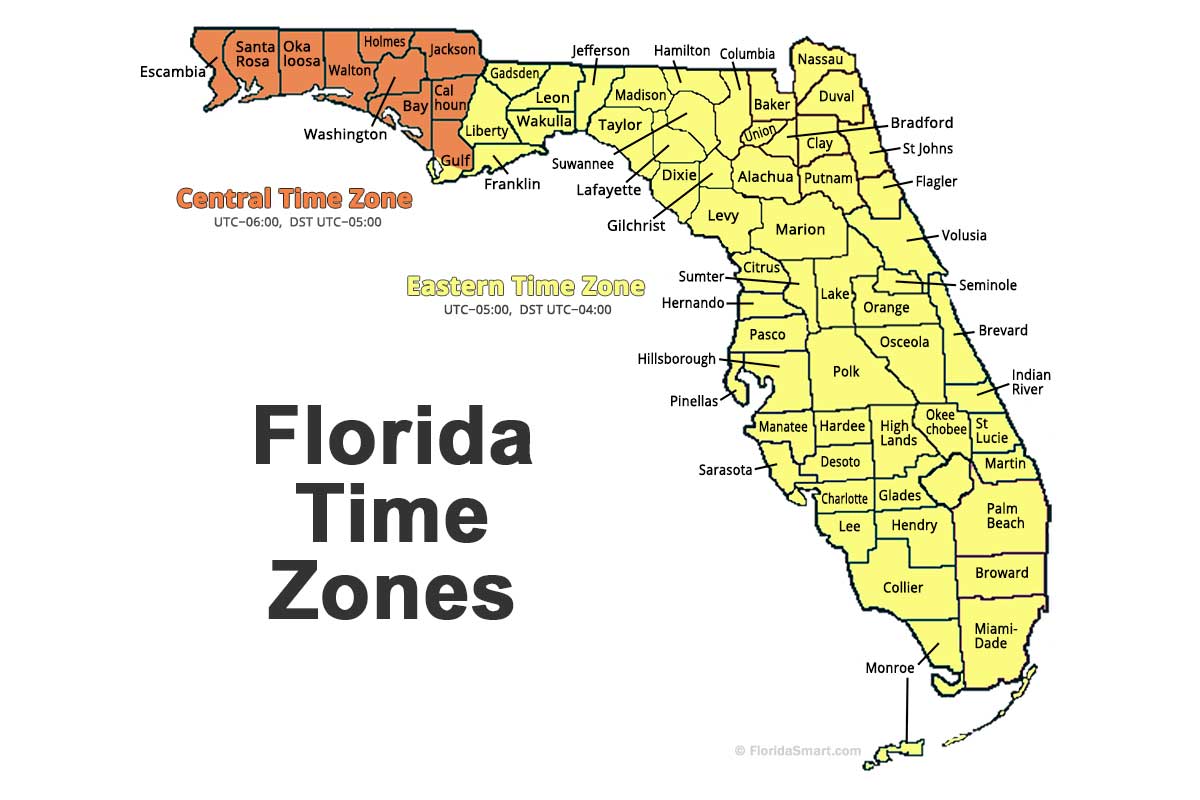
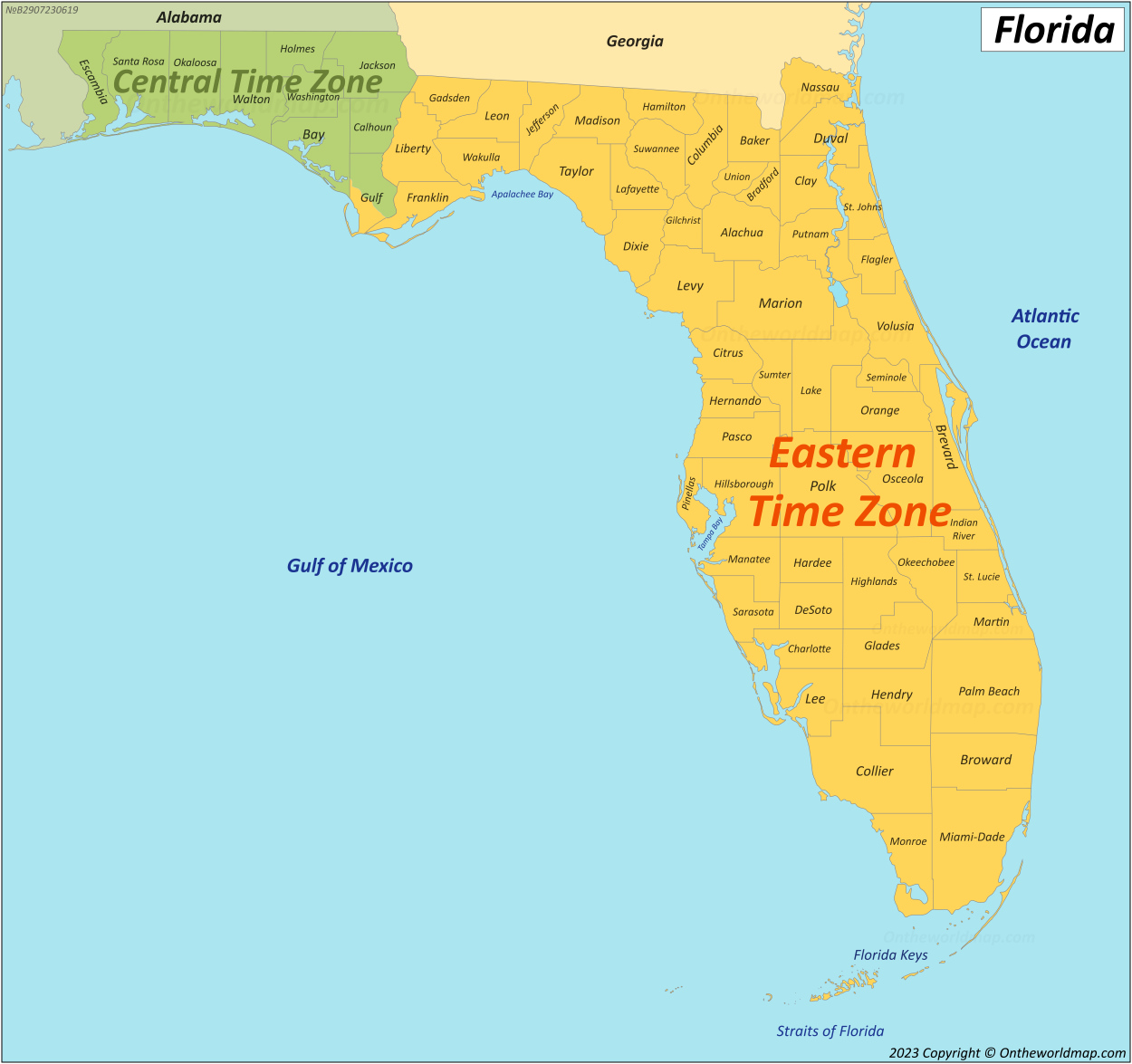
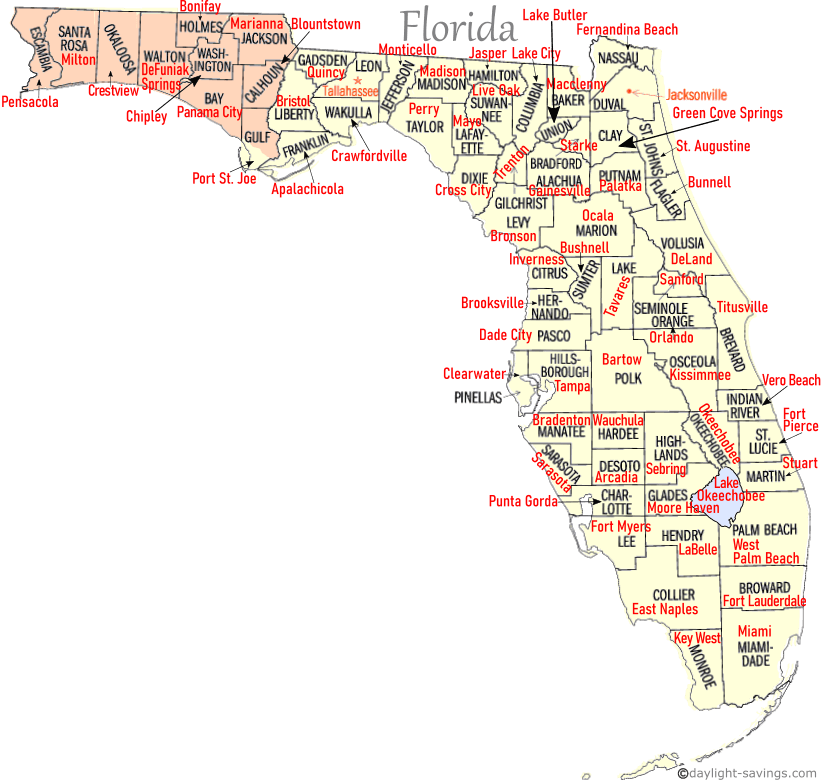
While much of the United States is accustomed to states falling entirely within a single time zone, Florida presents a unique case. The vast majority of the state observes Eastern Time, aligning with many major East Coast population centers. However, a significant portion of its western Panhandle operates on Central Time, creating a distinct geographical divide that savvy travelers must acknowledge.
Eastern Time Zone (ET) Explained
The predominant time zone across Florida is the Eastern Time Zone (ET), which observes Eastern Standard Time (EST) during the cooler months and Eastern Daylight Time (EDT) during Daylight Saving Time. This zone covers virtually the entire peninsula, encompassing iconic destinations like Miami, Orlando, Tampa, Jacksonville, and the enchanting Florida Keys. When planning visits to world-renowned theme parks such as Walt Disney World Resort or Universal Orlando Resort in Orlando, exploring the vibrant nightlife of South Beach in Miami, or delving into the rich history of St. Augustine Historic District, you will be operating on Eastern Time.
For travelers, this means all flight arrivals and departures at major airports like Miami International Airport (MIA), Orlando International Airport (MCO), and Tampa International Airport (TPA) will adhere to ET. Similarly, all reservations for hotel suites, resorts, dining experiences, and guided tours in these areas will be set to Eastern Time. Awareness of this is crucial to avoid missing check-in times, dinner reservations, or scheduled excursions to Kennedy Space Center Visitor Complex. It ensures that your carefully planned itinerary unfolds without a hitch, allowing you to fully immerse yourself in the local culture and attractions.
Central Time Zone (CT) Explained
Venturing westward into the Florida Panhandle, the time changes. A segment of Florida, including counties west of the Apalachicola River, observes the Central Time Zone (CT). This includes popular destinations like Pensacola, Panama City Beach, and Fort Walton Beach. When these areas are observing Central Standard Time (CST), they are one hour behind Eastern Standard Time. During Daylight Saving Time, they switch to Central Daylight Time (CDT), remaining one hour behind EDT.
The transition point can sometimes be confusing, particularly for those driving across the state. Typically, the change occurs as you cross the Apalachicola River. For instance, if you’re traveling from Tallahassee (Eastern Time) to Pensacola (Central Time), you will lose an hour as you head west. This hour difference is significant for anyone planning activities, meetings, or simply communicating with people in different parts of the state. Imagine booking a fishing charter in Panama City Beach at 8:00 AM CT while your travel companions in Orlando believe it’s 8:00 AM ET – a potential recipe for a missed adventure. Understanding this distinction is vital for accurate scheduling, particularly when managing bookings for apartments or villas in different parts of the Panhandle.
Daylight Saving Time in Florida
Like most of the United States, Florida observes Daylight Saving Time (DST). This means that on the second Sunday in March, clocks “spring forward” one hour, shifting from EST to EDT and from CST to CDT. Conversely, on the first Sunday in November, clocks “fall back” one hour, returning to standard time. This practice is universally applied across both the Eastern and Central Time portions of the state.
The biannual time change is a critical detail for travelers, especially those with tight schedules or international connections. An overnight flight arriving in March or an early morning departure in November could be impacted if you forget to adjust your internal clock or devices. Moreover, for those enjoying long-term stays or operating businesses in Florida, being mindful of DST ensures smooth operations and seamless coordination with clients, partners, and family, both locally and internationally. The shift affects everything from park opening hours at Busch Gardens Tampa Bay to the timing of local cultural events.
Why Time Matters: Planning Your Florida Journey
Beyond mere curiosity, a precise understanding of time zones and their implications is foundational for any successful Florida trip. From the initial booking stages to daily activities, time awareness can make the difference between a meticulously planned vacation and a series of frustrating missed opportunities.
Travel and Tourism Considerations
When organizing your travel to Florida, flight schedules are the first point of contact with time zones. An airline ticket might list arrival times in local time, but it’s essential to confirm which local time zone is being referenced, especially if you have connecting flights or are meeting others. For international visitors, jet lag is another factor; understanding the time difference with your home country allows for better planning of rest and adjustment periods upon arrival, ensuring you’re fresh to explore.
Furthermore, most tourism activities, from theme park operating hours to guided tours of Everglades National Park or boat trips in the Florida Keys, operate on strict schedules. Missing a slot for a popular attraction like a character breakfast at Walt Disney World Resort or a dolphin-watching tour in Fort Myers due to a time zone miscalculation can be a significant disappointment. Checking local times for events, live shows, or even the best time to visit a famous landmark like the Dry Tortugas National Park is key to maximizing your experience and avoiding crowds.
Accommodation and Booking Insights
Accommodation bookings are also intrinsically linked to time. Hotel check-in and check-out times are always based on the property’s local time zone. Arriving early or late due to a time zone misunderstanding can lead to additional fees or delays. For those staying in the Florida Panhandle, remember that a resort in Panama City Beach will operate on Central Time, while a hotel in Tallahassee will be on Eastern Time. This single-hour difference can impact your booking schedule, whether you are reserving a stay at a luxury resort like The Breakers Palm Beach or a family-friendly apartment near Universal Orlando Resort.
When comparing prices or availability for hotels, villas, or vacation rentals across different parts of the state, be aware of how differing local times might affect booking windows, especially for last-minute deals. Many booking platforms display times in your local zone, but confirming the property’s actual time zone for arrival and departure is a crucial step in preventing confusion. For business stays, coordinating with local contacts for meetings and events demands strict adherence to the local time, ensuring punctuality and professionalism.
Experiencing Florida: Destinations and Activities
Florida offers an unparalleled range of experiences, from thrilling theme parks to serene natural escapes. Being time-aware enhances your ability to fully enjoy each destination and activity.
Iconic Landmarks and Attractions
The timing of your visit to Florida’s landmarks and attractions can significantly impact your experience. At Walt Disney World Resort, knowing the exact time for parade schedules, firework displays, and ride reservation windows (often set far in advance) is essential. Similarly, when exploring the historic streets of St. Augustine Historic District, museum operating hours and ghost tour start times are all Eastern Time sensitive.
For those venturing into the Florida Panhandle, enjoying the pristine beaches and outdoor activities around Destin or Panama City Beach requires knowing that these areas are on Central Time. This is particularly important for activities like deep-sea fishing charters, sunset cruises, or even just planning a beach day around optimal light, all of which are governed by the local clock. Whether you’re exploring the marine life at SeaWorld Orlando or marveling at the architecture of the Vizcaya Museum & Gardens, time management is key to a smooth and fulfilling visit.
Lifestyle and Travel Experiences
The concept of time also deeply intertwines with the overall lifestyle and travel experiences in Florida. For those seeking luxury travel, a meticulously planned schedule, adhering to precise timings for private yacht charters, spa appointments, or gourmet dining, ensures a seamless, indulgent experience. On the other hand, budget travelers can leverage time awareness to avoid peak hours at popular spots, finding opportunities for reduced entry fees or fewer crowds.
Family trips to Florida benefit immensely from a clear understanding of time zones. Coordinating naps for young children, meal times, and bedtime routines becomes much simpler when everyone is on the same page regarding the local clock. For business stays, aligning with local business hours and professional events is non-negotiable for productivity and effective networking. Even simply enjoying the sunset on Key West requires knowing the local time to catch the spectacular daily celebration at Mallory Square. The timing dictates when restaurants open, when shops close, and when the vibrant local culture truly comes alive.
Practical Tips for a Timeless Florida Vacation
To ensure your Florida adventure is as smooth and enjoyable as possible, here are some practical tips regarding time:
Staying Connected and Organized
- Multiple Clocks: Keep track of the local Florida time, your home time zone, and, if applicable, the time in the Florida Panhandle if you plan to visit both regions. Many smartphones automatically update, but a quick manual check upon arrival is always wise.
- Confirm All Bookings: Double-check the time zone specified for all your flight tickets, hotel reservations (e.g., at Loews Portofino Bay Hotel), tour confirmations, and dining reservations. When in doubt, call ahead.
- Inform Your Contacts: If you have family or friends at home who might be calling, let them know about the time difference to avoid inconvenient calls in the middle of the night or during your planned activities.
- Utilize Travel Apps: Many travel apps offer time zone converters and itinerary planners that can help keep you organized across different time zones.
Maximizing Your Stay
- Early Bird or Night Owl: If you’re coming from a different time zone, plan your first day or two with slightly less intensive activities to allow your body to adjust. For example, if you’ve lost hours traveling east, consider an earlier bedtime. If you’ve gained hours traveling west, you might find yourself waking up extra early, which could be perfect for visiting popular attractions before the crowds arrive.
- Local Rhythms: Observe the local rhythms. In Florida, especially during warmer months, many outdoor activities are best enjoyed in the cooler morning or late afternoon/evening hours. Adjusting your schedule to these local customs can enhance your overall experience.
- Plan Buffer Time: Always build in extra time for travel between destinations, especially if crossing time zones. An hour difference might seem small, but it can cause significant delays if not accounted for. This is particularly important for road trips that traverse the Eastern and Central Time boundary.
In conclusion, while the simple question, “What is the time now in Florida, America?” may seem trivial, its implications for travelers are profound. By understanding Florida’s dual time zones and the observance of Daylight Saving Time, you equip yourself with the knowledge needed to orchestrate a flawless and unforgettable journey through this enchanting state. From punctual flight arrivals to perfectly timed sunset views, being mindful of the clock will ensure every moment of your Florida adventure is savored to the fullest.
LifeOutOfTheBox is a participant in the Amazon Services LLC Associates Program, an affiliate advertising program designed to provide a means for sites to earn advertising fees by advertising and linking to Amazon.com. Amazon, the Amazon logo, AmazonSupply, and the AmazonSupply logo are trademarks of Amazon.com, Inc. or its affiliates. As an Amazon Associate we earn affiliate commissions from qualifying purchases.