
When you ask, “What is the time Texas now?”, you’re not just seeking a simple timestamp; you’re often embarking on the first step of a larger journey. For travelers, this seemingly straightforward query unravels into a tapestry of planning, anticipation, and the rhythm of a vast, diverse state. Texas, the second-largest state in the United States, is a land of boundless experiences, from bustling metropolises and historic landmarks to serene natural escapes. Understanding its time zones is crucial, not merely for punctuality, but for seamlessly orchestrating your visit, ensuring you make the most of every precious moment, whether you’re securing a hotel reservation, catching a flight, or planning to immerse yourself in local culture.
This article delves beyond the immediate answer to the clock, exploring how Texas’s time landscape impacts your travel plans, accommodation bookings, and the myriad tourism opportunities awaiting you. From the vibrant lifestyle of its major cities to the timeless allure of its landmarks, knowing the local time is your key to unlocking an unforgettable Texas adventure.
Navigating Time Zones in the Lone Star State
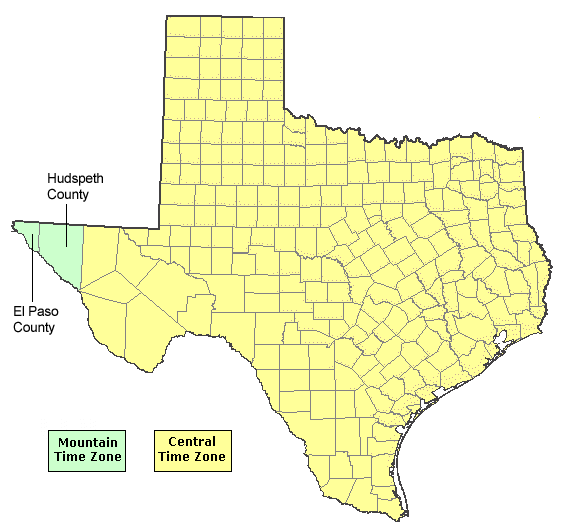
The sheer size of Texas means that it doesn’t operate under a single, unified time. While the vast majority of the state adheres to one primary time zone, a notable exception exists in its far western reaches, a detail often overlooked by those unfamiliar with the state’s geography. This distinction is paramount for travelers, as miscalculating local time can lead to missed connections, late arrivals, or simply less time to enjoy your chosen destination.
Central Time Zone (CT): The Heartbeat of Texas
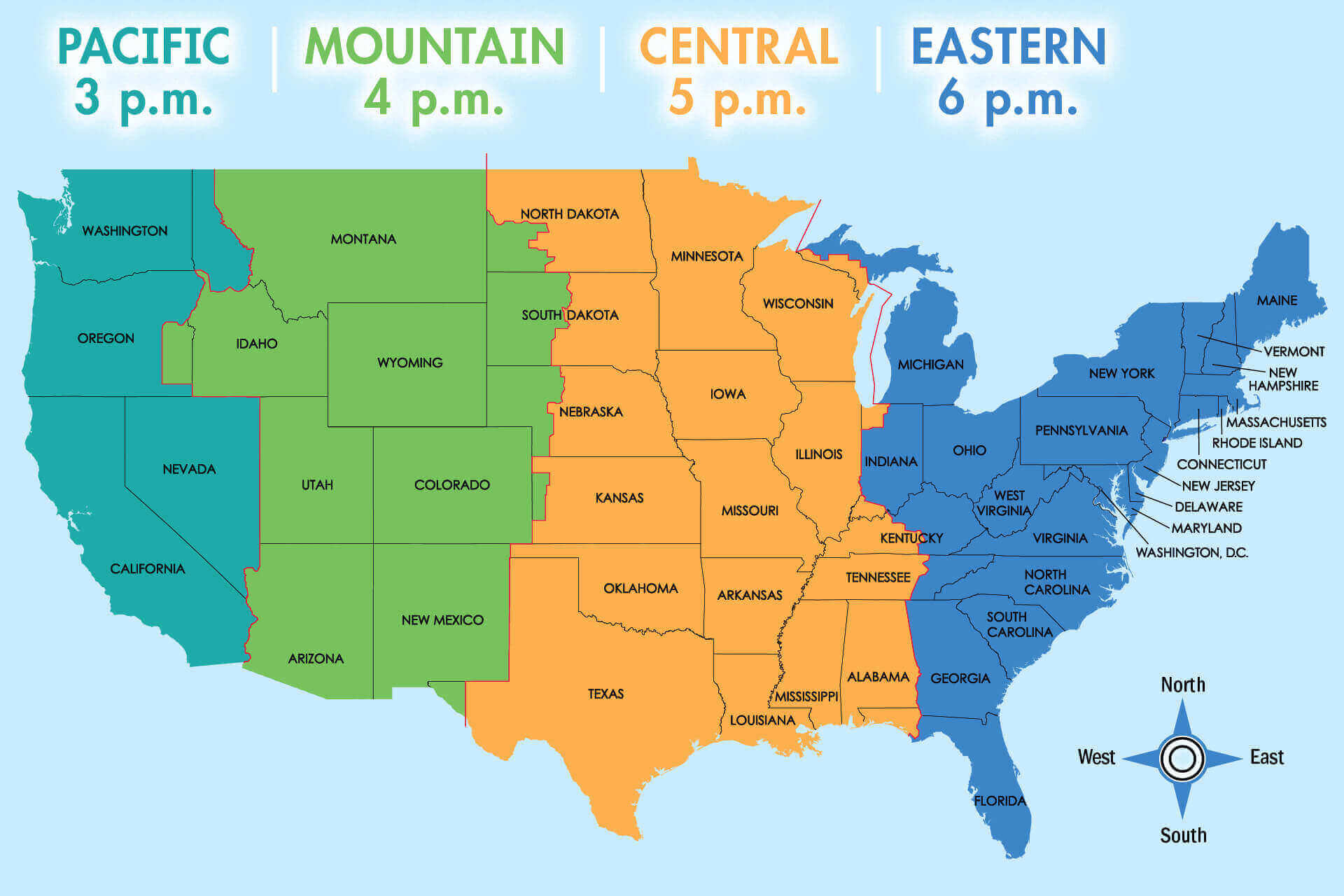
Most of Texas, including its major urban centers and popular travel destinations, operates within the Central Time Zone (CT). This means that cities like Dallas, Houston, Austin, and San Antonio all observe Central Time. During standard time, Central Time is UTC-6.
Crucially, like much of the United States, Texas observes Daylight Saving Time. From the second Sunday in March to the first Sunday in November, clocks are advanced by one hour, shifting the region to Central Daylight Time (CDT), which is UTC-5. This annual change, while seemingly minor, can have significant implications for travelers. Confirming whether your travel dates fall within Daylight Saving Time is essential for coordinating flight arrivals, hotel check-ins, scheduled tours, and any pre-booked activities. Imagine arriving an hour late for a meticulously planned visit to a historic landmark or a highly anticipated dining experience – a simple check of the current time, factoring in Daylight Saving Time, can prevent such mishaps.

For instance, if you’re flying into Dallas/Fort Worth International Airport or George Bush Intercontinental Airport in Houston, your landing time will be aligned with Central Time. Similarly, if you’ve booked a culinary tour in Austin or a visit to The Alamo in San Antonio, all schedules will adhere to this dominant time zone. This consistency across the majority of the state simplifies planning for most visitors, but it makes the exception all the more vital to remember.
A Glimpse into Mountain Time Zone (MT): Far West Texas
The eastern half of Hudspeth County and the city of El Paso, situated in the extreme western tip of Texas, operate under the Mountain Time Zone (MT). During standard time, Mountain Time is UTC-7, making it one hour behind Central Time. When Daylight Saving Time is in effect, these areas observe Mountain Daylight Time (MDT), which is UTC-6.
This time zone shift is particularly important for those planning an extensive Texas road trip, especially if your itinerary includes exploring the rugged beauty of West Texas. For example, travelers venturing from San Antonio towards Big Bend National Park or even further west to El Paso will cross a time zone boundary. While Big Bend National Park itself primarily operates on Central Time, knowing about the time difference in nearby El Paso is essential for connecting flights, coordinating with friends or family, or simply understanding local business hours.
The region around El Paso offers a distinct cultural and natural experience, from its unique blend of American and Mexican heritage to its proximity to stunning desert landscapes. If your travel guide takes you through this fascinating corner of the state, a quick check of the local time for El Paso is just as important as confirming your hotel booking or mapping out your route to Guadalupe Mountains National Park.
Time-Sensitive Travel: Planning Your Texas Adventure
Beyond knowing the current hour, understanding the best time to visit Texas and how to manage your itinerary effectively within its diverse regions is paramount for a successful trip. The state’s vastness means that weather patterns, major events, and even peak tourism seasons can vary significantly from one corner to another. Strategic planning around these temporal factors will not only enhance your experience but also ensure you secure the best accommodation and make the most of your travel budget.
Optimal Seasons and Events: When to Visit
Choosing the right time to visit Texas largely depends on your desired experiences and tolerance for heat. The state’s climate ranges from temperate in the north to subtropical along the coast, offering distinct advantages in different seasons.
Spring (March-May) is arguably the most popular time for visitors. The weather is generally mild and pleasant across much of the state, ideal for exploring cities and enjoying outdoor activities. This is also when the famous Texas bluebonnets and other wildflowers bloom, creating picturesque landscapes, particularly in the Texas Hill Country. Major events like SXSW in Austin and Rodeo Houston draw massive crowds, making early booking for hotels and flights absolutely essential.
Fall (September-November) mirrors spring in its appeal, with comfortable temperatures returning after the summer heat. This season is perfect for cultural festivals, exploring state parks like Palo Duro Canyon State Park, or cheering on a college football game. The State Fair of Texas in Dallas is a grand autumnal tradition, offering carnival rides, live music, and iconic fair food.
Summer (June-August) brings significant heat, especially inland, with temperatures often soaring into the 90s and 100s Fahrenheit. However, it’s the peak season for coastal destinations like Galveston and South Padre Island, where visitors flock for beach relaxation and water sports. Families often choose summer for trips to theme parks or waterparks like Schlitterbahn Waterpark in New Braunfels. If you plan to visit cities during summer, embrace indoor attractions and plan outdoor activities for early mornings or evenings.
Winter (December-February) offers a milder climate, particularly in South Texas. While northern parts of the state can experience cold snaps and occasional ice, regions like San Antonio and the Rio Grande Valley remain pleasant, making it an ideal escape for those seeking warmer temperatures. Many towns host festive Christmas light festivals and holiday events, adding a unique charm to this time of year.
Booking Accommodation and Activities: Timing is Everything
The “what is the time Texas now?” question extends metaphorically to the concept of opportune timing for reservations. Given the popularity of Texas as a travel destination, securing your accommodation and desired activities well in advance is paramount, especially during peak seasons and major events.
For high-demand periods like SXSW, the State Fair of Texas, or major sporting events (such as Formula 1 races at the Circuit of the Americas in Austin), hotel rooms and vacation rentals can sell out months in advance and prices can skyrocket. Whether you’re seeking luxury resorts in Dallas, a charming boutique hotel in Fredericksburg, or a family-friendly suite in San Antonio, early booking is a non-negotiable step in your travel planning.
Beyond lodging, consider reserving popular tours, museum tickets, or restaurant tables, especially for highly-rated establishments. Many attractions, such as Space Center Houston or the Sixth Floor Museum at Dealey Plaza in Dallas, offer timed entry, making pre-booking crucial to avoid long queues and ensure your spot. For outdoor activities like kayaking on Lady Bird Lake in Austin or guided hiking tours in Big Bend, check availability and book ahead, particularly on weekends or holidays.
For longer stays or special occasions, exploring options like apartments or villas can provide a unique lifestyle experience. Websites offering accommodation booking and comparison tools are invaluable resources for finding the perfect place that fits your budget and preferences. Always double-check cancellation policies and review customer feedback, particularly for properties during peak tourism periods.
Experiencing Texas: Timeless Moments and Modern Rhythms
The essence of “time in Texas” transcends mere clock-watching; it encompasses the state’s rich historical timeline, its vibrant contemporary rhythm, and the boundless opportunities to create lasting memories. From ancient natural landmarks to futuristic urban developments, Texas invites visitors to step into a multitude of temporal dimensions.
Iconic Landmarks and Cultural Immersion
Texas is dotted with landmarks that tell stories spanning centuries. At the forefront is The Alamo in San Antonio, a poignant symbol of heroism and a pivotal moment in Texas history. A visit here is a journey back to 1836, providing a profound understanding of the state’s fight for independence. Nearby, the San Antonio River Walk offers a more contemporary, yet equally enchanting, experience, blending historic architecture with bustling eateries and shops.
In Houston, Space Center Houston, the official visitor center for NASA Johnson Space Center, propels you into the future of space exploration while honoring the achievements of the past. This landmark offers an awe-inspiring glimpse into humanity’s endeavors beyond Earth, a truly “out of this world” experience. Houston also boasts the world-renowned Museum of Fine Arts, Houston, and the sprawling Houston Museum District, showcasing art and culture from across the globe and through various historical periods.
Dallas offers a diverse range of cultural landmarks, from the sobering Sixth Floor Museum at Dealey Plaza, which chronicles the legacy of President John F. Kennedy, to the vibrant Dallas Arts District, home to world-class museums and performance venues. Meanwhile, Fort Worth’s Stockyards National Historic District transports visitors to the Old West, complete with daily cattle drives and rodeos, offering a timeless glimpse into Texas’s cowboy heritage.
Nature’s landmarks in Texas also stand as testaments to geological time. Big Bend National Park, a vast expanse of mountains, desert, and the Rio Grande, offers unparalleled opportunities for hiking, stargazing, and connecting with the raw power of nature. Palo Duro Canyon State Park, the second-largest canyon in the U.S., provides breathtaking vistas and deep insights into the state’s ancient past.
Lifestyle and Leisure: Making the Most of Your Time
The lifestyle in Texas is as varied as its geography, offering something for every type of traveler, whether you’re seeking luxury travel or a budget-friendly trip. How you spend your time here is limited only by your imagination and, of course, the actual time available.
For culinary enthusiasts, Texas promises a feast. Dedicate time to savoring authentic Texas BBQ, from legendary joints in Lockhart to innovative pitmasters in Austin. Indulge in vibrant Tex-Mex cuisine, a fusion that’s a cornerstone of the state’s food culture. Many establishments offer cooking classes or food tours, allowing for deeper immersion into the local culinary scene.
Outdoor adventurers will find endless ways to fill their days. Go hiking or rock climbing at Enchanted Rock State Natural Area, explore the subterranean wonders of Natural Bridge Caverns, or enjoy water sports on Canyon Lake or the Colorado River. The pristine beaches of Padre Island National Seashore offer opportunities for birdwatching, shelling, and tranquil beach relaxation.
Urban centers pulse with modern energy. Austin, the “Live Music Capital of the World,” invites you to spend evenings enjoying diverse musical genres. Houston boasts world-class shopping at The Galleria and a dynamic restaurant scene. Dallas’s Klyde Warren Park offers a vibrant public space for leisurely afternoons. Remember that distances between these cities can be substantial, so factor in travel time when planning your itinerary. A drive from Dallas to Houston alone can take 3-4 hours, impacting how much you can fit into a single day.
For a unique twist, consider visiting quirky small towns like Marfa in West Texas, known for its art installations and the mysterious Marfa lights, or the historic German town of Fredericksburg in the Hill Country, a hub for wineries and peach orchards. These destinations offer a different pace, a chance to slow down and immerse yourself in distinct local flavors and traditions.
Ultimately, whether your “time in Texas” is spent exploring historical sites, indulging in gourmet food, or simply relaxing by a pool at a resort, thoughtful planning around actual time zones and seasonal considerations will ensure your journey is as smooth and enriching as possible. The state is vast and its offerings immense, promising that every moment spent here is an opportunity for discovery and delight. So, as you ask, “What is the time Texas now?”, let it be the prelude to an incredible adventure in the Lone Star State.
LifeOutOfTheBox is a participant in the Amazon Services LLC Associates Program, an affiliate advertising program designed to provide a means for sites to earn advertising fees by advertising and linking to Amazon.com. Amazon, the Amazon logo, AmazonSupply, and the AmazonSupply logo are trademarks of Amazon.com, Inc. or its affiliates. As an Amazon Associate we earn affiliate commissions from qualifying purchases.