
When planning a trip to the historic and vibrant city of Boston, Ma, one of the fundamental pieces of information a traveler needs to know is its time zone. Understanding Boston‘s time zone is crucial for everything from booking flights and accommodations to scheduling tours and managing potential jet lag. This guide will delve into the specifics of Boston’s time zone, explain its implications for travel and tourism, and offer practical advice to ensure a seamless experience in this iconic New England destination.
Understanding Boston’s Time Zone: The Direct Answer
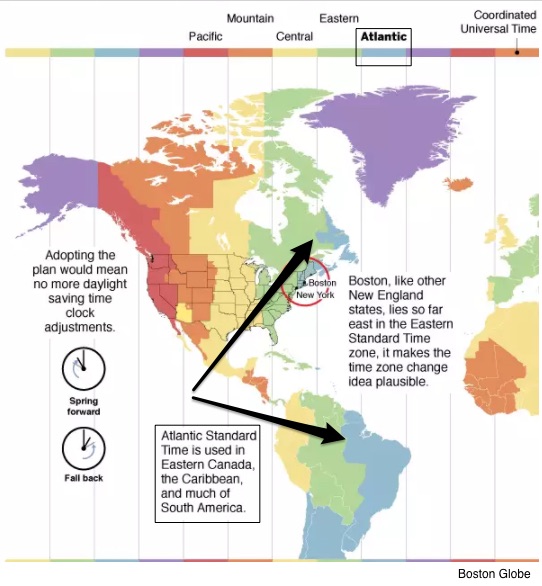
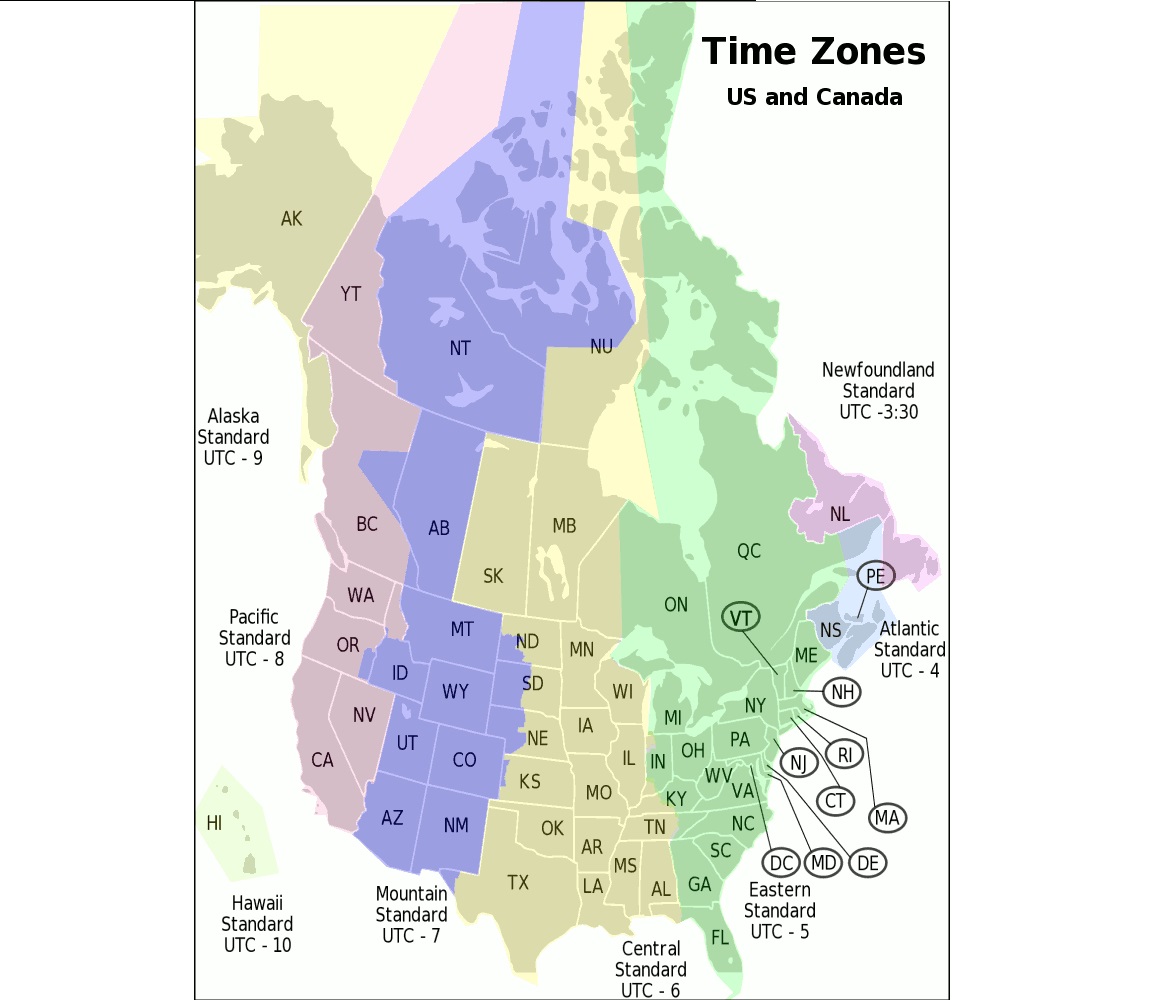
Boston, Ma, like the rest of Massachusetts and much of the eastern United States, observes the Eastern Time Zone. This means it switches between Eastern Standard Time (EST) and Eastern Daylight Time (EDT) throughout the year.

Eastern Standard Time (EST)
During the colder months, typically from early November to mid-March, Boston operates on Eastern Standard Time (EST). This time zone is five hours behind Coordinated Universal Time (UTC-5) or Greenwich Mean Time (GMT-5). So, if it’s noon UTC, it’s 7:00 AM in Boston during EST. This is the baseline time for the region when Daylight Saving Time is not in effect.
Eastern Daylight Time (EDT) and Daylight Saving Time
To make better use of daylight hours during spring, summer, and early autumn, Boston switches to Eastern Daylight Time (EDT). This change typically occurs on the second Sunday in March, when clocks “spring forward” one hour. EDT is four hours behind Coordinated Universal Time (UTC-4) or Greenwich Mean Time (GMT-4). For example, if it’s noon UTC, it’s 8:00 AM in Boston during EDT. Clocks then “fall back” one hour, returning to EST, on the first Sunday in November. This annual adjustment is a significant consideration for travelers, as it can affect arrival times, planned activities, and internal body clocks.
Why Boston’s Time Zone Matters for Travelers
Understanding Boston’s time zone is more than just knowing whether it’s morning or afternoon. It has profound implications for every aspect of your travel experience, from initial planning to enjoying your daily adventures. For globetrotters arriving from different corners of the world or even from other parts of the United States, time zone differences can impact health, schedule, and overall enjoyment.
Planning Your Itinerary and Bookings
Accurate time zone knowledge is paramount when booking flights, hotels, and tours. A flight from Los Angeles (Pacific Time, UTC-8) to Boston (Eastern Time, UTC-5) involves a three-hour time difference. While the flight might take six hours, your internal clock will feel like nine hours have passed upon arrival. Similarly, if you’re booking an accommodation, understanding the local time is vital for coordinating check-in and check-out times. Most hotels, from luxury suites like the Four Seasons Hotel Boston to charming boutique hotels in Beacon Hill, adhere strictly to local time for these operations. Missing a check-in window or incurring late check-out fees can be easily avoided by being mindful of the clock.
Battling Jet Lag for International Visitors
Travelers arriving from distant time zones, such as London (GMT/UTC+0), Paris (CET/UTC+1), or Tokyo (JST/UTC+9), will likely experience jet lag. A common rule of thumb is that it takes approximately one day per time zone crossed for your body to fully adjust. Arriving from Europe, for instance, means a 5-6 hour difference, potentially leading to several days of fatigue, sleep disturbances, and difficulty concentrating. Planning for this adjustment period is a crucial aspect of travel, impacting your ability to fully appreciate Boston’s attractions right from day one.
Business Travel Considerations
For business travelers heading to Boston, the time zone can be particularly critical. Coordinating meetings, conference calls, and presentations with colleagues in different time zones requires meticulous planning. A 9:00 AM meeting in Boston means 6:00 AM in Los Angeles and 2:00 PM in London. Business travelers often leverage amenities in their accommodations, such as 24-hour business centers or room service, making it important to understand local operating hours relative to their own schedules. Selecting an apartment or extended-stay hotel might offer more flexibility for maintaining a routine closer to home while managing a demanding work schedule.
Navigating Time Across Boston’s Top Attractions and Accommodations
Boston’s rich history and vibrant modern culture offer an abundance of attractions. However, their operating hours are always tied to local time, making it essential to factor this into your sightseeing plans and accommodation choices.
Historic Sites and Museums
Many of Boston’s most famous landmarks and museums have specific opening and closing times that must be respected. For instance, a stroll along the Freedom Trail is a continuous experience, but visiting specific sites along the way, like the Paul Revere House, the Old North Church, or Faneuil Hall, requires adherence to their schedules. Museums such as the Museum of Fine Arts, the Isabella Stewart Gardner Museum, and the New England Aquarium typically open around 10:00 AM and close between 5:00 PM and 9:00 PM, with varied schedules depending on the day of the week or season. The Boston Tea Party Ships & Museum also operates on specific tour times. Even outdoor spaces like Boston Common and the Public Garden have suggested visiting hours, though they are generally accessible longer. Understanding these times in relation to your own body clock, especially on your first few days, will prevent rushed visits or missed opportunities.
Dining and Entertainment
Boston’s culinary scene, from its famous seafood restaurants in the Seaport District to authentic Italian eateries in the North End, operates on local hours. Dinner reservations, showtimes at the Boston Opera House, or catching a Boston Red Sox game at Fenway Park are all time-sensitive. If you’re suffering from jet lag, you might find yourself craving dinner at 3:00 PM Boston time, when many restaurants are still closed or only serving a limited menu. Planning to dine earlier or later than usual can help bridge this gap as you adjust. For those exploring Cambridge and its prestigious universities like Harvard University or the Massachusetts Institute of Technology (MIT), local student haunts and cafes also have their own rhythm tied to the Eastern Time Zone.
Hotel Check-ins and Check-outs
Accommodation providers, whether they are grand hotels like the Omni Parker House or more contemporary options such as The Lenox Hotel or Mandarin Oriental, Boston, universally define check-in and check-out times according to local Boston time. Standard check-in is often around 3:00 PM or 4:00 PM, with check-out around 11:00 AM or 12:00 PM. If you’re arriving on an early morning flight to Logan International Airport from a distant time zone, you’ll need to account for a potential wait until your room is ready. Many hotels offer luggage storage, allowing you to begin exploring while you wait. Conversely, for late departures, inquiring about a late check-out or utilizing luggage storage can make your last day much more comfortable. These details are critical for long-term stays as well, especially if appointments or deliveries are scheduled for specific times.
Practical Tips for Managing Time Differences When Visiting Boston
Successfully navigating time differences is key to maximizing your travel experience in Boston. Here are some practical tips to help you adjust and enjoy every moment.
Before You Go
- Adjust Your Sleep Schedule Gradually: A few days before your trip, try to shift your sleep schedule closer to Boston time. If you’re traveling east, go to bed an hour earlier each night; if traveling west, stay up an hour later.
- Update All Devices: Ensure your smartphone, tablet, and smartwatches are set to automatically update their time zones. This will prevent confusion upon arrival.
- Plan Strategically: Schedule important appointments or demanding activities for later in your trip, once you’ve had time to adjust. Keep your first day lighter.
- Communicate Effectively: If you’re coordinating with people in Boston or elsewhere, always specify the time zone. For example, “Let’s meet at 10:00 AM EST” or “The call is at 2:00 PM EDT.”
Upon Arrival
- Embrace Local Time Immediately: As soon as you land at Logan International Airport, set your watch to Boston time. Try to eat and sleep according to this new schedule, even if you’re not hungry or tired.
- Stay Hydrated and Avoid Alcohol/Caffeine: Dehydration can exacerbate jet lag symptoms. Drink plenty of water and limit alcohol and caffeine, especially on long flights and immediately after arrival.
- Seek Sunlight: Natural light is a powerful regulator of your circadian rhythm. Spend time outdoors, perhaps exploring the Charles River Esplanade or walking through Back Bay, especially in the morning, to help your body adjust faster.
- Manage Sleep Smartly: If you arrive in Boston during the day, try to resist the urge to take a long nap. A short power nap (20-30 minutes) might be helpful, but prolonged sleep can make nighttime adjustment harder. Aim to go to bed at a reasonable Boston bedtime.
Making the Most of Your Stay
- Flexibility is Key: Be prepared for your internal clock to be a little off for a few days. If you wake up early, use the quiet morning hours to explore popular sites like The Langham, Boston before the crowds arrive or enjoy a peaceful walk along the waterfront.
- Use Hotel Amenities Wisely: Many hotels offer amenities designed to help travelers, from fitness centers that can aid in re-energizing to blackout curtains that facilitate better sleep. Utilize these to your advantage.
- Consider Early Bird/Late Night Options: If your body is still on a different schedule, look for restaurants offering early dinner specials or late-night dessert spots. Boston offers a range of dining experiences that can cater to various schedules.
- Stay Informed About Daylight Saving: If your trip spans a period when Daylight Saving Time changes, double-check all your bookings and plans to ensure you’re aware of the shift. This applies to both the “spring forward” and “fall back” dates.
In conclusion, Boston, Ma, operates in the Eastern Time Zone, observing both Eastern Standard Time (UTC-5) and Eastern Daylight Time (UTC-4) with the annual Daylight Saving Time shift. Armed with this knowledge and these practical tips, you can confidently plan your travel, accommodations, and itinerary, ensuring a pleasant and memorable experience in one of America’s most historic cities.