
For anyone planning a trip to the Magnolia State, whether for a relaxing getaway, a business venture, or an immersive cultural experience, understanding the local time zone is a fundamental piece of information. Mississippi, a gem nestled in the heart of the Southern United States, operates entirely within the Central Time Zone (CT). This means visitors will primarily encounter Central Standard Time (CST) during the colder months and Central Daylight Time (CDT) during the warmer periods, thanks to the observance of Daylight Saving Time. Grasping this simple fact is crucial for seamless travel planning, from booking flights and hotel check-ins to scheduling tours and enjoying the vibrant local scene.
The rhythmic shift between CST and CDT, and its implications for travel logistics, local activities, and even the pace of life, forms an integral part of the Mississippi experience. As you delve into the state’s rich history, explore its diverse landscapes, or indulge in its renowned Southern hospitality, having a firm grip on the time zone will ensure your journey is as smooth and enjoyable as possible.
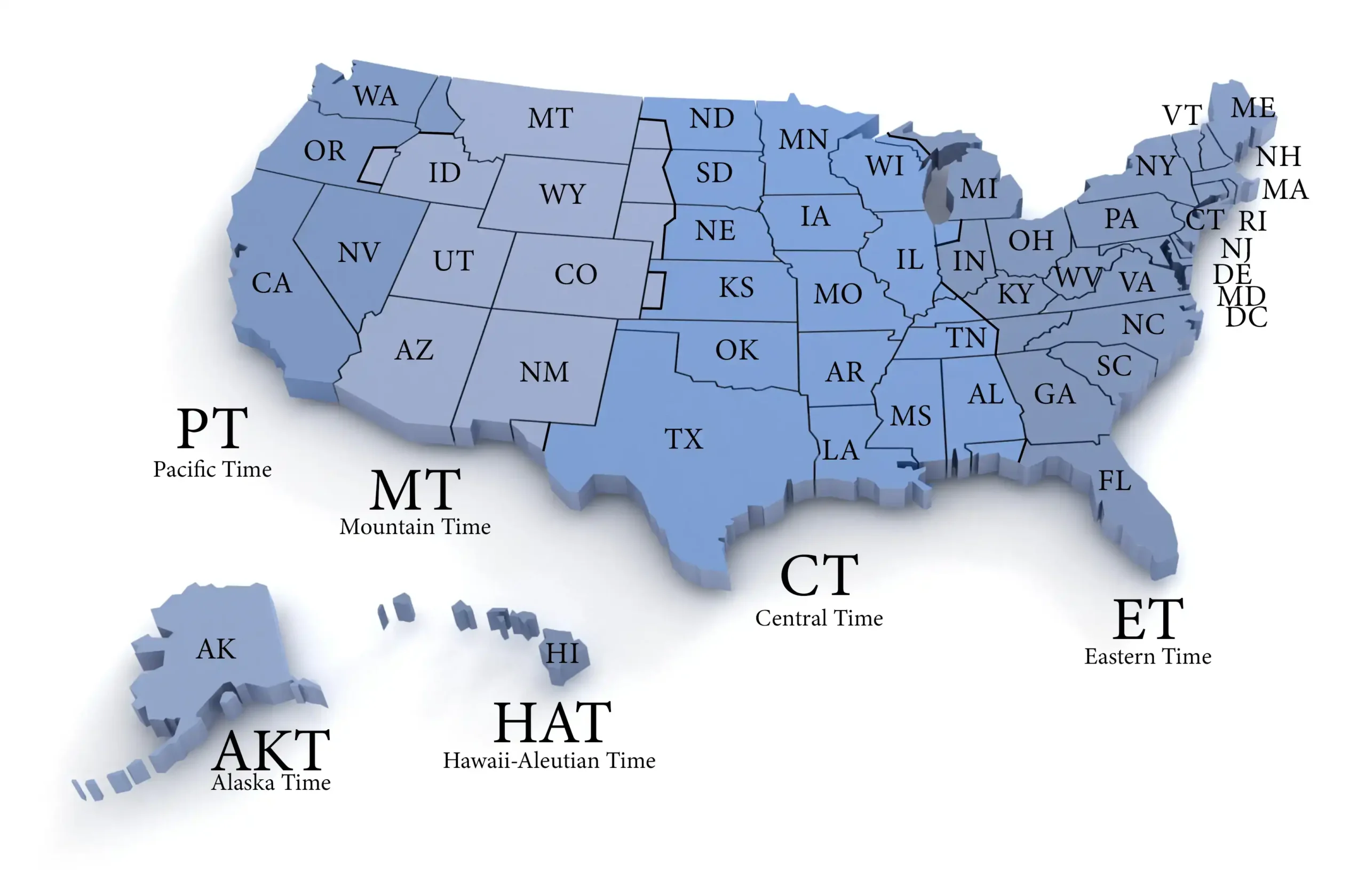
Understanding Mississippi’s Time Zone: Central Standard Time
Mississippi consistently observes the Central Time Zone (CT) across all its 82 counties. This commitment to a single time zone simplifies planning significantly for both residents and visitors, eliminating the confusion that can arise in states spanning multiple zones.
During standard time, from roughly early November to mid-March, Mississippi is on Central Standard Time (CST), which is UTC-6. This means it is six hours behind Coordinated Universal Time. When Daylight Saving Time kicks in, typically on the second Sunday in March, clocks are moved forward by one hour, shifting the state to Central Daylight Time (CDT), or UTC-5. This “spring forward” provides an extra hour of daylight in the evenings, a welcome change for those looking to enjoy Mississippi’s attractions and outdoor activities well into the evening. The shift back to CST, or “fall back,” occurs on the first Sunday in November, returning clocks to their original time.
For travelers, this consistent time zone is largely a convenience. However, it’s particularly important to remember the Daylight Saving Time transitions if your travel dates fall around these periods. A flight scheduled for 7:00 AM on the day of the spring forward will effectively feel like 6:00 AM to your internal clock, potentially leading to an early start or, conversely, a missed appointment if not accounted for. Most modern smartphones and electronic devices automatically adjust for these changes, but it’s always prudent to double-check.
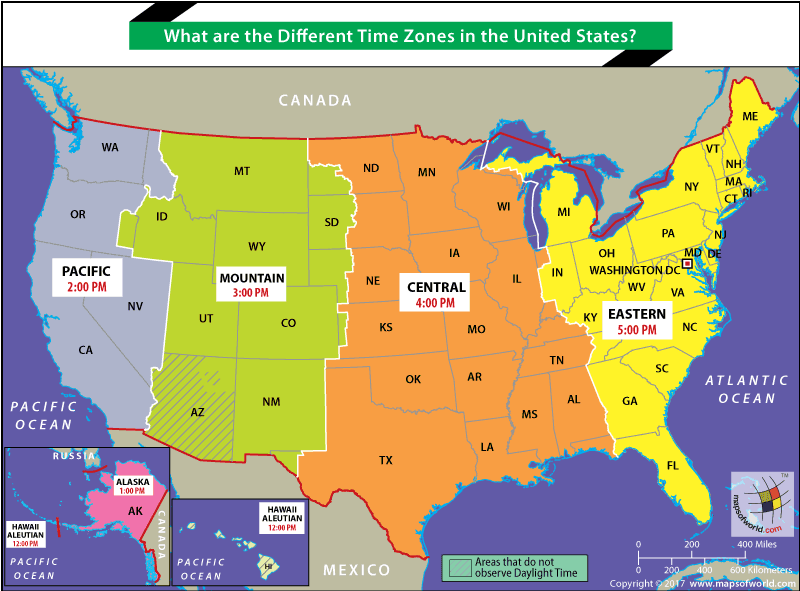
A Historical Perspective on Timekeeping in the Magnolia State
The standardization of time zones across the United States, including Mississippi, is a fascinating story rooted in the logistical demands of the burgeoning railroad industry of the 19th century. Before 1883, towns and cities across the nation operated on local solar time, meaning noon was simply when the sun reached its highest point. This chaotic system led to thousands of different local times, making railroad scheduling a nightmare and interstate travel incredibly complex.
It was the railroads themselves that pushed for a national standard. On November 18, 1883, a system of four standard time zones – Eastern, Central, Mountain, and Pacific – was voluntarily adopted by the major railway companies. Mississippi fell squarely within the Central Time Zone, a practical choice given its geographical location relative to other major transport hubs and population centers in the region like Memphis and New Orleans.
This standardized system was eventually codified into federal law with the Standard Time Act of 1918, which also introduced Daylight Saving Time. Over the decades, adjustments and refinements have been made, but the core principle of nationwide standard time, with Mississippi firmly in the Central Time Zone, has remained a constant. This historical context underscores the practical necessity that shaped our modern understanding of time, making travel and commerce across the vast American landscape possible and predictable. Today, whether you’re exploring the antebellum homes of Natchez or the Mississippi Blues Trail in the Delta, you can rest assured that the time on your watch is synchronized with the rest of the state.
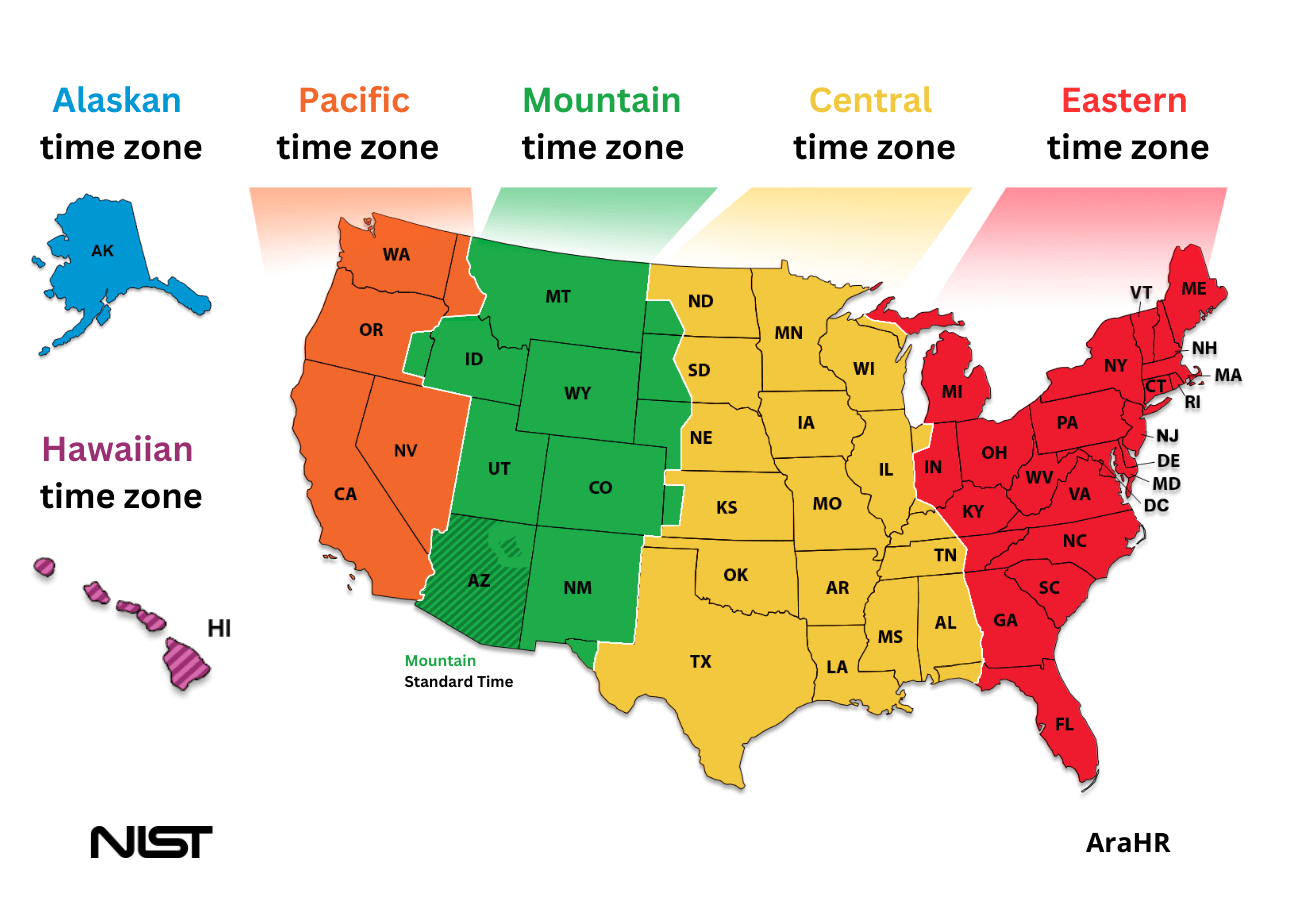
Navigating Travel and Tourism Across Mississippi’s Time Zone
For travelers, understanding Mississippi’s time zone is more than just a trivial detail; it’s a cornerstone of effective trip planning. From ensuring you catch your flight on time to making sure you don’t miss that highly anticipated dinner reservation, the Central Time Zone impacts virtually every aspect of your visit. Given that Mississippi is a prime destination for various types of tourism, from cultural exploration to casino entertainment, meticulous time management is key to a rewarding experience.
Planning Your Itinerary: Flights, Check-ins, and Attractions
When venturing into Mississippi from another time zone, particularly the Eastern or Pacific zones, jet lag and time zone discrepancies can play a significant role. If you’re arriving at Jackson-Medgar Wiley Evers International Airport (JAN) from New York (Eastern Time Zone), remember that Mississippi will be an hour behind, meaning you gain an hour upon arrival. Conversely, if you’re coming from Los Angeles (Pacific Time Zone), you’ll lose two hours. Accounting for this mental and physical adjustment, especially on arrival day, can prevent rushing or feeling disoriented.
Accommodation is another area where time zones are critical. Most hotels, resorts, and vacation rentals in Mississippi adhere strictly to local check-in and check-out times, typically around 3:00 PM for check-in and 11:00 AM for check-out. Confirming these times, particularly if you have an early flight arrival or late departure, is essential. For instance, a booking at the Beau Rivage Resort & Casino in Biloxi will operate on CDT/CST, and being aware of this helps manage expectations regarding room availability. Reviewing booking confirmations and setting your devices to automatically update to the local time are simple steps that can save you a lot of hassle.
Furthermore, tourist attractions, museums, and historical sites like the Vicksburg National Military Park or the Mississippi Civil Rights Museum in Jackson all have specific operating hours set to Central Time. Missing the last entry of the day or showing up an hour before opening because your internal clock is still on Eastern Time can be frustrating. Always check the official websites or guides for the most current opening and closing times, especially if your visit coincides with holidays or seasonal changes.
Seamless Experiences: Dining, Events, and Local Life
Beyond logistical planning, the time zone also plays a subtle yet significant role in your overall experience of Mississippi’s local culture and lifestyle. Dining is a quintessential Southern experience, and reservations for popular restaurants, especially in culinary hotspots like Jackson, Oxford, or along the Gulf Coast, will be strictly in Central Time. Showing up an hour late for a coveted table at a fine dining establishment could mean losing your reservation. Similarly, if you’re planning to enjoy the vibrant nightlife in Biloxi or catch a live blues performance in the Delta, knowing the start times in local CT is paramount.
Mississippi is renowned for its rich calendar of festivals and events, from the Mississippi Blues Marathon to various arts and heritage festivals. The schedules for these events are always published in local time. Attending a concert, a sporting event at the University of Mississippi, or a community parade requires adherence to the Central Time Zone. For business travelers, being punctual for meetings and conferences, particularly when collaborating with local partners, demonstrates professionalism and respect. Whether it’s a quick phone call or an in-person presentation, being aligned with the local time zone ensures smooth communication and efficient operations.
Embracing the state’s natural rhythm means understanding its clock. The slow, inviting pace that many visitors associate with the South often subtly aligns with the natural progression of the day within the Central Time Zone, where afternoons might stretch into long, relaxed evenings, perfect for savoring a porch swing or a sunset view over the Mississippi River.
Exploring Mississippi: Destinations and Accommodation within CST
Mississippi’s diverse regions offer a tapestry of experiences, from the sun-drenched shores of the Gulf Coast to the historic charm of its inland cities. All these incredible destinations, and the accommodations within them, operate uniformly on Central Standard Time or Central Daylight Time, ensuring a consistent experience across the state. This unified approach simplifies travel planning, allowing visitors to seamlessly transition between different attractions without constantly resetting their watches.
Coastal Charms and Casino Resorts
The Mississippi Gulf Coast, encompassing cities like Biloxi, Gulfport, and Bay St. Louis, is a vibrant hub known for its beautiful beaches, world-class golf courses, and bustling casino resorts. When you book a stay at a luxurious property such as the Beau Rivage Resort & Casino or the Hard Rock Hotel & Casino Biloxi, all their services – from spa appointments and restaurant reservations to showtimes and casino operations – will be scheduled in Central Time. This consistency means you can easily plan your day, whether you’re embarking on a fishing charter at dawn, enjoying a leisurely brunch, or hitting the casino floor late into the evening.
The Gulf Coast’s calendar is also packed with events, from seafood festivals to live music concerts. Knowing that these events kick off at the stated Central Time allows you to fully immerse yourself in the local festivities without any timing mishaps. The lifestyle here is often laid-back but with plenty of opportunities for entertainment and adventure, all governed by the Central Time Zone’s rhythm.
Historic Inland Gems and Boutique Stays
Moving inland, Mississippi unveils a rich historical landscape. Cities like Natchez, famous for its magnificent antebellum homes, and Vicksburg, a pivotal site during the Civil War, offer a glimpse into the past. In Oxford, home to the prestigious University of Mississippi and a vibrant literary scene, you’ll find a charming blend of academic life and Southern elegance.
When exploring these historic destinations, your schedule will remain synchronized with Central Time. Tours of Natchez’s grand mansions, visiting the Vicksburg National Military Park, or attending a lecture at “Ole Miss” will all follow the local clock. Accommodation options range from exquisitely restored historic bed and breakfasts in Natchez to modern boutique hotels in Oxford and Jackson. Each of these unique stays will operate on Central Time, ensuring that your breakfast service, concierge appointments, and room service deliveries are all perfectly aligned with your itinerary.
The consistency of the time zone across these diverse locales – from the sandy shores to the historic downtowns – underscores the ease of travel within Mississippi. It allows visitors to focus on the experience itself: soaking in the history, enjoying the delicious Southern cuisine, and engaging with the warm local culture, rather than constantly worrying about time zone changes.
Lifestyle and Logistics: Making the Most of Your Mississippi Trip
Understanding Mississippi’s time zone goes beyond mere practicality; it’s about aligning with the state’s unique pace and maximizing every moment of your journey. The Central Time Zone not only dictates schedules but also subtly influences the relaxed, welcoming lifestyle for which the South is renowned.
Beyond the Clock: Embracing Mississippi’s Unique Pace
Mississippi’s lifestyle is often characterized by its unhurried rhythm, a stark contrast to the hustle and bustle of larger metropolitan areas. This slower pace, while not directly caused by the time zone, certainly complements it. Visitors are encouraged to lean into this relaxed atmosphere, allowing for spontaneous detours and lingering moments. Imagine spending a long afternoon exploring the Natchez Trace Parkway, stopping at scenic overlooks and historic markers, without feeling the pressure of a rapidly ticking clock from a different time zone.
The state’s rich cultural fabric, deeply woven with the threads of blues music originating from the Mississippi Delta, its literary heritage, and its culinary traditions, thrives on this sense of time. Meals are often leisurely affairs, meant to be savored. Picture enjoying a plate of authentic barbecue or fresh Gulf seafood, perhaps with a sweet tea, as the afternoon sun slowly dips in the Central Time sky. Local events, from small-town parades to major music festivals, are community-focused, inviting participation rather than just observation. The unified Central Time Zone helps maintain this consistency, allowing everyone to operate on the same local clock and enjoy these shared experiences together.
Practical Tips for Time Zone Management
To ensure your Mississippi trip is as seamless as possible, a few practical tips regarding time zone management can go a long way:
- Set Devices to Automatic Time Zone: Most smartphones, tablets, and smartwatches have a feature to automatically adjust the time zone based on your location. Ensure this is activated before you travel to Mississippi. This simple step will prevent the most common timing errors.
- Double-Check All Bookings: Before your departure, review all flight, hotel, tour, and dining reservations. Confirm that the times listed correspond to Mississippi’s Central Time. If you made bookings from a different time zone, it’s easy to mistakenly assume the times are in your home zone.
- Account for Travel Time and Jet Lag: If traveling from a significantly different time zone, especially the Pacific or Mountain zones, factor in the effects of time zone changes. An early morning flight from California to Mississippi will mean losing two to three hours, potentially leading to fatigue upon arrival. Plan a relaxed first day to allow your body to adjust.
- Confirm Daylight Saving Time Transitions: If your travel dates fall around the second Sunday in March (“spring forward”) or the first Sunday in November (“fall back”), be extra vigilant. While devices generally auto-adjust, manual clocks in hotel rooms or rental cars might not. Confirm with your accommodation provider if you’re unsure about specific check-in/check-out times on these transition days.
- Use a World Clock App: For those managing schedules across multiple time zones (e.g., business travelers or those coordinating with family back home), a world clock app can be incredibly useful for quickly converting times to Mississippi’s Central Time.
By following these guidelines, you can ensure that time-related issues don’t detract from your exploration of Mississippi’s captivating destinations and vibrant lifestyle.
In conclusion, Mississippi operates uniformly within the Central Time Zone, observing both Central Standard Time (CST) and Central Daylight Time (CDT). This consistency greatly simplifies travel and tourism logistics, allowing visitors to focus on immersing themselves in the state’s rich culture, historical landmarks, diverse attractions, and delicious Southern cuisine. From coordinating flights and hotel check-ins to scheduling tours and embracing the relaxed pace of local life, understanding Mississippi’s time zone is an indispensable piece of knowledge for any traveler. By being mindful of the clock, especially during Daylight Saving transitions, visitors can ensure a smooth, enjoyable, and unforgettable experience in the heart of the South.
LifeOutOfTheBox is a participant in the Amazon Services LLC Associates Program, an affiliate advertising program designed to provide a means for sites to earn advertising fees by advertising and linking to Amazon.com. Amazon, the Amazon logo, AmazonSupply, and the AmazonSupply logo are trademarks of Amazon.com, Inc. or its affiliates. As an Amazon Associate we earn affiliate commissions from qualifying purchases.