
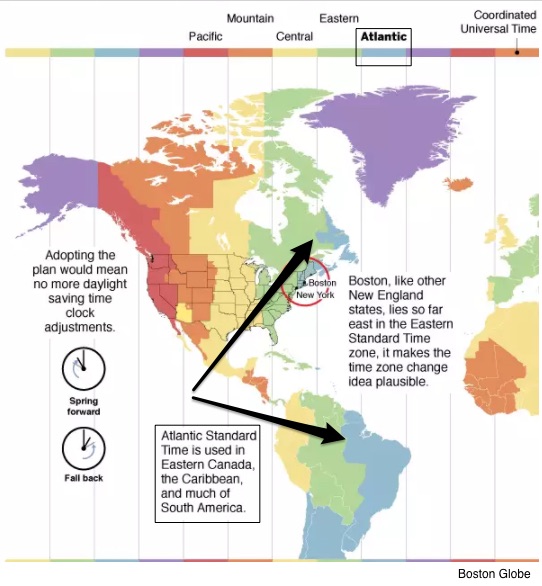
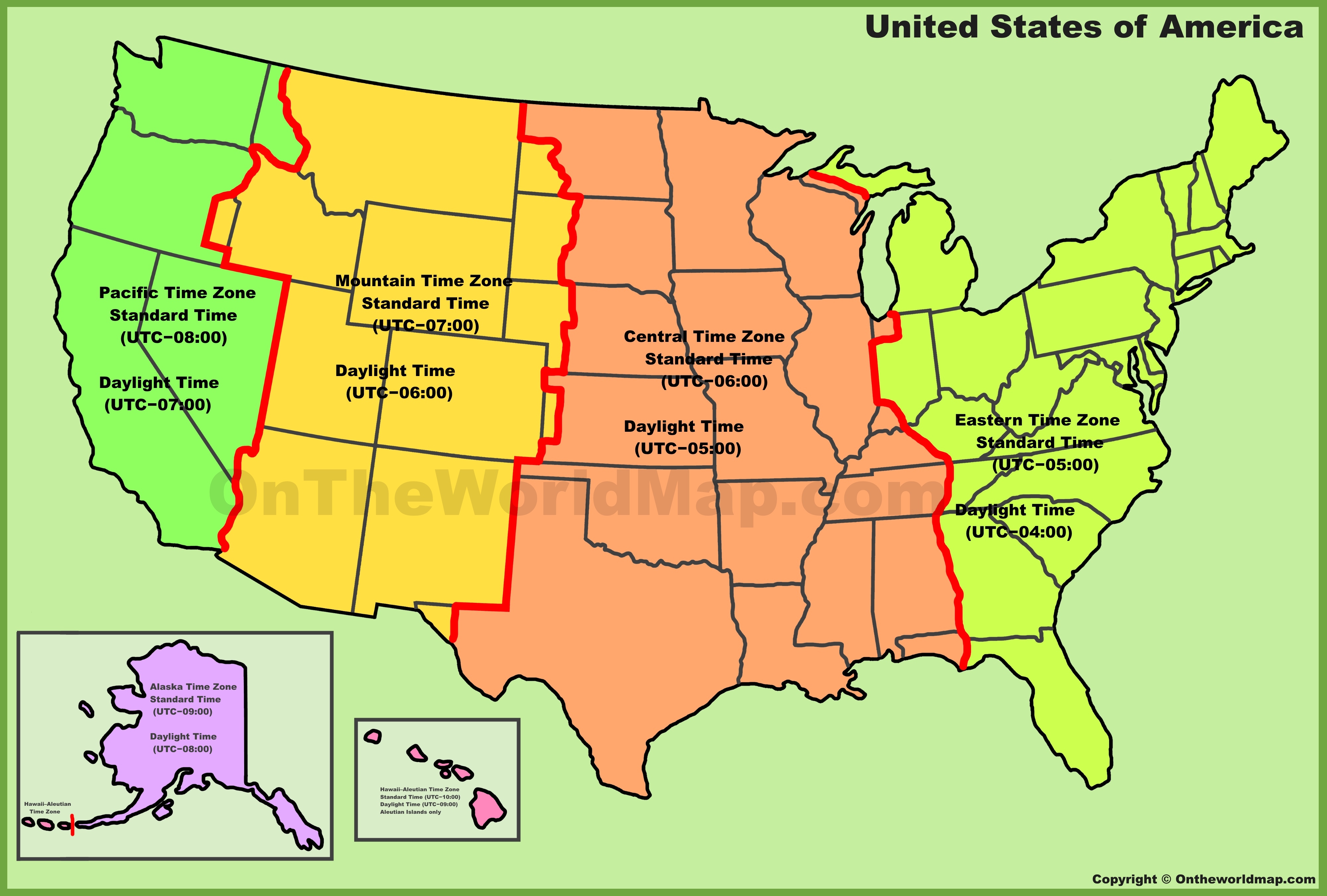
Understanding the time zone in a destination is often one of the first, yet frequently overlooked, pieces of information a traveler needs to know. For anyone planning a visit to the historic and vibrant city of Boston, knowing its time zone is crucial for everything from booking flights and tours to scheduling business meetings and dining reservations. Boston operates on the Eastern Time Zone, a standard that governs a significant portion of the Eastern United States. This means that throughout much of the year, the city adheres to Eastern Standard Time (EST), which is UTC-5 (five hours behind Coordinated Universal Time). However, like many other regions, Boston also observes Daylight Saving Time, shifting to Eastern Daylight Time (EDT), or UTC-4, during the warmer months.

This guide will delve into the specifics of Boston’s time zone, offering practical advice for travelers to smoothly adjust and make the most of their experience in this incredible Massachusetts metropolis. From the moment you land at Boston Logan International Airport to the time you spend exploring its iconic landmarks, a clear grasp of the local time will ensure your journey is seamless and enjoyable. Beyond the clock, we’ll also explore the diverse attractions, accommodation options, and cultural experiences that make Boston a top-tier destination for all types of travelers, from history buffs and foodies to families and business professionals.
Understanding Boston’s Time Zone: EST and EDT
The rhythm of life in Boston, like much of the United States, is dictated by its seasonal adherence to two distinct time offsets: Eastern Standard Time and Eastern Daylight Time. Recognizing when each applies and what it means for your schedule is fundamental to effective travel planning.
Eastern Standard Time (EST) Explained
Eastern Standard Time (EST) serves as the baseline time zone for Boston and a large swath of the eastern North America. Defined as UTC-5, it means that during the winter months, Boston is five hours behind Coordinated Universal Time. This period typically runs from early November until mid-March. For residents and businesses, EST represents the default, undisturbed clock. Its impact on daily life is significant, influencing everything from the opening hours of historical sites to the scheduling of public transport and the operation of financial markets. Travelers arriving from regions east of the Eastern Time Zone will need to adjust their watches back, potentially experiencing a few hours of jet lag, while those coming from further west will need to adjust forward. Businesses in Boston, particularly those with national or international dealings, constantly factor EST into their operational hours, ensuring clear communication and coordinated efforts across different geographical regions.
Daylight Saving Time (EDT) and Its Implications
As spring arrives, Boston transitions to Eastern Daylight Time (EDT), which is UTC-4. This shift occurs on the second Sunday in March when clocks “spring forward” by one hour, effectively moving Boston to four hours behind Coordinated Universal Time. The purpose of Daylight Saving Time is to make better use of daylight, extending daylight hours into the evening during the warmer seasons. The change back to EST (“falling back”) happens on the first Sunday in November. For travelers, this transition has several implications. Flights scheduled for the changeover day can be particularly confusing; it’s essential to confirm departure and arrival times with airlines. Activities planned for the evening, such as dinner reservations or theater shows, will naturally occur an hour later by the clock, potentially extending sightseeing opportunities. The extra hour of daylight in the evenings is often welcomed by tourists, allowing more time to explore outdoor attractions like the Boston Common or enjoy a stroll along the Charles River.
Practical Tips for Travelers: Navigating Time Zones
Adjusting to a new time zone can be challenging, but with a few strategies, travelers can minimize the effects of jet lag and maximize their enjoyment of Boston. Firstly, try to adjust your sleep schedule gradually in the days leading up to your trip. Upon arrival, immediately set your watch to local Boston time and try to stick to local meal and sleep schedules, even if you don’t feel tired. Exposure to natural light during the day can help reset your body clock, so prioritize outdoor activities. Stay hydrated and avoid excessive caffeine and alcohol, especially during your first day. For business travelers, confirm meeting times with colleagues well in advance, taking into account any potential Daylight Saving Time shifts. Utilizing time zone converter apps or websites can also be invaluable for coordinating calls or virtual meetings with individuals in different parts of the world. Remember that many online booking platforms automatically display times in the local destination’s time zone, but a quick double-check can prevent any last-minute surprises.
Planning Your Visit to Boston: Beyond the Clock
Once you’ve mastered the time zone, the real excitement of planning your Boston adventure begins. This city, rich in history, culture, and vibrant modern life, offers an unparalleled array of experiences for every kind of traveler.
Top Attractions and Landmarks in Boston
Boston is a city where history comes alive at every turn. No visit is complete without walking the Freedom Trail, a 2.5-mile red-lined path that winds through downtown, leading you to 16 historically significant sites. Starting at the Boston Common, America’s oldest park, the trail takes you past architectural marvels like the Massachusetts State House with its gleaming gold dome. You’ll explore historic churches such as the Park Street Church and the Old North Church, famous for its “one if by land, two if by sea” signal during the American Revolution. Along the way, you’ll encounter the ancient gravestones of the Granary Burying Ground, the elegant King’s Chapel, and the significant Old South Meeting House.
Further down the trail, immerse yourself in the past at the Old State House, the site of the Boston Massacre Site, and the bustling Faneuil Hall, a historic marketplace. A highlight for many is the Paul Revere House in the North End, offering a glimpse into colonial life. The trail culminates at the USS Constitution, the world’s oldest commissioned warship afloat, and the towering Bunker Hill Monument in Charlestown, commemorating an early battle of the revolution.
Beyond the Freedom Trail, Boston offers much more. The beautiful Back Bay neighborhood boasts stunning Victorian brownstones and the vibrant shopping street of Newbury Street. Copley Square is home to architectural masterpieces like the Boston Public Library and the Trinity Church. Art enthusiasts will revel in the collections at the Museum of Fine Arts and the unique experience of the Isabella Stewart Gardner Museum, while the Boston Tea Party Ships & Museum offers an engaging, interactive journey back to 1773.
Accommodation Choices in Boston
Boston caters to a wide spectrum of accommodation preferences and budgets, ensuring every visitor can find their ideal stay. For those seeking luxury, the city offers world-class hotels known for their impeccable service and opulent amenities. The Four Seasons Hotel Boston, overlooking the Public Garden, provides an exquisite experience, as does the Mandarin Oriental, Boston, nestled in the heart of Back Bay near Copley Square. These establishments often feature gourmet dining, lavish spas, and concierge services that can arrange exclusive experiences.
Mid-range options are plentiful and offer a balance of comfort, convenience, and value. The historic Omni Parker House, famous for its Boston Cream Pie and rich legacy, provides classic elegance within walking distance of many major attractions. Another excellent choice is the Hotel Commonwealth in Kenmore Square, particularly appealing for visitors attending events at nearby Fenway Park.
For budget-conscious travelers or those seeking a more boutique experience, Boston has several charming options. The Godfrey Hotel Boston offers a stylish stay in a central location, blending modern design with historic architecture. Beyond traditional hotels, visitors might consider serviced apartments for longer stays, offering more space and the convenience of kitchen facilities, ideal for families or extended business trips. Websites dedicated to accommodation comparison and reviews can help travelers find the best deals and ensure their chosen lodging aligns with their expectations and needs.
Experiencing Boston’s Culture and Cuisine
Boston’s cultural landscape is as rich and varied as its history. The city’s culinary scene is a major draw, with fresh seafood taking center stage. Indulge in creamy New England Clam Chowder, succulent lobster rolls, and freshly shucked oysters at one of the many renowned seafood restaurants along the waterfront or in the historic North End. The North End, Boston’s oldest residential neighborhood, is a haven for Italian cuisine, offering authentic pasta dishes, wood-fired pizzas, and irresistible cannolis from bakeries like Mike’s Pastry or Modern Pastry.
Sports are an integral part of Boston’s identity. Catch a Boston Red Sox game at historic Fenway Park, the oldest ballpark in Major League Baseball, for an unforgettable experience steeped in tradition. Beyond baseball, the city passionately supports its other professional teams, including the New England Patriots (NFL), Boston Celtics (NBA), and Boston Bruins (NHL).
Boston is also a global hub for education and innovation, home to world-renowned institutions such as Harvard University in Cambridge and the Massachusetts Institute of Technology (MIT). Visitors can explore the historic campuses, visit their museums, or simply soak in the intellectual atmosphere that permeates the region. The performing arts scene is robust, with numerous theaters offering Broadway shows, classical concerts, and independent productions. Live music venues, from intimate jazz clubs to large arenas, cater to all musical tastes. No matter your interest, Boston offers a rich tapestry of cultural and culinary delights to explore.
Optimizing Your Boston Travel Lifestyle
Making the most of your trip to Boston involves smart planning and considering how your travel style aligns with the city’s offerings. Whether you’re a luxury traveler, on a tight budget, planning a family vacation, or traveling for business, Boston has something for everyone.
Budgeting and Planning Your Trip
Effective budgeting is key to an enjoyable trip. For luxury travelers, Boston offers exclusive experiences, from high-end shopping on Newbury Street to private historical tours and gourmet dining. Budget travelers, however, can still enjoy the city’s highlights by utilizing free attractions like the Freedom Trail, picnicking in the Public Garden, and taking advantage of public transportation. Purchasing a Go Boston Card can offer significant savings on multiple attractions.
Consider the time of year you visit. Peak seasons, typically summer and fall foliage season (September-October), see higher prices for flights and accommodation. Traveling during the shoulder seasons (spring or late fall) or winter can offer better deals and fewer crowds. Family trips can be made more affordable by choosing hotels with amenities like kitchenettes or complimentary breakfast, and by seeking out family-friendly attractions such as the New England Aquarium or the Boston Children’s Museum. For business stays, selecting hotels near your conference location or business district, like the Financial District or Seaport District, will optimize commute times. Always book flights and accommodation well in advance, especially during popular events or holidays.
Day Trips and Nearby Destinations
While Boston itself offers a wealth of attractions, its prime location in New England makes it an excellent base for exploring charming nearby towns and scenic areas. Just a short train ride away is Salem, known as “Witch City,” where you can delve into the history of the Salem Witch Trials at sites like the Peabody Essex Museum and the Witch History Museum.
Further south, a trip to Plimoth Patuxet Museums (formerly Plimoth Plantation) offers an immersive journey back to the 17th century, where you can interact with costumed interpreters portraying both Pilgrim colonists and Wampanoag people. This living history museum provides deep insights into early American life. For those seeking coastal beauty and relaxation, Cape Cod offers picturesque beaches, quaint towns, and delicious seafood, making for a perfect summer escape. A ferry from Boston can take you directly to the islands of Martha’s Vineyard or Nantucket, known for their charming villages, stunning natural landscapes, and upscale appeal. These day trips provide a fantastic way to extend your New England adventure beyond the city limits.
In conclusion, while “What Is The Time Zone In Boston?” might seem like a simple question, it opens the door to understanding how to best navigate and enjoy your visit. From adjusting to Eastern Standard Time or Eastern Daylight Time to exploring historic landmarks, indulging in diverse cuisine, and choosing the perfect accommodation, Boston promises a travel experience that blends historical depth with modern vibrancy. By keeping the time in mind and leveraging these travel tips, you’re well on your way to a memorable Boston adventure, truly living life out of the box in this iconic American city.
LifeOutOfTheBox is a participant in the Amazon Services LLC Associates Program, an affiliate advertising program designed to provide a means for sites to earn advertising fees by advertising and linking to Amazon.com. Amazon, the Amazon logo, AmazonSupply, and the AmazonSupply logo are trademarks of Amazon.com, Inc. or its affiliates. As an Amazon Associate we earn affiliate commissions from qualifying purchases.