
Understanding the time zone in Los Angeles is far more than just knowing what time it is; it’s the fundamental key to unlocking a seamless and enjoyable experience in one of the world’s most dynamic cities. For travelers, navigating the nuances of time zones can impact everything from flight bookings and hotel check-ins to planning a packed itinerary of iconic landmarks and soaking in the local lifestyle. Whether you’re flying in from across the United States or embarking on an international adventure to the Golden State, knowing the local time and how it interacts with Daylight Saving Time is crucial for a smooth trip.
This comprehensive guide will delve into the specifics of Los Angeles’ time zone, offering insights on how to mitigate jet lag, optimize your travel schedule, and make the most of every precious moment in this sprawling metropolis. From the moment you begin planning your journey to the instant you land, time will be a constant companion, influencing your choices of accommodation, the timing of your visits to Hollywood attractions, and even your culinary explorations.
Understanding Los Angeles’ Time Zone
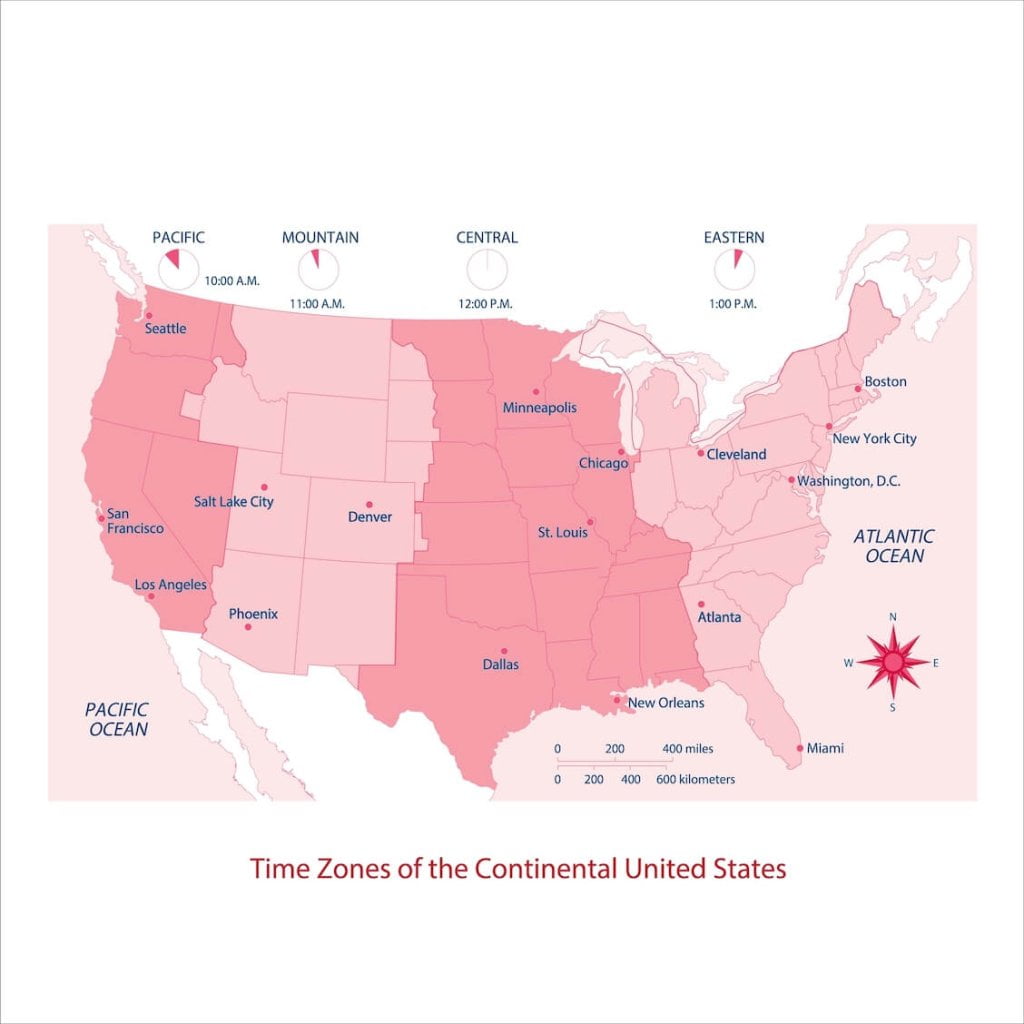
At its core, Los Angeles operates within the Pacific Time Zone, a geographical region that observes a standard offset from Coordinated Universal Time (UTC). However, this isn’t a static designation throughout the year, primarily due to the observance of Daylight Saving Time.
Pacific Standard Time (PST) vs. Pacific Daylight Time (PDT)
For approximately five months of the year, from early November to mid-March, Los Angeles observes Pacific Standard Time (PST). During this period, the local time is UTC-8, meaning it is eight hours behind Coordinated Universal Time. This is the “winter” time zone.
When spring arrives, typically on the second Sunday in March, California (along with most of the United States) springs forward by one hour, transitioning to Pacific Daylight Time (PDT). From mid-March to early November, the time zone shifts to UTC-7. This change is designed to make better use of daylight, pushing sunsets later into the evening, which can significantly impact travel plans, especially for those looking to enjoy outdoor activities or evening attractions. This extra hour of daylight in the evening can be a boon for tourists, extending the operational hours for many attractions and offering more opportunities for outdoor dining and exploration under natural light.

The Impact of Daylight Saving Time
The biannual switch between PST and PDT is a critical consideration for anyone traveling to or from Los Angeles. If you’re planning a trip during the transition weeks, double-checking flight times, reservation confirmations, and hotel bookings is paramount. A flight scheduled for an early morning departure on the day Daylight Saving Time begins might effectively be an hour later than anticipated if your originating location doesn’t observe the change or if you miscalculate. Conversely, if you’re departing Los Angeles as clocks fall back, you might gain an hour, which could lead to an earlier-than-expected arrival at your destination.
Beyond travel logistics, Daylight Saving Time influences the very rhythm of life in Los Angeles. During PDT, the city buzzes with activity well into the evening. Iconic spots like Santa Monica Pier or Griffith Observatory benefit from extended daylight, allowing visitors to enjoy breathtaking sunsets over the Pacific or dazzling city views without rushing against the clock. This extended daylight often translates into later closing times for some outdoor attractions and a generally more vibrant evening scene, perfect for those seeking to maximize their tourism experiences.
Navigating Travel and Planning in the Pacific Time Zone
For travelers, the time zone difference is often the first significant hurdle. Whether you’re flying from New York (three hours ahead) or London (eight hours ahead during PST, or seven during PDT), adapting to Los Angeles’ time requires careful preparation to ensure a comfortable and productive visit.
Overcoming Jet Lag: Tips for Travelers
Jet lag is an inevitable part of long-haul travel, but its effects can be significantly minimized with a strategic approach. When heading to Los Angeles:
- Adjust Gradually: A few days before your trip, try to shift your sleep schedule by an hour or two in the direction of Los Angeles’ time.
- Hydrate: Drink plenty of water before, during, and after your flight. Dehydration can exacerbate jet lag symptoms.
- Embrace the Light: Upon arrival, expose yourself to natural light during the day to help reset your internal clock. If you arrive in the morning, resist the urge to nap for too long. Instead, try to stay awake until the local evening.
- Mindful Eating: Eat meals at local Los Angeles times to further synchronize your body. Avoid heavy meals late at night.
- Hotel Amenities: Choose accommodation that supports sleep and relaxation. Many luxury hotels, such as the Waldorf Astoria Beverly Hills or The London West Hollywood, offer blackout curtains, comfortable bedding, and 24-hour room service to cater to guests arriving at odd hours. Some even feature spa services designed to combat travel fatigue, offering massages or aromatherapy to help you unwind and adjust.
Planning Your Itinerary: Maximizing Your LA Experience
Understanding the time zone allows for strategic itinerary planning, ensuring you don’t miss out on any of Los Angeles’ diverse offerings.
- Morning Activities: Take advantage of the cooler morning temperatures for outdoor activities. A hike in Runyon Canyon Park offers stunning views, while a stroll along Venice Beach or Santa Monica Beach provides a quintessential California experience before the crowds gather.
- Afternoon Exploration: This is an ideal time for indoor attractions or less physically demanding sightseeing. Explore the museums like The Getty Center or the Los Angeles County Museum of Art (LACMA).
- Evening Entertainment: Los Angeles truly comes alive at night. Plan for a show at the Dolby Theatre or The Hollywood Bowl, a dinner in Beverly Hills, or catch a sports event at Staples Center (soon to be Crypto.com Arena) or SoFi Stadium.
Considering the daily flow of local activities will help you optimize your schedule, minimize travel time between locations, and ensure you’re experiencing each attraction at its best.
Booking Accommodation and Flights Across Time Zones
When booking your trip to Los Angeles, always pay close attention to the time zone specified for flight departures and arrivals. Most booking platforms will display times in local time, but it’s wise to confirm.
- Flight Schedules: For international flights, be mindful of layovers and their respective time zones. A seemingly short layover might feel rushed if you miscalculate time differences. Booking direct flights where possible can simplify this.
- Hotel Check-in/Check-out: Standard hotel check-in times are usually in the afternoon (e.g., 3:00 PM PST/PDT), with check-out around noon. If you’re arriving on an early morning flight, consider booking an extra night or contacting your hotel in advance to arrange an early check-in, often for an additional fee. Conversely, for late departures, inquiring about a late check-out or luggage storage can save you from spending hours waiting at the airport. Many hotels, from budget-friendly options to luxurious resorts like The Peninsula Beverly Hills, are accommodating to such requests, understanding the needs of travelers across time zones. Accommodation types in Los Angeles range from sprawling resorts and boutique hotels to serviced apartments and villas, many offering amenities like 24-hour concierge services to assist with time-sensitive logistics.
Experiencing Los Angeles: Time-Sensitive Activities and Attractions
Los Angeles’ vast array of attractions often have specific operating hours, and a clear understanding of the local time will ensure you don’t miss out on any experiences.
Must-Visit Landmarks and Their Operating Hours
Many of Los Angeles’ most famous landmarks and tourist attractions adhere to strict schedules, which can vary by season or day of the week.
- Theme Parks: Universal Studios Hollywood and Disneyland Park (located in nearby Anaheim) typically open in the morning (e.g., 9:00 AM or 10:00 AM) and close late evening (e.g., 9:00 PM to midnight, depending on the season). Arriving right at opening can help you beat the crowds and maximize your ride time.
- Museums and Galleries: Institutions like The Getty Center and the Los Angeles County Museum of Art often have specific opening and closing times, usually around 10:00 AM to 5:00 PM or 6:00 PM, with some offering late-night openings on certain days.
- Observatories: The Griffith Observatory, a prime spot for panoramic city views, often has different hours for its building, exhibits, and telescope access, making it essential to check ahead, especially if you plan to visit for sunset or stargazing.
- Shopping Districts: Upscale shopping areas like Rodeo Drive or vibrant outdoor malls like The Grove typically operate from morning until evening, providing ample time for retail therapy.
- Tours and Experiences: Guided tours, such as those through Hollywood studios or celebrity homes, run on fixed schedules. Booking in advance and knowing the precise local meeting time is critical.
Culinary Delights and Entertainment Through the Day
Los Angeles’ diverse culinary scene offers experiences for every time of day.
- Breakfast & Brunch: Start your day with a classic California breakfast or a trendy brunch at places like The Original Farmers Market.
- Lunch: From food trucks to casual cafes, lunch options abound.
- Dinner: Los Angeles truly shines in the evening, with world-class restaurants offering everything from Michelin-starred dining in Beverly Hills to authentic ethnic cuisines in various neighborhoods. Reservations, especially at popular spots, are highly recommended and should be booked according to Pacific Time.
- Nightlife: The city offers a vibrant nightlife, with bars, clubs, and live music venues often open until the early hours of the morning.
The Best Times for Different Activities
Optimal timing can significantly enhance your experience in Los Angeles:
- Beaches (Santa Monica, Venice): Mornings are less crowded for walks or bike rides. Late afternoons/evenings are perfect for enjoying sunsets.
- Hollywood Walk of Fame & TCL Chinese Theatre: Early mornings or late evenings are less congested, allowing for better photo opportunities and a more leisurely stroll.
- Concerts and Shows: Evening performances typically start between 7:00 PM and 8:30 PM. Arriving early allows time for parking, grabbing a drink, and finding your seats.
- Traffic: Be acutely aware of Los Angeles’ notorious traffic. Peak hours are generally 7:00 AM-10:00 AM and 3:00 PM-7:00 PM on weekdays. Planning travel between attractions outside these windows can save significant time and frustration. Utilizing public transport or ride-sharing services during off-peak hours can be a smart strategy.
Lifestyle and Business in the City of Angels
The time zone also profoundly impacts the lifestyle, whether you’re visiting for leisure or business, and how you choose to experience the city, from luxury to budget travel.
Balancing Business and Leisure Travel
For business travelers, the Pacific Time Zone presents unique challenges and opportunities. Early morning meetings with East Coast colleagues might mean a very early start, while late-night calls with Europe or Asia could push your workday well into the local evening.
- Connectivity: Business hotels in Los Angeles, such as the Grand Hyatt Hotel or The Standard Downtown LA, are well-equipped with high-speed internet, business centers, and 24-hour services to accommodate these demands.
- Work-Life Balance: Smart scheduling allows business travelers to integrate leisure. An early morning workout or a quick visit to a nearby attraction before a full day of meetings is entirely feasible. Similarly, taking advantage of the longer daylight hours during PDT for evening dining or cultural events can transform a business trip into a more enriching experience.
- Meeting Coordination: When scheduling meetings with counterparts in different time zones, always confirm the specific time zone being used (e.g., “3 PM PST” vs. just “3 PM”) to avoid misunderstandings. Online time zone converters are invaluable tools.
Luxury vs. Budget Travel: Time Management Strategies
The principles of time zone awareness apply equally to all travel styles, but with different emphases.
- Luxury Travel: Those indulging in luxury travel might have more flexibility with private transport and personalized services to minimize time-related stresses. Hotels offering dedicated concierge services can handle all time-sensitive bookings, from private tours to exclusive dinner reservations. Spa treatments, like those at The Beverly Wilshire, A Four Seasons Hotel, can also be specifically tailored to alleviate jet lag, ensuring guests are refreshed and ready for their opulent Los Angeles experience.
- Budget Travel: Budget-conscious travelers need to be even more strategic with their time. Relying on public transportation means adhering to bus and metro schedules, which can be less frequent in the evenings or on weekends. Planning free or low-cost activities like beach visits, park strolls, or exploring vibrant neighborhoods like Koreatown or Downtown LA during off-peak hours can save money and reduce crowds. Booking accommodation further out from the city center might also require more travel time, a factor to weigh against cost savings. Long-term stay accommodations, like serviced apartments, can offer a cost-effective solution for extended visits, allowing travelers to settle into the local rhythm.
Conclusion: Embracing the Rhythm of Los Angeles
In essence, the question “What is the time zone in Los Angeles?” opens the door to a deeper understanding of how to truly experience this magnificent city. It’s not just a technical detail; it’s a vital piece of information that influences every aspect of your travel, from the moment you consider your flight to the lingering memories you take home. By recognizing that Los Angeles operates on Pacific Standard Time (UTC-8) in winter and Pacific Daylight Time (UTC-7) in summer, and by planning accordingly, you can mitigate the effects of jet lag, optimize your itinerary, and fully immerse yourself in the vibrant local culture.
Whether you’re aiming to catch the first rays of dawn over the Pacific Ocean, explore world-class museums, or enjoy the city’s legendary nightlife, a mindful approach to time will serve as your ultimate guide. Los Angeles is a city that never truly sleeps, but understanding its internal clock will ensure that you are awake and ready to embrace every exciting moment it has to offer. So, set your watch to Pacific Time, and prepare for an unforgettable journey through the heart of Southern California.
LifeOutOfTheBox is a participant in the Amazon Services LLC Associates Program, an affiliate advertising program designed to provide a means for sites to earn advertising fees by advertising and linking to Amazon.com. Amazon, the Amazon logo, AmazonSupply, and the AmazonSupply logo are trademarks of Amazon.com, Inc. or its affiliates. As an Amazon Associate we earn affiliate commissions from qualifying purchases.