
When planning a trip to the vibrant city of Miami, understanding its time zone is a fundamental step, as crucial as knowing the best Miami attractions or the most luxurious Miami resorts. This knowledge impacts everything from booking flights and hotel reservations to scheduling activities and communicating with locals. Miami, a jewel of Florida, operates within a specific time zone that aligns it with a larger geographical region, influencing daily life and international interactions.
Understanding Eastern Standard Time (EST) and Eastern Daylight Time (EDT)
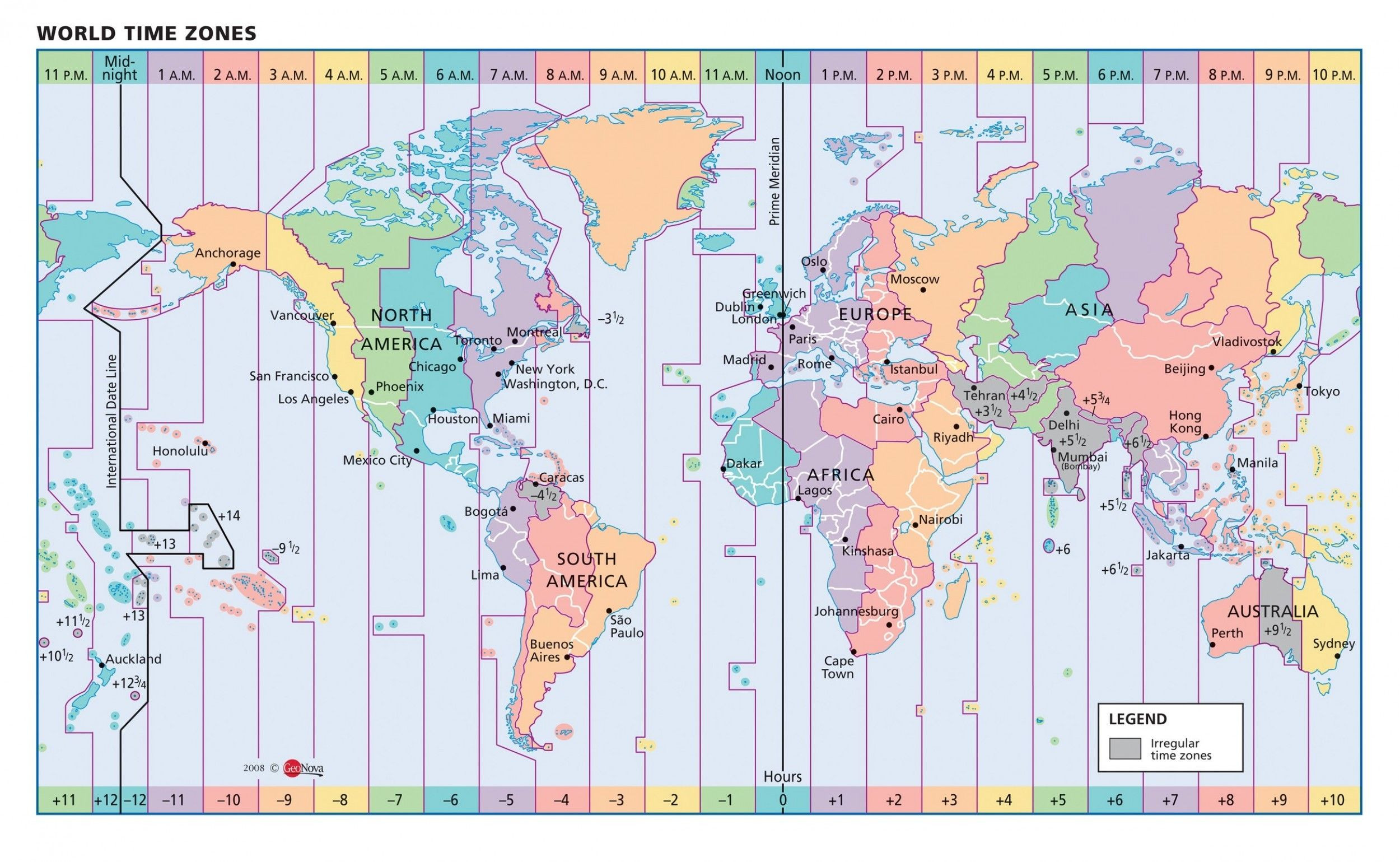
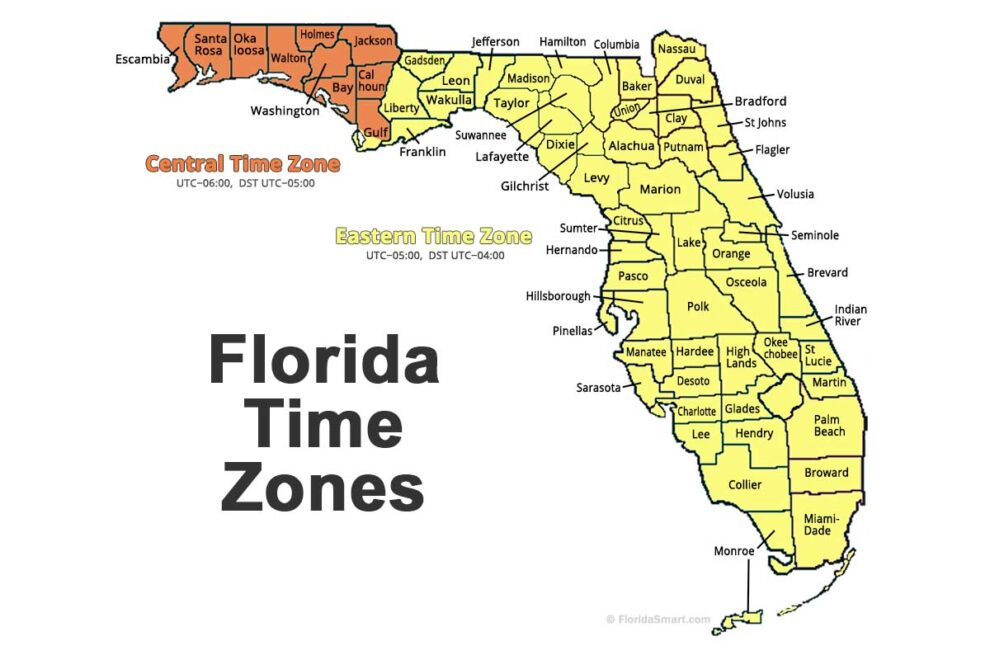
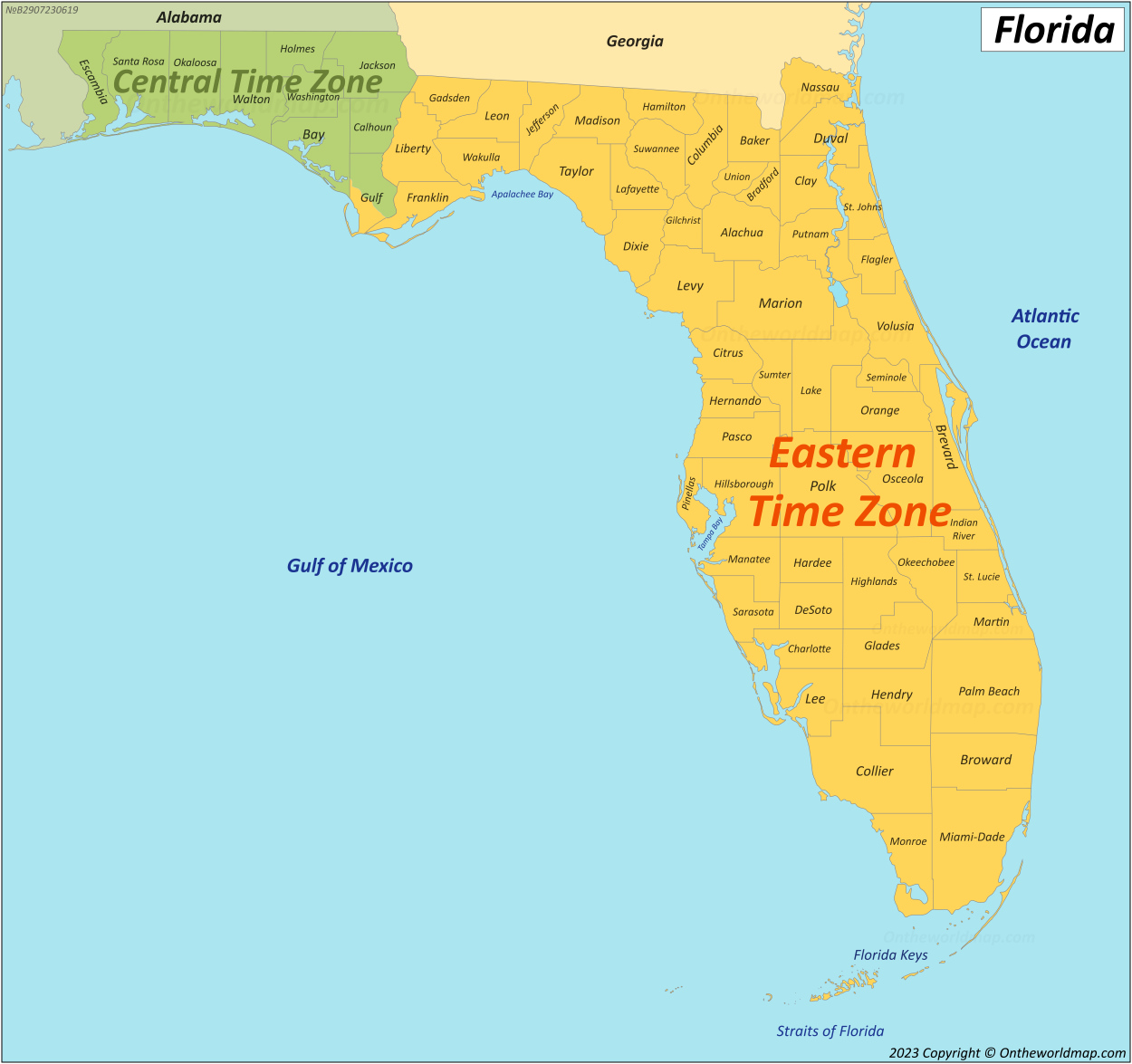
The primary time zone observed in Miami is the Eastern Time Zone. This zone covers a significant portion of the eastern United States, from Maine in the north down to Florida in the south. However, within the Eastern Time Zone, there are two distinct designations that dictate the actual clock time: Eastern Standard Time (EST) and Eastern Daylight Time (EDT).
Eastern Standard Time (EST)
During the fall and winter months, specifically from early November to mid-March, Miami observes Eastern Standard Time (EST). EST is UTC-5, meaning it is five hours behind Coordinated Universal Time (UTC). When it’s noon UTC, it is 7 AM EST in Miami. This period is characterized by shorter daylight hours, and the standard time ensures that the sun is generally higher in the sky during waking hours. For travelers arriving during this period, it’s important to factor in this time difference when connecting with people in other parts of the world, particularly those in Europe or Asia.
Eastern Daylight Time (EDT)
As spring arrives and daylight hours begin to lengthen, Miami, like most of the Eastern Time Zone, transitions to Eastern Daylight Time (EDT). This transition, known as Daylight Saving Time, typically occurs on the second Sunday in March and concludes on the first Sunday in November. EDT is UTC-4, meaning it is four hours behind UTC. During EDT, clocks are moved forward by one hour. This shift is intended to make better use of daylight during the warmer months, extending daylight into the evening hours. For tourists exploring the vibrant nightlife or enjoying the Miami beaches after sunset, the longer evenings afforded by EDT can be a welcome change.
The switch between EST and EDT can sometimes cause confusion for travelers, especially those accustomed to regions that do not observe Daylight Saving Time. It is always advisable to double-check the current time and whether Daylight Saving Time is in effect for Miami as your travel dates approach. Many travel websites and mobile applications automatically adjust for these changes, but understanding the underlying principle is beneficial.
Practical Implications of Miami’s Time Zone
The time zone in Miami has several practical implications for visitors and residents alike, affecting everything from travel logistics to daily routines and the experience of exploring its rich culture.
Travel Planning and Flight Schedules
The most immediate impact of Miami’s time zone is on travel planning. Flight schedules are meticulously coordinated using time zones. When booking a flight to Miami International Airport or Fort Lauderdale-Hollywood International Airport, the departure and arrival times are always listed in the local time of the respective airports. This means if you are flying from Los Angeles (which observes Pacific Time), you will gain three hours upon arrival in Miami. Conversely, flying from London, you will typically arrive at a later local time than the flight duration might suggest due to the significant time difference. Understanding this when booking can help manage expectations and avoid any last-minute confusion.
When comparing flight prices or looking at accommodation availability, ensure that the times displayed are consistently in Miami’s local time. Many booking platforms offer the option to view times in your local zone, which can be a useful tool for seamless planning.
Coordinating Activities and Tours
Miami offers a plethora of activities, from exploring the art deco architecture of South Beach to visiting the Vizcaya Museum and Gardens or taking a boat tour of Biscayne Bay. When booking tours or making dinner reservations, adherence to the local time is paramount. A 7 PM dinner reservation in Miami is different from a 7 PM reservation in New York City, for instance.
For those interested in experiencing the local culture, understanding the pace of life influenced by daylight hours is also key. Morning yoga sessions on the Miami Beach might start earlier in EDT to catch the sunrise, while evening events might extend later into the night. If you are coordinating with local guides or tour operators, always confirm the meeting times in Miami’s local time.
Business and Communication
For business travelers or those with international connections, staying abreast of the time zone is critical for effective communication. Miami’s position as a gateway to Latin America means many business dealings involve partners in countries with different time zones. For instance, a call scheduled for 10 AM EST in Miami would be 4 PM in Berlin (during its standard time) or 7 AM in Los Angeles.
When scheduling meetings, calls, or sending emails, it’s good practice to specify the time zone. For example, “Meeting at 2 PM EST” or “Call at 9 AM EDT.” This eliminates ambiguity and ensures that all parties are synchronized, whether they are located in Florida, across the United States, or internationally.
Exploring Miami’s Landmarks and Lifestyle Across Time
Miami is a city that truly comes alive at different hours, and its time zone plays a role in shaping these experiences. From the early morning buzz of the Everglades National Park to the late-night glamour of its renowned nightlife, understanding the local time helps you maximize your exploration.
Daytime Delights and Evening Enchantment
During the day, whether it’s exploring the vibrant art scene in the Wynwood Walls district, relaxing on the pristine sands of South Beach, or visiting historical sites like the Little Havana neighborhood, the daylight hours are for soaking in the Miami sun and its many attractions. As the sun begins to set, the city transforms. The iconic Art Deco Historic District glows under artificial light, restaurants in areas like Brickell become lively hubs, and the music scene in clubs and bars kicks into high gear.
The transition to EDT in spring and summer means that evenings remain bright and warm for longer, encouraging outdoor dining, leisurely strolls along the Miami Riverwalk, and enjoying the vibrant atmosphere that the city is famous for. Conversely, during EST, the evenings draw in earlier, perhaps lending themselves to cozy dinners or indoor entertainment.
Adapting to Time Zone Differences
For international travelers, adapting to the time difference is part of the adventure. Jet lag is a common concern, and understanding how many hours you’ve crossed can help in managing its effects. Spending time outdoors in natural sunlight upon arrival, especially during the early part of your stay, is a well-known strategy to help your body adjust to the local time.
When planning your itinerary, consider the optimal times for certain activities. For instance, early morning is ideal for wildlife spotting in the Everglades, while late afternoon might offer the best light for architectural photography in Coral Gables.
Lifestyle and Local Rhythms
Miami’s lifestyle is deeply intertwined with its climate and its time zone. The city is known for its energetic pace, and while business hours are generally standard, social life often extends well into the night, especially during the warmer months. Whether you’re on a luxury escape, a budget-friendly adventure, or a family trip, aligning your activities with the local time will enhance your experience.
For those considering a long-term stay or looking for accommodation beyond a typical hotel, understanding how the city operates on a daily basis, including its temporal rhythms, is important. From the opening hours of local markets to the schedules of public transportation, the time zone is a subtle yet ever-present factor.
In conclusion, the time zone in Miami is a straightforward aspect of its geography, operating under the Eastern Time Zone with shifts for Daylight Saving Time (EST and EDT). However, its implications are far-reaching, impacting every facet of a visitor’s journey, from the initial booking of a flight to the final moments of enjoying a late-night dining experience. By understanding and accounting for Miami’s temporal landscape, travelers can ensure a smoother, more enjoyable, and perfectly timed exploration of this dynamic South Florida metropolis.