
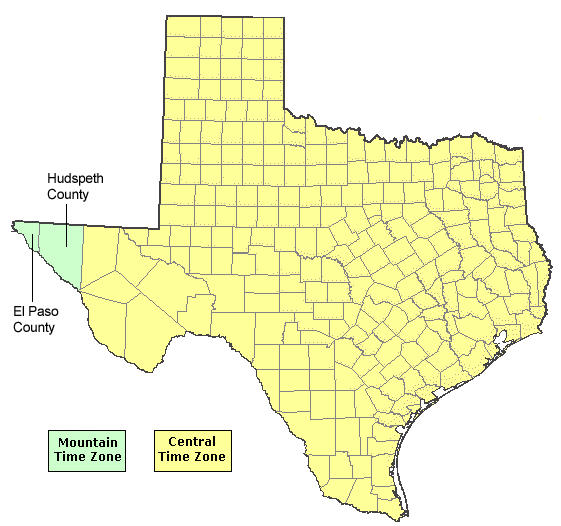
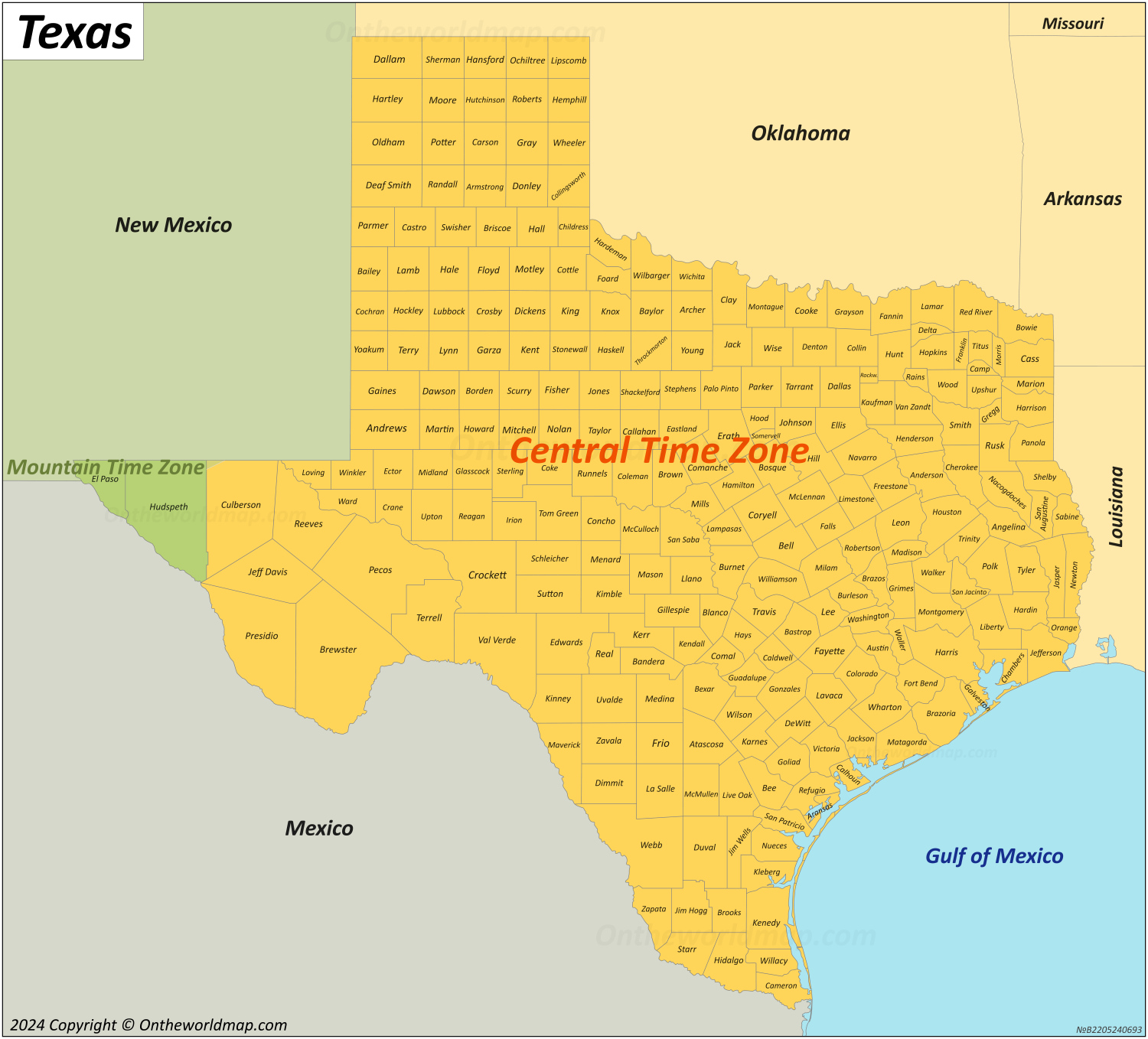
When planning a trip to the vast and diverse state of Texas, understanding its time zone is a fundamental, albeit often overlooked, aspect of seamless travel. Far from being a uniform entity, Texas, due to its immense size, straddles two distinct time zones. The overwhelming majority of the state operates on Central Standard Time (CST), which observes UTC-06:00 during standard time and UTC-05:00 during Daylight Saving Time. However, a significant portion of its westernmost reaches, particularly the city of El Paso and the surrounding Trans-Pecos region, adheres to Mountain Standard Time (MST), observing UTC-07:00 during standard time and UTC-06:00 during daylight saving. This unique geographical split means that travelers traversing the Lone Star State, especially those journeying from east to west or vice-versa, must factor in a potential one-hour time difference that can impact everything from flight schedules to dinner reservations and the opening hours of cherished landmarks.
For those embarking on a comprehensive Texas adventure, gaining clarity on these time distinctions is crucial for smooth logistics and an enjoyable experience. Whether you’re heading to the bustling metropolises of Houston and Dallas, soaking in the vibrant culture of Austin, exploring the historic sites of San Antonio, or venturing into the rugged beauty of Big Bend National Park, a little foresight regarding the clock will ensure your journey remains perfectly synchronized. This guide will delve into the specifics of Texas’ time zones, offering insights for planning your travel, selecting accommodation, and maximizing your tourism experiences across this magnificent state.
The Dominant Rhythm: Central Standard Time in Texas
The vast majority of Texas, encompassing its most populous cities and iconic destinations, falls within the Central Time Zone. This means that for most visitors, their watches will align with Central Standard Time (CST) during the fall and winter months, and Central Daylight Time (CDT) from spring through summer. This is the rhythm that drives daily life, business, and leisure across roughly 85% of the state’s sprawling landmass.
Major Cities and Their CST Rhythm
The heart of Texas’s tourism and economic activity beats to the tune of Central Standard Time. Cities like Houston, a global hub for energy and aerospace, are bustling with activity from dawn to dusk, all within CST. Visitors to Space Center Houston will find its doors opening and closing according to this schedule, as will those exploring the city’s diverse culinary scene or enjoying a performance at one of its many arts venues.
Similarly, Dallas and its sister city, Fort Worth, operate strictly on CST. The sophisticated Dallas Arts District, the historic Sixth Floor Museum, and the iconic Southfork Ranch all adhere to this primary time zone. For business travelers, understanding this uniformity across the major financial centers is crucial for scheduling meetings and coordinating logistics. Hotels like the luxurious Omni Dallas Hotel will set their check-in and check-out times in accordance with CST, simplifying accommodation arrangements for visitors.
The vibrant capital city of Austin, renowned for its live music, technological innovation, and outdoor activities, also operates entirely within CST. Whether you’re planning a visit to the State Capitol, a refreshing dip in Barton Springs Pool, or a night out experiencing the city’s legendary music scene, all times will be consistent with Central Time. Accommodation options range from boutique stays to upscale resorts like the Four Seasons Hotel Austin, all of which align their services with the local CST clock.

Further south, the historically rich city of San Antonio – home to the revered Alamo and the enchanting San Antonio Riverwalk – likewise functions entirely on CST. When planning your visit to these iconic landmarks or enjoying a leisurely boat ride along the Riverwalk, you can rest assured that your schedule aligns with the majority of the state. Many resorts and hotels such as the Hyatt Regency San Antonio Riverwalk cater to a constant flow of tourists, ensuring their services, from dining to spa treatments, are always in sync with the local Central Time Zone.
Planning Your Trip Around CST
For travelers arriving in Texas from different time zones within the United States or internationally, adjusting to Central Standard Time is usually the primary consideration. Most flights into Dallas/Fort Worth International Airport (DFW) or George Bush Intercontinental Airport (IAH) will operate on CST, making initial arrival adjustments straightforward.
When booking tours, restaurant reservations, or show tickets in any of these major Texas cities, always confirm the times are in CST. This is generally the default, but a quick check can prevent any confusion. For those undertaking a lifestyle trip focused on local culture, keep in mind that many popular attractions and eateries often have extended hours, especially on weekends, allowing flexibility in your planning, but these hours will consistently be expressed in CST. Road trips within the CST portion of Texas are seamless, with no time changes to worry about, allowing you to focus on the scenic routes and diverse attractions without a glance at your watch for time adjustments.
The Western Exception: Mountain Standard Time
While Central Standard Time governs most of Texas, the far western sliver of the state adheres to Mountain Standard Time (MST). This includes El Paso County and Hudspeth County, as well as a few other sparsely populated areas to their east, effectively placing them one hour behind the rest of Texas. This geographical peculiarity dates back to the early 20th century when the Interstate Commerce Commission designated time zones based on railway operations, placing El Paso within the Mountain Time Zone alongside neighboring New Mexico.
El Paso and Its Unique Position
The vibrant city of El Paso, perched on the border with Mexico and New Mexico, is the largest Texas city that operates on Mountain Standard Time. This distinct time zone creates a fascinating dynamic, particularly for those traveling across the state. When it’s 3:00 PM in Dallas, it’s only 2:00 PM in El Paso. This hour difference impacts local businesses, public services, and daily life.
For visitors, understanding El Paso’s MST status is essential. If you’re flying into El Paso International Airport from an airport in Central Standard Time, remember that you will “gain” an hour upon arrival. Conversely, departing El Paso for a CST city means you will “lose” an hour. This impacts connecting flights and ground transportation schedules.
The city itself offers a rich tapestry of local culture, a blend of American and Mexican influences. Attractions like Franklin Mountains State Park, the Mission Trail, and the vibrant downtown area all operate according to MST. Accommodation providers, from budget-friendly hotels to upscale stays, will base their schedules on this local time, so check-in and check-out times should always be interpreted in MST.
Exploring West Texas and MST Considerations
Beyond El Paso, the expansive Trans-Pecos region of West Texas is home to some of the state’s most breathtaking natural landmarks, including the aforementioned Big Bend National Park and Guadalupe Mountains National Park. While Big Bend National Park officially observes Central Standard Time, its remote location means that many nearby towns, particularly those west of the Pecos River, align more closely with Mountain Time in practice or offer flexible operating hours. This can lead to some confusion for travelers, so it’s always advisable to verify local times for specific attractions or accommodations in this rugged Big Bend Region.
For instance, towns like Van Horn technically fall within the Central Time Zone, but their proximity to El Paso means that some local businesses might operate on a hybrid schedule or simply align with their Mountain Time neighbors. This is a crucial point for road trippers planning stops for food, gas, or an overnight stay in this vast and sparsely populated part of the Chihuahua Desert. Always confirm hours of operation with a local call or a quick online search before making definitive plans.
Navigating Time Zones for Travelers
The dual time zones in Texas add an interesting layer to travel planning. While it might seem like a minor detail, mismanaging the time change can lead to missed appointments, delayed arrivals, or even complications with accommodation bookings. However, with a bit of awareness, travelers can navigate this effortlessly.
Practical Tips for Cross-State Journeys
- Be Aware of the Border: The change from Central Standard Time to Mountain Standard Time occurs as you travel west from the vicinity of Fort Stockton and towns like Pecos. If driving, keep an eye on road signs or GPS notifications that indicate a time zone change. Your smartphone will typically update automatically, but it’s good to have a manual awareness.
- Verify All Bookings: When booking flights, hotels, tours, or events, especially those in or near El Paso or the Trans-Pecos region, double-check if the times are specified in local time or if there’s any ambiguity. Most reputable booking platforms will show local times, but it never hurts to confirm.
- Allow Buffer Time: If you’re driving from, say, Midland (CST) to El Paso (MST) for a specific appointment, build in an extra hour of buffer. Not only will you account for the time change, but you’ll also have more leeway for unexpected delays on the road.
- Embrace the Extra Hour (or Plan for the Loss): For eastward journeys from El Paso into CST, remember you’ll “lose” an hour, so plan accordingly to avoid missing morning activities or check-out times. Traveling west into El Paso “gains” you an hour, which can be a pleasant bonus for evening plans.
Business vs. Leisure Travel Implications
The implications of Texas’ time zones can differ significantly based on the purpose of your travel.
For business travelers, precision is paramount. Coordinating calls, virtual meetings, or in-person appointments between offices in Houston or Dallas and partners in El Paso requires strict adherence to the respective time zones. A 9:00 AM meeting in Dallas will mean a 8:00 AM start for colleagues in El Paso. For those frequently traveling across the Continental United States, Texas’s dual zones are just another calculation in a complex itinerary. Utilizing online scheduling tools that automatically adjust for time zones is highly recommended.
For leisure travelers, the impact is often more relaxed, though equally important. A family trip from Austin to Big Bend National Park will technically remain in CST, but if you extend your journey to El Paso for its unique cultural experience, remembering the time change becomes vital for sightseeing tours or dinner reservations. Accommodation providers, from charming boutique hotels in Austin like The Driskill to modern resorts in San Antonio such as JW Marriott San Antonio Hill Country Resort & Spa, will all operate on CST. Conversely, hotels in El Paso will follow MST. Budget travel or luxury travel, the fundamental timekeeping rules apply universally, ensuring you maximize your time enjoying Texas’ many attractions.
Beyond the Clock: Embracing Texas Culture and Time
Ultimately, understanding the time zones in Texas is more than just knowing what time it is; it’s about appreciating the sheer scale and diversity of the state. From the deep East Texas pines to the high desert mountains of the west, the subtle shift in time zones reflects geographical realities and historical decisions. This vastness contributes to the unique lifestyle and local culture that makes Texas such a compelling destination.
Whether you’re exploring the bustling downtown of Houston with its impressive skyscrapers and diverse food scene, visiting the historic Stockyards National Historic District in Fort Worth, or stargazing under the clear skies near Big Bend National Park, the time zone subtly dictates the rhythm of your day. For example, a sunset view from a West Texas mountain will be an hour later than a sunset over a Central Texas lake, offering extended daylight hours for outdoor activities in the west during summer months.
The experience of traveling through Texas is one of discovery and grand scale. The time zone nuances simply add another layer to this rich tapestry. By being informed and planning accordingly, visitors can ensure their focus remains on soaking in the unique charm, history, and vibrant lifestyle that makes Texas an unforgettable destination. So, set your watch, or let your smartphone do it for you, and dive into the adventure that awaits in the Lone Star State, knowing you’re always on Texas time.