
California, the Golden State, is a land of diverse landscapes, vibrant cities, and unparalleled experiences, drawing millions of travelers from across the globe each year. From the sun-drenched beaches of Southern California to the majestic redwoods of the north, and from the bustling urban centers of Los Angeles and San Francisco to the serene vineyards of Napa Valley, there’s an adventure for every kind of explorer. However, before embarking on your Californian journey, one fundamental piece of information is crucial for seamless planning and execution: understanding its time zone.
The entire state of California operates under a single time zone, simplifying logistics for visitors traveling within its borders. This unified approach eliminates the need to constantly adjust watches or devices as you traverse its vast and varied regions. Yet, like many parts of the United States and other countries, California observes Daylight Saving Time, meaning its official time designation shifts with the seasons. For travelers, grasping these nuances is not just about knowing the current time; it’s about optimizing itineraries, coordinating bookings, managing communication, and ultimately, enhancing the overall travel experience. Whether you’re planning a business trip, a family vacation to Disneyland Resort, a romantic getaway to Big Sur, or an extensive tour of California’s iconic landmarks, understanding the state’s time zone is your first step towards a perfectly timed adventure.
Understanding California’s Time Zone: PST and PDT
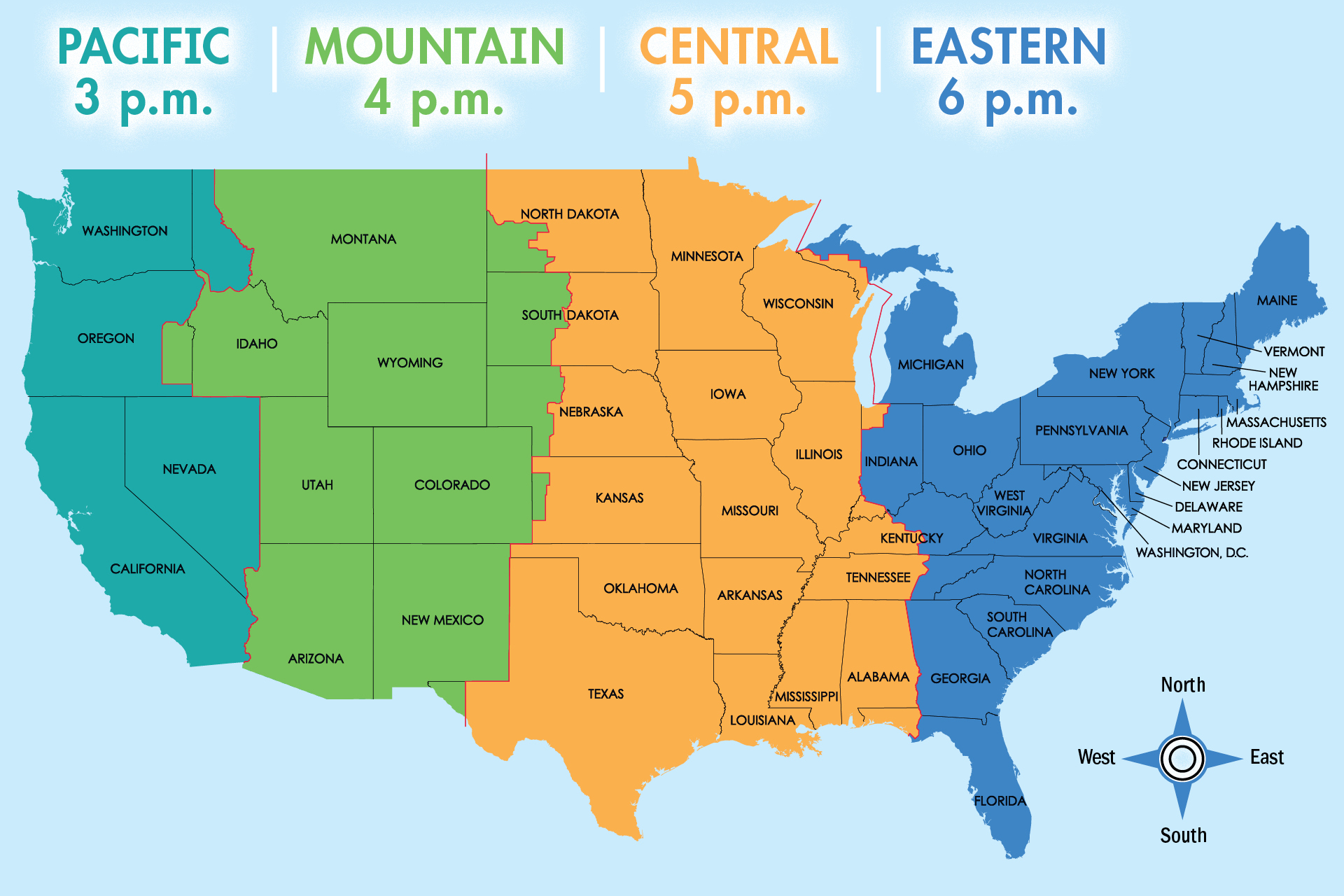
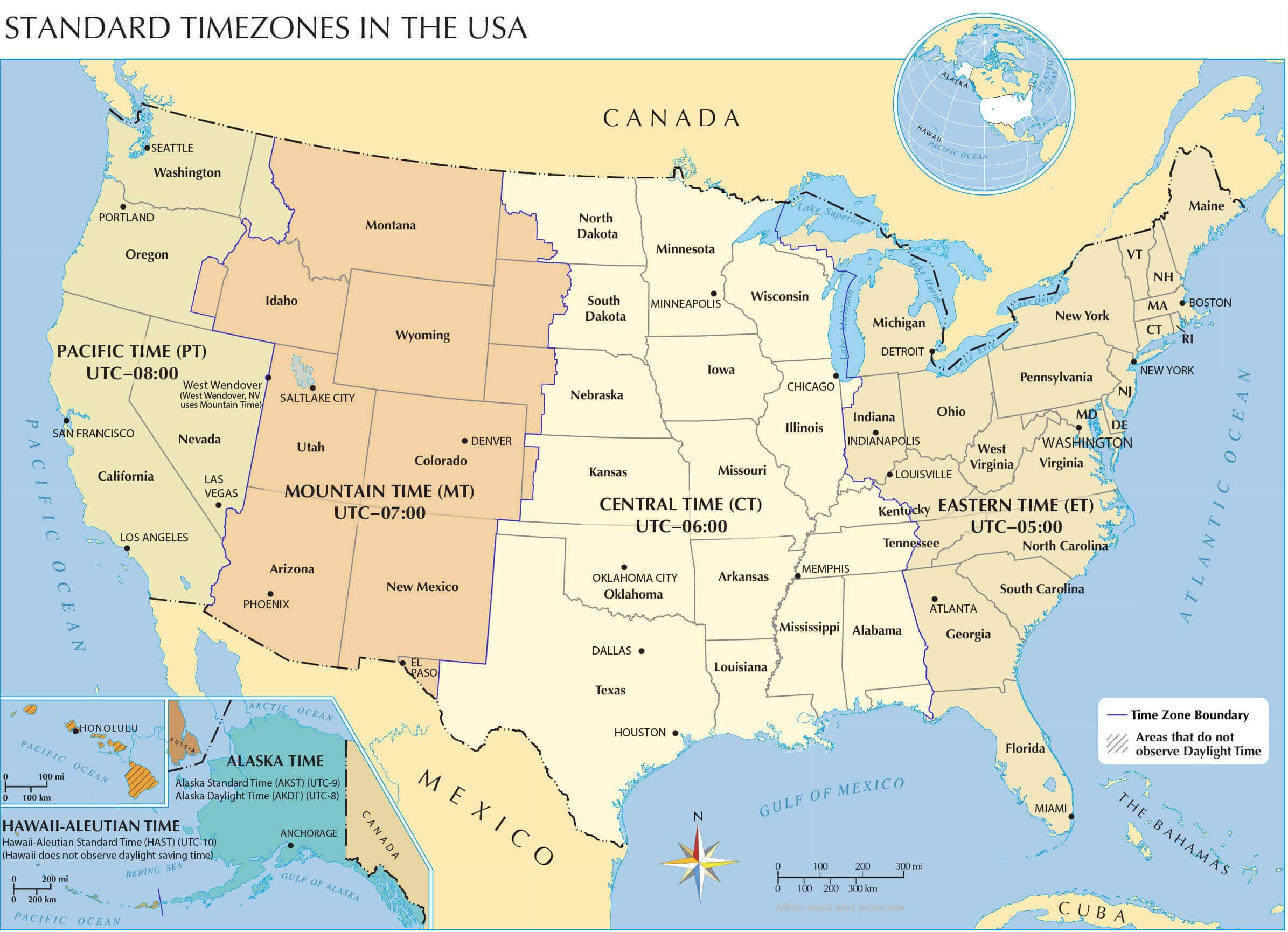
California adheres to the Pacific Time Zone, a standard that governs the westernmost contiguous states of the United States. This zone is defined by two primary designations: Pacific Standard Time (PST) and Pacific Daylight Time (PDT).
The Basics: Pacific Standard Time (PST)
Pacific Standard Time (PST) is observed during the fall and winter months. It is officially designated as UTC-8, meaning it is eight hours behind Coordinated Universal Time. For much of the year, typically from early November until mid-March, this is the time zone you will encounter when visiting California. During this period, when the sun sets earlier and rises later, PST aligns with the natural rhythm of shorter daylight hours. For instance, if it’s 12:00 PM PST in Los Angeles, it would be 3:00 PM Eastern Standard Time (EST) in New York City and 8:00 PM Greenwich Mean Time (GMT) in London. This differential is crucial for travelers arriving from different parts of the world, especially when scheduling airport pickups, checking into hotels, or confirming reservation times for attractions like Universal Studios Hollywood.
Embracing Daylight Saving: Pacific Daylight Time (PDT)
As spring approaches, California, along with most of the United States, transitions to Pacific Daylight Time (PDT). This shift typically occurs on the second Sunday in March, when clocks “spring forward” by one hour. PDT is UTC-7, making it seven hours behind Coordinated Universal Time. This adjustment effectively moves an hour of daylight from the morning to the evening, providing longer daylight hours for outdoor activities and evening entertainment during the warmer months. The transition back to PST happens on the first Sunday in November, when clocks “fall back” an hour.
For travelers, the switch to PDT means that sunset will occur later in the evening, offering extended opportunities to explore San Francisco’s iconic Golden Gate Bridge, enjoy a leisurely dinner in Napa Valley, or take an evening stroll along the Santa Monica Pier. Knowing whether your visit falls within PST or PDT is essential for accurate itinerary planning, particularly if you are coordinating with individuals in other time zones or managing appointments that span the Daylight Saving transition dates. Always double-check flight times, reservation confirmations, and hotel check-in procedures, as these will invariably reflect the local time zone in effect.
Navigating Travel and Tourism in the Golden State
The time zone in California has practical implications for every aspect of your travel and tourism experience. From the moment you book your flight to the last souvenir you purchase, time dictates the flow of your journey.
Planning Your Itinerary: Flights, Tours, and Attractions
When planning a trip to California, one of the first things to consider is the time difference, especially if you’re traveling from the East Coast of the United States or international destinations like Europe or Asia. A three-hour difference from EST means a morning flight departure from New York City will land you in Los Angeles in what feels like late afternoon, potentially limiting your activities on arrival day. Conversely, if you’re arriving from Japan, the time difference could be 16 hours or more, demanding significant adjustment.
This is critical when booking flights and connecting services. Many travelers opt for overnight flights (red-eyes) from the East to maximize their first day in California, or choose flights that land mid-morning to allow for sufficient time to settle in before dinner. Researching local opening and closing times for popular attractions such as Yosemite National Park, Alcatraz Island, or theme parks like Disneyland Resort is also paramount. Their operating hours will always be listed in PST or PDT, and a miscalculation could lead to missed opportunities or unexpected delays. Pre-booking tours and timed entry tickets, common for high-demand sites, requires careful consideration of the local time to ensure punctuality. For those planning a scenic drive along Highway 1 through Big Sur, factoring in sunset times (which vary significantly between PST and PDT) can make all the difference for enjoying breathtaking coastal views.
Accommodation Considerations: Checking In and Out
Accommodation logistics are directly impacted by California’s time zone. Standard check-in times at most hotels, resorts, or apartments typically fall in the mid-afternoon (e.g., 3:00 PM or 4:00 PM local time), with check-out usually in the late morning (e.g., 11:00 AM or 12:00 PM local time). If you’re arriving on an early morning flight after a long journey, an early check-in might be essential. It’s advisable to contact your chosen establishment, whether it’s the luxurious Beverly Wilshire Hotel in Beverly Hills or a charming boutique stay in Carmel-by-the-Sea, in advance to request an early check-in or late check-out, and always confirm these arrangements based on PST/PDT.
Similarly, if you’re coordinating with a property manager for a vacation rental (such as an Airbnb or a villa), understanding the local time is crucial for key exchanges and communication. Booking platforms will generally display times in the local time zone of the property, but a quick double-check can prevent any confusion upon arrival. For extended stays or those considering long-term accommodation, establishing a clear understanding of the time difference with your home base will be vital for managing finances, work, or family commitments.
Local Culture and Activities: Making the Most of Your Days
The time zone influences the rhythm of local life and impacts your ability to fully immerse yourself in California’s local culture. Restaurant reservation times, showtimes for theatrical performances, concert schedules, and even the pace of a typical workday in cities like San Diego or Sacramento are all set according to PST/PDT. Missing a dinner reservation at a coveted Michelin-starred restaurant or a performance at the Walt Disney Concert Hall due to a time zone miscalculation would be a regrettable oversight.
Furthermore, many of California’s most cherished experiences are time-sensitive. Catching the sunset over the Pacific Ocean from Malibu, witnessing the morning mist in Yosemite Valley, or being present for the opening of a farmers’ market in Santa Barbara all require an accurate sense of local time. Engaging with locals, whether for guided tours or casual conversations, is also smoother when you’re attuned to their daily schedule. Embrace the local pace, but always remember to confirm crucial timings based on the current PST or PDT designation.
The Impact of Time Zones on Different Travel Lifestyles
The effects of California’s time zone extend beyond mere scheduling; they deeply influence various lifestyle aspects of travel, from professional obligations to family coordination.
Business Travel: Staying Connected and Productive
For business travelers, understanding California’s time zone is paramount for maintaining productivity and meeting deadlines. A three-hour difference from the East Coast means a 9:00 AM meeting in New York City requires a 6:00 AM start for someone in San Francisco. This can significantly impact work-life balance and may necessitate early mornings or late nights to sync with colleagues in different parts of the United States or internationally. Scheduling conference calls, virtual presentations, and client meetings demands meticulous planning to avoid conflicts. Choosing accommodations like a Hyatt Regency San Francisco with robust Wi-Fi and quiet workspaces becomes even more crucial when working across time zones. Additionally, being aware of peak business hours in California will help you schedule in-person meetings and networking events effectively, leveraging the local pace to your advantage.
Family Trips: Managing Schedules with Little Ones
Family trips to California, whether it’s a visit to Legoland California or a beach holiday in Orange County, present unique challenges when crossing time zones. Children, especially infants and toddlers, are highly sensitive to routine disruptions. A significant time shift can lead to jet lag, affecting sleep patterns, moods, and overall enjoyment. Parents often need to factor in extra time for their children to adjust, gradually shifting meal times and bedtimes in the days leading up to and during the trip. Planning activities around natural sleep cycles, incorporating downtime, and choosing family-friendly resorts with flexible dining options can mitigate these issues. For example, a morning visit to the San Diego Zoo might be followed by an afternoon nap for younger children, allowing them to reset. Being mindful of PST/PDT helps in managing these crucial family routines.
Luxury and Budget Travel: Maximizing Value and Experiences
Both luxury travel and budget travel can be influenced by time zone considerations, albeit in different ways. For luxury travelers, optimizing time means maximizing exclusive experiences. This could involve ensuring a seamless transition from a private jet landing at Santa Monica Airport to a waiting car for immediate transfer to a suite at the Waldorf Astoria Beverly Hills. Coordinated appointments for spa treatments, fine dining, or private tours of Hollywood Walk of Fame require precise timing. A time zone misstep could mean missing a non-refundable reservation for a coveted experience.
Budget travelers, on the other hand, often need to be highly strategic with their time to maximize value. This might involve planning routes to avoid peak traffic hours, which are time-dependent, especially in congested areas like Los Angeles or San Francisco. Public transport schedules, free walking tour times, and happy hour specials at local eateries are all governed by the local clock. Savvy budget travelers leverage daylight hours for free outdoor activities like hiking in Griffith Park or exploring beaches in Laguna Beach, extending their experiences without incurring extra costs. Understanding PST/PDT helps both types of travelers make the most of their precious time in California.
Practical Tips for a Seamless California Experience
Armed with a clear understanding of California’s time zone, you can adopt several strategies to ensure your trip is as smooth and enjoyable as possible.
Beating Jet Lag: Strategies for a Smooth Transition
Jet lag can significantly diminish the enjoyment of your trip, especially if you’re traveling across multiple time zones from places like Europe or Asia. To combat it:
- Adjust Gradually: Before your trip, try to shift your sleep schedule by an hour or two each day to align closer with California time.
- Hydrate: Drink plenty of water before, during, and after your flight to counteract dehydration.
- Embrace Sunlight: Upon arrival, expose yourself to natural light, especially in the morning. Head to the beach in Santa Monica or take a walk in a park in San Francisco.
- Eat Local: Try to eat meals according to the local schedule, even if you’re not hungry. This helps reset your internal clock.
- Limit Caffeine and Alcohol: While tempting, these can interfere with sleep quality.
- Power Naps: If absolutely necessary, limit naps to 20-30 minutes to avoid deeper sleep cycles that can worsen jet lag.
- Stay Active: Gentle exercise can help regulate your sleep cycle. A stroll around Balboa Park in San Diego or exploring Fisherman’s Wharf in San Francisco can be invigorating.

Time Zone Awareness for Cross-Country or International Visitors
For those arriving from other parts of the United States or internationally, continuous time zone awareness is key:
- Update Your Devices: Most smartphones and laptops automatically adjust to the local time zone when they detect a new network. However, always double-check.
- Analog Watch: If you wear an analog watch, remember to manually set it.
- Confirm All Bookings: Always reconfirm flight departure times, hotel check-in/check-out times, tour schedules, and restaurant reservations in local California time (PST or PDT). Many booking confirmations will specify “local time,” but a quick mental calculation based on your origin time can prevent errors.
- Communication: When communicating with friends, family, or colleagues back home, remember to account for the time difference. A call at 9:00 PM PST might be an inconvenient 12:00 AM EST.
- Daylight Saving Dates: Be especially vigilant if your travel dates coincide with the “spring forward” or “fall back” changes in March and November. These shifts can unexpectedly impact flight connections or early morning plans.
- Emergency Contacts: Ensure any emergency contacts or services you might need are aware of your location and the current local time.
In conclusion, while California’s time zone—Pacific Standard Time (PST) and Pacific Daylight Time (PDT)—might seem like a minor detail, it is a foundational element for any successful trip to the Golden State. By understanding its rhythm and preparing accordingly, travelers can unlock a richer, stress-free, and truly memorable California experience, whether they are here for its vibrant cities, stunning natural beauty, or world-class attractions. Enjoy your travels, and may your time in California be perfectly timed!
LifeOutOfTheBox is a participant in the Amazon Services LLC Associates Program, an affiliate advertising program designed to provide a means for sites to earn advertising fees by advertising and linking to Amazon.com. Amazon, the Amazon logo, AmazonSupply, and the AmazonSupply logo are trademarks of Amazon.com, Inc. or its affiliates. As an Amazon Associate we earn affiliate commissions from qualifying purchases.