
Embarking on a journey to the Windy City, whether for a quick business trip or an extended cultural exploration, requires meticulous planning. Among the myriad details to consider – from booking the perfect hotel to sketching out your must-see attractions – one often overlooked yet critically important factor is understanding the local time zone. For travelers hailing from different corners of the globe or even just across the United States, a clear grasp of Chicago’s time zone is paramount for a seamless and stress-free experience. It impacts everything from flight schedules and hotel check-ins to dining reservations, event timings, and even your ability to communicate effectively with those back home. So, let’s dive into the specifics: Chicago operates on the Central Time Zone (CT). This seemingly simple fact holds a wealth of implications for visitors, shaping their daily rhythm and overall itinerary.
Understanding Chicago’s Time Zone: Central Time (CT)
The Central Time Zone, often abbreviated as CT, is one of the six standard time zones observed in the United States and Canada. It is five hours behind Coordinated Universal Time (UTC-5) during Daylight Saving Time and six hours behind (UTC-6) during standard time. Chicago, a bustling metropolis that serves as a vital hub for commerce, culture, and tourism, strictly adheres to this schedule. For the savvy traveler, knowing this isn’t just a trivial detail; it’s a cornerstone of effective trip planning, influencing everything from managing jet lag to ensuring you don’t miss that crucial museum tour or dinner reservation.
Central Standard Time (CST) vs. Central Daylight Time (CDT)
Like many regions across the globe, Chicago observes Daylight Saving Time (DST). This means that the time in Chicago fluctuates between two designations within the Central Time Zone:
- Central Standard Time (CST): This is observed during the cooler months, typically from early November to mid-March. During this period, Chicago is UTC-6.
- Central Daylight Time (CDT): This comes into effect during the warmer months, generally from mid-March to early November. Clocks “spring forward” by one hour, making Chicago UTC-5. This adjustment allows for more daylight in the evenings, a boon for outdoor activities and evening tourism, aligning perfectly with the vibrant summer lifestyle Chicago is known for.
The shift between CST and CDT is a crucial consideration. Travelers arriving during the “spring forward” period might experience a slight jolt as they lose an hour, potentially impacting their initial sleep cycle. Conversely, the “fall back” period grants an extra hour, which can be a welcome buffer for early morning flights or simply an extended lie-in. Always confirm whether your visit falls within CST or CDT to correctly plan your daily schedule, especially for events with fixed start times or tours that depart promptly. Many online travel guides and smartphone apps automatically adjust for DST, but a manual check can prevent unexpected surprises.
Geographic Context: How CT Relates to Other US Time Zones
Understanding Chicago’s time zone becomes even clearer when you place it in the broader geographical context of the United States. The Central Time Zone acts as a bridge between the Eastern Time Zone (ET) to its east and the Mountain Time Zone (MT) and Pacific Time Zone (PT) to its west.
- Eastern Time Zone (ET): Chicago is one hour behind ET. This means that when it’s 10:00 AM in New York or Miami, it’s 9:00 AM in Chicago. This difference is important for business travelers coordinating with colleagues on the East Coast or for leisure travelers calling friends and family. States fully within or partially observing ET include Florida, Georgia, Ohio, and most of the Northeast.
- Mountain Time Zone (MT): Chicago is one hour ahead of MT. So, when it’s 9:00 AM in Denver, it’s 10:00 AM in Chicago. This impacts travel to states like Colorado, Arizona, and Montana.
- Pacific Time Zone (PT): Chicago is two hours ahead of PT. A 10:00 AM start in Chicago means it’s still 8:00 AM in Los Angeles or San Francisco. This time difference is significant for cross-country flights and coordinating with West Coast connections.
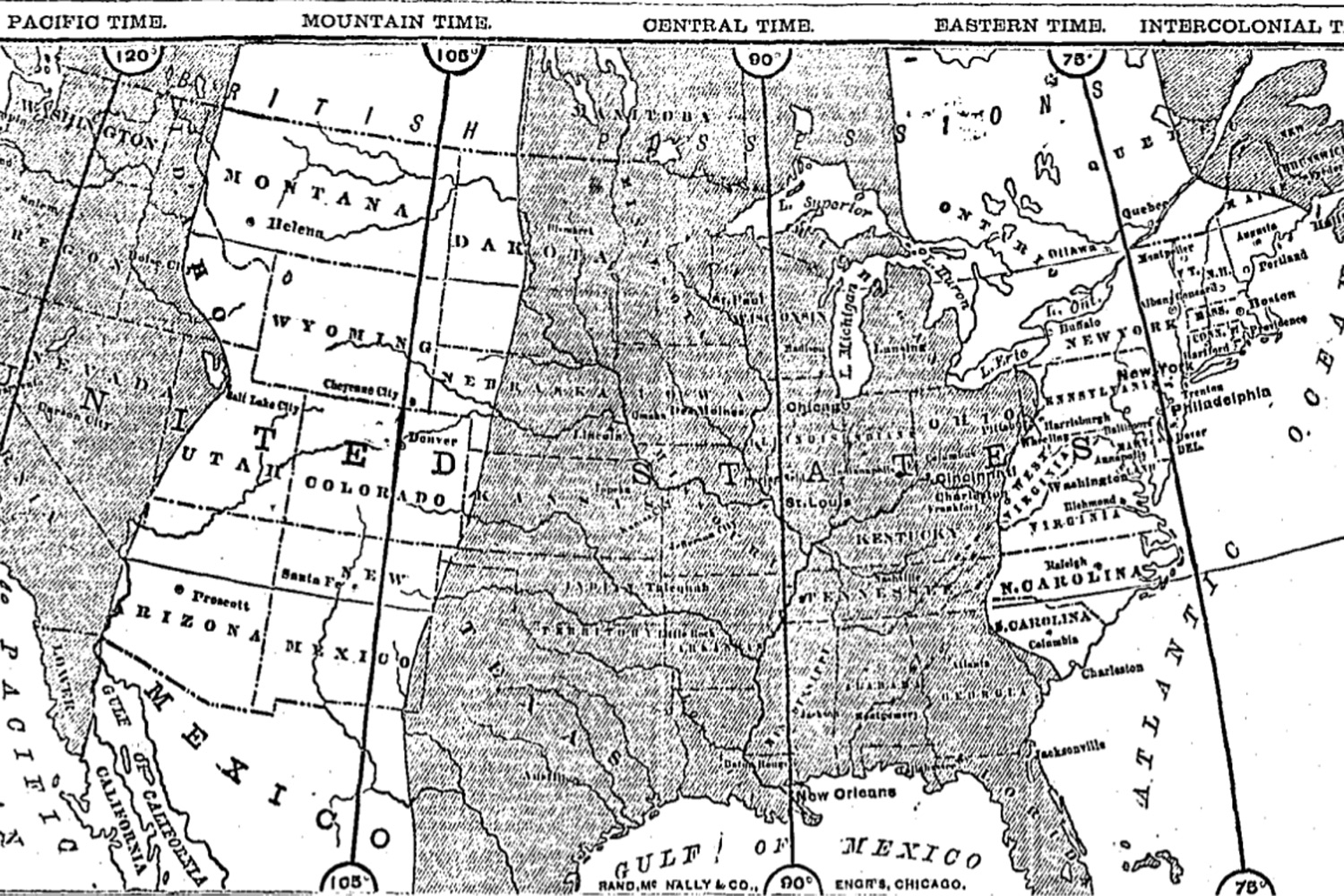
Beyond these, the Central Time Zone encompasses a vast swathe of the central United States, including states such as Illinois, Wisconsin, Missouri, Iowa, Minnesota, Arkansas, Louisiana, Mississippi, Alabama, Kansas, Nebraska, Oklahoma, and Texas, as well as significant portions of Indiana, Kentucky, Tennessee, and the western part of Michigan. This extensive geographical spread means that many domestic travelers will find themselves within a familiar time frame, but those crossing multiple time zones will need to adjust.
Navigating Travel and Tourism with Chicago’s Time Zone
For any traveler, especially those venturing from international destinations like London, Paris, or Tokyo, a solid understanding of Chicago’s time zone is the first step towards a smooth itinerary. It directly impacts your travel logistics, your ability to experience local attractions, and your overall well-being.
Planning Your Arrival and Departure
One of the most critical aspects of travel planning revolves around arrival and departure times. Mistakes in time zone calculations can lead to missed flights, delayed train connections, or late check-ins.
- Flights: Chicago is home to two major airports: O’Hare International Airport (ORD) and Midway International Airport (MDW). All flight times for these airports are listed in Central Time. When booking flights from different time zones, always ensure you’re converting correctly. A flight departing Los Angeles at 8:00 AM PT will arrive in Chicago at 2:00 PM CT (a 4-hour flight + 2-hour time difference). Double-check your itinerary’s arrival and departure times in local time to avoid any confusion.
- Trains and Buses: For travelers utilizing Amtrak or intercity bus services, the same principle applies. Schedules are published in local time for each station. Confirming the time zone for each leg of your journey is essential, especially when crossing into or out of the Central Time Zone.
- Hotel Check-in/Check-out: Most hotels, from luxury establishments like The Langham Chicago and Four Seasons Hotel Chicago to more budget-friendly options, adhere to standard check-in and check-out times, typically around 3:00 PM and 11:00 AM or 12:00 PM local time. If you’re arriving early morning from a different time zone, consider booking an extra night or arranging for an early check-in to avoid waiting in the lobby with your luggage after a long journey. Conversely, if you have a late departure, inquire about late check-out options or luggage storage.
Maximizing Your Stay: Attractions, Dining, and Events
Chicago’s vibrant cultural scene and iconic landmarks operate strictly by Central Time. Ignoring this can lead to missed opportunities or inconvenient waits.
- Attraction Operating Hours: Whether you plan to marvel at “The Bean” in Millennium Park, explore masterpieces at the Art Institute of Chicago, take a ride on the Centennial Wheel at Navy Pier, discover ancient wonders at the Field Museum, gaze at marine life at the Shedd Aquarium, or take in breathtaking views from Skydeck Chicago atop the Willis Tower, always verify their opening and closing times in local Chicago time. Some attractions, especially museums, might have varied hours on different days of the week or seasonal adjustments, making checking their official websites essential.
- Dining Reservations: Chicago is a culinary paradise, from deep-dish pizza joints to Michelin-starred restaurants. Making reservations, especially for popular spots during peak hours, is highly recommended. Ensure your reservation times align with your actual arrival and local time to avoid confusion or losing your table. Many high-demand restaurants, particularly those popular in areas like the West Loop or River North, are strict about punctuality.
- Sporting Events and Concerts: Catching a Chicago Cubs game at historic Wrigley Field, cheering on the Chicago White Sox at Guaranteed Rate Field, or watching the Chicago Bears at Soldier Field are quintessential Chicago experiences. Likewise, the city hosts numerous concerts and theatrical performances. All listed start times for these events are in Central Time. Arrive early to account for security, finding your seat, and soaking in the pre-show atmosphere.

Accommodation and Lifestyle: Adapting to Chicago Time
Beyond the practicalities of scheduling, the Central Time Zone also influences your personal comfort and ability to fully immerse yourself in the Chicago lifestyle. Adjusting your body clock and understanding local customs around time are key to an enjoyable trip.
Hotel Stays and Business Travel
For those on business trips, time zone differences can be particularly challenging. Coordinating with colleagues in different parts of the country or even internationally requires careful planning. A 9:00 AM meeting in New York means an 8:00 AM start in Chicago, while a 5:00 PM conference call with London might stretch late into the evening for a Chicago-based traveler.
- Communication: Always specify the time zone when scheduling calls or meetings across different regions. “3 PM CT” is much clearer than just “3 PM.”
- Hotel Amenities: Many high-end hotels, such as the luxurious Waldorf Astoria Chicago, offer amenities designed to assist business travelers and those adjusting to time differences. These might include reliable wake-up call services, in-room clocks with multiple time zone displays, and 24-hour fitness centers to help maintain routine. They also often provide comfortable, quiet environments conducive to focused work and restful sleep, essential for productivity when traveling.
- Long-Term Stays: For those considering extended stays, perhaps in serviced apartments or boutique hotels, fully embracing the local time zone from day one is crucial for establishing a new routine, whether it’s for work, study, or simply enjoying the city’s rhythms.
Beating Jet Lag and Embracing the Local Rhythm
Perhaps the most significant personal impact of time zones, especially for international travelers, is jet lag. Arriving in Chicago from Europe or Asia means your internal clock will be several hours out of sync.
- Tips for Adjustment:
- Hydrate: Drink plenty of water before, during, and after your flight to combat dehydration, which can worsen jet lag symptoms.
- Adjust Sleep Gradually: Try to shift your sleep schedule by an hour or two each day in the days leading up to your trip.
- Embrace Daylight: Once in Chicago, spend time outdoors in natural light, especially in the morning. This helps reset your circadian rhythm.
- Avoid Naps (Initially): While tempting, long naps upon arrival can prolong the adjustment period. Try to stay awake until the local bedtime.
- Light Meals: Stick to lighter meals and avoid excessive caffeine or alcohol, especially close to bedtime.
- Embracing the Local Flow: Once you’ve adjusted, you’ll find Chicago’s daily rhythm quite engaging. Mornings often start with bustling commuters and the aroma of coffee from countless cafes. Lunchtime sees a flurry of activity in the Loop and other business districts. Evenings are vibrant, with theaters filling up, restaurants buzzing, and the city’s famous nightlife coming alive. For family trips, understanding the local rhythm is essential for managing children’s sleep schedules and ensuring they get enough rest to enjoy the day’s adventures.
In conclusion, while “What is the time zone of Chicago?” might seem like a simple question, its answer – Central Time (CT), shifting between CST and CDT – holds profound implications for every aspect of your visit. From orchestrating smooth travel logistics and maximizing your time at world-class attractions to seamlessly integrating into the local lifestyle and mitigating the effects of jet lag, a mindful approach to time zone differences is your secret weapon for an unforgettable Chicago experience. So, set your watch, plan wisely, and prepare to discover the wonders of the Windy City on its own captivating schedule.
LifeOutOfTheBox is a participant in the Amazon Services LLC Associates Program, an affiliate advertising program designed to provide a means for sites to earn advertising fees by advertising and linking to Amazon.com. Amazon, the Amazon logo, AmazonSupply, and the AmazonSupply logo are trademarks of Amazon.com, Inc. or its affiliates. As an Amazon Associate we earn affiliate commissions from qualifying purchases.