
Navigating the expansive United States, particularly a state as vast and diverse as Texas, often presents unique considerations for travelers, residents, and businesses alike. One such consideration, often overlooked until it causes a minor hiccup in an itinerary, is time zones. While many states operate on a single time zone, Texas, with its immense geographical spread from the piney woods of the east to the high deserts of the west, actually encompasses two distinct time zones. Understanding these time zones is crucial for seamless travel planning, effective communication, and making the most of your tourism and lifestyle experiences across the Lone Star State. From booking hotels and coordinating tours to simply arriving on time for a business meeting or a dinner reservation, a clear grasp of Texas’s temporal divisions will undoubtedly enhance your journey.
Understanding Texas’s Dual Time Zones
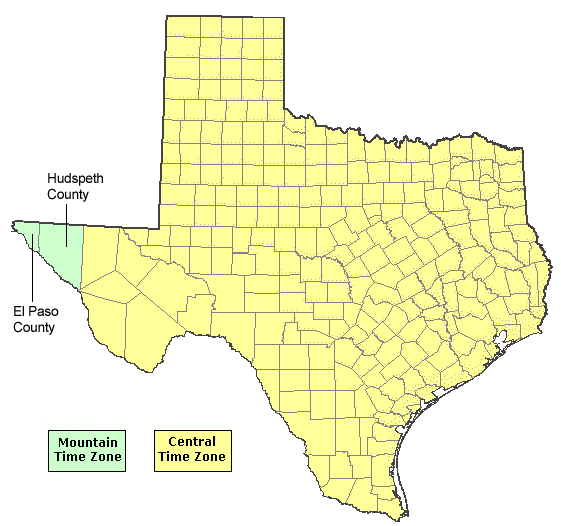
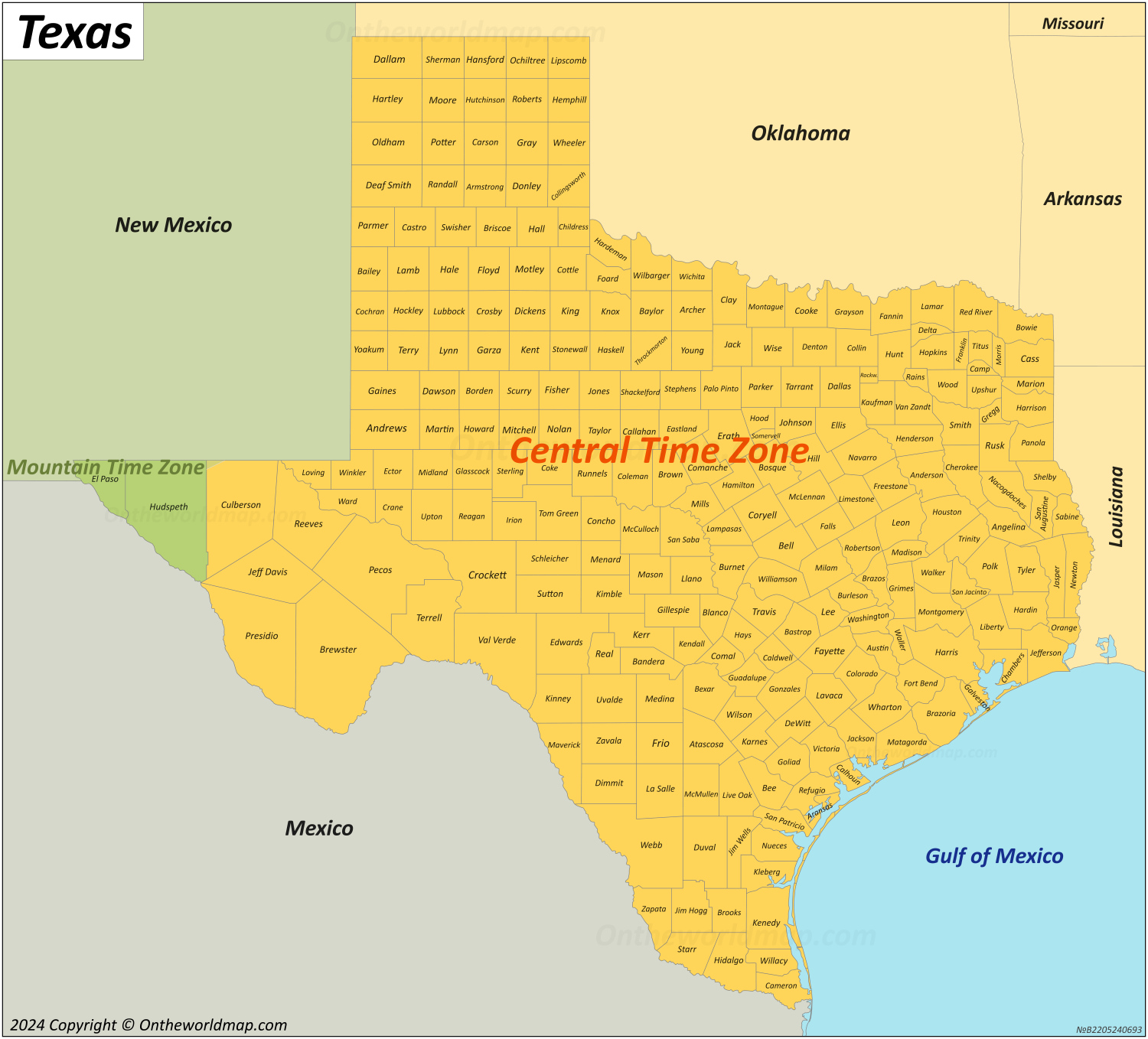
The vast majority of Texas operates on one primary time zone, familiar to many across the central United States. However, a small but significant portion of the westernmost region adheres to a different standard. This division is a practical necessity, reflecting the state’s significant east-west breadth, which spans approximately 800 miles.
Central Standard Time (CST) and Central Daylight Time (CDT)
The predominant time zone throughout Texas is Central Standard Time (CST), which is UTC-6. During the observance of Daylight Saving Time (DST), this shifts to Central Daylight Time (CDT), which is UTC-5. This is the time zone that governs major metropolitan areas such as Houston, Dallas, Austin, and San Antonio. For anyone planning a trip to these vibrant cities, or exploring the vast landscapes stretching from the Gulf Coast to the rolling hills of the Hill Country, CST/CDT is the time you’ll be operating on.
This covers the majority of Texas’s population and economic activity. When you book a flight into Dallas/Fort Worth International Airport, check into a hotel in Austin, or plan a visit to a landmark like The Alamo in San Antonio, all times will be referenced in CST/CDT. It’s the rhythm by which most Texans live, work, and play, influencing everything from local tourism schedules to live music performances in Austin’s famous venues. For those unfamiliar with the concept of DST, it means clocks spring forward an hour in the spring and fall back an hour in the autumn, usually on specific Sundays, to maximize daylight hours during warmer months. This is a statewide observance for the CST/CDT region of Texas.
Mountain Standard Time (MST) and Mountain Daylight Time (MDT)
While CST/CDT dominates, the westernmost tip of Texas observes Mountain Standard Time (MST), which is UTC-7. Similar to the central zone, during Daylight Saving Time, this area switches to Mountain Daylight Time (MDT), which is UTC-6. This unique temporal pocket includes El Paso County and northern Hudspeth County. The bustling city of El Paso, situated right on the border with New Mexico and Mexico, is the primary urban center in Texas that follows MST/MDT.
This means that El Paso is always one hour behind the rest of the major cities in Texas. For instance, when it’s 2 PM in Dallas, it’s 1 PM in El Paso. This can be a significant detail for travelers, especially those embarking on road trips across the state or making connections. The landscape of this region is dramatically different, characterized by arid deserts, mountain ranges like the Franklin Mountains State Park, and a distinct cultural blend influenced by its border location. The decision to place El Paso and its surroundings in the Mountain Time Zone makes geographical sense, aligning it with nearby parts of New Mexico and avoiding an inconvenient time shift for cross-border commerce and daily life.
The Significance of Daylight Saving Time in Texas
Daylight Saving Time is a critical component of understanding time in Texas, as both major time zones within the state observe it. This means that from roughly mid-March to early November, clocks in both CST and MST regions advance by one hour, switching to CDT and MDT, respectively. The practical upshot is that the one-hour time difference between El Paso and the rest of Texas remains consistent year-round. However, for those traveling from states or countries that do not observe DST, or during the transition weekends themselves, there can be moments of confusion.
It’s always a good practice to double-check the local time upon arrival or when planning transitions, especially during the spring forward and fall back weekends. Modern smartphones and GPS devices are generally reliable for automatically adjusting to local time, which greatly simplifies travel. However, for fixed schedules, paper itineraries, or coordinating with individuals who might not have automatically adjusting devices, a manual check is invaluable. This is particularly relevant for those planning extensive travel itineraries that involve multiple cities within Texas, especially if El Paso is on the list.

Navigating Time Zones for Texas Travel and Tourism
Understanding Texas’s time zones is more than just an academic exercise; it has real-world implications for anyone planning to experience the state’s diverse offerings. From the moment you begin researching destinations to the final checkout from your accommodation, temporal awareness can make or break your trip.
Planning Your Itinerary Across Time Zones
For travelers, the most immediate impact of Texas’s dual time zones will be on itinerary planning, particularly if your journey takes you between the main CST/CDT region and the MST/MDT zone around El Paso. Imagine flying from Houston to El Paso: a flight that takes approximately two hours in the air will see your clock effectively “lose” an hour due to the time zone change, meaning your arrival time will appear to be only an hour later than your departure. Conversely, traveling from El Paso to Dallas will mean your clock “gains” an hour, making a two-hour flight feel like three.
This temporal shift can affect everything from connecting flights and road trip schedules to the opening hours of attractions and the timing of pre-booked tour bookings. Always confirm the local time for scheduled activities at your destination. For instance, if you’re taking a scenic drive from Big Bend National Park (primarily CST) towards El Paso, remember to reset your internal clock as you cross into Hudspeth County. This foresight helps avoid missed appointments, late arrivals, or simply being caught off guard when you’re ready for dinner but local restaurants are closing earlier than expected by your “old” time zone.
Hotels, Accommodation, and Check-in/Check-out Times
The lodging sector, encompassing everything from luxury resorts and boutique hotels to cozy apartments and secluded villas, is also directly impacted by time zones. When making hotel bookings or arranging for long-term stays, ensure you’re aware of the local time at your specific destination. Standard check-in and check-out times, often around 3 PM and 11 AM respectively, will be based on the local time zone of the property.
Imagine you’ve flown from New York City (Eastern Time) to Dallas (Central Time) and then have a connecting flight to El Paso (Mountain Time). You’ve already adjusted your watch twice before even reaching your final destination! Confirming these details in advance can prevent confusion upon arrival, especially if you have early morning plans or a tight schedule for departure. Some accommodations might even be located near the time zone boundary, although this is rare for actual properties. Always use the time zone of the city where your hotel is located to avoid any mix-ups with reservations, shuttle services, or restaurant bookings within the hotel.
Experiencing Texas Landmarks and Attractions
Texas boasts an incredible array of landmarks and attractions, each with its own operating hours. From historical sites like The Alamo in San Antonio to the natural wonders of Big Bend National Park and the urban marvels of Houston’s Space Center, understanding local time is paramount for a successful visit. All these premier attractions adhere strictly to their local time zone.
For example, if you plan a morning visit to Franklin Mountains State Park in El Paso at 9 AM MDT, then decide to drive east for a few hours into the CST zone, you’ll need to remember that the businesses and attractions you encounter will be operating an hour ahead. This can impact meal timings, the availability of guided tours, or the ability to make it to a scheduled event. Always check the specific opening and closing times published by the landmark or attraction you plan to visit, and verify that you are reading them in the correct local time zone. This attention to detail ensures you maximize your sightseeing and avoid the disappointment of arriving too late or too early.
Lifestyle and Business Implications
Beyond the immediate concerns of travel logistics, the time zones in Texas also influence daily life, communication, and various lifestyle choices, especially for those who frequently interact across the state.
Daily Life and Communication
For residents and long-term visitors, the time zone difference primarily impacts communication. A person living in El Paso will constantly be an hour behind their family, friends, or colleagues residing in Dallas or Austin. This necessitates conscious adjustment when scheduling phone calls, video conferences, or even casual chats. For businesses operating statewide, coordinating meetings and deadlines requires careful attention to avoid miscommunications.
This also extends to online activities, such as webinars, live streams, or gaming sessions that might be scheduled according to CST/CDT. Those in El Paso would need to mentally subtract an hour from the advertised time. While a single hour might seem minor, it can lead to missed connections or unnecessary waiting if not properly accounted for. Awareness of this subtle difference is a cornerstone of smooth intra-Texas interaction.
Budget Travel vs. Luxury Experiences
The time zone considerations can subtly influence both budget travel and luxury travel experiences in Texas. For budget travelers who might rely on public transport or hitchhiking, time zone shifts could affect the availability of services or the ability to reach a specific point before dark. Miscalculating an arrival time by an hour could mean missing the last bus or having to find impromptu, potentially more expensive, accommodation.
Conversely, for those indulging in luxury travel, while a private chauffeur or flexible itinerary might mitigate some issues, high-end experiences often involve precise scheduling. Think about a reservation at a Michelin-starred restaurant, a private tour of a vineyard, or a scheduled spa treatment at a resort. Missing these by even an hour due to a time zone mix-up could result in significant financial loss or a severely diminished experience. In either case, whether managing a tight budget or an extravagant itinerary, time zone awareness contributes to a stress-free and enjoyable journey.
Practical Tips for Time Zone Management in Texas
To ensure a seamless experience throughout your Texas adventures, here are some actionable tips for managing the state’s dual time zones:
- Trust Your Tech: Modern smartphones, smartwatches, and GPS devices are remarkably good at automatically updating to the local time zone. Ensure your device’s automatic time zone setting is enabled.
- Double-Check All Bookings: When booking flights, hotels, tours, or any time-sensitive activity, confirm the local time zone referenced in your confirmation. If you’re traveling between El Paso and the rest of Texas, be extra vigilant.
- Utilize World Clock Apps: Keep a world clock app on your phone that shows both CST/CDT and MST/MDT to quickly compare times, especially useful if you’re coordinating with people in different zones.
- Plan Buffer Time: When traveling across time zones, especially by road, build in extra buffer time. This not only accounts for the time change but also for unexpected delays, ensuring you arrive relaxed and on schedule.
- Inform Others: If you’re meeting friends, family, or business associates, explicitly state the time zone when scheduling. For example, “Let’s meet at 10 AM CST” or “10 AM local El Paso time.”
- Be Mindful of DST Transitions: While the one-hour difference between El Paso and the rest of Texas remains constant, the “spring forward” and “fall back” weekends can still cause confusion. Confirm the exact dates for Daylight Saving Time shifts if your travel coincides with them.
In conclusion, while the question “What is the timezone in Texas?” seems straightforward, the answer reveals a fascinating geographic and practical reality: Texas operates on both Central and Mountain Time. For an unforgettable and stress-free journey through this magnificent state, whether you’re exploring iconic landmarks, indulging in luxury travel, or simply enjoying the local lifestyle, a little awareness about the time on your watch can go a long way. So, set your clocks, plan wisely, and enjoy every moment of your Texas experience.
LifeOutOfTheBox is a participant in the Amazon Services LLC Associates Program, an affiliate advertising program designed to provide a means for sites to earn advertising fees by advertising and linking to Amazon.com. Amazon, the Amazon logo, AmazonSupply, and the AmazonSupply logo are trademarks of Amazon.com, Inc. or its affiliates. As an Amazon Associate we earn affiliate commissions from qualifying purchases.