For anyone planning a journey through the vast and diverse landscapes of Texas, understanding its time zones is more than a trivial detail; it’s a crucial aspect of seamless travel planning and maximizing every moment of your adventure. Often thought of as a state solely operating on Central Time, the reality is a little more nuanced, reflecting its immense geographical spread. From the bustling metropolises of the east to the rugged desert expanses of the west, Texas straddles two distinct time zones. This unique characteristic impacts everything from flight schedules and hotel check-ins to the timing of your visits to iconic landmarks and local culinary experiences.
As a premier resource for travel, accommodation, and lifestyle insights, we understand the importance of precise planning. Navigating different time zones can subtly influence your itinerary, especially when crossing the state or coordinating with people in other parts of the country. This comprehensive guide will illuminate the specifics of Texas’s time zones, delve into the practical implications for travelers and residents alike, and offer tips to ensure your visit is as smooth and enjoyable as possible, whether you’re seeking luxury travel, a budget-friendly family trip, or a productive business stay.
Unpacking Texas’s Dual Time Zones
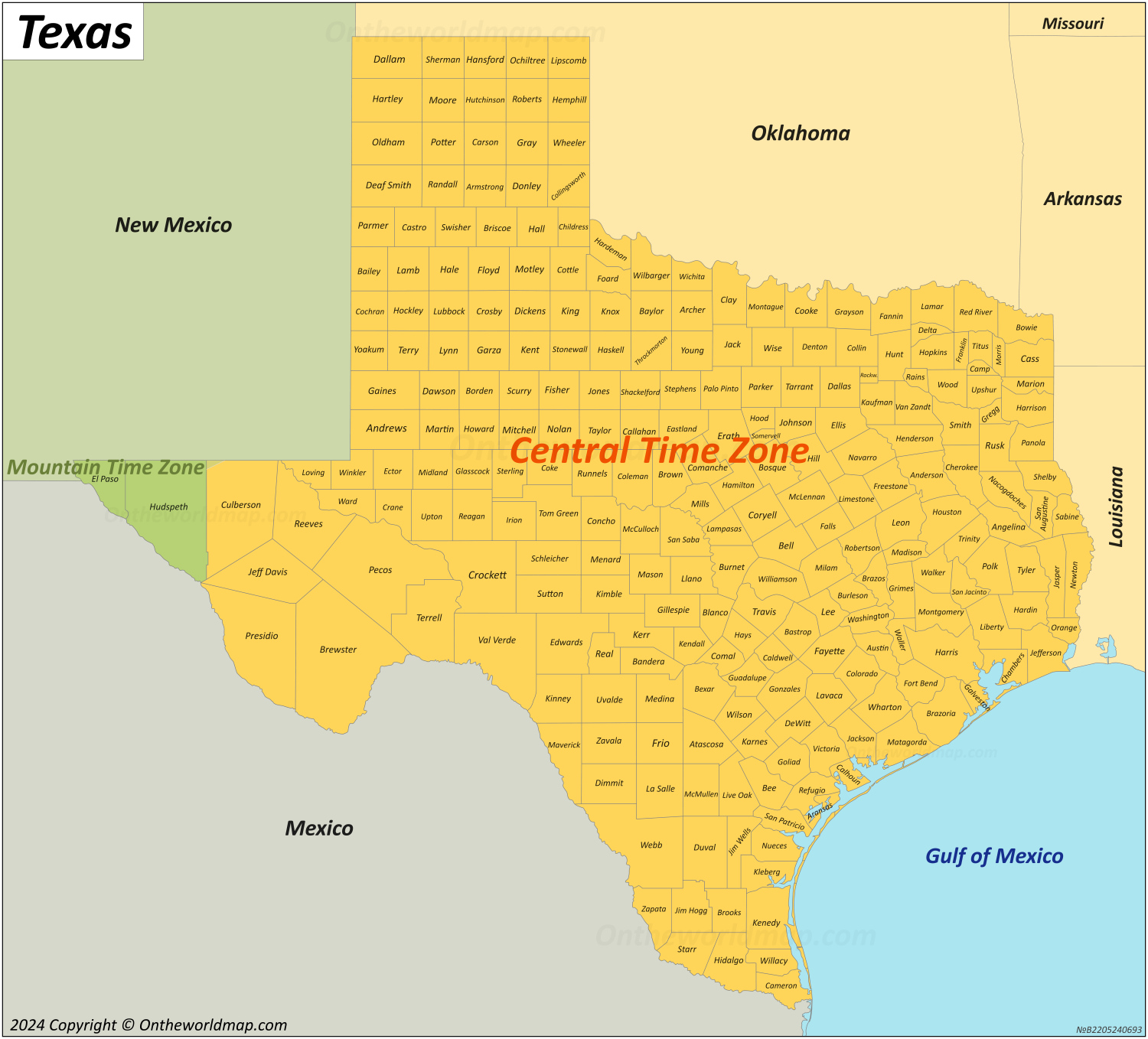
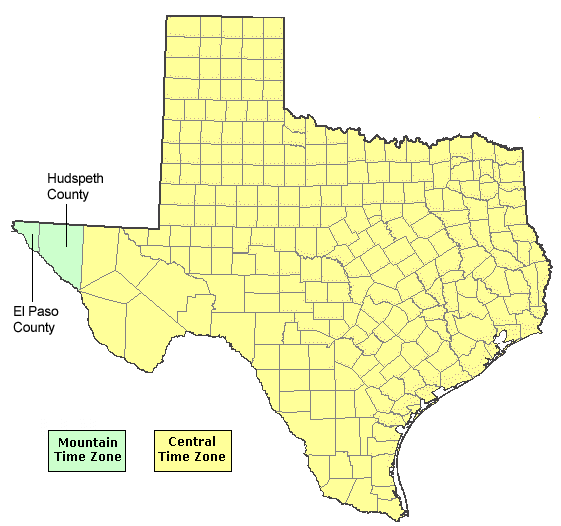
The grandeur of Texas is reflected not just in its size but also in its temporal divisions. While the vast majority of the state observes Central Time, a significant western portion, particularly near its border with New Mexico, adheres to Mountain Time. This division is a geographical necessity, ensuring that communities in the westernmost regions experience daylight hours at a more natural and convenient time. Both time zones participate in Daylight Saving Time, meaning they shift forward by one hour in the spring and back in the fall, maintaining their one-hour difference throughout the year.
Central Time Zone (CT): The Heartbeat of Texas
The Central Time Zone (CT), which becomes Central Daylight Time (CDT) during the warmer months, is where the overwhelming majority of Texas’s population resides and where its major economic and cultural hubs thrive. This includes the major cities that draw millions of visitors annually, each offering a unique blend of history, culture, and modern attractions.
Cities like Houston, the energy capital and home to the Johnson Space Center, operate on CT. Dallas and Fort Worth, forming the dynamic DFW Metroplex, also observe CT, as do the vibrant state capital Austin, known for its live music scene, and historic San Antonio, home to The Alamo and the iconic San Antonio River Walk. Further south, coastal cities like Galveston and Corpus Christi, along with border towns such as Laredo, all fall within the Central Time Zone. The same applies to the expansive agricultural plains of the Panhandle, including cities like Amarillo and Lubbock, and the oil-rich Permian Basin cities of Midland and Odessa.
For travelers arriving at major airports like Dallas Fort Worth International Airport (DFW), George Bush Intercontinental Airport (IAH) in Houston, or Austin-Bergstrom International Airport (AUS), you will immediately be in sync with Central Time. This makes planning for hotel check-ins, restaurant reservations, and attraction visits relatively straightforward, as most tourism infrastructure aligns with this dominant time zone.
Mountain Time Zone (MT): A Glimpse into the West
The Mountain Time Zone (MT), which transitions to Mountain Daylight Time (MDT), encompasses a much smaller, but geographically distinct, part of Texas. This region is primarily located in the far western corner of the state, bordering New Mexico and Mexico. The largest city within this time zone is El Paso, a vibrant hub with a rich bi-cultural heritage situated on the US-Mexico border.
Beyond El Paso, the counties that officially observe Mountain Time include Hudspeth County, Culberson County, and the western portions of Jeff Davis County. This is also where you’ll find majestic natural wonders like Guadalupe Mountains National Park and the eastern parts of Big Bend National Park. Smaller towns such as Van Horn and Sierra Blanca also adhere to MT.
It’s important to note that a few communities in the MT region, despite their geographical location, have historically observed Central Time due to economic and social ties to the larger Central Texas area. However, the official designation for these western counties is Mountain Time. When traveling to this sparsely populated yet incredibly scenic part of the state, particularly for exploring national parks or the unique art scene of Marfa (which is on CT but very close to the MT border), double-checking local times for specific attractions or accommodations is always a wise precaution. For example, while much of Big Bend National Park operates on Central Time, its administrative offices and certain facilities near El Paso might be Mountain Time. The town of Pecos, for instance, despite being geographically close to the Mountain Time boundary, observes Central Time.

The Practical Implications for Travelers and Residents
Understanding Texas’s time zones is paramount for a smooth travel experience, impacting everything from booking flights and hotels to scheduling meetings and sightseeing tours. For residents, it influences daily commutes, business operations, and communication with family and friends across the state and beyond.
Planning Your Texas Itinerary Across Time Zones
For travelers embarking on an epic Texas road trip, particularly one that spans from the eastern plains to the western deserts, time zone changes become a real consideration. Driving westward from, say, San Antonio towards El Paso means gaining an hour as you cross into the Mountain Time Zone. Conversely, traveling eastward means losing an hour.
- Flights and Connections: When booking flights into or out of El Paso International Airport (ELP), remember it’s one hour behind the major airports in Houston, Dallas, and Austin. This difference can be crucial for connecting flights or coordinating pickups.
- Hotel Bookings and Check-ins: Accommodation providers, whether luxury resorts or budget-friendly apartments, typically adhere strictly to their local time zone. A check-in time of 3:00 PM in Houston is different from 3:00 PM in El Paso. Always confirm the local time when making or confirming reservations, especially if you’re crossing the time zone boundary on the day of arrival or departure. Hotels like The Driskill Hotel in Austin or the Omni Dallas Hotel will always operate on CT. Conversely, if you’re staying at a hotel in El Paso, all its services will be based on MT.
- Attraction Operating Hours: National parks such as Guadalupe Mountains National Park and some areas of Big Bend National Park will base their operating hours on Mountain Time. This is vital for planning hikes, visitor center visits, and ranger programs. For attractions in Central Texas, like Six Flags Over Texas in Arlington or Moody Gardens in Galveston, CT is the standard.
- Dining and Events: If you have dinner reservations or tickets to a concert in a city like Austin or San Antonio, ensure your internal clock is set to Central Time. Similarly, if you’re attending a festival or an event in El Paso, double-check the local start times.
Business and Lifestyle Considerations
For business travelers, understanding the time zones is critical for scheduling conference calls, virtual meetings, or appointments with clients. A 9:00 AM meeting in Dallas is a 7:00 AM start for a colleague in El Paso, potentially requiring an earlier rise. Companies operating across the state must establish clear communication protocols regarding time, often specifying times as CT or MT to avoid confusion.
For residents, the time zone split can impact everything from scheduling doctors’ appointments to watching live sports broadcasts or connecting with family in different parts of the state or neighboring states like Oklahoma, Louisiana, and Arkansas (all on CT), or New Mexico (on MT).
Navigating Time and Tourism: Iconic Destinations and Experiences
Texas’s vastness means its attractions span a multitude of experiences, from sun-drenched beaches to historical battlegrounds and modern architectural marvels. Knowing the local time is key to enjoying these without a hitch.
Major Cities and Their Time Zone Affiliation
- Houston (CT): Explore the Johnson Space Center, discover world-class museums in the Museum District, or relax at Hotel ZaZa Houston – all on Central Time. Plan your visits to coincide with typical CT operating hours, which might be later in the evening than attractions in MT zones.
- Dallas/Fort Worth (CT): Dive into the history at the Sixth Floor Museum, experience the vibrant arts scene, or unwind at the Gaylord Texan Resort & Convention Center in Grapevine. The entire DFW Metroplex observes Central Time.
- San Antonio (CT): Walk the historic grounds of The Alamo, float along the San Antonio River Walk, or indulge in luxury at the JW Marriott San Antonio Hill Country Resort & Spa. Everything here is on Central Time.
- Austin (CT): Immerse yourself in live music, explore the state capitol, or enjoy a stay at The Driskill Hotel. Austin’s vibrant culture runs on Central Time.
- El Paso (MT): Discover the unique blend of cultures, hike the Franklin Mountains State Park, or cross into Mexico for a day trip. Remember to adjust your watch an hour back when arriving in El Paso from other major Texas cities.
Accommodation and Booking Insights
When booking accommodations across Texas, the time zone difference might seem minor, but it can significantly affect your arrival and departure experience, especially after a long drive or flight.
- Confirmation is Key: Always confirm check-in and check-out times with your specific hotel or rental property. What appears to be a late check-out on your itinerary might align with the hotel’s local time, but not your internal clock.
- Long-term Stays: For those considering long-term stays, perhaps for work or extended exploration, being aware of the time zone difference is crucial for setting up routines, especially if you have remote work commitments with colleagues in different time zones.
- Luxury vs. Budget: Regardless of whether you opt for a luxury resort or a budget apartment, the time zone rules apply equally. A boutique hotel in Marfa (CT) will have different operating hours than a roadside inn in Van Horn (MT).
- Reviews and Comparisons: When reading reviews or comparing different accommodations, consider how the location’s time zone might affect your experience. Early morning tours or late-night entertainment might feel different depending on whether you’ve gained or lost an hour.
Maximizing Your Texas Visit: Time Zone Tips and Tricks
To ensure your Texas adventure is as smooth as possible, here are some actionable tips for managing the state’s dual time zones:
- Set Your Devices Automatically: Most smartphones and digital watches can automatically adjust to the local time zone. Ensure this feature is enabled before you travel.
- Double-Check All Bookings: When reserving flights, hotels, car rentals, or tours, pay close attention to the time zone specified in the confirmation. If it’s ambiguous, call the provider to clarify.
- Use a Time Zone Converter App: A reliable time zone converter app can be invaluable for quickly determining the correct time in different parts of Texas or for coordinating with people outside the state.
- Allow Buffer Time: When driving between time zones, especially near the El Paso area, build in extra buffer time. Even a one-hour difference can throw off carefully planned schedules, particularly for appointments or critical deadlines.
- Communicate Clearly: When coordinating with travel companions, tour operators, or local contacts, always specify the time zone. For example, “Let’s meet at 10:00 AM Central Time” or “Our tour starts at 9:00 AM Mountain Time.”
- Stay Hydrated and Rested: Time zone changes, even minor ones, can contribute to fatigue. Prioritize hydration and rest, especially if you’re doing a lot of driving or engaging in outdoor activities in the vast landscapes of West Texas. This is particularly true if you are crossing multiple time zones on a flight into Texas from further afield.
- Embrace the Change: Acknowledge the time zone shift as part of the unique experience of exploring such a large and diverse state. It’s a testament to the sheer scale of Texas’s geographical beauty.
In conclusion, while the majority of Texas operates on Central Time, the westernmost region, including the dynamic city of El Paso and its surrounding counties, adheres to Mountain Time. This distinction is a key piece of information for any visitor or resident to grasp. By understanding and accounting for these time zones, you can ensure your travel, accommodation bookings, and daily activities flow seamlessly, allowing you to fully immerse yourself in all the rich experiences that the Lone Star State has to offer, from vibrant city life to breathtaking natural wonders like Big Bend National Park and the beaches of South Padre Island. Prepare wisely, and your Texas journey will be one for the books, perfectly timed and unforgettable.