
Planning a trip to Birmingham, Alabama, involves more than just booking your flights and accommodation. Understanding the local weather is crucial for packing the right clothes, scheduling outdoor activities, and ensuring you make the most of your visit to this vibrant Southern city. Birmingham, nestled in the heart of Alabama, experiences a diverse range of weather patterns throughout the year, influenced by its humid subtropical climate. This means you can expect warm, humid summers, mild winters, and distinct spring and autumn seasons that often provide the most pleasant conditions for exploration.
Whether you’re drawn to Birmingham for its rich industrial history, its burgeoning culinary scene, or its numerous outdoor attractions, knowing what to pack and what to expect weather-wise will significantly enhance your travel experience. This guide delves into the typical weather patterns for each season in Birmingham, offering insights to help you plan your perfect getaway, from comfortable hotel stays to unforgettable travel adventures.
Understanding Birmingham’s Climate
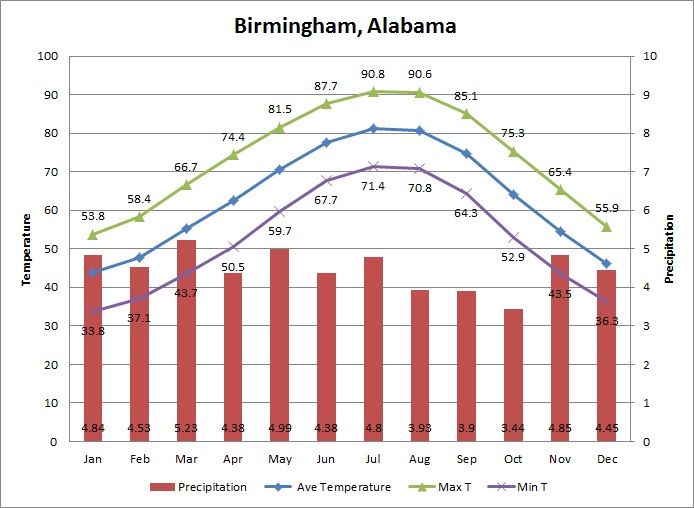
Birmingham, Alabama, enjoys a humid subtropical climate (Köppen Cfa), characterized by hot, humid summers and mild to cool winters. This climate type is prevalent across the Southeastern United States, and Birmingham is no exception. The city’s location, away from major bodies of water like the ocean, means it experiences more extreme temperature fluctuations than coastal areas, though it still benefits from significant rainfall throughout the year.
The average annual temperature in Birmingham hovers around 64°F (18°C). However, this average masks the considerable seasonal variations. The city receives an average of about 53 inches of rain annually, spread relatively evenly throughout the year, with slightly wetter periods in the winter and early spring, and a bit of a lull in the late summer and early fall. Snowfall is infrequent and usually light, with accumulations rarely causing significant disruption.
Understanding these general climatic features is the first step in preparing for your visit. It sets the stage for a more detailed look at what you can expect during each season.
Seasonal Weather Breakdown
To truly grasp what weather to anticipate in Birmingham, it’s best to break it down by season. Each brings its unique charm and challenges, influencing everything from the types of activities you can enjoy to the attractions that might be more appealing.
Spring in Birmingham: A Time of Reawakening and Pleasant Temperatures
Spring, generally from March to May, is a beautiful time to visit Birmingham. The temperatures begin to warm up after the cool of winter, and the landscape bursts into vibrant color as flowers bloom and trees regain their leaves.
- March: Early spring can still bring cool days, with average high temperatures in the mid-60s°F (around 18°C) and lows in the mid-40s°F (around 7°C). There’s a moderate chance of rain, and occasional cooler fronts can still sweep through. It’s wise to pack layers, including a light jacket or sweater, and an umbrella.
- April: April sees a significant warming trend. Average highs climb into the 70s°F (around 21-24°C), with average lows in the 50s°F (around 10-14°C). While still a possibility, significant rainfall becomes less frequent, making it an ideal month for outdoor exploration. This is a fantastic time to visit Botanical Gardens or enjoy a stroll through the historic Five Points South district.
- May: May is often considered one of the best months in Birmingham, with consistently warm temperatures. Average highs typically reach the upper 70s to low 80s°F (around 25-28°C), and evenings are pleasantly mild, with lows in the 60s°F (around 15-18°C). Humidity starts to increase, but it’s generally not yet oppressive. This is perfect weather for attending outdoor festivals, visiting Vulcan Park and Museum, or exploring the natural beauty of places like the Tannehill Ironworks State Park.
What to Pack for Spring: Light layers are key. Think t-shirts, long-sleeved shirts, a medium-weight jacket or sweater, comfortable walking shoes, and an umbrella or rain jacket.
Summer in Birmingham: Embracing the Heat and Humidity
Summers in Birmingham, from June to August, are characterized by heat and high humidity. If you’re not accustomed to this type of climate, it’s important to be prepared.
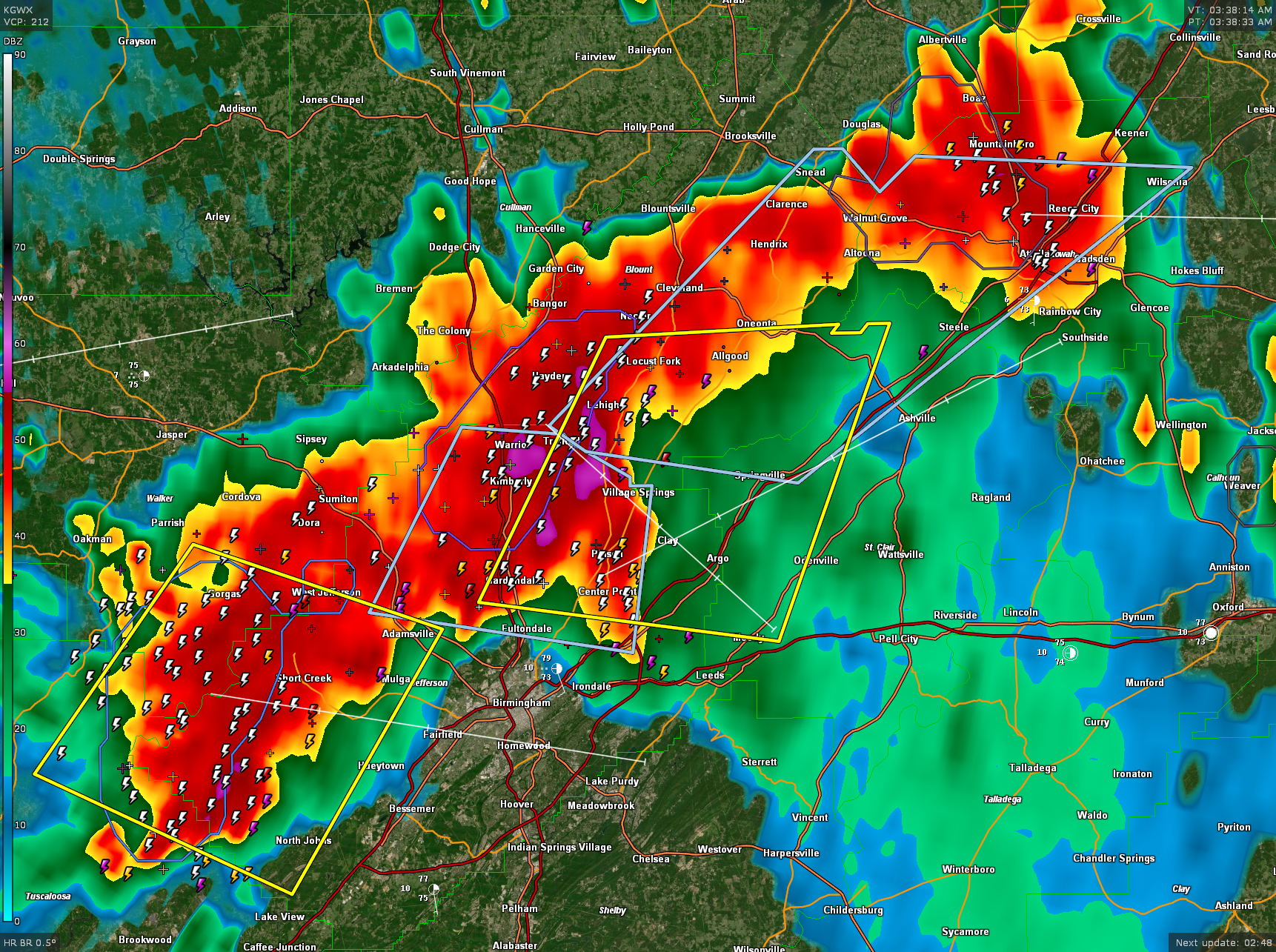
- June: Summer officially begins with warm to hot temperatures. Average highs are in the upper 80s°F (around 31-33°C), but heat index values can make it feel much hotter due to the humidity. Evenings offer little relief, with lows in the mid-60s to low 70s°F (around 18-22°C). Afternoon thunderstorms are common, providing temporary cooling but also contributing to the overall humidity.
- July & August: These are typically the hottest months. Average high temperatures consistently hover in the upper 80s to low 90s°F (around 31-34°C), and heat waves pushing temperatures into the triple digits°F (38°C+) are not uncommon. The humidity remains high, making outdoor activities best suited for the cooler morning and evening hours. Staying hydrated is paramount. Consider visiting indoor attractions like the McWane Science Center or enjoying the air-conditioned comfort of various resorts and hotels during the hottest parts of the day. Many visitors also find relief by visiting the nearby Cheaha State Park for hiking in slightly higher elevations where temperatures can be a few degrees cooler.
What to Pack for Summer: Lightweight, breathable clothing is essential. Pack shorts, t-shirts, sundresses, and comfortable sandals. Don’t forget sunscreen, a hat, sunglasses, and a reusable water bottle. For the frequent thunderstorms, a light, packable rain jacket can be useful.
Autumn in Birmingham: A Transition to Cooler, Crisp Air
Autumn, from September to November, is another highly desirable season for visiting Birmingham. The oppressive summer heat begins to recede, replaced by cooler, crisper air and the stunning display of fall foliage.
- September: While still warm, September marks the beginning of the transition. Average high temperatures are in the low 80s°F (around 27-29°C), and humidity starts to decrease. Rain chances lessen, leading to more consistently pleasant days.
- October: October is often considered the prime month for fall colors in Birmingham and the surrounding region. Temperatures become ideal for outdoor activities, with average highs in the mid-70s°F (around 24°C) and average lows in the comfortable 50s°F (around 10-14°C). This is a wonderful time to explore the Red Mountain Park or take a scenic drive along the historic trails of Alabama. The vibrant hues of the changing leaves are a major draw.
- November: November sees a further drop in temperatures. Average highs are in the 60s°F (around 15-18°C), and evenings can get chilly, with lows dipping into the 40s°F (around 4-9°C). Frost is possible in the latter half of the month. It’s a great time for enjoying Southern cuisine in cozy restaurants or visiting indoor landmarks like the Birmingham Museum of Art.
What to Pack for Autumn: Layers are again the best strategy. Include light sweaters, long-sleeved shirts, a jacket or coat, and comfortable trousers. Comfortable walking shoes are a must, especially if you plan on enjoying the fall foliage.
Winter in Birmingham: Mild Conditions with Occasional Chills
Birmingham’s winters, from December to February, are generally mild compared to many other parts of the country. However, they are not without their occasional cold snaps.
- December: Early winter can still be relatively mild. Average high temperatures are in the 50s°F (around 10-14°C), with average lows in the 30s°F (around 0-4°C). There’s a chance of rain, and the possibility of light snow exists, though significant accumulations are rare. This is a good time for visiting indoor attractions and enjoying the festive holiday season.
- January & February: These are typically the coldest months. Average highs are in the low 50s°F (around 10-12°C), and average lows are often in the high 20s to low 30s°F (around -2 to 2°C). Freezing temperatures are common, especially overnight. Cold fronts can bring more significant drops in temperature, and very occasionally, a winter storm can impact the area with snow or ice. Despite the potential for cold, many days remain sunny and pleasant enough for short outdoor excursions, especially if dressed warmly.
What to Pack for Winter: Warm layers are essential. Pack a heavier coat or jacket, sweaters, long-sleeved shirts, trousers, and a hat, scarf, and gloves for colder days. Waterproof boots are advisable in case of any winter precipitation.
Activities and Weather Considerations
The weather in Birmingham directly impacts the types of experiences you can have.
- Outdoor Adventures: Spring and autumn offer the most ideal conditions for exploring Birmingham’s many parks, hiking trails, and outdoor attractions. Summer’s heat and humidity can make strenuous outdoor activities challenging, encouraging visitors to opt for early morning or late evening excursions, or to seek out water-based activities. Winter is suitable for brisk walks, provided you are dressed appropriately for the temperatures.
- Cultural and Indoor Attractions: Birmingham boasts a wealth of indoor attractions, from world-class museums like the Birmingham Civil Rights Institute to vibrant entertainment venues and a growing culinary scene. These are perfect options for any weather, providing a welcome respite from summer heat, winter chills, or unexpected rain showers. Many apartments and villas offer comfortable indoor spaces for relaxation.
- Festivals and Events: Birmingham hosts numerous festivals and events throughout the year. Many of these are outdoors, so checking the weather forecast closer to the event date is crucial for proper planning. From music festivals to food fairs, the season will dictate how comfortably you can enjoy these celebrations.

Tips for Planning Your Birmingham Visit Based on Weather
- Book in Advance: Especially if you’re traveling during the peak seasons of spring and autumn, booking your accommodation and any popular tours or activities in advance is highly recommended.
- Be Flexible: Weather can be unpredictable anywhere, and Birmingham is no exception. Having a backup plan for indoor activities is always a good idea, especially if your visit coincides with periods of rain or unseasonably warm or cold temperatures.
- Stay Informed: Before and during your trip, monitor the local weather forecast. This will allow you to make last-minute adjustments to your plans and ensure you are dressed appropriately for the conditions. Websites and apps that provide hourly forecasts are invaluable for planning your day.
- Hydration and Sun Protection: Regardless of the season, especially during warmer months and even on cooler, sunny days, staying hydrated and protecting yourself from the sun is important. Carry water, wear sunscreen, and use hats and sunglasses when outdoors.
- Consider the “Shoulder Seasons”: For those seeking milder weather and fewer crowds, the shoulder seasons of late April to early May and late September to October often provide the perfect balance. These periods offer pleasant temperatures and a beautiful atmosphere without the peak summer intensity or winter chill.
By understanding Birmingham’s climate and planning accordingly, you can ensure your trip is comfortable, enjoyable, and filled with memorable experiences in this dynamic Southern city. Whether you’re here for a business stay, a family trip, or a luxury travel adventure, being prepared for the weather is a fundamental part of a well-planned itinerary.