
Boston, the vibrant capital of Massachusetts, is a city renowned for its rich history, academic excellence, and captivating charm. Nestled along the Atlantic coast in the heart of New England, Boston offers visitors a distinct experience characterized by its four dramatic and unmistakable seasons. Understanding the weather patterns in this iconic city is paramount for anyone planning a visit, as each season brings a unique array of travel opportunities, tourism activities, and considerations for accommodation and lifestyle choices. Whether you’re dreaming of vibrant fall foliage, sun-drenched summer days, a blossoming spring, or a cozy winter wonderland, Boston’s climate dictates the rhythm of its daily life and the experiences available to its guests.
Boston’s Climate Overview: A City of Four Distinct Seasons
Boston experiences a humid continental climate, a classification that explains its significant temperature variations between summer and winter. Its geographical location plays a crucial role; while the nearby Atlantic Ocean can moderate extreme temperatures, Boston is also susceptible to continental air masses sweeping down from Canada, bringing cold, dry air in winter and sometimes heat waves in summer. Precipitation is distributed fairly evenly throughout the year, but takes different forms depending on the season, from summer thunderstorms to substantial winter snowfalls.
This dynamic climate means that preparing for your trip involves more than just checking a general forecast; it requires an understanding of what each season typically entails. For travelers, this translates into thoughtful packing, strategic planning of attractions and activities, and discerning choices when it comes to booking hotels, resorts, or apartments. A trip focused on exploring historical landmarks on foot, for instance, would be vastly different in a crisp autumn versus a snowy winter. Similarly, budget travelers might find more appealing deals on accommodation during off-peak seasons, while luxury travel enthusiasts might opt for peak times to enjoy Boston’s vibrant seasonal offerings at their fullest.
Understanding Boston’s Unique Weather Patterns
Boston’s climate can sometimes be unpredictable, with sudden shifts in temperature or unexpected storms. However, there are general patterns that hold true. Summers are generally warm and humid, while winters are cold and snowy. Spring and autumn serve as beautiful transitional periods, often considered by many as the best times to visit due to their mild temperatures and stunning natural beauty. The city’s proximity to the coast means that sea breezes can sometimes temper the summer heat, but also contribute to the chill in winter. Understanding these nuances helps visitors fully embrace the local culture and plan for a memorable experience, whether it’s exploring local food scenes or engaging in various activities.
Springtime in Boston: Awakening and Mild Delights (March – May)
Spring in Boston is a season of gradual awakening, transitioning from the last vestiges of winter to the full bloom of late spring. March typically starts cool and often damp, with average temperatures ranging from 30°F (-1°C) to 45°F (7°C). It’s not uncommon to experience a late-season snowfall in early March, adding a final touch of winter charm before the thaw truly sets in. As April progresses, temperatures climb to a comfortable 40-60°F (4-16°C), and by May, Boston basks in mild and pleasant weather, averaging 50-70°F (10-21°C). Rainfall is moderate throughout the season, characterized by spring showers that nourish the city’s green spaces.
Travel & Tourism: Spring is an ideal time for travelers who appreciate temperate weather and fewer crowds than the peak summer and fall seasons. As the city sheds its winter coat, outdoor landmarks like Boston Common and the Public Garden burst into vibrant bloom, making them perfect for leisurely strolls. Walking the historic Freedom Trail becomes a comfortable and enjoyable activity, allowing visitors to delve into Boston’s storied past without the intensity of summer heat or winter chill. Early in the season, you might catch the tail end of indoor cultural events, while later in spring, outdoor festivals and events begin to emerge. Sports enthusiasts rejoice as Fenway Park opens its gates for baseball season, bringing a palpable energy to the city.
Accommodation & Lifestyle: Spring often represents a shoulder season for accommodation, particularly in early spring. This can translate to more favorable pricing for hotels, suites, and apartments compared to the peak summer and autumn rates, making it an excellent time for budget travel. Visitors can find great deals and a wider selection of rooms, whether they’re looking for a cozy boutique hotel or a spacious apartment for an extended stay. Lifestyle in spring is about shedding layers and embracing the outdoors. It’s a fantastic time for family trips before school holidays, offering a relaxed pace to explore the city’s attractions.

Top Spring Activities and Travel Tips
- Activities: Whale watching tours typically commence in April, offering thrilling encounters with marine life off the New England coast. Enjoy scenic strolls along the Charles River Esplanade, where joggers and cyclists re-emerge in full force. On cooler or rainy days, cultural havens like the Isabella Stewart Gardner Museum and the Museum of Fine Arts offer rich indoor experiences, showcasing world-class art and architecture. The Boston Marathon, held annually on Patriots’ Day in April, draws massive crowds and an exhilarating atmosphere, offering a unique local culture experience.
- Packing: Layers are absolutely essential. Pack light jackets, sweaters, long-sleeved shirts, and an umbrella. Comfortable walking shoes are a must for exploring the city’s cobblestone streets and extensive walking paths.
- Food: As the weather warms, outdoor dining patios begin to open, particularly in neighborhoods like the North End and Back Bay. Enjoy fresh seasonal produce and traditional New England fare.
Summer in Boston: Sunshine, Festivals, and Coastal Breezes (June – August)
Boston summers are characterized by warmth, abundant sunshine, and often high humidity, creating a lively atmosphere throughout the city. Average temperatures range from 60°F (16°C) to 80°F (27°C), with July typically being the hottest month. While coastal breezes from the Atlantic Ocean can offer some relief, heat waves are not uncommon. Occasional thunderstorms provide dramatic but brief breaks from the heat. Despite the warmth, summer is undeniably peak season, drawing visitors from around the globe.
Travel & Tourism: The city truly comes alive in summer, offering a plethora of outdoor activities and festivals. Boston Harbor cruises are popular, providing unique perspectives of the skyline and the historic waterfront. Walking tours are plentiful, though best enjoyed in the morning or late afternoon to avoid the midday sun. Iconic neighborhoods like Beacon Hill with its charming gas lamps and brownstones, and the bustling North End with its authentic Italian restaurants, are perfect for leisurely exploration. Summer is also prime time for day trips to Cape Cod, Martha’s Vineyard, or Nantucket, offering picturesque beaches and quintessential New England charm.
Accommodation & Lifestyle: As the most popular time to visit, summer sees the highest demand and prices for hotels, resorts, villas, and serviced apartments. It is crucial to book accommodation well in advance, especially if you’re targeting specific amenities or locations like the Seaport District or Copley Square. This season is ideal for family trips, with many attractions catering to all ages, and for those seeking a vibrant, energetic city experience. Luxury travel during summer allows for access to exclusive events, rooftop bars, and prime waterfront dining.
Making the Most of Boston’s Warm Season
- Activities: The Fourth of July celebrations, featuring a spectacular fireworks display over the Charles River accompanied by the Boston Pops Orchestra, are legendary. Outdoor concerts and movies on the Charles River Esplanade are popular evening pastimes. Explore the modern Seaport District with its innovative restaurants and stunning waterfront views. The New England Aquarium offers a cool respite and fascinating marine life, while the Museum of Science provides engaging exhibits for all ages, perfect for an escape from the heat.
- Packing: Light, breathable clothing is essential, along with sunscreen, sunglasses, and a wide-brimmed hat. Comfortable walking shoes are a must, as is a reusable water bottle to stay hydrated.
- Food: Indulge in fresh seafood, particularly lobster rolls and clam chowder. Explore food trucks, ice cream parlors, and al fresco dining opportunities that proliferate across the city.
- Pro Tip: Utilize Boston’s excellent public transportation system (the “T”) to navigate the city, especially during peak tourist times when traffic can be heavy. Consider purchasing a Go Boston Card for discounted access to multiple attractions.
Autumn in Boston: A Tapestry of Colors and Crisp Air (September – November)
Many consider autumn the most beautiful time to visit Boston. The season begins with warm, sunny days in September, often extending what feels like summer, with temperatures ranging from 60°F (16°C) to 75°F (24°C). As October unfolds, the air becomes crisper, and temperatures drop to a comfortable 45-65°F (7-18°C). By November, winter’s chill begins to set in, with temperatures averaging 35-55°F (2-13°C). The highlight of autumn is, without a doubt, the spectacular fall foliage, which typically peaks in mid-October.
Travel & Tourism: Autumn rivals summer as a peak tourist season, particularly for those drawn to the stunning natural beauty of the changing leaves. The mild weather is perfect for outdoor activities, allowing visitors to enjoy everything from scenic walks to historic tours before the colder months arrive. The return of students to prestigious universities like Harvard University and MIT injects a vibrant intellectual energy back into the city. Harvest festivals, cultural events, and Halloween celebrations add to the rich tapestry of experiences.
Accommodation & Lifestyle: Due to the popularity of fall foliage and the pleasant weather, accommodation prices remain high, similar to summer rates, especially during the peak weeks in October. Booking hotels, boutique resorts, or serviced apartments well in advance is highly recommended. Autumn in Boston is ideal for luxury travel, offering exquisite dining, upscale shopping in Back Bay, and breathtaking views for those seeking a picturesque and sophisticated getaway. It’s also a fantastic season for photography enthusiasts and those who appreciate the blend of urban exploration with natural beauty.

Experiencing Boston’s Iconic Fall Foliage
- Best Views: Within the city, the Boston Common, Public Garden, and the trees lining the Charles River Esplanade transform into a riot of reds, oranges, and yellows. For more extensive displays, consider a scenic drive outside the city, where the New England countryside truly shines.
- Activities: Enjoy apple picking and pumpkin patches at local farms just outside the city. Explore the charming streets of Beacon Hill and South End under a canopy of colorful leaves. Cozy cafes in Copley Square become inviting havens for enjoying a warm drink. Historical walking tours are particularly pleasant in the crisp air.
- Packing: Layering remains key. Pack sweaters, a medium-weight jacket, jeans or comfortable trousers, and waterproof shoes in case of rain. A scarf can also be a stylish and practical addition.
- Food: Indulge in seasonal delights like apple cider, pumpkin-flavored treats, and hearty New England comfort food.
Winter in Boston: A Snowy Wonderland and Cozy Retreats (December – February)
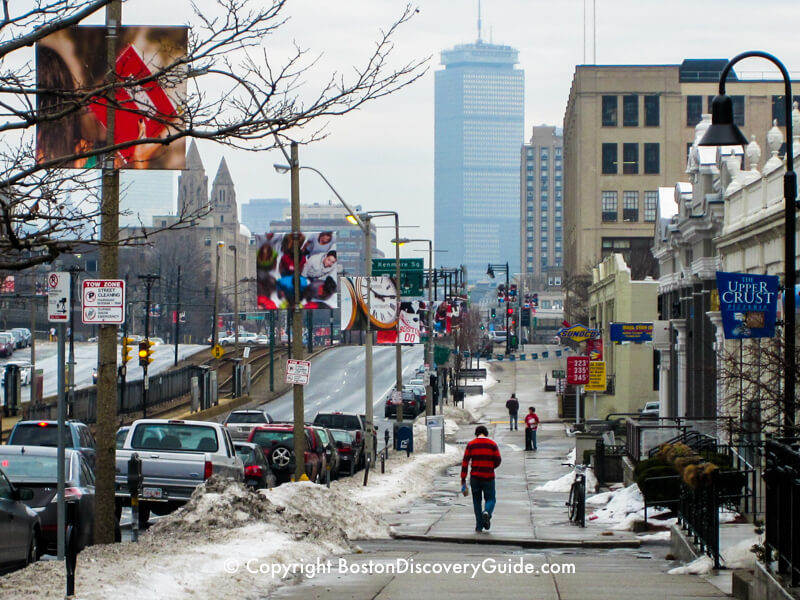
Winter in Boston is cold, often snowy, and can be quite windy, especially in exposed areas. December starts with average temperatures between 25°F (-4°C) and 40°F (4°C), gradually dropping to the coldest months of January and February, when averages hover around 20°F (-7°C) to 35°F (2°C). Boston receives significant snowfall, often experiencing several large snowstorms each winter, which can transform the city into a picturesque, albeit chilly, wonderland.
Travel & Tourism: While colder, winter offers a distinct charm and a different type of travel experience. Fewer crowds characterize this season (outside of the holiday weeks), making it ideal for those who prefer a quieter visit. It’s a fantastic time to explore Boston’s world-class indoor attractions without the long lines. The Museum of Science, New England Aquarium, and the historical exhibits within Faneuil Hall Marketplace offer engaging experiences shielded from the cold. The festive atmosphere around Christmas and New Year’s, with twinkling lights and decorations, is particularly enchanting.
Accommodation & Lifestyle: Winter is generally the season with the lowest prices for accommodation, excluding the premium charged during the Christmas and New Year’s holiday periods. This makes it an excellent option for budget travel or for those considering long-term stays in serviced apartments or more affordable hotels. You can find attractive deals on suites and resorts, often with amenities like indoor pools or cozy fireplaces. Embracing the winter lifestyle means enjoying the warmth of indoor spaces, from gourmet restaurants to lively pubs, and appreciating the serene beauty of a snow-covered city.
Navigating Boston’s Colder Months
- Activities: Ice skating on the Boston Common Frog Pond is a quintessential winter experience. Explore the festive markets and window displays, especially along Newbury Street and in Faneuil Hall Marketplace. Catch a Bruins hockey game or Celtics basketball game at the TD Garden. The city’s rich history and architecture can be enjoyed through indoor tours or by simply admiring the snow-dusted brickwork of Beacon Hill.
- Packing: Heavy winter clothing is non-negotiable. Pack a warm, waterproof winter coat, hats, gloves or mittens, scarves, and waterproof, insulated boots with good traction. Layering is still recommended for transitioning between warm indoor spaces and the cold outdoors.
- Transportation: Boston’s public transit system (the “T”) is robust and generally reliable, though heavy snowstorms can cause delays. Walking is always an option, but be prepared for icy sidewalks and dress appropriately.
- Tips: Embrace the cozy indoor culture of Boston by visiting museums, catching a show, or simply enjoying warm drinks in historic cafes. Many hotels offer excellent amenities for winter guests, including wellness centers and fine dining, making them ideal retreats.
In conclusion, Boston’s weather is as diverse and dynamic as its history. From the blossoming promise of spring to the vibrant energy of summer, the breathtaking beauty of autumn, and the serene charm of winter, each season offers a unique lens through which to experience this magnificent city. Understanding these seasonal variations is key to planning your perfect trip, ensuring you select the right activities, pack appropriately, and find the ideal accommodation to suit your travel style and preferences. Always check the forecast closer to your travel dates, but rest assured, no matter when you visit, Boston promises a memorable experience filled with rich culture, historical landmarks, and a truly New England charm.
LifeOutOfTheBox is a participant in the Amazon Services LLC Associates Program, an affiliate advertising program designed to provide a means for sites to earn advertising fees by advertising and linking to Amazon.com. Amazon, the Amazon logo, AmazonSupply, and the AmazonSupply logo are trademarks of Amazon.com, Inc. or its affiliates. As an Amazon Associate we earn affiliate commissions from qualifying purchases.