
Colorado is a state of breathtaking contrasts, renowned for its majestic Rocky Mountains, expansive plains, and high desert plateaus. This incredible topographical diversity translates directly into an equally varied and often unpredictable climate. Understanding “What is the weather in Colorado?” is paramount for any traveler planning a visit, as the conditions can dramatically influence everything from your packing list and activity choices to the type of accommodation you’ll seek. From sun-drenched summer days perfect for hiking to powder-laden winters ideal for skiing, Colorado’s weather is a key character in its story, shaping the unique travel experiences it offers throughout the year.
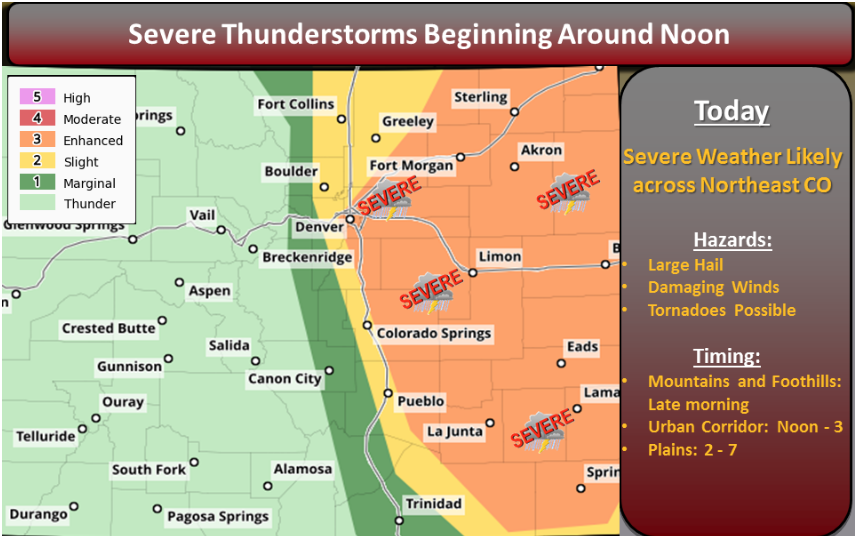
The state’s climate is primarily semi-arid, characterized by low humidity and abundant sunshine, averaging over 300 sunny days annually. However, this general description barely scratches the surface. Due to significant elevation changes, a journey of just a few hours can take you from one extreme to another. For instance, you might experience mild, dry conditions in the eastern plains while simultaneously encountering heavy snowfall in the high country. This article will delve into Colorado’s seasonal patterns, regional variations, and how this dynamic weather influences travel, tourism, and lifestyle choices, ensuring you’re well-prepared for an unforgettable adventure.
Understanding Colorado’s Seasonal Climate Patterns
Colorado’s four distinct seasons each present their own unique charm and weather challenges. Preparing for these seasonal shifts is crucial for optimizing your travel plans, whether you’re seeking an adrenaline-fueled ski trip or a serene mountain retreat.
Winter: A Wonderland of Snow and Alpine Adventures
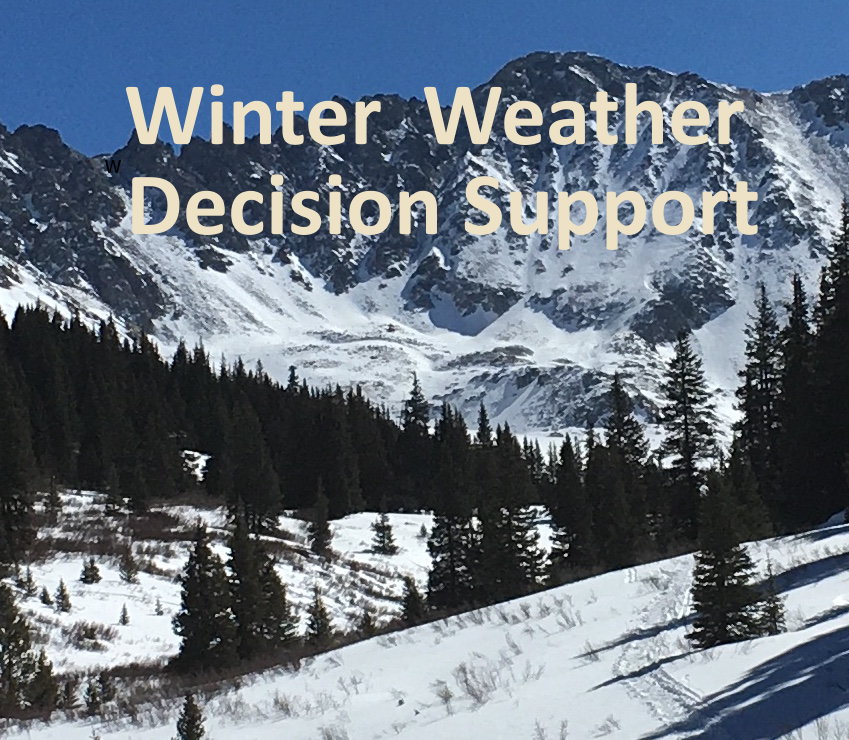
Winter in Colorado, generally from November to April, transforms much of the state into a pristine, snow-covered wonderland. Temperatures in the mountain resorts like Vail, Aspen, and Breckenridge typically range from 15°F to 40°F (-9°C to 4°C), with abundant snowfall that makes it a world-class destination for winter sports. The Front Range cities like Denver and Colorado Springs experience milder winters, with average temperatures from 20°F to 45°F (-7°C to 7°C), but can still receive significant snowfalls followed by quick melting due to the abundant sunshine.
For winter travel, planning is essential. Ski resorts become bustling hubs, and accommodation bookings, from luxury hotels to cozy mountain lodges, should be made well in advance. Consider staying at ski-in/ski-out resorts for ultimate convenience. Beyond skiing and snowboarding, winter offers opportunities for snowshoeing and cross-country skiing in Rocky Mountain National Park, ice skating, and enjoying charming winter festivals. The lifestyle here revolves around warmth and comfort after a day on the slopes, with aprés-ski activities, fine dining, and relaxation by a fireplace being common indulgences.
Spring: The Thaw and Unpredictable Beauty
Spring, spanning April to June, is a period of transition and often unpredictable weather. The lower elevations and plains start to warm up, with temperatures ranging from 40°F to 65°F (4°C to 18°C), bringing out vibrant wildflowers and greening landscapes. However, the mountains still hold significant snow, and late-season snowstorms are not uncommon, especially in April and May. It’s not unusual to experience all four seasons in a single day, with sunny mornings giving way to afternoon snow showers or thunderstorms.
This shoulder season is ideal for travelers looking for fewer crowds and potentially better deals on hotels and accommodations. It’s perfect for exploring Denver’s vibrant arts scene, Boulder’s eclectic shops, or the iconic red rock formations of Garden of the Gods near Colorado Springs before the summer rush. Hiking at lower elevations becomes popular, but always check trail conditions as mud and snowmelt can be present. Layered clothing is a must for spring, allowing you to adapt to the rapidly changing conditions.
Summer: Sunshine, Adventures, and Afternoon Storms
Colorado’s summer, from July to September, is characterized by warm, sunny days and generally comfortable temperatures, making it the peak season for outdoor activities. Daytime temperatures typically range from 70°F to 90°F (21°C to 32°C) in the plains and lower elevations, while mountain towns enjoy cooler averages between 60°F and 80°F (15°C to 27°C). A common summer weather pattern is bright mornings followed by afternoon thunderstorms, especially in the mountains. These storms are usually brief but can be intense, bringing heavy rain, lightning, and hail.
Tourism flourishes in summer, with visitors flocking to Colorado for hiking, mountain biking, white-water rafting, camping, and scenic drives. Landmarks like Pikes Peak, Rocky Mountain National Park, and Great Sand Dunes National Park are incredibly popular. Booking accommodations, whether a family-friendly hotel or an adventurous glamping experience, should be done well in advance. The lifestyle during summer is active and outdoors-focused, with a strong emphasis on exploring nature and enjoying festivals. Remember to start outdoor activities early to avoid afternoon storms and be prepared for potential quick weather changes with rain gear.
Fall: Golden Aspens and Crisp Air
Autumn, usually from late September to October, is arguably one of the most beautiful times to visit Colorado. The air becomes crisp, and the state’s extensive aspen groves turn brilliant shades of gold, orange, and red. Daytime temperatures are pleasantly cool, often ranging from 45°F to 70°F (7°C to 21°C), with colder nights. Snow can begin to fall in the high country by late September or early October, signaling the approaching winter.
Fall is a photographer’s dream and a perfect time for scenic drives along routes like the Million Dollar Highway or Kebler Pass to witness the spectacular foliage. Hiking remains popular at lower and mid-elevations. Towns like Aspen and Telluride become particularly picturesque. While still a popular travel season, especially for leaf peeping, it generally sees fewer crowds than summer, offering a more tranquil experience. Many hotels and resorts offer enticing fall packages, and it’s an excellent time for a romantic getaway or a quiet family trip before the ski season frenzy begins. Packing layers is essential, as temperatures can vary significantly from day to night.
Regional Weather Variations Across Colorado
Beyond the seasonal shifts, Colorado’s diverse geography leads to distinct microclimates. Understanding these regional differences is vital for a comprehensive grasp of Colorado’s weather and tailoring your travel plans.
The Front Range and Eastern Plains
This region, home to major cities like Denver, Boulder, and Colorado Springs, experiences a semi-arid continental climate. Characterized by low humidity and abundant sunshine, it sees hot summers (often with afternoon thunderstorms) and mild, often dry winters. Snowfall is common but rarely persists for long due to frequent “Chinook” winds that bring warmer, dry air from the mountains, causing rapid melting. Temperatures here are generally warmer than in the high country, and extreme cold snaps are usually brief. This area is a hub for tourism, with excellent accommodation options ranging from luxury hotels to boutique apartments, and its relatively stable weather makes it accessible year-round for cultural exploration and city adventures.
The Rocky Mountains and High Country
This vast region, encompassing the state’s famous peaks, ski resorts (Vail, Breckenridge, Aspen, Telluride), and national parks (Rocky Mountain National Park), has an alpine climate. Winters are long, cold, and snowy, with temperatures often well below freezing and significant accumulations of powder. Summers are short, mild, and pleasant, though afternoon thunderstorms are frequent, and nights can be quite cool. Even in July, snow can fall at the highest elevations, such as Mount Elbert, Colorado’s highest peak.
Travel to the mountains is highly seasonal. Winter is for skiing and snowboarding, demanding appropriate gear and booking ski resorts or vacation rentals far in advance. Summer is for hiking, climbing, and exploring pristine wilderness, with comfortable lodges and cabins offering respite. Spring and fall offer stunning scenery but require vigilance for rapidly changing weather and potentially impassable mountain passes. Landmarks like Maroon Bells are breathtaking here.
The Western Slope and High Desert
West of the Continental Divide, areas like Grand Junction, Durango, and Mesa Verde National Park experience a climate that blends mountain influences with high desert characteristics. This region is generally warmer and drier than the Front Range. Summers are hot and dry, with temperatures often exceeding 90°F (32°C). Winters are milder than in the mountains, with less snow, though significant snowfall can occur. The Western Slope is known for its fruit orchards, vineyards, and unique landscapes like those found in Black Canyon of the Gunnison National Park.
This area offers a different kind of Colorado experience. Tourism here often focuses on outdoor recreation, wine tasting, and exploring ancient history. Accommodation ranges from quaint bed and breakfasts to larger hotels in cities like Glenwood Springs and Ouray, known for their hot springs. The weather here makes it an excellent choice for shoulder-season travel when the mountains might still be too cold, or the Front Range too hot.
Preparing for Colorado’s Dynamic Climate
Given Colorado’s diverse and often unpredictable weather, smart preparation is key to a comfortable and enjoyable trip. This includes understanding the effects of high altitude and packing strategically.
High Altitude Considerations
Much of Colorado is at a high elevation, with Denver sitting at 5,280 feet and many mountain towns significantly higher. This high altitude has several implications for visitors:
- Thinner Air: Less oxygen can lead to altitude sickness, characterized by headaches, nausea, and fatigue.
- Increased Sun Intensity: With less atmosphere to filter UV rays, the sun feels much stronger, increasing the risk of sunburn, even on cloudy days.
- Dehydration: The dry air and increased respiration at altitude can lead to quicker dehydration.
To mitigate these effects, drink plenty of water, avoid excessive alcohol and strenuous activity on your first day, and wear high-SPF sunscreen, sunglasses, and hats. Plan for a relaxed pace, especially if you’re traveling from sea level to higher elevations quickly. Many hotels and resorts in mountain towns offer humidifiers or oxygen canisters for guests to help with acclimatization.
Essential Packing for Any Season
No matter when you visit, layering is the golden rule for packing for Colorado.
- Base Layers: Moisture-wicking fabrics are crucial, especially for active pursuits in any season.
- Mid-Layers: Fleece jackets or sweaters provide warmth and can be easily removed.
- Outerwear: A waterproof and windproof jacket is essential year-round. In winter, a heavy, insulated, waterproof coat is a must.
- Footwear: Sturdy, comfortable walking shoes are vital. Waterproof hiking boots are recommended for trails, and snow boots are necessary in winter.
- Sun Protection: Sunscreen (SPF 30+), sunglasses, and a wide-brimmed hat are non-negotiable due to the intense sun.
- Hydration: Bring a reusable water bottle to stay hydrated.
- Accessories: Gloves/mittens and a warm hat are crucial for winter. Even in summer, evenings in the mountains can be chilly.
When planning your accommodation, consider amenities that align with the weather. In winter, look for hotels with hot tubs, ski valet services, or cozy fireplaces. In summer, consider places with air conditioning (especially in the plains) or outdoor patios for enjoying the mild evenings. Resorts in areas like Steamboat Springs cater specifically to seasonal outdoor lifestyles.
Ultimately, Colorado’s weather is a fundamental aspect of its identity and appeal. While it can be unpredictable, understanding its general patterns and regional nuances empowers travelers to plan wisely and embrace the adventures that await. Whether you’re chasing powder in Aspen, hiking among wildflowers in Rocky Mountain National Park, or exploring the vibrant city life of Denver, being prepared for the climate will ensure your Colorado experience is nothing short of magnificent.