
When planning any journey, understanding the prevailing weather conditions is paramount. It dictates everything from the type of clothing you pack to the activities you can comfortably enjoy. For those dreaming of a sun-kissed escape to a place often associated with picturesque landscapes and vibrant culture, the question arises: “What is the weather in La California?” While the name “La California” itself evokes images of idyllic coastal towns and charming inland regions, it’s crucial to clarify which specific “California” we are referring to, as the Golden State of the United States boasts a diverse range of climates. This article will delve into the weather patterns of the most prominent “California” destinations that travelers often have in mind, providing insights for planning your perfect trip.
Understanding the Diverse Climates of California
The state of California is a vast and geographically varied entity, stretching over 800 miles from north to south. This immense scale, coupled with significant elevation changes and proximity to the Pacific Ocean, results in a fascinating array of microclimates. From the arid deserts of the south to the redwood forests of the north, and the Mediterranean climate along the coast, understanding these regional differences is key to accurately answering the question of “What is the weather in La California?”.
Coastal California: The Mediterranean Dream
The most iconic and frequently referenced “La California” often refers to the southern and central coastal regions of the state, particularly areas like Los Angeles, San Diego, and the picturesque Central Coast. This region is renowned for its Mediterranean climate, characterized by warm, dry summers and mild, wet winters.
Southern California Coastal Weather
In cities like Los Angeles and San Diego, the weather is generally pleasant year-round, making it a perennial favorite for travelers.
-
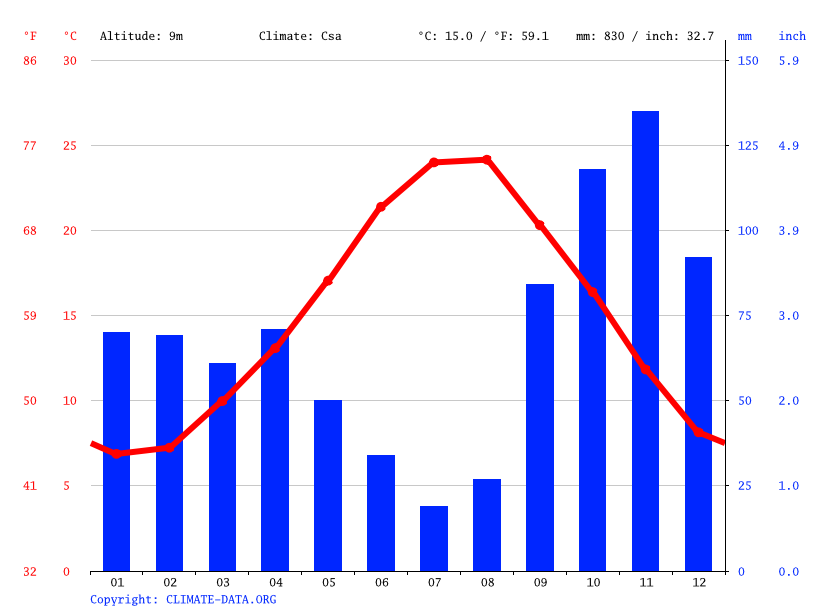
Summer (June – August): Expect warm to hot temperatures, typically ranging from the mid-70s to the mid-80s Fahrenheit (24-29°C), although inland areas can experience much higher temperatures. Rainfall is scarce during these months, with abundant sunshine being the norm. Coastal breezes often provide a welcome respite from the heat, especially in the late afternoons. This is the peak season for outdoor activities, beach visits, and exploring attractions like Disneyland or Griffith Observatory.
-
Autumn (September – November): This is often considered one of the best times to visit. The summer heat begins to subside, and the weather remains warm and sunny. Temperatures typically hover in the 70s Fahrenheit (21-26°C). While the chance of rain is still low in September and October, it gradually increases as November approaches. The autumn months are ideal for hiking in Joshua Tree National Park, wine tasting in the Temecula Valley, or enjoying outdoor festivals.
-
Winter (December – February): While considered the “wet season,” California‘s winters are relatively mild compared to many other parts of the country. Temperatures typically range from the 50s to the low 70s Fahrenheit (10-22°C). Rain showers are more frequent, but sunny days are still common. This is a great time for exploring museums, enjoying the vibrant nightlife in Hollywood, or visiting attractions without the summer crowds. Skiing in the nearby San Bernardino Mountains is also a possibility for those seeking a winter adventure.
-
Spring (March – May): As winter rains taper off, California bursts into bloom, especially in areas like Ojai or the Anza-Borrego Desert State Park. Temperatures gradually warm up, generally ranging from the 60s to the low 70s Fahrenheit (16-22°C). Sunshine is abundant, and the landscapes are at their most vibrant. Spring is perfect for scenic drives along Highway 1, exploring charming towns like Carmel-by-the-Sea, or visiting the Getty Center in Los Angeles.
Central Coast Weather
The Central Coast of California, from areas like Santa Barbara to Monterey, shares many similarities with Southern California‘s coastal climate but often experiences a bit more fog, particularly during the summer months. This phenomenon, known as the California marine layer, can create cooler temperatures closer to the coast, especially in the mornings and evenings.
- Summer: While inland temperatures can be hot, coastal areas often experience cooler daytime temperatures in the 60s and 70s Fahrenheit (16-26°C) due to the marine layer. Fog is common, particularly in June and July (often referred to as “June Gloom” and “Fogust”).
- Autumn: This is a prime time for the Central Coast, with the marine layer often dissipating, leading to warmer, sunnier days and pleasant evenings. Temperatures are typically in the 70s Fahrenheit (21-26°C).
- Winter: Mild and wet are the keywords for winter. Temperatures are in the 50s and 60s Fahrenheit (10-20°C), with rain being the most frequent precipitation.
- Spring: Similar to the south, spring sees an increase in sunshine and blooming wildflowers. Temperatures gradually climb into the 60s and 70s Fahrenheit (16-26°C).
Inland California: Greater Temperature Extremes
Moving away from the coast and venturing inland, the weather patterns in California begin to shift, showcasing more pronounced temperature variations.
Southern California Inland Deserts
Regions like the Coachella Valley (including Palm Springs, Palm Desert, and La Quinta) and the Mojave Desert experience a desert climate, characterized by extremely hot summers and cooler winters.
- Summer: These months are brutally hot, with daytime temperatures frequently exceeding 100°F (38°C) and often reaching 110°F (43°C) or higher. Nights offer some relief but remain warm. It is essential to stay hydrated and seek shade during midday.
- Autumn & Spring: These transitional seasons offer the most pleasant conditions, with daytime temperatures in the 70s and 80s Fahrenheit (21-32°C) and cooler evenings. This is the ideal time to visit, whether for golf, spa retreats, or exploring unique desert landscapes like those found in Joshua Tree National Park.
- Winter: Winters are mild and sunny, with daytime temperatures typically in the 60s and 70s Fahrenheit (16-26°C). Nights can be cool, sometimes dropping into the 40s Fahrenheit (4-9°C). This is a popular time for visitors seeking to escape colder climates.

Central Valley Weather
The Central Valley of California, a vast agricultural region, experiences a climate with hotter summers and colder winters than the coast.
- Summer: Expect hot and dry conditions, with temperatures often soaring into the 90s and 100s Fahrenheit (32-38°C).
- Winter: Winters are cooler and wetter, with temperatures often in the 40s and 50s Fahrenheit (4-15°C), and occasional frost.
Northern California Weather: Cooler and Wetter
Further north, the weather in California becomes cooler and wetter, particularly along the coast and in the mountainous regions.
Northern California Coastal Weather
Areas like San Francisco, Sonoma, and Mendocino experience a cooler version of the Mediterranean climate.
- Summer: San Francisco is famous for its cool summers, often shrouded in fog, with average temperatures in the 60s Fahrenheit (15-20°C). Other coastal areas may be slightly warmer but still benefit from oceanic influence.
- Autumn: This is a fantastic time to visit, with the fog often receding and providing warmer, sunnier days. Temperatures are mild and pleasant.
- Winter: Winters are cool and rainy, with temperatures typically in the 40s and 50s Fahrenheit (4-15°C).
- Spring: Similar to the rest of the coast, spring sees an increase in sunshine and blooming landscapes.
Sierra Nevada Mountains
The Sierra Nevada mountain range, home to Yosemite National Park and Lake Tahoe, experiences a distinctly mountainous climate.
- Summer: Days are warm to hot, but nights can be cool. Yosemite Valley temperatures can reach the 80s and 90s Fahrenheit (27-37°C) during the day.
- Winter: Winters are cold with significant snowfall, making it a prime destination for winter sports like skiing and snowboarding at resorts like Palisades Tahoe (formerly Squaw Valley and Alpine Meadows). Yosemite Valley receives snow but often in lesser quantities than the higher elevations.
Planning Your Trip Based on California’s Weather
When you ask, “What is the weather in La California?”, the answer truly depends on where and when you plan to visit.
Peak Seasons and Shoulder Seasons for Travel
The most popular time to visit much of California is during the summer months, from June to August. This is when the weather is warmest and most reliable for beach activities and outdoor exploration. However, it also coincides with higher prices and larger crowds.
The shoulder seasons, spring (April–May) and autumn (September–October), often offer a more balanced experience. You can enjoy pleasant weather, fewer crowds, and potentially better accommodation deals. Spring is particularly beautiful with blooming wildflowers, while autumn boasts clear skies and warm temperatures.
Winter (November–March) is ideal for those seeking a milder climate, fewer tourists, and opportunities for winter sports in the mountains. It’s also a great time for cultural pursuits and enjoying the state’s culinary scene.
Packing Essentials for California’s Varied Climates
Regardless of the season, it’s always wise to pack layers when visiting California.
- Coastal Areas: Bring light clothing, swimwear, sunscreen, a hat, and sunglasses for sunny days. A light jacket or sweater is essential for cooler evenings and for areas prone to fog, especially in San Francisco.
- Inland Deserts: During summer, lightweight, breathable clothing is a must. Sun protection, including long sleeves and a wide-brimmed hat, is crucial. During cooler months, pack layers that can be added or removed as temperatures fluctuate.
- Mountain Regions: For Sierra Nevada destinations, prepare for colder temperatures, especially in winter. Pack warm layers, waterproof outerwear, sturdy hiking boots, and appropriate gear for snow activities if visiting in the colder months.
By understanding the nuances of California‘s diverse weather patterns, you can better tailor your travel plans to enjoy the specific “La California” experience you’re seeking, ensuring a memorable and comfortable journey. Whether you dream of the sunny beaches of San Diego, the artistic allure of Los Angeles, the wine-rich valleys of Sonoma, or the majestic peaks of Yosemite, knowing the weather forecast is your first step to unlocking the magic of this captivating state.
LifeOutOfTheBox is a participant in the Amazon Services LLC Associates Program, an affiliate advertising program designed to provide a means for sites to earn advertising fees by advertising and linking to Amazon.com. Amazon, the Amazon logo, AmazonSupply, and the AmazonSupply logo are trademarks of Amazon.com, Inc. or its affiliates. As an Amazon Associate we earn affiliate commissions from qualifying purchases.