
New York City, a metropolis teeming with life, culture, and iconic landmarks, draws millions of visitors each year. From the dazzling lights of Times Square to the tranquil paths of Central Park, every corner of the Big Apple offers an unforgettable experience. However, to truly maximize your visit, understanding the city’s diverse weather patterns is paramount. The climate in New York City is characterized by four distinct seasons, each bringing its own charm, challenges, and unique opportunities for travel and tourism. Whether you’re planning a luxury travel escape, a budget travel adventure, a family trip, or a business stay, knowing what to expect from the skies will shape your packing list, daily itinerary, and overall enjoyment. This comprehensive guide delves into the seasonal nuances of New York City’s weather, offering insights on activities, accommodation choices, and essential tips for every kind of traveler.
Navigating New York’s Seasons: A Traveler’s Guide
New York City experiences a humid subtropical climate, meaning its summers are hot and humid, and winters are cold with occasional snow. Spring and autumn serve as beautiful transitional periods, each offering unique advantages for visitors. Planning your trip around these seasons can significantly enhance your experience, allowing you to immerse yourself fully in the city’s vibrant lifestyle.
Spring in the City: Rebirth and Renewal (March – May)
As winter’s chill recedes, New York City awakens with the promise of spring. This season is often considered one of the best times to visit, striking a perfect balance between comfortable temperatures and fewer crowds compared to peak summer.
Weather and What to Expect
March can still feel like winter, with average temperatures ranging from 35-45°F (2-7°C), sometimes dipping below freezing or surprising with a late snowfall. However, by April, temperatures climb to a pleasant 45-60°F (7-15°C), and May ushers in true spring warmth, with averages between 55-70°F (13-21°C). Rainfall is moderate throughout the season, so an umbrella is a wise addition to your packing list. The air is crisp, and the city’s numerous parks begin to burst with color, making it ideal for outdoor exploration.
Activities and Attractions
Spring is perfect for strolling through the blooming gardens of Central Park, where daffodils and cherry blossoms create a picturesque backdrop. Consider a walk across the Brooklyn Bridge for breathtaking skyline views, or explore the elevated greenery of the High Line in Chelsea. Outdoor dining starts to become popular, with restaurants opening up sidewalk seating, allowing you to soak in the vibrant street life. Cultural events and street festivals also begin to pick up pace. You might catch a baseball game at Yankee Stadium or Citi Field, or enjoy a picnic in Washington Square Park. For art enthusiasts, the Metropolitan Museum of Art or the Museum of Modern Art (MoMA) offer indoor retreats on cooler or rainy days.

Accommodation and Travel Tips
Spring sees a gradual increase in hotel prices as demand grows, especially from late April into May. Hotels near Central Park or with easy access to subway lines become highly sought after. Booking your suites or apartments in advance is advisable. Look for accommodation that offers good natural light, perhaps with a balcony, to fully enjoy the fresh spring air. Many resorts and high-end hotels feature rooftop bars or gardens that come alive in spring, providing exquisite views and experiences.
Summer in the City: Energy and Excitement (June – August)
New York City in summer is an exhilarating experience, marked by long, sunny days and a palpable buzz of energy. It’s peak tourism season, so expect crowds, especially at major attractions.
Weather and What to Expect
Summers are hot and often humid, with average temperatures ranging from 70-85°F (21-29°C), frequently soaring into the 90s (32°C+) during heatwaves. Thunderstorms can occur, often providing a brief but intense downpour before clearing. The humidity can make the city feel even warmer, so dressing in light, breathable fabrics is essential. The concrete jungle effect also means heat can linger, particularly in areas like Manhattan.
Activities and Attractions
Summer opens up a plethora of outdoor activities. Take a ferry to the Statue of Liberty and Ellis Island, or explore Governors Island, which offers bike rentals, art installations, and stunning skyline views. Beach lovers can head to Coney Island for amusement park rides and seaside fun. Free outdoor concerts and movie screenings are common in parks across all five boroughs: Manhattan, Brooklyn, Queens, The Bronx, and Staten Island. Air-conditioned indoor venues like Broadway shows, museums, and shopping on Fifth Avenue offer respite from the heat. Indulge in rooftop bars, explore diverse neighborhoods like Greenwich Village or SoHo, and enjoy the city’s vibrant food scene, perhaps with some classic New York City pizza.
Accommodation and Travel Tips
Summer is peak season for hotels, meaning higher prices and reduced availability. Booking accommodation well in advance is crucial, especially if you have specific preferences for hotels or apartments with desirable amenities like air conditioning or a pool. Many resorts offer attractive packages, but securing them early will save you money. Consider staying in less central boroughs for potentially better deals, using the excellent public transport system for access to Manhattan. Hydration is key; carry a reusable water bottle. For budget travel during this period, explore hostels or short-term apartment rentals, though competitive reviews and comparisons are vital.
Autumn in the City: Golden Hues and Festivities (September – November)
Many consider autumn the most beautiful season in New York City. The heat and humidity of summer dissipate, replaced by crisp air and stunning fall foliage.
Weather and What to Expect
September continues the warmth of summer but with less humidity, averaging 60-75°F (15-24°C). October brings cooler, quintessential fall weather, with temperatures ranging from 50-65°F (10-18°C), making it ideal for walking tours. November sees a noticeable drop, averaging 40-55°F (4-13°C), and prepares the city for winter, sometimes with early snow flurries. Rainfall is moderate, similar to spring. The vibrant colors of changing leaves, especially in Central Park and along the Hudson River waterfronts, create an incredibly scenic backdrop.
Activities and Attractions
Autumn is prime time for outdoor activities, from leisurely strolls through Central Park to exploring the Brooklyn Botanic Garden. The city comes alive with festivals, including the New York Film Festival, and holiday preparations begin. The Thanksgiving Day Parade is a monumental event that draws massive crowds. Outdoor dining remains popular, often with heat lamps extending the season. Take a ferry to see the Statue of Liberty with the backdrop of autumn leaves, or visit the One World Observatory for panoramic views of the colorful landscape. Explore the historical streets of Wall Street and the solemn 9/11 Memorial & Museum.
Accommodation and Travel Tips
Autumn, particularly October, is a popular time for visitors, leading to higher hotel rates and tight accommodation availability. It’s often compared to spring in terms of desirability for travel, so early booking is essential for prime hotels or villas. Many hotels and resorts offer special packages around holiday weekends, making them attractive for a family trip or a romantic getaway. Layering is key for packing, as temperatures can fluctuate throughout the day. Given the pleasant weather, consider long-term stay options if you want to truly immerse yourself in the local culture and experience the festive atmosphere building towards the year-end holidays.
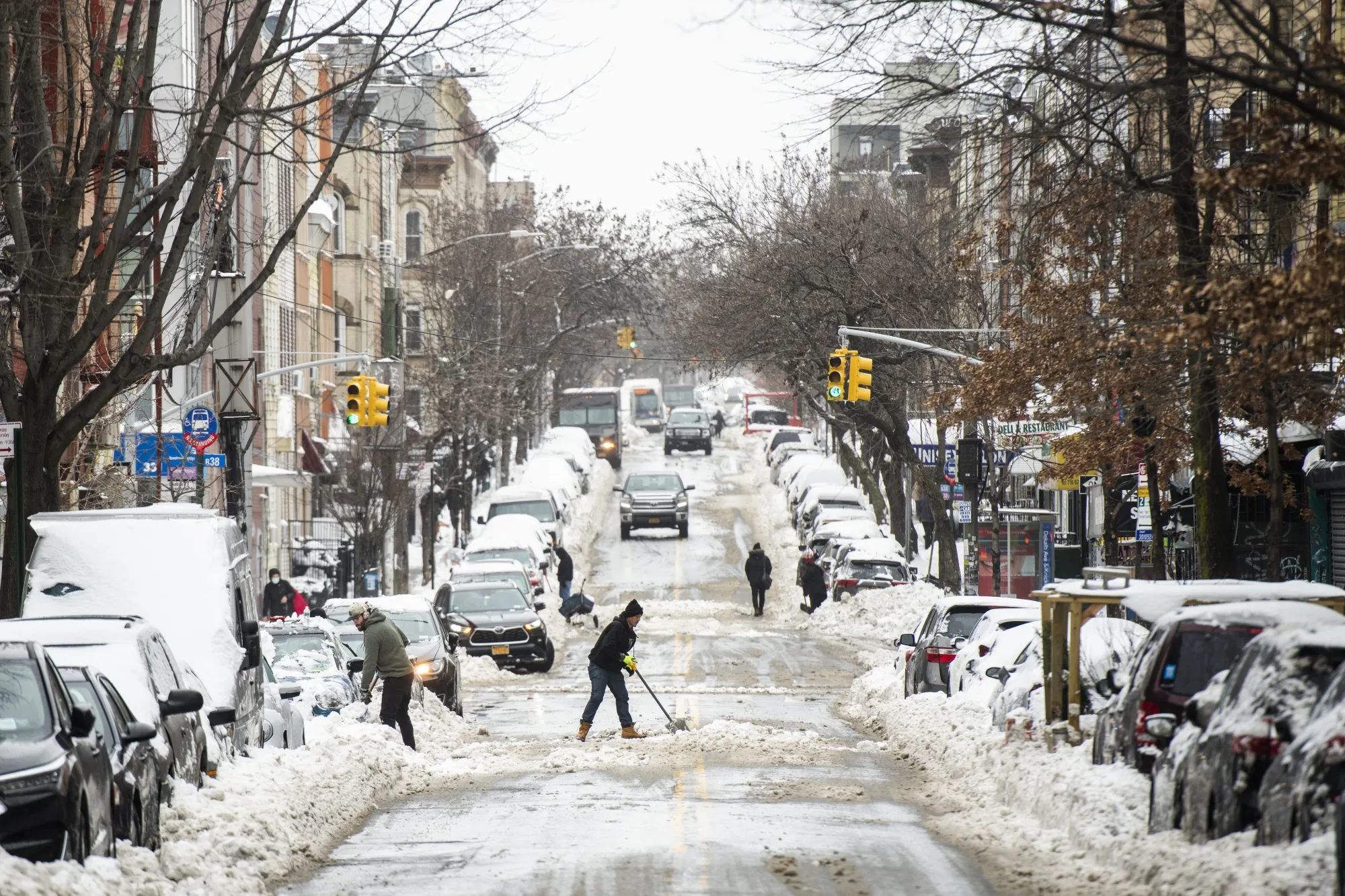
Winter in the City: Wonderland and Holiday Magic (December – February)
New York City transforms into a magical wonderland during winter, especially around the holidays. While it can be very cold, the festive spirit is undeniable.
Weather and What to Expect
Winters are cold, with average temperatures ranging from 25-40°F (-4 to 4°C). Snowfall is common, sometimes resulting in significant accumulations that can temporarily disrupt travel, but also create stunning, postcard-perfect scenes. January and February are typically the coldest months. Wind chill, especially near the Hudson River or East River, can make it feel even colder. Dressing in warm layers, including a heavy coat, hat, gloves, and waterproof boots, is crucial.
Activities and Attractions
The holiday season is undoubtedly the highlight of winter. Witness the dazzling Rockefeller Center Christmas tree, go ice skating at Bryant Park or Wollman Rink in Central Park, or enjoy the famous Radio City Christmas Spectacular at Radio City Music Hall. New Year’s Eve in Times Square is an iconic, albeit crowded, experience. After the holidays, the city offers excellent opportunities for indoor attractions with fewer crowds, such as museums, art galleries, and Broadway shows. Explore the grandeur of Grand Central Terminal, marvel at the architecture of the Empire State Building or the Chrysler Building, or visit the United Nations Headquarters. Warm up with delicious hot chocolate or a hearty meal in one of New York City’s world-class restaurants.
Accommodation and Travel Tips
Post-holiday season (January and February) offers the lowest hotel prices and best accommodation deals, making it an excellent time for budget travel or to experience luxury hotels at a more accessible price point. Many hotels offer enticing packages during this quieter period. However, expect premium pricing for the weeks leading up to and including Christmas and New Year’s Eve. Look for hotels with cozy amenities like indoor pools, spas, or fireplaces. Ensure your chosen accommodation is well-heated and conveniently located near subway stations to minimize exposure to the cold.
Maximizing Your NYC Experience: Beyond Seasonal Forecasts
While understanding the distinct seasons is crucial, New York City’s weather can be notoriously unpredictable. A sunny morning can turn into a rainy afternoon, and microclimates exist within different boroughs.
Preparing for Variability and Urban Heat Island Effect
Always check the local forecast just before and during your trip. The “urban heat island” effect means that built-up areas, especially Manhattan, can be several degrees warmer than surrounding suburban areas, particularly at night. Conversely, riverfronts can be windier and feel colder. Packing layers is the golden rule for any New York City visit, regardless of the season. A lightweight jacket or sweater is almost always useful, even in summer for air-conditioned indoor spaces. Comfortable walking shoes are also indispensable, as exploring the city often involves a lot of walking.
Travel Planning and Flexibility
Being prepared for varying weather conditions allows for greater flexibility in your travel plans. Have a list of indoor activities (museums, Broadway shows, shopping centers like Columbus Circle or Brookfield Place) as backup for rainy or excessively hot/cold days. Utilize the extensive subway system, which provides a comfortable and efficient way to navigate the city in any weather. Many travel guides and online resources offer daily updates and tips tailored to current conditions, making it easier to adjust your itinerary on the fly. Don’t forget to research local culture and food experiences that might be seasonal, such as specific street fairs or seasonal menus at renowned restaurants.
In conclusion, New York City’s weather is as dynamic and diverse as the city itself. Each season presents a unique opportunity to experience this incredible destination. From the blossoming beauty of spring to the festive charm of winter, understanding the climate allows you to pack appropriately, plan wisely, and ensure your trip is comfortable, memorable, and filled with all the wonders the Big Apple has to offer. Whether you’re seeking the vibrant energy of summer or the cozy allure of winter, a little preparation goes a long way in enjoying your New York City adventure to the fullest.
LifeOutOfTheBox is a participant in the Amazon Services LLC Associates Program, an affiliate advertising program designed to provide a means for sites to earn advertising fees by advertising and linking to Amazon.com. Amazon, the Amazon logo, AmazonSupply, and the AmazonSupply logo are trademarks of Amazon.com, Inc. or its affiliates. As an Amazon Associate we earn affiliate commissions from qualifying purchases.