
Nestled in the heart of the Sunshine State, Orlando, Florida, stands as one of the world’s premier travel destinations, renowned for its enchanting theme parks, diverse attractions, and vibrant tourism scene. Millions flock to this magical city each year, drawn by the allure of Walt Disney World Resort, Universal Orlando Resort, and countless other experiences. However, beyond the thrilling rides and captivating shows, a significant factor shapes every visitor’s journey: the weather. Understanding Orlando’s climate is paramount for planning the perfect trip, ensuring comfort, maximizing enjoyment, and making the most of your accommodation choices, whether you’re seeking a luxury resort or a budget-friendly apartment.
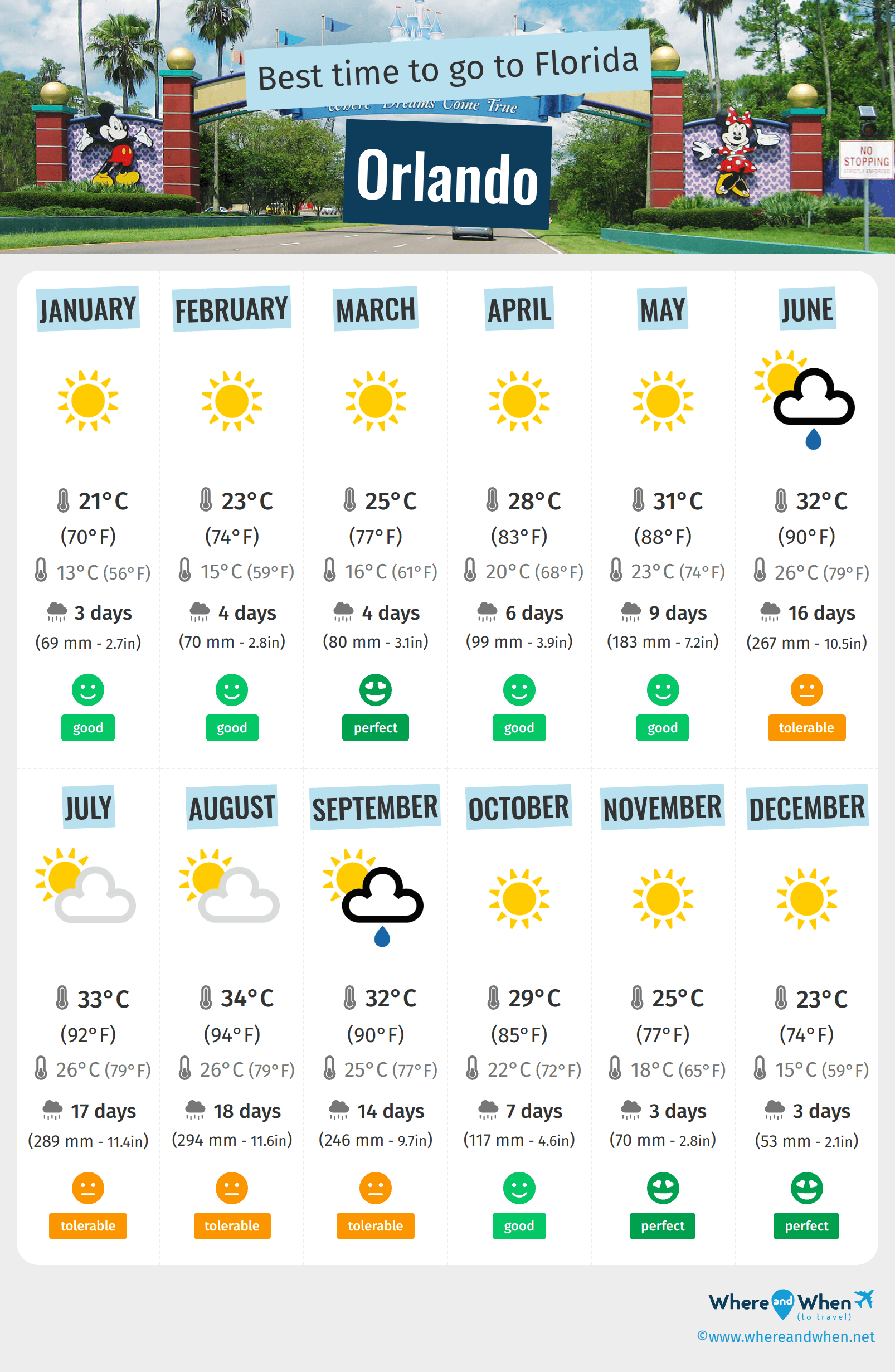
Orlando boasts a humid subtropical climate, characterized by hot, rainy summers and mild, relatively dry winters. This unique weather pattern, influenced by its proximity to both the Atlantic Ocean and the Gulf of Mexico, dictates everything from what to pack to the best time for outdoor adventures. From sunshine-filled mornings to dramatic afternoon thunderstorms, the weather in Orlando is an experience in itself, requiring travelers to be prepared for a dynamic range of conditions throughout the year.
Understanding Orlando’s Subtropical Climate
Orlando’s climate is defined by distinct seasons, each offering a different facet of the city’s charm and demanding specific considerations for travelers. Its classification as humid subtropical means that while winters are generally pleasant, summers can be intensely hot and humid, punctuated by frequent, yet often brief, rain showers.
Seasonal Overview
Summer (June – September): The Peak Heat and Humidity
Summer in Orlando is synonymous with heat, humidity, and daily afternoon thunderstorms. Temperatures typically soar into the low 90s Fahrenheit (around 32-34°C), with “feels like” temperatures often pushing higher due to the moisture-laden air. The humidity can be stifling, especially for those unaccustomed to tropical climates. These months are also the wettest, with almost daily pop-up thunderstorms rolling in during the late afternoon. While these storms can be intense, bringing heavy rain, lightning, and strong winds, they are usually short-lived, clearing up within an hour or two to reveal renewed sunshine.
For visitors during this period, early mornings are key to enjoying outdoor attractions before the heat and crowds peak. Water rides at theme parks like SeaWorld Orlando or the water parks such as Aquatica Orlando, Typhoon Lagoon, and Volcano Bay become essential havens for cooling off. It’s crucial to seek out air-conditioned indoor shows, restaurants, and shops as relief throughout the day. Packing light, breathable fabrics, staying hydrated, and having rain gear on hand are non-negotiable for a comfortable summer visit.
Autumn (October – November): The Sweet Spot
As summer transitions into autumn, Orlando experiences a delightful shift in weather patterns. October and November are often considered among the best months to visit. The intense humidity begins to subside, and temperatures become much more pleasant, typically ranging from the mid-70s to low 80s Fahrenheit (24-29°C). Rainfall significantly decreases, leading to more consistent sunny days.
This period is perfect for exploring theme parks, engaging in outdoor activities, and enjoying local culture without the oppressive heat. It’s also a popular time for various festivals, such as the renowned Epcot International Food & Wine Festival, making it an ideal choice for travelers interested in culinary experiences and a vibrant social scene. The milder weather also makes it easier to explore downtown Orlando or venture out for an airboat tour.
Winter (December – February): Mild and Comfortable
Orlando’s winter months are generally mild, dry, and offer a comfortable escape from colder climates around the globe. Daytime temperatures typically hover in the 60s to 70s Fahrenheit (15-24°C), with cooler evenings and occasional cold snaps that can bring temperatures into the 40s or even 30s Fahrenheit (below 10°C) for brief periods. Rainfall is at its lowest during this season, ensuring plenty of sunshine.
This is an excellent time for those who prefer to avoid extreme heat. It’s perfect for extended stays, enjoying outdoor patios, golfing, or exploring landmarks like ICON Park or the unique wildlife at Gatorland without breaking a sweat. While pools at many resorts are heated year-round, the cooler air means that water parks might operate on limited schedules or close entirely, so it’s wise to check ahead if aquatic adventures are a priority. Layered clothing is advisable, especially for mornings and evenings, to adapt to fluctuating temperatures.
Spring (March – May): Warming Up and Blooming
Spring in Orlando is a beautiful season, characterized by increasing warmth, abundant sunshine, and relatively low humidity. Temperatures gradually rise from the high 70s to mid-80s Fahrenheit (24-30°C) as summer approaches, but the humidity remains more manageable than in the summer months. Rainfall is still relatively low compared to summer, though occasional showers can occur.
This season offers a wonderful balance, making it a highly desirable time to visit. Gardens bloom, and the city buzzes with energy. Festivals like the fictional Orlando Bloom & Garden Festival (a plausible event given the city’s character) would perfectly showcase the season’s vibrancy. While spring break crowds can be significant in March and April, the weather generally makes for incredibly enjoyable outdoor experiences, from theme park excursions to exploring botanical gardens or natural springs in the wider Florida area.
Preparing for Orlando’s Weather: Tips for Travelers
No matter the time of year, being adequately prepared for Orlando’s weather is crucial for a smooth and enjoyable trip. Practical planning can make all the difference, enhancing your overall travel experience and allowing you to focus on the fun.
Packing Essentials
Clothing:
- Summer: Prioritize light-colored, loose-fitting, moisture-wicking fabrics like cotton or linen. Shorts, t-shirts, and sundresses are ideal.
- Winter/Spring/Fall: Pack layers. While days can be warm, evenings can be cool. Long-sleeved shirts, light sweaters, or a jacket will be useful, especially during the cooler winter months.
- Swimsuits: Essential year-round, as many Orlando hotels and resorts feature heated pools.
- Rain Gear: A lightweight rain poncho or a compact umbrella is a must, particularly for summer visits. Afternoon showers can catch you by surprise, especially in theme parks where shelter might be a walk away.

Sun Protection:
The Florida sun is strong, even on cloudy days.
- Sunscreen: A high SPF, broad-spectrum sunscreen is indispensable. Apply it liberally and reapply frequently, especially after swimming or sweating.
- Hats and Sunglasses: Protect your face and eyes from direct sun exposure.
- Lip Balm with SPF: Don’t forget your lips!
Footwear:
You’ll be doing a lot of walking in Orlando, particularly at the theme parks.
- Comfortable Walking Shoes: Absolutely paramount. Opt for broken-in sneakers or comfortable athletic shoes.
- Sandals/Flip-flops: Great for poolside relaxation or casual evenings, but not recommended for extended periods of walking.
- Waterproof Shoes: If visiting during the summer, water-resistant shoes can be a blessing after a downpour or for water rides.
Staying Hydrated and Comfortable
Given the heat and humidity, especially in summer, hydration is key. Drink plenty of water throughout the day, even if you don’t feel thirsty. Many parks offer water bottle refill stations, and you can always ask for free ice water at quick-service locations. Taking regular breaks in air-conditioned shops or shows is a smart strategy to escape the heat and recharge. Plan your most strenuous activities for the cooler parts of the day, such as early mornings. Many travelers find a cooling towel to be a valuable addition to their park bag during the hotter months.
Navigating Summer Thunderstorms
While summer thunderstorms might seem like a deterrent, they are a normal part of Orlando’s climate and rarely ruin an entire day. Most are brief and localized. A common strategy is to plan indoor activities, dining, or shopping for the late afternoon hours when storms are most likely. If you’re caught in a park, find shelter, grab a snack, or explore an indoor attraction. Often, after the rain clears, the air feels refreshed, and the crowds may have thinned, offering a prime opportunity to enjoy rides with shorter wait times.
Weather’s Influence on Orlando Attractions and Activities
The local weather significantly influences how you experience Orlando’s vast array of attractions, shaping everything from opening hours to the simple enjoyment of an outdoor meal.
Theme Parks and Outdoor Adventures
Orlando’s world-famous theme parks are designed to be enjoyed in various weather conditions, but some seasons are undeniably more comfortable. Cooler months, particularly autumn and winter, are ideal for extensive park exploration at Walt Disney World Resort, Universal Orlando Resort, and LEGOLAND Florida Resort, allowing for comfortable walking and queuing. During the summer, water parks like Aquatica Orlando, Typhoon Lagoon, and Volcano Bay become prime destinations, offering refreshing escapes from the heat.
Beyond the parks, outdoor adventures like airboat tours through the Everglades, such as those offered by Boggy Creek Airboat Adventures, are much more pleasant in the cooler, drier seasons. Golfing, a popular pastime in Florida, is also best enjoyed from late fall to early spring. Even simple activities like strolling through Orlando’s charming neighborhoods or dining al fresco are heavily influenced by the temperature and humidity.
Indoor Attractions and Rainy Day Alternatives
Thankfully, Orlando offers an abundance of indoor attractions and activities perfect for escaping the heat, humidity, or unexpected rain. These venues provide excellent alternatives for any weather condition:
- Museums: Explore the wonders at the Orlando Science Center or admire art at the Orlando Museum of Art.
- Shopping: Indulge in retail therapy at premier destinations like the Mall at Millenia or seek out deals at the Orlando International Premium Outlets.
- Entertainment: Catch a captivating dinner show like Medieval Times Dinner & Tournament or marvel at marine life at the SEA LIFE Orlando Aquarium.
- Resort Amenities: Many large resorts offer extensive indoor facilities, including arcades, spas, fitness centers, and kids’ clubs, perfect for passing time during a summer storm or a cooler winter day.
Accommodations and Amenities for All Seasons
When selecting accommodation in Orlando, consider how the property’s amenities align with the seasonal weather. During the hot summer, a resort with an elaborate pool complex, perhaps featuring a lazy river or multiple slides, like Universal’s Cabana Bay Beach Resort or Disney’s Yacht Club Resort, becomes a significant draw. Air conditioning is a given in virtually all modern Orlando accommodations, from budget-friendly apartments to luxurious villas.
In the cooler months, while pools are often heated, having access to indoor entertainment or dining options within your hotel or resort can add to the comfort of your stay. Reviews and comparisons of hotels often highlight how well properties cater to different weather conditions, a vital aspect for any tourism-focused stay. Whether you’re booking a suite for a business trip or a villa for a family vacation, aligning your accommodation choice with the expected climate contributes greatly to a fulfilling lifestyle experience.
Optimal Times to Visit Orlando Based on Weather
Deciding the “best” time to visit Orlando often involves a delicate balance between weather preferences, crowd levels, and specific events. Each season has its pros and cons, allowing travelers to tailor their trip to their ideal conditions.

Balancing Weather, Crowds, and Events
- Spring (March-May): Offers some of the most pleasant weather – warm, sunny days with lower humidity. However, this period coincides with spring breaks and Easter holidays, leading to significant crowds and higher prices for flights and accommodations. If you prioritize good weather and don’t mind the crowds, spring is fantastic.
- Fall (October-November): Many consider late fall to be the absolute sweet spot. The weather is superb – less heat, less humidity, and fewer rain showers. Crowds are generally more manageable than in spring or summer, and the city hosts popular Halloween events and food festivals, offering unique cultural and culinary experiences.
- Winter (December-February): Provides the coolest and driest weather, ideal for those sensitive to heat. It’s perfect for enjoying outdoor activities without discomfort. However, the period around Christmas and New Year’s is one of the busiest and most expensive times, while the rest of winter sees moderate crowds.
- Summer (June-September): While hot and humid with daily thunderstorms, summer is peak family travel season due to school holidays. The water parks are in full swing, and evening fireworks displays are frequent. If you’re prepared for the heat and crowds, and embrace water activities and indoor breaks, summer can still be a magical time, especially for families with children.
Ultimately, the best time to visit Orlando depends on your personal priorities. If mild weather is paramount, aim for fall or winter. If you’re a family traveling with school-aged children, summer might be your only option, but with proper planning, it can still be highly enjoyable. Always check the Orlando calendar of events for any special happenings that might coincide with your visit, as these can significantly impact both crowd levels and the overall experience.
In conclusion, Orlando, Florida, offers a captivating travel experience year-round, each season presenting its own unique character. While the city’s humid subtropical climate ensures plenty of sunshine, understanding its seasonal nuances – from the intense summer heat and afternoon showers to the mild, comfortable winters – is key to a perfectly planned and thoroughly enjoyable trip. By preparing appropriately, packing smart, and leveraging the city’s vast array of attractions, both indoor and outdoor, you can ensure your Orlando adventure is nothing short of magical, regardless of what the weather brings. Always check the forecast closer to your departure date for the most accurate and up-to-the-minute information, allowing you to fine-tune your plans and make the most of every moment in this extraordinary destination.
LifeOutOfTheBox is a participant in the Amazon Services LLC Associates Program, an affiliate advertising program designed to provide a means for sites to earn advertising fees by advertising and linking to Amazon.com. Amazon, the Amazon logo, AmazonSupply, and the AmazonSupply logo are trademarks of Amazon.com, Inc. or its affiliates. As an Amazon Associate we earn affiliate commissions from qualifying purchases.