
Orlando, Florida, often hailed as the “Theme Park Capital of the World,” is a magnet for travelers from across the globe. Whether you’re planning a magical family vacation to the Walt Disney World Resort, seeking thrilling adventures at Universal Orlando Resort, or looking for unforgettable marine encounters at SeaWorld Orlando, understanding the local weather is paramount to crafting the perfect itinerary. Beyond the world-class attractions, Orlando offers a vibrant tapestry of culture, dining, and natural beauty. However, its subtropical climate in central Florida means the weather can dramatically influence your travel experience, from packing essentials to choosing the ideal time for your visit. This comprehensive guide delves into Orlando’s distinct seasons, helping you anticipate what to expect and how to best prepare for a truly memorable trip.
Orlando’s Climate: A Year-Round Overview
Nestled inland, away from the immediate cooling effects of the Atlantic Ocean and the Gulf of Mexico, Orlando experiences a humid subtropical climate characterized by hot, wet summers and mild, drier winters. The city boasts an impressive average of 233 sunny days per year, making it an ideal destination for those seeking warmth and sunshine. However, this sun-drenched paradise also comes with specific weather patterns that are crucial for any visitor to understand, especially when considering outdoor activities, booking accommodations, and planning travel experiences.
The climate significantly impacts tourism and lifestyle in Orlando. For instance, the summer heat often dictates early morning park visits and mid-day breaks at your hotel’s pool. Conversely, the mild winter attracts snowbirds and those seeking an escape from colder climates, boosting the demand for resorts and long-term accommodation. The varied weather patterns influence everything from local culture and food festivals to the types of activities available, whether it’s exploring the botanical wonders of Harry P. Leu Gardens or enjoying a stroll around Lake Eola Park. Understanding these nuances allows travelers to maximize their enjoyment, choosing the best time of year based on their preferences for temperature, crowd levels, and specific activities.
Seasonal Delights and Challenges: Navigating Orlando’s Weather
Orlando’s year can be broadly divided into four distinct seasons, each offering a unique set of weather conditions and implications for travelers. From the pleasant warmth of spring to the occasional chill of winter, knowing what each season holds is key to a well-planned trip.
Spring: Pleasant Breezes and Blooming Fun (March – May)
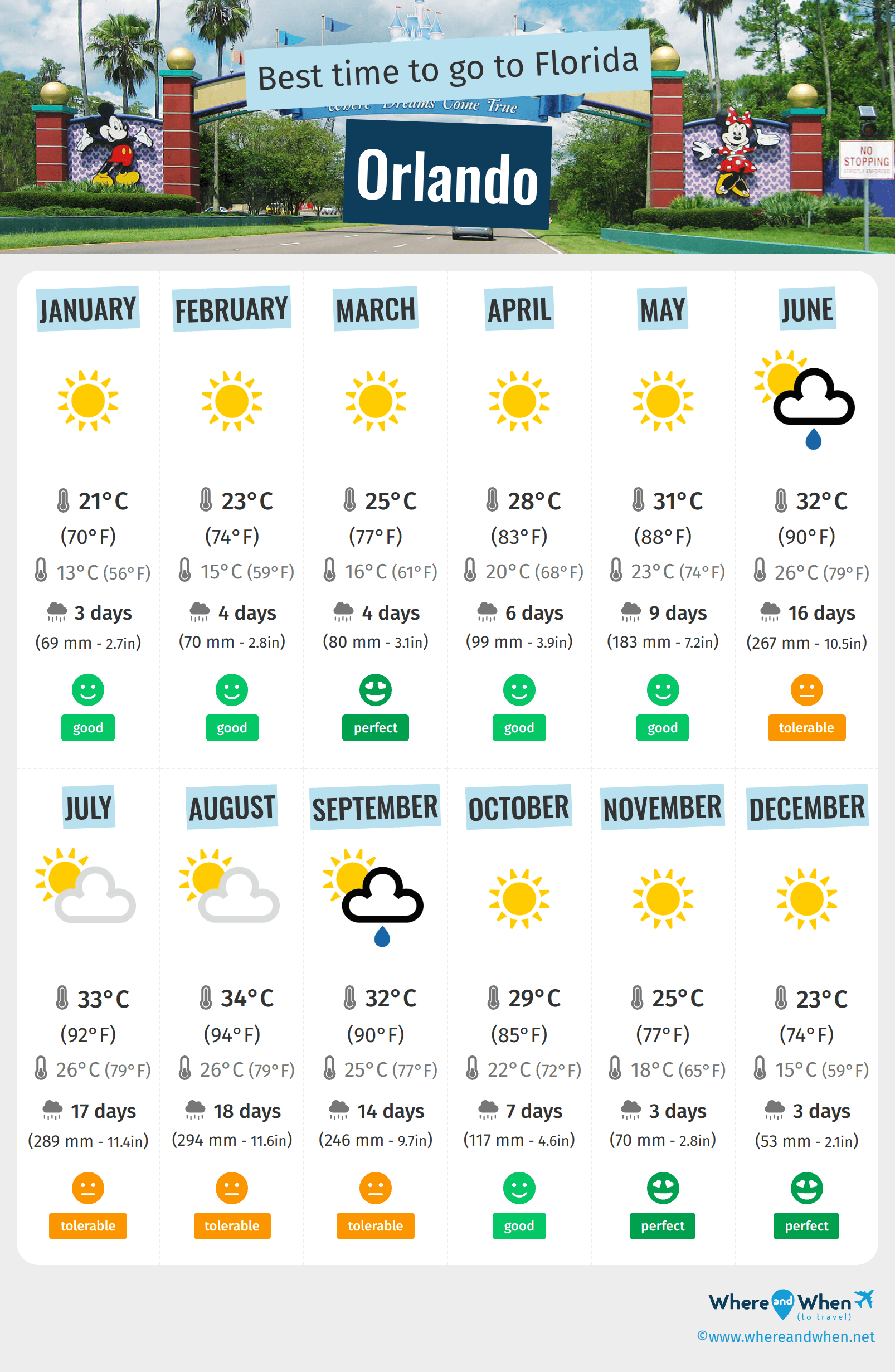
Spring is arguably one of the most delightful times to visit Orlando. The weather is generally warm and comfortable, with average high temperatures ranging from the mid-70s°F (24-25°C) in March to the high 80s°F (30-31°C) by May. Nighttime lows are equally pleasant, typically in the 50s°F (10-15°C) in early spring, climbing to the high 60s°F (19-20°C) as summer approaches. Humidity levels are relatively low, making outdoor activities incredibly enjoyable. Rainfall is minimal compared to the summer months, usually occurring in short, scattered showers rather than prolonged downpours.
This season is perfect for exploring the theme parks without the intense summer heat or crowds. You can comfortably spend a full day at Magic Kingdom, EPCOT, or Universal Studios Florida, enjoying the attractions and outdoor shows. It’s also an excellent time for water parks like Volcano Bay and for day trips to nearby beaches like Cocoa Beach or Clearwater Beach. The comfortable weather also enhances experiences related to local culture and food, allowing for leisurely exploration of Orlando’s diverse culinary scene and outdoor festivals. Many choose luxury travel during this period to enjoy premium resort amenities like expansive pools and golf courses in ideal conditions, without the overwhelming heat of summer. Resorts such as the Four Seasons Resort Orlando at Walt Disney World Resort or The Ritz-Carlton Orlando, Grande Lakes are particularly appealing.
Summer: Sunshine, Storms, and Sizzling Adventures (June – September)
Summer in Orlando is synonymous with heat and humidity. Average high temperatures consistently hover in the low to mid-90s°F (32-35°C), often feeling even hotter due to high humidity, which can reach 90% or more. Nighttime lows typically stay in the 70s°F (21-26°C). This is also the rainy season, characterized by frequent afternoon thunderstorms. These storms are usually short-lived but intense, bringing heavy rain, lightning, and sometimes strong winds. While they can temporarily disrupt outdoor plans, they often provide a welcome cool-down. June 1st officially marks the beginning of hurricane season, which extends through November. While a direct hit on Orlando is rare due to its inland location, the city can experience effects from passing storms, including heavy rain and strong winds.
Despite the intense heat and daily rain, summer is peak season for family trips, largely due to school holidays. Water parks like Typhoon Lagoon and Blizzard Beach at Disney, or Discovery Cove at SeaWorld, become essential havens. Theme parks adapt with numerous indoor attractions, shaded areas, and misting fans. Travelers often adjust their schedules, starting early, taking a mid-day break at their hotel pool, and returning to the parks in the cooler evenings. For accommodation, resorts with excellent pools and amenities, such as the JW Marriott Orlando, Grande Lakes or the Hyatt Regency Orlando, become highly sought after. Booking accommodations with good air conditioning is non-negotiable.

Fall: Cooler Comfort and Festive Atmosphere (October – November)
As summer transitions into fall, Orlando experiences a significant improvement in weather conditions. October and November bring a noticeable drop in both temperature and humidity, making outdoor activities much more comfortable. Average high temperatures in October are in the low 80s°F (27-28°C), falling to the mid-70s°F (24-25°C) in November. Nighttime lows range from the low 60s°F (16-18°C) to the mid-50s°F (12-14°C). Rainfall decreases, and the threat of hurricanes also diminishes significantly by late October.
This season is another prime time for visiting, especially for those who prefer milder weather and festive events. Theme parks host popular Halloween and holiday-themed celebrations, like Mickey’s Not-So-Scary Halloween Party at Magic Kingdom and Halloween Horror Nights at Universal Studios Florida. The pleasant weather is ideal for exploring landmarks like ICON Park or enjoying an airboat tour through the Everglades at Boggy Creek Airboat Adventures. It’s also a fantastic time for budget travel, as hotel prices might be slightly lower outside of major holiday weekends, and the weather allows for more cost-effective outdoor activities. Many choose to extend their stay in apartments or villas to enjoy the extended pleasant weather.
Winter: Mild Escapes and Holiday Cheer (December – February)
Orlando’s winter offers a refreshing escape for those fleeing colder climates. The weather is generally mild, dry, and sunny, making it a favorite for “snowbirds.” Average high temperatures typically range from the low 70s°F (21-22°C) in December and February to the mid-60s°F (18-19°C) in January, which is the coolest month. Nighttime lows can drop into the 40s°F (4-9°C), and occasionally even lower, so a light jacket or sweater is often necessary, especially in the evenings. While cold fronts can bring brief periods of chill, extended cold spells are uncommon. Rainfall is at its lowest during these months.
Winter is excellent for tourism, offering comfortable conditions for theme park visits, particularly for those who dislike heat. It’s also a popular time for business stays, with many conventions held in Orlando’s state-of-the-art facilities like the Orange County Convention Center. The holiday season transforms the parks and city into a festive wonderland, drawing large crowds despite the cooler temperatures. It’s also a great time to explore attractions beyond the major theme parks, such as visiting Gatorland or taking a day trip to the Kennedy Space Center Visitor Complex. Accommodation, particularly resorts like the Hilton Orlando or Loews Portofino Bay Hotel, fills up quickly, especially around Christmas and New Year’s, so booking well in advance is highly recommended.

Planning Your Orlando Getaway: Weather’s Influence on Travel and Accommodation
The weather in Orlando plays a pivotal role in shaping your travel itinerary, from choosing your ideal travel dates to selecting the perfect accommodation. Understanding these influences can significantly enhance your experience.
When considering Travel Destinations and Attractions, the timing of your visit directly impacts which activities are most enjoyable. During the hot summer months, prioritize attractions with indoor queues, ample shade, or water-based activities. Islands of Adventure at Universal Orlando Resort, with its exciting water rides, becomes a go-to. Conversely, the cooler spring and fall offer perfect conditions for exploring outdoor landmarks like The Alfond Inn at Rollins College or attending outdoor events at Exploria Stadium without discomfort.
Hotels and Accommodation choices are also influenced by Orlando’s climate. In summer, properties with impressive pool complexes, such as the Hard Rock Hotel Orlando or Loews Royal Pacific Resort, become highly desirable amenities. Access to good air conditioning is a must, regardless of whether you opt for a luxury resort suite or a budget-friendly apartment. For long-term stays, particularly during the mild winter, many visitors prefer villas or vacation homes that offer more space and amenities for extended periods, providing a home-away-from-home experience. Comparing amenities like covered walkways, shuttle services, and on-site dining becomes crucial when afternoon showers are common.
For Tourism and Local Culture, weather can dictate the enjoyment of outdoor markets, festivals, and culinary tours. Spring and fall are prime times for exploring Orlando’s vibrant neighborhoods and dining al fresco. During summer, indoor attractions like the Orlando Science Center or performances at the Dr. Phillips Center for the Performing Arts offer a comfortable escape from the heat and rain. Even a visit to the Amway Center for a sporting event or concert can be a great option.
Lifestyle choices also align with the weather. Luxury travel often focuses on enjoying high-end resort amenities, which are best utilized in pleasant weather. Budget travel, on the other hand, might leverage off-peak seasons or embrace the challenge of managing summer heat with smart planning. Family trips often revolve around school calendars, making summer inevitable for many, requiring careful planning to manage the heat. Business stays, though often fixed by conference schedules, can benefit from awareness of local conditions for planning after-hours activities.
Making the Most of Your Trip: Essential Weather Tips for Orlando Visitors
Regardless of when you choose to visit, a few practical tips can ensure the weather doesn’t dampen your Orlando experience.
-
Pack Appropriately:
- Summer: Lightweight, breathable clothing (cotton, linen), swimwear, waterproof sandals, a rain jacket or poncho, and a wide-brimmed hat. Don’t forget sunglasses!
- Spring/Fall: Layers are key. T-shirts for the day, with a light sweater or jacket for cooler evenings. Swimwear is still a good idea.
- Winter: Long sleeves, trousers, and a medium-weight jacket or coat, especially for evenings and early mornings. You might still want swimwear for heated pools.
-
Stay Hydrated: This is crucial year-round, but especially during the hot and humid summer months. Drink plenty of water. Most theme parks offer free ice water at quick-service locations.
-
Sun Protection: The Florida sun is intense. Use high-SPF sunscreen liberally and reapply often, even on cloudy days. Seek shade whenever possible.
-
Beat the Heat (Summer):
- Start your day early at the parks.
- Take a mid-day break at your resort pool or for a relaxing indoor meal.
- Utilize indoor attractions and shows to cool off.
- Consider investing in portable fans or cooling towels.
-
Be Prepared for Rain (Summer): Afternoon thunderstorms are common. Don’t let them catch you off guard. Bring ponchos or small umbrellas. Many rides remain open in the rain, and crowds can thin out, offering opportunities to experience popular attractions with shorter waits after the initial rush for cover.
-
Monitor Weather Forecasts: Keep an eye on local forecasts, especially during hurricane season (June-November). While direct hits on Orlando are rare, knowing about potential tropical storms can help you adjust plans or prepare for heavy rain and wind. Reputable sources like the National Weather Service provide accurate, up-to-date information.
-
Utilize Water Parks & Resort Pools: These are your best friends during the warmer months, offering fantastic ways to cool down and have fun. Many accommodations feature elaborate pool complexes designed for families.
-
Consider Travel Insurance: For those visiting during hurricane season, travel insurance can offer peace of mind, covering potential cancellations or disruptions due to severe weather events.
In conclusion, Orlando’s dynamic weather patterns are an integral part of its charm and challenge. While the promise of sunshine and warmth draws millions, being prepared for its specific seasonal conditions is essential for a smooth and enjoyable trip. By understanding the climate, planning your activities strategically, and choosing your accommodation wisely, you can ensure that your visit to the “Theme Park Capital of the World” is magical, comfortable, and unforgettable, no matter the season.