
Phoenix, Arizona, often referred to as the “Valley of the Sun,” is a captivating destination renowned for its year-round sunshine, vibrant local culture, and stunning desert landscapes. For travelers planning a visit, understanding the unique climate of this Sonoran Desert metropolis is paramount to maximizing their experience. Whether you’re seeking a winter escape filled with outdoor adventures, or a summer retreat centered around luxurious resort pools, Phoenix’s weather dictates the rhythm of life and travel in this dynamic southwestern city. From sizzling summers to mild, inviting winters, the weather in Phoenix is as distinctive as its saguaro cacti, offering a different facet of charm with each passing season.
Understanding Phoenix’s Desert Climate
The climate of Phoenix is classified as a hot desert climate, characterized by long, extremely hot summers and short, mild winters. Situated in the heart of the Sonoran Desert, the city experiences weather patterns largely influenced by its arid environment, high altitude (relative to sea level, though it’s still a valley), and geographical position. This unique combination results in a climate that is both predictable in its extremes and surprisingly varied in its seasonal nuances. Tourists and residents alike learn to adapt to and appreciate the distinct rhythm of the desert.
The Distinct Seasons of the Sonoran Desert
Unlike many parts of the world with four clearly defined seasons, Phoenix experiences a more subtle, yet equally impactful, seasonal shift. The primary division is between a prolonged hot season and a delightful mild season. The hottest period typically spans from May through September, with July and August often seeing average daily high temperatures soar well above 100°F (38°C). This intense heat is offset by low humidity for much of the season, making it a “dry heat” that, while formidable, is often more tolerable than humid heat at lower temperatures. The mild season, from October to April, brings exceptionally pleasant conditions, with warm days and cool, crisp nights that are ideal for outdoor exploration.
A significant, albeit brief, climatic event in Phoenix is the Monsoon Season. Occurring roughly from mid-June to mid-September, the monsoon introduces a period of increased humidity and dramatic thunderstorms. While not daily occurrences, these storms can bring heavy downpours, strong winds, and spectacular lightning displays, offering a temporary reprieve from the dry heat and often resulting in stunning desert rainbows. This meteorological phenomenon is a vital part of the Sonoran Desert ecosystem, replenishing water sources and triggering a burst of late-summer greenery.
Sunshine Abundance and Low Humidity
One of Phoenix’s most defining characteristics is its incredible abundance of sunshine. The city boasts an average of over 300 sunny days per year, making it one of the sunniest major cities in the United States. This consistent sunshine is a major draw for visitors escaping colder, cloudier climates, particularly during the winter months. The clear skies are not only aesthetically pleasing but also contribute to the region’s generally low humidity levels.
For much of the year, particularly outside of the Monsoon Season, the humidity in Phoenix remains remarkably low. This “dry heat” means that while temperatures can reach extreme highs, the lack of moisture in the air often makes the heat feel less oppressive than in more humid environments. Perspiration evaporates quickly, providing a natural cooling effect. However, this also means that visitors and residents must be vigilant about hydration, as the dry air can lead to rapid dehydration if not properly managed. The low humidity also contributes to comfortably cool evenings, even after very hot days, as the desert air sheds heat quickly once the sun sets.
Seasonal Breakdown: What to Expect When You Visit
Understanding the distinct characteristics of each season in Phoenix is crucial for planning your travel itinerary and ensuring a comfortable and enjoyable trip. Each period offers unique activities and experiences tailored to the prevailing weather.
Winter: The Golden Season for Travel
From November to March, Phoenix transforms into a winter paradise, earning its reputation as a premier destination for those seeking to escape colder climes. Average daytime temperatures range from the mid-60s to low 70s Fahrenheit (18-24°C), with abundant sunshine and refreshing, cool evenings that dip into the 40s (4-9°C). This is undeniably the peak tourist season, attracting “snowbirds” from northern states and Canada who flock to the valley for its ideal weather.
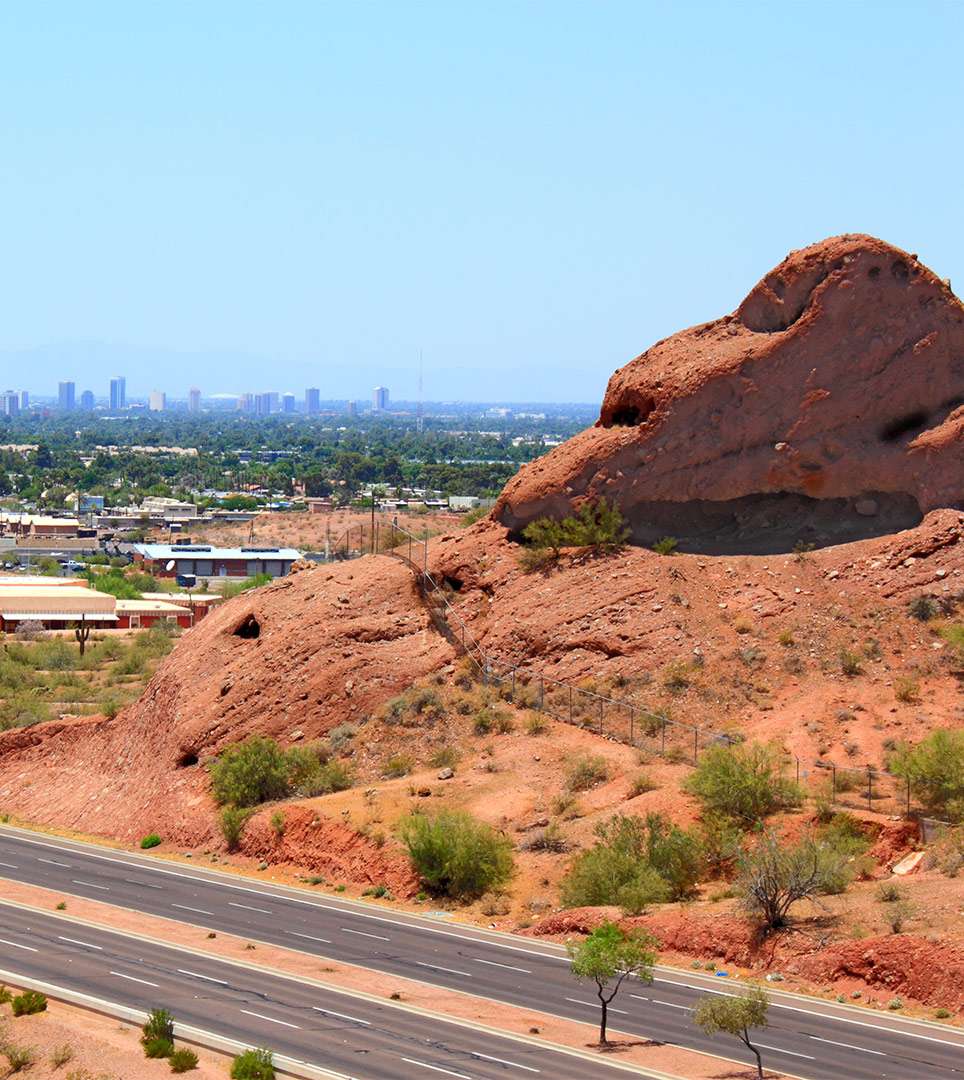
During these months, the outdoor recreation opportunities are virtually endless. Hiking trails in Camelback Mountain, South Mountain Park, and Papago Park are bustling with activity. Golf courses are in pristine condition, drawing enthusiasts from around the globe. Outdoor dining becomes a daily pleasure, with restaurant patios overflowing with guests enjoying the perfect climate. Festivals, art shows, and sporting events, including the famous Phoenix Open golf tournament, are plentiful. This is also a fantastic time to explore the Desert Botanical Garden and Phoenix Zoo in comfortable conditions.
Spring: Blooming Beauty and Pleasant Temperatures
Spring, spanning roughly from March to May, is a transition period in Phoenix, offering a beautiful blend of comfortable warmth and the first hints of summer’s intensity. Daytime temperatures gradually climb from the 70s into the 80s and even 90s Fahrenheit (24-35°C) by late May, while evenings remain pleasantly mild. This season is particularly special for its vibrant display of desert wildflowers that burst into bloom, transforming the landscape with splashes of color.
Spring is a fantastic time for nature lovers and baseball fans alike. The wildflowers are best viewed in the Desert Botanical Garden or along scenic drives. For sports enthusiasts, Spring Training baseball is a major draw, with numerous Major League Baseball teams playing exhibition games across the Phoenix metropolitan area, including in neighboring cities like Scottsdale, Tempe, and Mesa. The weather is generally superb for daytime activities, but visitors should start preparing for stronger sun and increasing heat as the season progresses.
Summer: Embracing the Heat
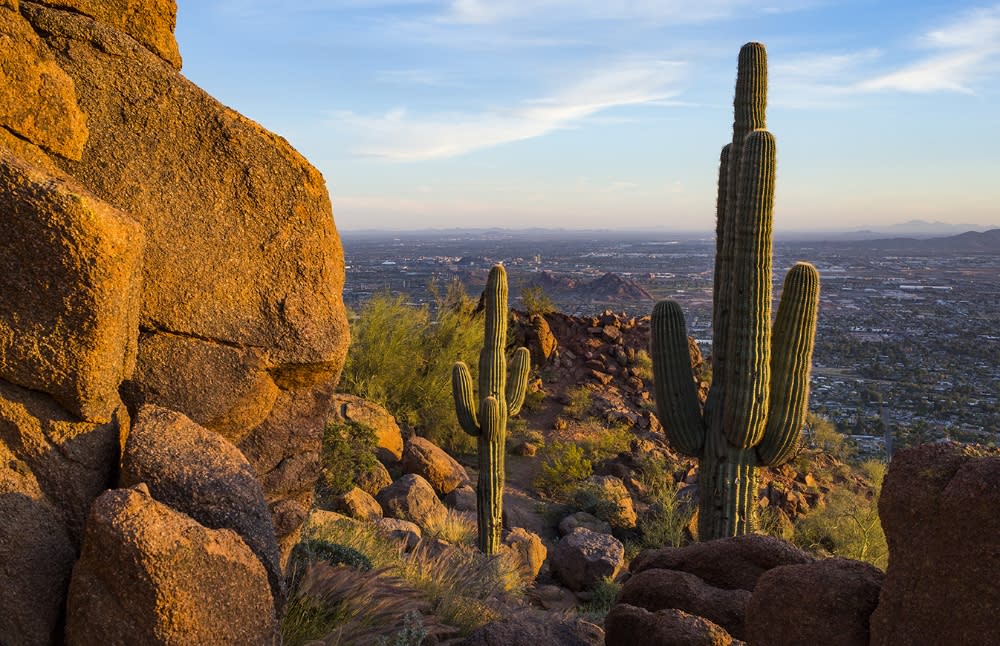
June through September marks the arrival of Phoenix’s legendary summer heat. Average daily high temperatures routinely exceed 100°F (38°C), often reaching 110°F (43°C) or higher in July and August. Overnight lows typically remain in the upper 70s to low 80s (25-29°C), meaning even evenings offer little relief from the intense warmth. This is the off-peak tourist season, but it holds a unique appeal for those who understand how to embrace it.
Despite the extreme heat, Phoenix summers can be incredibly enjoyable with the right approach. Resort pools become the epicenter of activity, offering refreshing escapes, often with swim-up bars and luxurious cabanas. Early morning hikes, before the sun reaches its peak, are popular, as are indoor attractions like museums, galleries, and shopping centers. Many locals and seasoned visitors also appreciate the “dry heat” and the dramatic sunsets. As mentioned, the Monsoon Season also brings intermittent thunderstorms, which can be a spectacular sight and provide temporary cooling. Air conditioning is, of course, a universal necessity and a cherished amenity during these months.
Autumn: A Gradual Return to Comfort
The autumn season in Phoenix, primarily October and November, is a welcome transition from the intense summer heat back to the idyllic conditions of winter. Temperatures begin to cool down significantly, with daily highs gradually falling from the 90s into the 70s and 80s Fahrenheit (27-32°C). The humidity also drops considerably after the Monsoon Season, making for crisp, comfortable days and increasingly cool evenings.
Autumn is an excellent time to visit Phoenix as the weather becomes progressively more pleasant, ideal for outdoor exploration without the crowds of peak winter season. Golfers return to the greens, and hiking trails become inviting again. Outdoor festivals and events start to pick up, celebrating the cooling temperatures. This season offers a fantastic opportunity to experience the best of Phoenix’s outdoor lifestyle before the full swing of the busy winter season.
Planning Your Phoenix Trip: Weather-Wise Travel Tips
Thoughtful planning around Phoenix’s weather will significantly enhance your travel experience, ensuring you’re comfortable and well-prepared for whatever the Sonoran Desert throws your way. From choosing the right accommodation to selecting appropriate activities, a little foresight goes a long way.
Accommodation and Amenities for Every Season
When booking your stay in Phoenix, consider the seasonal impact on hotel amenities. In the summer, a resort with a large, inviting pool complex is essential. Many luxury resorts, such as the Arizona Biltmore, A Waldorf Astoria Resort, Four Seasons Resort Scottsdale at Troon North, or the JW Marriott Phoenix Desert Ridge Resort & Spa, excel in providing extensive water features, lazy rivers, and shaded lounging areas that transform the intense heat into a pleasurable experience. Conversely, during the mild winter and spring months, you might prioritize accommodation with outdoor patios, golf course access, or close proximity to hiking trails.
Regardless of the season, reliable air conditioning is non-negotiable in Phoenix. Even in winter, daytime temperatures can be warm enough to warrant its use. Many hotels and short-term rentals will also offer covered parking to protect vehicles from the intense summer sun, a small but significant amenity to consider. For those seeking a long-term stay, particularly during the winter, apartment or villa rentals often come with shared or private pools, allowing for a more localized and relaxed experience.

Activities and Attractions by Climate
Tailoring your itinerary to the weather is key to enjoying Phoenix. During the winter and spring, outdoor activities dominate. Take advantage of the pleasant temperatures for strenuous hikes up Camelback Mountain or South Mountain Park. Explore the vast collections at the Desert Botanical Garden or enjoy a leisurely day at the Phoenix Zoo. Golf, tennis, and cycling are also incredibly popular.
In the summer, shift your focus to indoor attractions or water-based fun. Spend your afternoons visiting the Heard Museum or the Phoenix Art Museum. Early mornings are best for quick walks or golf rounds before the heat becomes too intense. Water parks, resort pools, and even day trips to higher-elevation destinations like Sedona or Flagstaff (where temperatures are significantly cooler) become attractive options. Evenings can be surprisingly vibrant, with many restaurants offering misted patios, and events often starting later in the day once temperatures have dropped slightly.
Packing Essentials for the Desert
No matter when you visit Phoenix, sun protection is paramount. Always pack:
- Sunscreen: High SPF is a must.
- Wide-brimmed hat: Essential for protecting your face and neck.
- Sunglasses: The glare can be intense.
- Reusable water bottle: Hydration is critical, particularly in the dry air.
- Lightweight, breathable clothing: Opt for light colors and fabrics like cotton or linen.
- Layers: Even in summer, evenings can cool down, and indoors might be heavily air-conditioned. In winter, layers are crucial for comfortable day-to-night transitions.
- Comfortable walking shoes: For exploring attractions and trails.
- Swimsuit: Always a good idea, year-round, for hotel pools or water activities.
During summer, consider adding electrolyte packets to your packing essentials to help replenish minerals lost through perspiration. In winter, a light jacket or sweater is advisable for chilly evenings and early mornings.
Phoenix Weather and Your Lifestyle Experience
The weather in Phoenix doesn’t just dictate what you do; it shapes the very lifestyle of the city and the experiences available to visitors. The constant sunshine and unique desert environment have fostered a culture that celebrates outdoor living, wellness, and a distinct culinary scene.
Outdoor Adventures and Wellness
Phoenix’s climate makes it a mecca for outdoor adventures and wellness pursuits, particularly during the cooler months. The city and surrounding areas offer an unparalleled setting for hiking, mountain biking, rock climbing, and horseback riding. Iconic landmarks like Camelback Mountain and South Mountain Park provide challenging trails and panoramic views, attracting outdoor enthusiasts year-round. Golf is another cornerstone of the Phoenix lifestyle, with hundreds of world-class courses designed to take advantage of the sunny skies.
The wellness industry also thrives here, influenced by the tranquil desert environment and abundant sunshine. Many resorts feature extensive spa facilities, offering desert-inspired treatments and outdoor yoga sessions. The emphasis on healthy living, driven by the ability to be active outdoors for much of the year, is palpable throughout the city, from farmers’ markets to specialized fitness studios. For those seeking rejuvenation, Phoenix offers a serene backdrop for mind and body wellness.
Culinary Experiences and Local Culture
The weather significantly influences Phoenix’s vibrant culinary scene and local culture. Outdoor dining is a celebrated tradition, especially from fall through spring. Restaurants frequently feature expansive patios, many with misters for warmer days and heaters for cooler evenings, allowing diners to enjoy the desert ambiance al fresco. From upscale dining in Scottsdale to casual eateries in Tempe and downtown Phoenix, the outdoor experience is often integral to the meal.
The pleasant weather also fosters a lively festival scene, particularly during the winter and spring. Art walks, food festivals, music concerts, and cultural celebrations are common occurrences, transforming public spaces into bustling hubs of activity. The local culture also boasts a strong connection to its Southwestern roots, with events and cuisine often reflecting Native American, Mexican, and cowboy influences. Even in summer, evenings come alive with outdoor concerts and events designed to start after sunset, ensuring that the warm temperatures don’t hinder the city’s social calendar.
In conclusion, the weather in Phoenix, Arizona, is a defining characteristic that shapes every aspect of the travel experience and local lifestyle. While its hot summers are legendary, the city’s mild winters, abundant sunshine, and distinct seasonal transitions offer a diverse range of opportunities for adventure, relaxation, and cultural immersion. By understanding and respecting the desert climate, visitors can plan an unforgettable trip, whether they choose to hike scenic trails in January, unwind by a refreshing pool in July, or explore blooming desert gardens in April. Phoenix truly is a destination where the sun dictates the rhythm, inviting you to discover its unique charm, whatever the season.
LifeOutOfTheBox is a participant in the Amazon Services LLC Associates Program, an affiliate advertising program designed to provide a means for sites to earn advertising fees by advertising and linking to Amazon.com. Amazon, the Amazon logo, AmazonSupply, and the AmazonSupply logo are trademarks of Amazon.com, Inc. or its affiliates. As an Amazon Associate we earn affiliate commissions from qualifying purchases.