
Nestled along the shimmering shores of the Gulf of Mexico, Tampa, Florida, beckons travelers with its vibrant culture, diverse attractions, and, perhaps most importantly, its famously inviting climate. Known as a jewel in the Sunshine State, Tampa offers a subtropical paradise that profoundly influences every aspect of a visitor’s experience, from the choice of activities to the ideal accommodation. Understanding the weather patterns in this dynamic city is not just about knowing whether to pack a swimsuit; it’s about crafting the perfect travel itinerary, ensuring comfort, and maximizing enjoyment, whether you’re seeking a luxurious escape, a budget-friendly adventure, or a memorable family trip.
For those planning to explore Tampa’s historic districts, lounge on nearby pristine beaches, or immerse themselves in its thriving culinary scene, grasping the nuances of its year-round weather is crucial. This guide will delve into the distinct seasons, average temperatures, rainfall, and humidity, offering invaluable insights for anyone considering Tampa as their next destination. We’ll explore how these climatic factors impact everything from popular tourism activities and iconic landmarks to essential packing tips and finding the perfect hotel or resort for your stay. Prepare to discover how Tampa’s weather shapes its unique lifestyle and travel opportunities.
Understanding Tampa’s Climate: A Year-Round Overview
Tampa is blessed with a humid subtropical climate, characterized by warm, pleasant winters and hot, humid summers. This translates to abundant sunshine for most of the year, making it an attractive destination for sun-seekers and outdoor enthusiasts alike. The proximity to the Gulf of Mexico plays a significant role in moderating temperatures, preventing extreme cold snaps in winter and sometimes offering a refreshing breeze during the hotter months. However, this same proximity also contributes to the high humidity levels, particularly in summer.
A typical day in Tampa often begins with bright skies, transitioning into the possibility of afternoon thunderstorms during the wetter season. While the concept of four distinct seasons might be somewhat blurred compared to more northern latitudes, Tampa experiences noticeable shifts that define ideal times for different types of travel and activities. From leisurely strolls along the Tampa Riverwalk to thrilling rides at Busch Gardens Tampa Bay, the weather dictates the rhythm of life and tourism in the city.
Decoding the Seasons: What to Expect When
Each season in Tampa offers a unique set of weather conditions, influencing travel experiences and lifestyle choices. Understanding these patterns is key to planning your perfect visit.
Winter (December – February): The Golden Season for Tourism
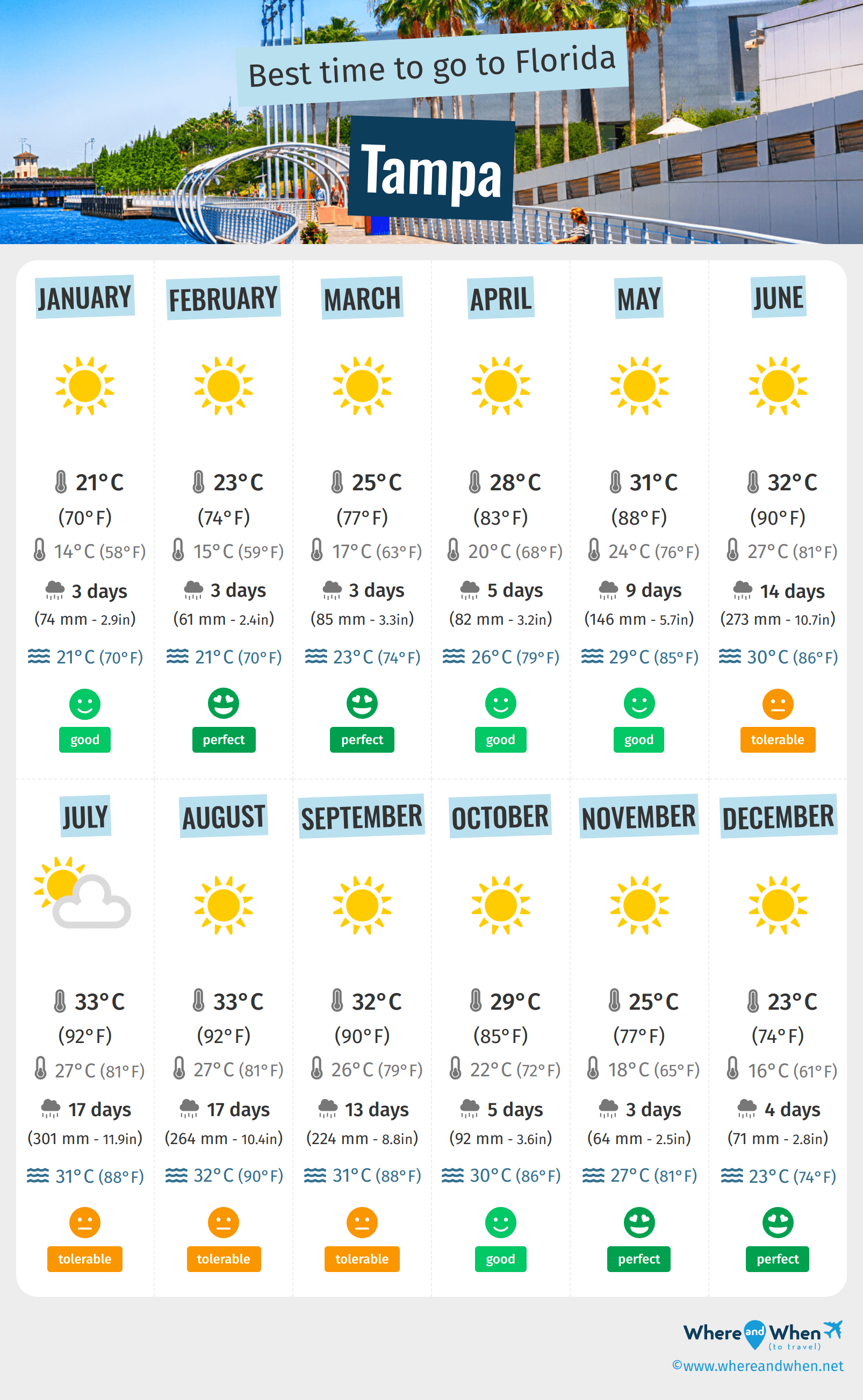
Tampa’s winter is arguably its most celebrated season, especially for visitors escaping colder climates. Temperatures are wonderfully mild, often ranging from the low 60s°F (15-18°C) to the low 70s°F (21-23°C) during the day, with cooler, crisp evenings that rarely dip below 45°F (7°C). Rainfall is minimal, and humidity levels are pleasantly low, creating ideal conditions for virtually any outdoor activity.
This period is perfect for exploring Tampa’s renowned landmarks and attractions. Imagine leisurely cruises on Tampa Bay, comfortable walks through the historic streets of Ybor City, or enjoying a round of golf without breaking a sweat. Nearby beach destinations like St. Petersburg and Clearwater truly shine, offering pristine sands and calm waters under abundant sunshine. For lifestyle travelers, this is the prime time for outdoor festivals, al fresco dining, and exploring the numerous parks and nature preserves. Hotels and resorts, from the luxurious JW Marriott Tampa Water Street to family-friendly apartments, see increased demand, so booking accommodation well in advance is advisable for those seeking optimal choices and competitive rates.
Spring (March – May): Warmth, Sunshine, and Blooming Beauty
Spring in Tampa marks a delightful transition as temperatures steadily climb, typically ranging from the mid-70s°F (24-26°C) in March to the high 80s°F (30-32°C) by May. Humidity remains relatively manageable compared to summer, and rainfall is still quite low, creating an atmosphere ripe for adventure. The days are long, sunny, and perfect for exploring everything the region has to offer.
This season is ideal for visiting attractions like Busch Gardens Tampa Bay and The Florida Aquarium, where the comfortable temperatures enhance the experience of outdoor exhibits and rides. Beach days are becoming more prevalent, and the waters of the Gulf of Mexico are warm enough for swimming and water sports. For those interested in local culture and gastronomy, spring often brings outdoor markets and food festivals before the summer heat settles in. It’s a fantastic time for family trips, offering a balance of pleasant weather and often slightly fewer crowds than the peak winter season, although popular spring break weeks can be busy.
Summer (June – August): The Hot, Humid, and Rainy Season
Tampa’s summer is characterized by heat, high humidity, and a distinct rainy season. Daily high temperatures consistently reach the low 90s°F (32-34°C), and sometimes higher, with evenings cooling only slightly into the 70s°F (21-26°C). The humidity can be significant, making the “real feel” temperature even higher. Rainfall is frequent, typically occurring as intense, but often brief, afternoon thunderstorms that provide a temporary cool-down.
Despite the heat, summer is a popular time for tourism, especially for families with children on school holidays. The focus shifts towards water-based activities and air-conditioned indoor attractions. Destinations like Adventure Island water park become essential, as do visits to indoor museums such as the Tampa Bay History Center, the Henry B. Plant Museum, or the Museum of Science & Industry (MOSI). Hotels and resorts with expansive pools and amenities like the Seminole Hard Rock Hotel & Casino Tampa become particularly appealing. It’s also hurricane season (June 1st to November 30th), a consideration for travel planning, which will be discussed in more detail below. While summer travel can offer budget advantages due to slightly lower demand outside of major holidays, the heat and rain necessitate careful planning.

Autumn (September – November): Cooling Down and Quieter Charms
As summer gives way to autumn, Tampa begins its transition back to milder conditions. September and early October can still be quite warm and humid, with a lingering risk of tropical weather systems. However, by late October and November, temperatures become increasingly pleasant, ranging from the high 70s°F (24-26°C) to the mid-80s°F (29-30°C), and humidity levels gradually decrease. Rainfall also lessens as the hurricane season draws to a close.
This shoulder season offers a fantastic balance for travelers. Crowds typically thin out compared to winter and summer peaks, potentially leading to better deals on accommodation and flights. The comfortable weather is excellent for enjoying outdoor attractions, dining al fresco, and exploring the area’s natural beauty without the intense summer heat or the full winter crowds. It’s an ideal time for those seeking a more relaxed pace and a genuine experience of Tampa’s charm. Visiting nearby attractions like Anna Maria Island or Siesta Key from Sarasota becomes incredibly enjoyable as the milder temperatures set in.
Weather’s Influence on Your Tampa Travel Experience
The prevailing weather patterns in Tampa are not just statistics; they are fundamental to shaping your entire travel experience. From deciding what to wear to choosing your daily activities, the climate plays a starring role in the rhythm of your vacation. Thoughtful planning based on seasonal weather can significantly enhance your trip, ensuring comfort, convenience, and maximum enjoyment of Tampa’s vibrant offerings.
Packing Smart for Every Season
Appropriate packing is essential for a comfortable trip to Tampa. In winter and spring, light layers are key. Days might call for shorts and t-shirts, but evenings can warrant a light jacket or sweater, especially if you’re dining outdoors or enjoying a stroll along the Tampa Riverwalk. For summer and early autumn, focus on breathable, lightweight fabrics like cotton or linen. Swimwear is a must, given the numerous beaches and hotel pools.
Regardless of the season, sun protection is non-negotiable. The Florida sun is powerful year-round. Pack high SPF sunscreen, a wide-brimmed hat, and sunglasses. Comfortable walking shoes are also a universal requirement, whether you’re exploring Ybor City’s historic streets or navigating theme parks. During the rainy season, a compact umbrella or lightweight rain jacket will be your best friend for those sudden afternoon downpours. Don’t forget insect repellent, particularly if you plan to spend evenings outdoors or venture into natural areas.
Planning Activities: Indoor vs. Outdoor Adventures
Tampa’s diverse range of attractions caters to all weather conditions. During the cooler, drier months of winter and spring, outdoor activities reign supreme. This is the perfect time for:
- Beach days: Enjoying the sun and sand at Clearwater Beach or St. Pete Beach.
- Theme parks: Experiencing the thrills of Busch Gardens Tampa Bay comfortably.
- Waterfront excursions: Kayaking, paddleboarding, or taking a scenic boat tour on Tampa Bay.
- Exploring historic districts: Walking tours of Ybor City or downtown Tampa.
When summer’s heat and humidity set in, or during the occasional afternoon thunderstorm, shifting to indoor or water-based activities is a smart move:
- Museums and galleries: Immerse yourself in culture at the Tampa Museum of Art, the Henry B. Plant Museum, or the Museum of Science & Industry (MOSI).
- Aquariums and marine life centers: The Florida Aquarium offers a fascinating, air-conditioned experience.
- Shopping: Explore large indoor malls or unique boutiques.
- Water parks: Cool off at Adventure Island or other aquatic attractions.
- Indoor entertainment: Catch a movie, enjoy an escape room, or visit an indoor trampoline park.
Even famous theme parks like Walt Disney World Resort and Universal Studios Florida in nearby Orlando are impacted, often seeing visitors arrive early and leave in the afternoon to avoid peak heat and rain.
Accommodation Choices: Staying Comfortable in Any Climate
The climate also significantly influences accommodation choices. Given Tampa’s warm weather for much of the year, several amenities become paramount:
- Air Conditioning: This is an absolute must-have, especially from late spring through early autumn. Ensure your chosen hotel, resort, apartment, or villa offers reliable and efficient AC.
- Pool Access: A refreshing pool is a huge advantage, providing an immediate escape from the heat. Many resorts, such as the Hyatt Regency Tampa or the JW Marriott Tampa Water Street, boast impressive pool decks perfect for relaxation.
- Indoor Amenities: During the summer rainy season, having access to indoor entertainment, restaurants, or fitness centers within your accommodation can be a lifesaver. Hotels like The Epicurean Hotel offer a rich array of onsite experiences.
- Location: Proximity to attractions (whether outdoor or indoor) can minimize travel time and exposure to the elements. For beachfront stays, consider properties in Clearwater or St. Petersburg that offer direct beach access and cooling breezes.
For those on a budget or planning a long-term stay, comparing different accommodation types is vital. Villas and apartments often come with full kitchens, allowing for self-catering, while resorts may offer extensive amenity packages. Reviews and guest feedback on cooling systems and pool quality are particularly relevant for Tampa.
Navigating Specific Weather Considerations
While Tampa’s climate is generally delightful, there are a few specific weather phenomena that visitors should be aware of to ensure a smooth and safe trip. Being prepared for these elements will allow you to embrace the Florida experience fully, minimizing any potential disruptions.
Humidity: A Constant Companion
Humidity is an inherent part of Tampa’s subtropical climate, particularly from May through October. While it’s lower in winter and early spring, it can become quite noticeable, especially for visitors unaccustomed to it. High humidity can make temperatures feel hotter than they are, lead to increased perspiration, and even affect hair and clothing.
Tips for dealing with humidity:
- Stay Hydrated: Drink plenty of water, even if you don’t feel thirsty.
- Dress Lightly: Opt for loose-fitting, moisture-wicking fabrics.
- Seek Air Conditioning: Take frequent breaks in air-conditioned spaces.
- Plan Outdoor Activities for Morning/Evening: Avoid the hottest and most humid parts of the day.
- Embrace Pools and Beaches: There’s no better way to cool down than a refreshing dip.
Hurricane Season: Preparedness and Peace of Mind
Florida’s hurricane season runs from June 1st to November 30th, with the peak activity typically occurring from mid-August through October. While direct hurricane strikes on Tampa are relatively rare, the city can be affected by tropical storms or outer bands, bringing heavy rain, strong winds, and potential flooding. It’s crucial not to let this deter you from visiting during these months, as many days are still perfectly sunny, but rather to be informed and prepared.
What travelers should do:
- Monitor Forecasts: Stay updated on weather advisories from reliable sources like the National Hurricane Center.
- Consider Travel Insurance: Comprehensive travel insurance can protect your investment in case of trip cancellations or interruptions due to severe weather.
- Flexible Bookings: Opt for hotels and flights with flexible cancellation policies, if possible.
- Emergency Plans: Know your hotel’s emergency procedures and local evacuation routes if a serious storm threatens. Many establishments, including major hotels and resorts, have robust plans in place to ensure guest safety.
Despite the hurricane season, travel during late summer and autumn can offer advantages like fewer crowds and potentially lower prices, making it a viable option for budget travel, provided you prioritize preparedness.
Sun Protection: Essential Year-Round
As part of the Sunshine State, Tampa receives an abundance of UV radiation throughout the year. Sunburns can happen quickly, even on cloudy days, and prolonged exposure can lead to more serious health concerns.
Key sun protection practices:
- Apply Sunscreen Generously: Use a broad-spectrum sunscreen with an SPF of 30 or higher, and reapply every two hours, or more often if swimming or sweating.
- Wear Protective Clothing: Hats, sunglasses, and UV-protective clothing are highly recommended, especially for children.
- Seek Shade: Utilize umbrellas on beaches, covered walkways, and shaded areas in parks or attractions. Midday (10 a.m. to 4 p.m.) is when the sun’s rays are strongest.
- Stay Hydrated: This complements sun protection by preventing heat-related illnesses.
By being mindful of these considerations, visitors can fully enjoy the outdoor lifestyle and numerous attractions that make Tampa such a captivating travel destination.
In conclusion, the weather in Tampa, Florida, is a defining characteristic of its charm and appeal. With distinct, yet largely pleasant, seasonal variations, visitors can find an ideal time to explore this dynamic city. Whether you’re drawn by the mild, dry winters perfect for sightseeing and outdoor adventures, the warm springs ideal for theme park excursions, or the hot, humid summers that call for water-based fun and air-conditioned relaxation, Tampa offers a climate to suit every travel preference. By understanding these patterns, packing appropriately, and making informed choices about activities and accommodation, you can ensure your trip to Tampa is as comfortable and memorable as the Florida sunshine itself. So, pack your bags, prepare for sunshine, and get ready to experience all the wonders that Tampa has to offer, whatever the weather.
LifeOutOfTheBox is a participant in the Amazon Services LLC Associates Program, an affiliate advertising program designed to provide a means for sites to earn advertising fees by advertising and linking to Amazon.com. Amazon, the Amazon logo, AmazonSupply, and the AmazonSupply logo are trademarks of Amazon.com, Inc. or its affiliates. As an Amazon Associate we earn affiliate commissions from qualifying purchases.