
California, often referred to as the Golden State, is a land of unparalleled diversity, not only in its landscapes and culture, but also in its weather patterns. Stretching over 800 miles from north to south, and encompassing everything from sun-drenched beaches to snow-capped mountains and arid deserts, this vast state offers a climate for every preference. For anyone planning travel, understanding California’s intricate meteorological tapestry is essential for an enjoyable and well-prepared experience.
Understanding California’s Diverse Climate
The sheer geographical breadth of California is the primary driver of its varied climates. From the refreshing embrace of the Pacific Ocean to the towering heights of the Sierra Nevada mountain range and the scorching expanses of its eastern deserts, the state essentially hosts several distinct microclimates. This makes general statements about “the weather in California” challenging, as what holds true for San Diego might be entirely different from Lake Tahoe or Death Valley.
The Coastal Influence: Mild Temperatures and Marine Layers
Along the expansive coastline, from the northern reaches near Redwood National Park down to the Mexican border, the weather is predominantly Mediterranean. This means mild, wet winters and warm, dry summers. The Pacific Ocean plays a crucial role, acting as a natural air conditioner, moderating temperatures year-round.
Cities like San Francisco, Los Angeles, and San Diego epitomize this climate. San Francisco is famous for its cool summers, often characterized by persistent fog, known locally as “Karl the Fog,” which can roll in dramatically, especially during June, July, and August, providing a natural cooling blanket. Average summer temperatures in San Francisco hover in the mid-60s Fahrenheit (18-20°C), while winters are mild, rarely dropping below 40°F (4°C), with most of the year’s rainfall occurring between November and March. Tourists planning family trips to explore Alcatraz Island or the Golden Gate Bridge should always pack layers, even in summer.
Further south, Los Angeles and San Diego experience warmer summers, with daytime highs often reaching into the 70s and 80s Fahrenheit (21-29°C), especially away from the immediate coast. The marine layer, a low-lying cloud formation, is a common phenomenon in these areas, often burning off by midday to reveal brilliant sunshine. Winters are exceptionally mild, with temperatures rarely dipping below 50°F (10°C), making outdoor activities like surfing at Malibu or exploring Santa Monica Pier enjoyable year-round. This pleasant climate makes coastal California a prime destination for various lifestyles, from luxury travel in Beverly Hills to budget travel beach getaways.
Inland Valleys: Summers of Sunshine and Winter Chill
Moving eastward from the coast, the moderating influence of the Pacific Ocean diminishes, leading to more extreme temperature variations. California’s vast Central Valley, a major agricultural region encompassing cities like Sacramento, Fresno, and Bakersfield, experiences hot, dry summers and cool, often foggy winters.
Summer temperatures in the Central Valley routinely soar into the 90s and often exceed 100°F (38°C), making it one of the warmest regions in the state during this season. The dry heat, however, can be more tolerable than humid climates. Winters are mild but can be chilly, with occasional frosts. A distinctive feature of Central Valley winters is the “Tule Fog,” a dense, ground-hugging fog that can persist for days, significantly reducing visibility and impacting travel. Visitors exploring Napa Valley or Sonoma Valley wine country in summer should prepare for intense heat, while winter excursions might encounter chilly, foggy mornings. Many resorts and hotels in these regions feature extensive pool amenities for summer and cozy fireplaces for cooler evenings.
Mountainous Regions: Alpine Adventures and Seasonal Snow
California’s majestic mountain ranges, particularly the Sierra Nevada, define a distinctly alpine climate. Here, elevation is the primary determinant of weather. Higher altitudes mean colder temperatures and significantly more precipitation, much of which falls as snow.
Areas like Lake Tahoe and Yosemite National Park are renowned for their heavy winter snowfall, creating world-class conditions for skiing, snowboarding, and other winter sports. Winter temperatures in these regions often drop below freezing, with significant snowpacks accumulating from November to May, sometimes even into June at higher elevations. Accommodation options range from rustic cabins to luxurious ski-in/ski-out resorts, all designed to embrace the cold.
Summers in the mountains are delightfully mild and sunny, with daytime temperatures typically in the 70s Fahrenheit (21-26°C), perfect for hiking, camping, and exploring nature’s breathtaking beauty. The dramatic shift from snowy wonderland to verdant paradise makes these destinations popular year-round, attracting visitors for both winter and summer activities. Checking weather guides is crucial for planning any mountain adventure, as conditions can change rapidly.
Desert Climates: Extreme Heat and Stark Beauty
East of the Sierra Nevada lies California’s desert country, home to the Mojave Desert, Colorado Desert, and the infamous Death Valley National Park, which holds the record for the highest temperature ever recorded on Earth. This region is characterized by extreme heat, especially in summer, and very low humidity.
Summer temperatures in the deserts frequently exceed 100°F (38°C), often climbing well into the 110s and 120s Fahrenheit (43-49°C). Palm Springs, a popular desert oasis, can see average July highs of 107°F (42°C). Winters, however, are surprisingly pleasant, with mild daytime temperatures in the 60s and 70s Fahrenheit (15-25°C) and clear, cool nights. This makes late fall to early spring the ideal time for tourism in the desert, perfect for exploring Joshua Tree National Park or enjoying the vibrant Palm Springs resorts without the scorching summer sun. Many desert resorts and villas offer extensive pools and air-conditioned suites to combat the summer heat, while winter visitors can enjoy outdoor dining and golf.
Seasonal Variations Across the Golden State
Understanding the regional climates is one part of the puzzle; the other is recognizing how these climates shift throughout the year. California’s seasons, while distinct, manifest differently depending on where you are in the state.
Spring: A Time of Bloom and Transition
Spring (March to May) is a beautiful time across most of California. Coastal areas enjoy increasingly warm and sunny days, though the marine layer can still be prevalent. Wildflowers carpet hillsides, particularly in the Carrizo Plain National Monument and various state parks, creating stunning natural attractions. Inland valleys begin to warm up, but without the intense summer heat. The mountains are in a transition phase, with snowmelt swelling rivers and waterfalls (making it a prime time to visit Yosemite’s famous falls). Some ski resorts might still be open in early spring, especially at higher elevations, offering “spring skiing” conditions. The deserts are at their prime, with comfortable temperatures ideal for hiking and sightseeing before the summer heat descends. This period is excellent for a diverse range of activities, from exploring city landmarks to nature photography.
Summer: Golden Days and Warm Nights
Summer (June to August) brings the iconic California sunshine that draws millions of visitors. Along the coast, especially south of Big Sur, days are warm and sunny, perfect for beach activities, although San Francisco maintains its characteristic cool and foggy conditions. Inland valleys experience their hottest weather, making water-based activities like river tubing or lake visits popular. The mountains offer a respite from the heat, with pleasant daytime temperatures and cool nights, making them ideal for camping and extensive hiking through forests and meadows. The deserts become intensely hot, limiting outdoor activities primarily to early mornings or evenings, or prompting a focus on indoor amenities at resorts. Summer is peak tourism season, especially for coastal destinations and major attractions like Disneyland and Universal Studios Hollywood.
Autumn: Harvest Hues and Pleasant Breezes
Autumn (September to November) is arguably one of the most pleasant seasons in much of California. The coastal regions experience their warmest and clearest weather, often referred to as “Indian Summer,” as the marine layer recedes. This is an excellent time for beach visits, exploring Santa Barbara, or taking scenic drives along Highway 1 to Carmel-by-the-Sea. The inland valleys cool down significantly, providing comfortable temperatures for visiting vineyards in Napa and Sonoma during harvest season. Mountain foliage begins to change, especially in the Eastern Sierra, painting the landscape in vibrant hues before the first snows arrive. Desert temperatures become ideal for outdoor exploration, with warm days and crisp nights. Autumn is a fantastic time for travel, offering pleasant weather and often fewer crowds than summer.
Winter: Rain, Snow, and Mild Sunshine
Winter (December to February) in California is a season of contrasts. The coastal areas experience their rainy season, with mild temperatures and occasional storms. While it can be wet, there are many clear, sunny days, particularly in Southern California, making outdoor activities possible. The inland valleys are cool and prone to fog, with light rainfall. The mountains, however, transform into winter wonderlands, receiving heavy snowfall that fuels the state’s vital water supply and provides exceptional conditions for winter sports at resorts like Palisades Tahoe or Mammoth Mountain. The deserts enjoy their best weather, with comfortable, sunny days perfect for hiking, golf, and enjoying the outdoor amenities of Palm Springs. Winter in California is not a time to hibernate; rather, it’s an opportunity to experience different facets of the state, from festive urban centers to serene snowy landscapes.
Planning Your California Trip: Weather-Wise Travel
Given the immense diversity, careful planning is key to maximizing your California travel experience. Understanding the weather for your specific destinations and desired activities is paramount.
What to Pack: Essentials for Every Climate
Packing smart for California means thinking in layers, regardless of the season.
- Coastal Regions: Even in summer, bring light jackets, sweaters, or hoodies, especially for evenings or visits to San Francisco. Sunscreen, sunglasses, and comfortable walking shoes are year-round essentials.
- Inland Valleys: Summers demand light, breathable clothing, hats, and plenty of hydration. Winters require warmer layers, and possibly waterproof outer layers.
- Mountains: In winter, heavy winter gear – waterproof jackets, snow pants, thermal layers, hats, gloves, and waterproof boots – is a must. Summer mountain visits still warrant layers for cool evenings and mornings, plus sturdy hiking boots.
- Deserts: Summers call for extreme sun protection: wide-brimmed hats, light long-sleeved clothing, and copious water. Winters are pleasant, requiring light layers for daytime and warmer options for surprisingly chilly nights.
Always check specific forecasts for your itinerary shortly before departure. Many hotels and resorts offer convenient amenities like laundry services, which can reduce packing needs for long-term stays.
Best Time to Visit: Matching Your Interests to the Forecast
The “best” time to visit California entirely depends on your interests:
- Beach Lovers: Late spring to early fall offers the warmest ocean temperatures and most sunshine along the southern coast.
- Ski & Snowboard Enthusiasts: Mid-winter (January-March) is prime time for the Sierra Nevada resorts.
- Desert Explorers: Fall (October-November) and spring (March-April) provide comfortable temperatures for hiking and exploration in Death Valley or Joshua Tree.
- Wine Country Tours: Harvest season in fall (September-October) is bustling and scenic, but spring also offers pleasant weather and fewer crowds.
- National Parks (e.g., Yosemite): Late spring (May-June) for powerful waterfalls, summer (July-August) for full accessibility and hiking, or fall (September-October) for fewer crowds and pleasant temperatures.
Regardless of your chosen time, browsing travel guides and reviews for specific destinations can provide invaluable tips on weather and activities. Utilize accommodation booking platforms for comparison and to find options with amenities suited to the local climate, such as pools for summer or fireplaces for winter.
Experiencing California’s Weather: Activities and Lifestyle
California’s diverse weather isn’t just a geographical fact; it’s a fundamental aspect of its lifestyle and what makes it such a sought-after destination for tourism.
Coastal Escapes and Water Sports
The mild coastal climate fosters a vibrant outdoor lifestyle. From the surfing beaches of Laguna Beach and Malibu to the yachting communities around San Diego Bay and Catalina Island, the Pacific Ocean is central to many activities. Even cooler San Francisco still enjoys sailing and bay cruises. Many coastal hotels and resorts offer stunning ocean views and direct beach access, making them perfect for those seeking luxury travel or simply a relaxing seaside escape. The weather facilitates year-round outdoor dining and promenade strolls, contributing to the laid-back, yet active, lifestyle for which California is famous.
Mountain Adventures and Winter Sports
When the cold weather arrives, the mountains truly come alive. California boasts some of the world’s premier ski destinations in the Sierra Nevada, drawing enthusiasts from around the globe. Beyond skiing and snowboarding, winter offers opportunities for snowshoeing, ice skating, and cozying up in a mountain lodge. In summer, the mild mountain temperatures provide a refreshing escape from the heat, perfect for challenging hikes in Yosemite, fishing in alpine lakes, or enjoying scenic gondola rides. The contrast between snowy peaks and sunny valleys allows for a unique dual lifestyle where one can ski in the morning and golf in the afternoon during shoulder seasons. Accommodation here, from charming cabins to grand resorts, is designed to enhance the alpine experience.
Desert Exploration and Stargazing
The desert’s extreme climate creates a unique environment for adventure. During the cooler months, hiking in Joshua Tree National Park, off-roading, or exploring the fascinating geology of Death Valley are popular activities. The clear, unpolluted desert air also makes it an incredible place for stargazing, an unforgettable experience that truly connects visitors with nature. Palm Springs offers a blend of desert beauty with luxury travel amenities, including world-class golf courses that thrive in the winter sun. Even in summer, unique accommodation like mid-century modern villas with private pools allow for comfortable enjoyment of the desert’s stark beauty.
Urban Exploration and Cultural Immersion
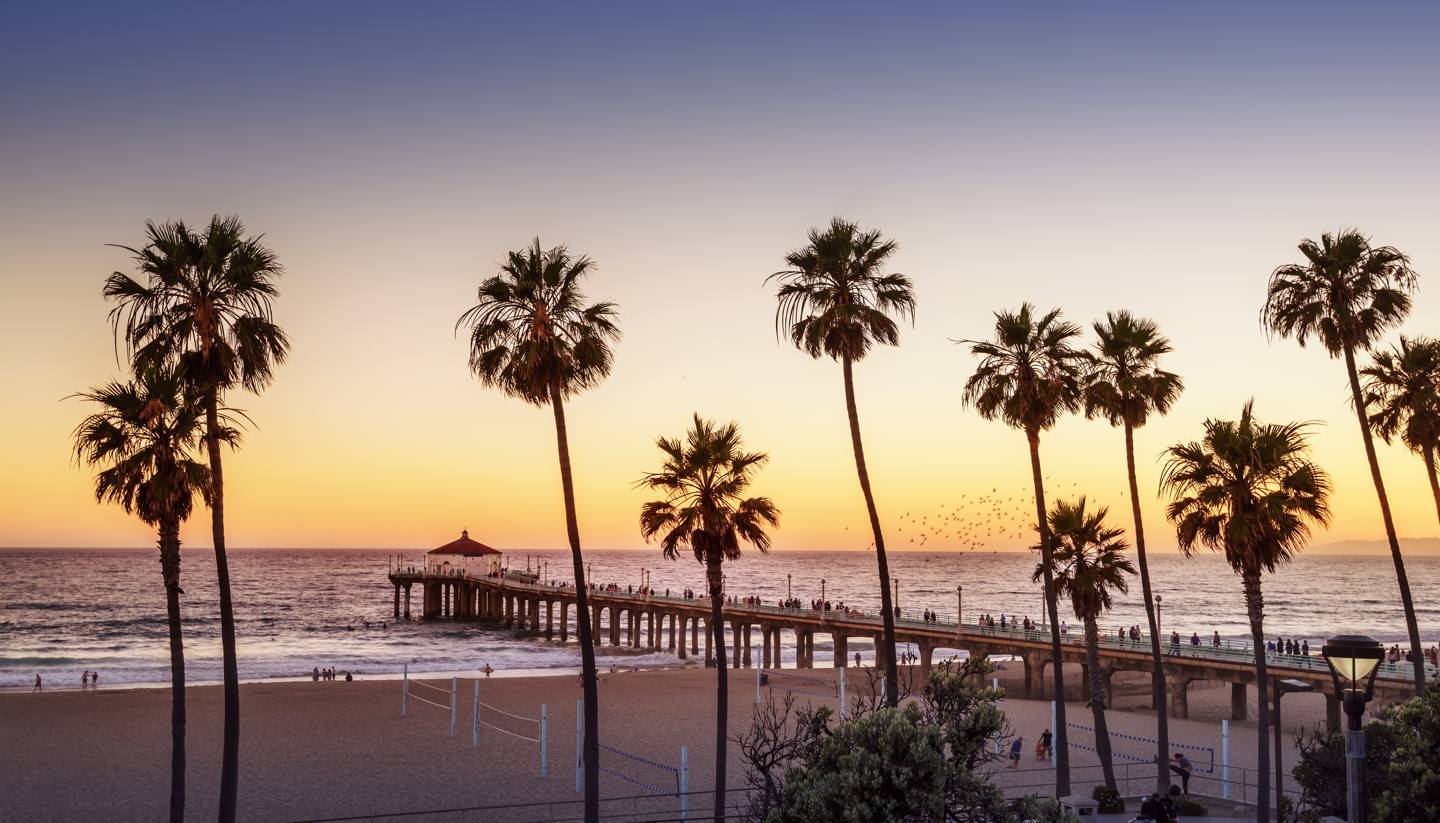
California’s major cities, such as Los Angeles, San Francisco, and San Diego, offer year-round opportunities for urban exploration and cultural immersion. The generally mild weather means that exploring landmarks like the Golden Gate Bridge, Hollywood Boulevard, or the historic Gaslamp Quarter in San Diego is rarely hampered by extreme conditions. From outdoor markets showcasing local food to open-air concerts and festivals, the pleasant climate encourages a vibrant street lifestyle. Many hotels and apartments cater to business stays and long-term stays, benefiting from the consistent, favorable weather that allows for comfortable commutes and evening activities.
In conclusion, the weather in California is as varied and captivating as its landscapes. From the foggy charm of San Francisco to the scorching sun of Death Valley and the snowy peaks of the Sierra Nevada, the Golden State truly offers a climate for every season and every traveler. By understanding these regional and seasonal nuances, you can meticulously plan your California adventure, ensuring you pack appropriately and choose the perfect time to experience its myriad attractions and lifestyles. Whether you’re seeking a serene beach retreat, a thrilling mountain escapade, or a vibrant urban exploration, California’s weather sets the stage for unforgettable experiences.
LifeOutOfTheBox is a participant in the Amazon Services LLC Associates Program, an affiliate advertising program designed to provide a means for sites to earn advertising fees by advertising and linking to Amazon.com. Amazon, the Amazon logo, AmazonSupply, and the AmazonSupply logo are trademarks of Amazon.com, Inc. or its affiliates. As an Amazon Associate we earn affiliate commissions from qualifying purchases.