
The allure of Los Angeles extends far beyond its sun-drenched beaches and iconic entertainment industry. For travelers planning a visit to the sprawling metropolis, understanding the local climate is a crucial piece of the puzzle. Whether you’re dreaming of a beachside getaway, a cultural immersion, or a luxurious escape, the weather in Los Angeles will undoubtedly shape your experience. From the balmy warmth of summer to the mild, often pleasant conditions of its cooler months, Los Angeles boasts a Mediterranean climate that is, for the most part, incredibly inviting. This guide will delve into the nuances of Los Angeles weather, offering insights to help you pack, plan, and make the most of your journey to the City of Angels.
Understanding the Mediterranean Climate of Los Angeles
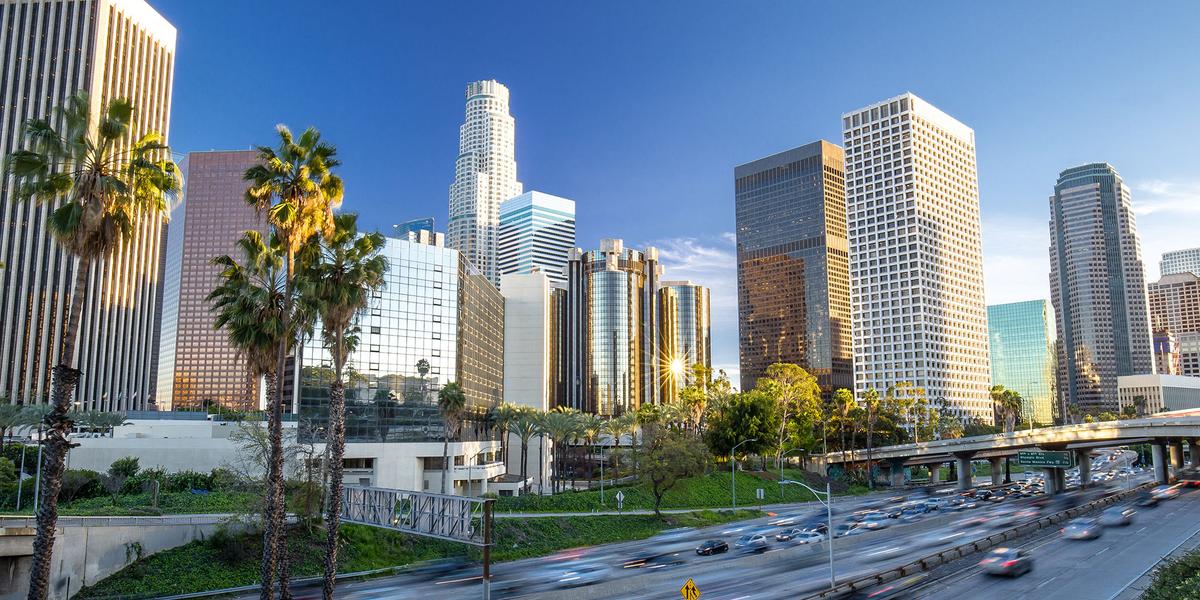
Los Angeles is characterized by its distinct Mediterranean climate, a phenomenon largely dictated by its proximity to the Pacific Ocean and the prevailing offshore breezes. This climate type is known for its dry, warm summers and mild, wet winters. Unlike many other regions, Los Angeles experiences very little temperature variation throughout the year, making it a desirable destination year-round. However, within this general description lie subtle variations influenced by geography, from the coastal areas to the inland valleys and the mountainous regions.
Seasonal Breakdown: A Year in Los Angeles Weather
To truly grasp the weather patterns in Los Angeles, it’s best to explore each season individually. This allows for a more tailored approach to planning your trip, whether you’re seeking vibrant outdoor activities or cozy indoor explorations.
Summer (June, July, August): The Quintessential California Sun
Summer in Los Angeles is synonymous with sunshine and warmth. Temperatures typically range from the mid-70s to the mid-80s Fahrenheit (24-29°C), though inland areas, like the San Fernando Valley, can experience significantly higher temperatures, often soaring into the 90s and even 100s Fahrenheit (32-38°C+). Humidity is generally low, contributing to the comfortable feel of the heat. Coastal breezes, often referred to as “marine layer” or “fog” in the early mornings, help to moderate temperatures near the coast, making areas like Santa Monica and Malibu slightly cooler than their inland counterparts.
This is the peak season for beach activities, outdoor dining, and exploring the city’s numerous attractions under clear blue skies. However, it’s also the driest period, with rainfall being virtually non-existent. Sunscreen, hats, and light clothing are essential. Evenings can bring a slight cool down, especially by the coast, so a light jacket or sweater is advisable for nighttime strolls or outdoor dining.
Autumn (September, October, November): A Gentle Transition
The autumn months in Los Angeles offer a delightful continuation of pleasant weather, often considered by many locals to be the most enjoyable time of year. September and October can still feel very much like summer, with warm, sunny days. As November approaches, temperatures begin to gradually decrease, typically settling in the 60s and 70s Fahrenheit (16-25°C). The marine layer might become more prevalent, especially in the mornings, but it usually burns off by mid-day, revealing sunny skies.
Rainfall begins to increase slightly in late autumn, though significant downpours are still uncommon. This season is ideal for exploring Los Angeles‘s many landmarks, enjoying outdoor festivals, and experiencing the local food scene without the intense summer heat. The changing leaves, though not as dramatic as in other parts of the country, can add a subtle beauty to some of the city’s parks and canyons.
Winter (December, January, February): Mild and Invigorating
Los Angeles winters are remarkably mild compared to most of the United States. Temperatures generally hover between the 50s and 60s Fahrenheit (10-20°C), with occasional cooler days dipping into the 40s Fahrenheit (4-9°C). This is the primary rainy season, though it’s important to note that “wet” in Los Angeles is relative. While you can expect occasional rain showers, prolonged periods of heavy precipitation are rare. The rain is often beneficial, bringing life to the dormant landscape and clearing the air.
Despite the cooler temperatures and the possibility of rain, winter in Los Angeles still offers plenty of sunshine. Many days are clear and crisp, perfect for exploring museums, enjoying the vibrant downtown area, or even visiting theme parks like Universal Studios Hollywood. It’s a great time for budget-conscious travelers, as hotel prices tend to be lower outside of the holiday season. Layering clothing is key, with a light to medium jacket being sufficient for most days.
Spring (March, April, May): A Blossoming of Nature and Activity
Spring in Los Angeles is a time of renewal and vibrant blooming. Temperatures begin to climb steadily, mirroring the transition from winter’s mild chill to summer’s warmth. March and April can still see some lingering rain, but by May, the skies are typically clear and sunny. Daytime temperatures often range from the 60s to the 70s Fahrenheit (16-25°C), with a pleasant breeze often present.
This season is perfect for enjoying Los Angeles‘s natural beauty, from hiking in the Santa Monica Mountains to visiting the Descanso Gardens. The city’s parks and beaches become particularly appealing. Spring also marks the beginning of many outdoor events and festivals. Similar to autumn, a light jacket is useful for cooler mornings and evenings.
Microclimates: The Nuances of Los Angeles Weather
Los Angeles is a vast and geographically diverse region, and this diversity translates into a fascinating array of microclimates. Understanding these variations can significantly enhance your travel experience and help you choose the perfect base for your stay.
Coastal vs. Inland: The Ocean’s Influence
The most significant microclimate distinction in Los Angeles is between the coastal areas and the inland regions. The Pacific Ocean acts as a powerful moderating influence. Coastal cities like Santa Monica, Venice, and Long Beach tend to experience more consistent temperatures, with cooler summers and warmer winters compared to inland areas. The marine layer, a layer of low-lying clouds and fog, is a common morning phenomenon along the coast, particularly during the summer months. While it can create a slightly overcast start to the day, it usually burns off by late morning or early afternoon, revealing sunshine.
Inland areas, such as the San Fernando Valley and the Inland Empire, are shielded from the ocean’s moderating effect. Summers here are considerably hotter and drier, with temperatures frequently exceeding 90°F (32°C) and sometimes reaching triple digits. Winters are also cooler, with a greater chance of frost. This distinction is important for travelers who might be planning day trips or looking for specific types of outdoor activities. For instance, while beach activities are always a draw, the intensity of the sun and heat can be far more pronounced inland.
The Mountains: Cooler Air and Potential Snow
The mountain ranges surrounding Los Angeles, such as the San Gabriel Mountains and the Santa Monica Mountains, offer yet another distinct climate. At higher elevations, temperatures are significantly cooler year-round. During the summer, these areas provide a welcome respite from the heat. In winter, these mountains can receive snowfall, transforming them into a destination for winter sports enthusiasts looking for a different kind of Los Angeles experience, far removed from the typical image of sun-soaked beaches. These higher altitudes can also experience more intense rainfall during winter storms.
Preparing for Los Angeles Weather: Packing and Planning Tips
Armed with an understanding of Los Angeles‘s diverse climate, you can pack and plan your trip with confidence. The key to navigating Los Angeles weather is adaptability and layering.
Essential Packing List
Regardless of the season, a few items are consistently useful for a trip to Los Angeles:
- Sun Protection: Sunscreen (SPF 30 or higher), a wide-brimmed hat, and sunglasses are non-negotiable, especially during the spring, summer, and autumn months.
- Light Layers: T-shirts, tank tops, and light blouses are perfect for daytime. For evenings or cooler coastal breezes, pack a light jacket, cardigan, or hoodie.
- Comfortable Footwear: You’ll likely be doing a lot of walking, whether exploring Hollywood or strolling along the beach. Comfortable walking shoes are essential. Sandals are great for warmer days, and if you’re visiting in winter, waterproof shoes might be a good idea.
- Swimwear: Even outside of peak summer, the numerous pools at hotels like the Beverly Hills Hotel or resorts like Terranea Resort offer opportunities for a dip. The beaches are also inviting for a brisk walk or sunbathing.
- Rain Gear (Winter Months): While not always necessary, a light, waterproof jacket or a small umbrella can be beneficial during the winter months (December-February).
Planning Your Activities
When planning your itinerary, consider the prevailing weather conditions:
- Summer: Focus on beach days, water sports, and early morning or late afternoon excursions to avoid the midday heat, especially inland. Consider indoor attractions like museums or the Griffith Observatory during the hottest parts of the day.
- Autumn & Spring: These are excellent months for outdoor activities, city exploration, and visiting landmarks like the Getty Center or Rodeo Drive. Enjoy al fresco dining and numerous street festivals.
- Winter: Embrace the cooler temperatures for museum visits, exploring neighborhoods like Downtown LA, or even heading to the mountains for a different kind of adventure. The milder weather is also perfect for visiting theme parks like Disneyland without the summer crowds.

Booking Accommodation
Your choice of accommodation can also be influenced by weather considerations. Staying near the coast might offer a more temperate experience during hot summer months. Hotels in the heart of Hollywood or Downtown LA provide easy access to urban attractions, while resorts in areas like Beverly Hills offer a more luxurious escape, often with climate-controlled environments. Websites specializing in accommodation can help you compare options and find places with amenities like pools or patios that are best enjoyed in good weather.
In conclusion, the weather in Los Angeles is a significant factor that contributes to its diverse appeal. By understanding its Mediterranean climate, its seasonal variations, and its microclimates, travelers can better prepare for their visit, ensuring a comfortable and enjoyable experience in this dynamic Californian city. Whether you’re drawn to the glamour of Hollywood, the surf of Malibu, or the cultural richness of Downtown LA, the weather will be a constant, yet generally agreeable, companion on your journey.