
Miami, Florida, often dubbed the “Magic City,” is renowned for its vibrant culture, stunning beaches, and an undeniably tropical climate that captivates visitors year-round. Understanding the weather patterns in this iconic South Florida destination is crucial for planning the perfect trip, whether you’re seeking a luxurious resort escape, a budget-friendly adventure, a family vacation, or a business stay. From its sun-drenched winters to its humid, thundery summers, Miami’s weather dictates everything from the best time for beach lounging and water sports to exploring its world-famous Art Deco Historic District and vibrant neighborhoods. This guide will delve into the nuances of Miami’s climate, helping you prepare for an unforgettable experience tailored to the sun, or occasional showers, that define this unique corner of the United States.
Miami’s Climate: A Year-Round Tropical Paradise
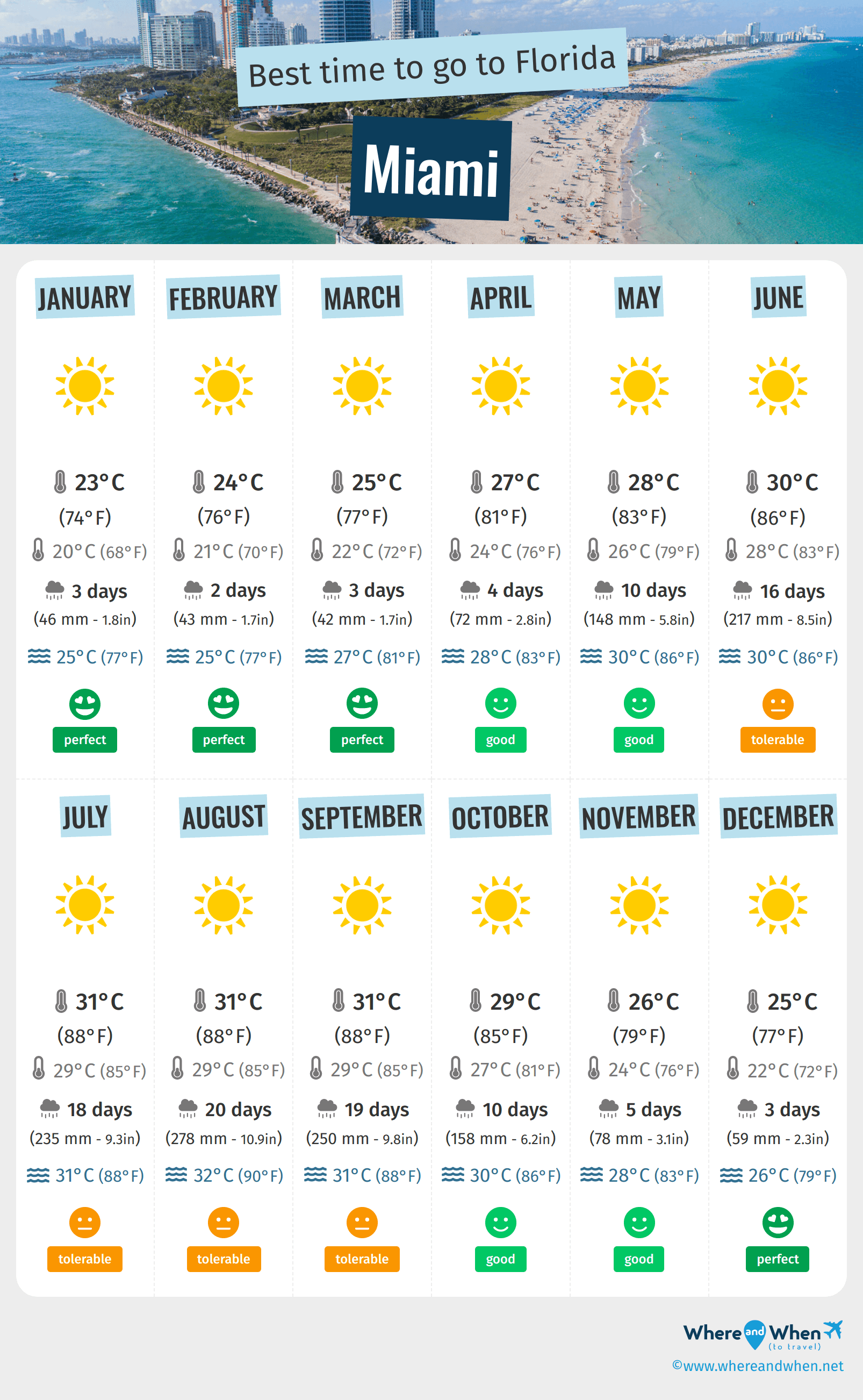
Miami boasts a true tropical monsoon climate, characterized by two primary seasons: a hot, wet season from May to October, and a warm, dry season from November to April. This distinct pattern is heavily influenced by its proximity to the Tropic of Cancer, the warm waters of the Atlantic Ocean and the Gulf Stream, which keeps ocean temperatures high even in winter. This geographical advantage ensures that freezing temperatures are virtually unheard of, making Miami a perpetual magnet for those escaping colder climes.
The annual average temperature hovers around 77°F (25°C), but this figure masks significant seasonal variations that impact everything from travel plans and accommodation choices to the types of tourism activities available. Humidity is a constant companion in Miami, often reaching high levels, especially during the summer months. This contributes to the city’s lush, subtropical vegetation and its famed palm-lined boulevards, but it also means that feeling comfortable often depends on access to air conditioning and proximity to the refreshing ocean breeze. When planning your visit, considering these climatic factors can greatly enhance your overall experience, guiding your packing list and activity schedule.
The Distinct Seasons of Miami
Understanding the characteristics of Miami’s seasons is key to maximizing your trip, whether you’re focusing on travel, hotels, tourism, or exploring landmarks.
Winter (November to April): The Dry Season’s Mild Charm
Miami’s winter is arguably its most celebrated season. During these months, the city enjoys abundant sunshine, lower humidity, and comfortably warm temperatures ranging from the mid-60s to mid-70s Fahrenheit (18-24°C). Rainfall is minimal, making it an ideal time for outdoor activities and sightseeing. The gentle ocean breezes provide a refreshing respite, perfect for strolls along South Beach or exploring the vibrant street art of Wynwood Walls. This period is peak season for tourism, with visitors flocking from around the globe. Accommodation prices, especially for luxury resorts and beachfront hotels in areas like Miami Beach and Key Biscayne, tend to be at their highest. Travel guides often highlight this as the prime window for experiencing Miami’s outdoor lifestyle, from golfing in Coral Gables to enjoying al fresco dining in Little Havana. It’s also a fantastic time for boat tours on Biscayne Bay or day trips to the Everglades National Park, where the wildlife is more active in the cooler, drier conditions.
Spring (March to May): A Transitional Delight
Spring in Miami offers a beautiful transition between the dry winter and the humid summer. Temperatures gradually rise, typically ranging from the low 70s to high 80s Fahrenheit (21-31°C). While still relatively dry, the humidity starts to creep up, signaling the approaching summer. This period is still excellent for travel, offering a sweet spot where the peak season crowds begin to thin, and hotel prices may become slightly more accommodating. It’s an opportune time for those seeking a balance between pleasant weather and slightly fewer tourists. Outdoor activities remain popular, and many spring festivals and events take advantage of the agreeable climate. This can be a great time for family trips, as school holidays often align, allowing for enjoyable visits to attractions without the oppressive summer heat.
Summer (June to September): The Hot, Humid, and Rainy Season
Miami’s summer is characterized by high heat, intense humidity, and frequent afternoon thunderstorms. Daily temperatures consistently reach the high 80s to low 90s Fahrenheit (31-34°C), with “real feel” temperatures often soaring higher due to the humidity. These months see the bulk of the annual rainfall, often delivered in dramatic, short-lived afternoon downpours that clear quickly, leaving behind steamy conditions. While intense, these showers are often a welcome cooling relief. This period also coincides with hurricane season (June 1st to November 30th), a critical consideration for any traveler. Despite the heat and rain, summer is a popular time for certain types of tourism, especially for those seeking budget travel options as hotel rates tend to be lower outside of specific holidays. Water-based activities like swimming, snorkeling, and jet-skiing are paramount for staying cool. Many choose hotels with excellent pool amenities or access to private beaches. Indoor attractions, shopping in the Design District, and exploring Downtown Miami’s museums become attractive alternatives during peak heat or rain.
Fall (October to November): A Gradual Cooling
As fall arrives, Miami slowly transitions back to its dry season. Temperatures begin to cool, dropping from the high 80s to the low 80s Fahrenheit (30-27°C), and humidity levels gradually decrease. While still within hurricane season, the threat typically lessens towards the end of November. This shoulder season can offer excellent value for travel, as crowds are thinner than in winter, and the weather becomes increasingly pleasant. It’s a fantastic time for exploring the local culture, enjoying outdoor dining, and visiting attractions without the intense summer heat or the winter peak season bustle. Many local festivals also take place during these months, offering unique experiences.
Navigating Miami’s Weather for the Perfect Trip
Choosing the right time to visit Miami largely depends on your priorities and tolerance for heat, humidity, and crowds. Every season offers a distinct experience, influencing everything from the activities you can enjoy to the accommodation options that best suit your needs.
Best Times to Visit Miami
For most visitors, especially those primarily interested in beaches, outdoor exploration, and comfortable conditions, the dry season (November to April) is unequivocally the best time to visit. The mild temperatures and low humidity create an ideal environment for enjoying all of Miami’s attractions, from the shores of South Beach to the vibrant nightlife of Brickell. This period is perfect for booking luxury hotels and resorts that boast extensive outdoor amenities, knowing you can enjoy them fully. However, be prepared for higher prices and larger crowds, particularly during holidays like Christmas, New Year’s, and Spring Break. Early December or late April can offer a slight reprieve in both regards while still maintaining excellent weather.
If budget travel is a priority, or if you don’t mind the heat and humidity, the summer months (June to September) can offer significant savings on hotels and flights. Many families choose this time for vacations, taking advantage of school breaks. While the heat is intense, the ocean provides a natural cooling system, and most indoor establishments are heavily air-conditioned. It’s also an excellent time for water sports and enjoying resort pools. Just be mindful of the hurricane season and plan accordingly with travel insurance and flexible booking options. The shoulder months of May and October also present a good compromise, offering slightly better weather than peak summer with fewer crowds and more moderate prices than winter.
What to Pack for Each Season
Your packing list will vary significantly based on the season of your visit. Regardless of when you travel, consider Miami’s generally casual and fashion-forward lifestyle.
- Winter (November-April): Think layers. While days are warm, evenings can be breezy and might warrant a light jacket, cardigan, or sweater, especially if dining outdoors or on a boat tour. Swimwear is a must for beach days. Comfortable walking shoes are essential for exploring landmarks like the Art Deco Historic District.
- Summer (May-October): Prioritize light, breathable fabrics like cotton and linen. Shorts, t-shirts, sundresses, and plenty of swimwear will be your uniform. A wide-brimmed hat, sunglasses, and high-SPF sunscreen are non-negotiable. While rain showers are common, they are usually warm, so a lightweight rain jacket or umbrella might be useful, but often a quick dash for cover suffices. Hydration is key, so bring a reusable water bottle.
- Year-Round Essentials: Regardless of the season, essentials include swimwear, sunglasses, sunscreen, a hat, comfortable walking shoes, and insect repellent (especially if venturing into natural areas like the Everglades). Many hotels and resorts have dress codes for their fine dining establishments, so include at least one nicer outfit for evening wear.
Weather-Proofing Your Miami Experience
Even with Miami’s generally idyllic climate, unexpected weather can occur. Being prepared means you can still enjoy your trip to the fullest, regardless of a passing shower or a particularly hot day.
Embracing Outdoor Activities Despite the Heat
During the hotter months, smart planning allows you to fully enjoy Miami’s outdoor offerings. Schedule strenuous activities like walking tours or exploring Everglades National Park for early mornings or late afternoons. Midday is best spent at the beach, in the pool, or enjoying air-conditioned indoor attractions.
Miami offers a plethora of water-based activities that are perfect for beating the heat. From paddleboarding and kayaking in Biscayne Bay to snorkeling off Key Biscayne or simply swimming in the warm Atlantic Ocean, there are countless ways to cool off. Many hotels and resorts offer direct access to beaches or have expansive pool complexes that serve as central hubs for relaxation and recreation. Even rain showers during the summer are often brief and warm, providing a refreshing break before the sun returns. Consider guided tours that offer comfortable, air-conditioned transportation between outdoor stops to minimize exposure during peak heat.
Finding the Right Accommodation for Every Climate
Your choice of accommodation can significantly impact your comfort level, especially concerning Miami’s weather. During the hot, humid summer, a hotel or resort with a fantastic pool area and robust air conditioning is paramount. Many luxury hotels offer amenities like private cabanas, chilled towels, and poolside service to enhance the experience. For budget travelers, even more affordable options typically come with air conditioning, which is a standard expectation in Florida.
In the milder winter, hotels offering more outdoor amenities like expansive patios, rooftop bars, or direct beach access become even more desirable. Villas and apartments for long-term stays might emphasize outdoor living spaces. For business travelers, choosing a hotel in Downtown Miami or Brickell with indoor conference facilities and easy access to transportation can be more practical, shielding them from any intense weather while commuting. Always check reviews regarding the effectiveness of a property’s AC, especially if traveling in the summer. Hotels with covered outdoor spaces or indoor alternatives for dining and recreation also offer flexibility, ensuring that a sudden downpour doesn’t entirely derail your plans.
Dealing with Tropical Storms and Hurricanes
Miami is located in a region prone to tropical storms and hurricanes, particularly between June 1st and November 30th. While direct hits are relatively rare, it’s essential to be aware and prepared.
- Stay Informed: Monitor local weather forecasts from reputable sources like the National Hurricane Center.
- Travel Insurance: Consider purchasing comprehensive travel insurance that covers weather-related cancellations or interruptions, especially if traveling during hurricane season.
- Flexible Bookings: Opt for hotels and airlines that offer flexible cancellation or rebooking policies.
- Hotel Preparedness: Most major hotels and resorts in Miami have robust hurricane preparedness plans, including emergency generators and designated safe areas. In the event of a severe storm warning, follow all instructions from local authorities and your accommodation staff. They will provide guidance on sheltering in place or evacuation routes. While a hurricane may interrupt your travel plans, Miami’s infrastructure is designed to recover quickly, and visitors are usually given ample warning.
In conclusion, Miami’s weather is an integral part of its allure, offering a tropical escape that beckons travelers worldwide. By understanding its seasonal nuances and planning accordingly, you can ensure a comfortable and memorable journey, whether you’re soaking up the winter sun or embracing the vibrant, thundery energy of a Miami summer. From selecting the perfect hotel to scheduling your sightseeing, a little weather wisdom goes a long way in unlocking the magic of this unforgettable Florida destination.
LifeOutOfTheBox is a participant in the Amazon Services LLC Associates Program, an affiliate advertising program designed to provide a means for sites to earn advertising fees by advertising and linking to Amazon.com. Amazon, the Amazon logo, AmazonSupply, and the AmazonSupply logo are trademarks of Amazon.com, Inc. or its affiliates. As an Amazon Associate we earn affiliate commissions from qualifying purchases.