
Hawaii, a captivating archipelago nestled in the heart of the Pacific Ocean, is synonymous with eternal sunshine, gentle trade winds, and a climate that beckons visitors year-round. Understanding the nuances of its weather is crucial for planning the perfect island escape, ensuring you pack appropriately and can fully immerse yourself in the aloha spirit without being caught off guard by a passing shower or an unusually warm spell. This guide delves into the meteorological tapestry of Hawaii, exploring its diverse microclimates, seasonal variations, and what to expect across its various islands.
Understanding Hawaii’s Tropical Climate
Hawaii’s climate is best described as a tropical, oceanic climate, characterized by warm temperatures, consistent humidity, and a significant amount of rainfall, albeit distributed unevenly across the islands and at different elevations. The dominant factor shaping Hawaii’s weather patterns is the presence of the Pacific Ocean, which moderates temperatures and influences wind direction.
The Influence of Trade Winds
The ubiquitous trade winds are a defining feature of Hawaii’s weather. These easterly or northeasterly breezes blow for most of the year, bringing with them refreshing air and keeping the islands from becoming excessively hot. They are particularly noticeable on the windward (northeastern) sides of the islands, often bringing moisture and contributing to lush vegetation. Conversely, the leeward (southwestern) sides tend to be drier and sunnier, benefiting from the rain shadow effect created by the islands’ mountain ranges. These winds also play a vital role in sailing, windsurfing, and providing a natural air conditioning effect that makes exploring the islands a pleasant experience.
Temperature Fluctuations and Humidity
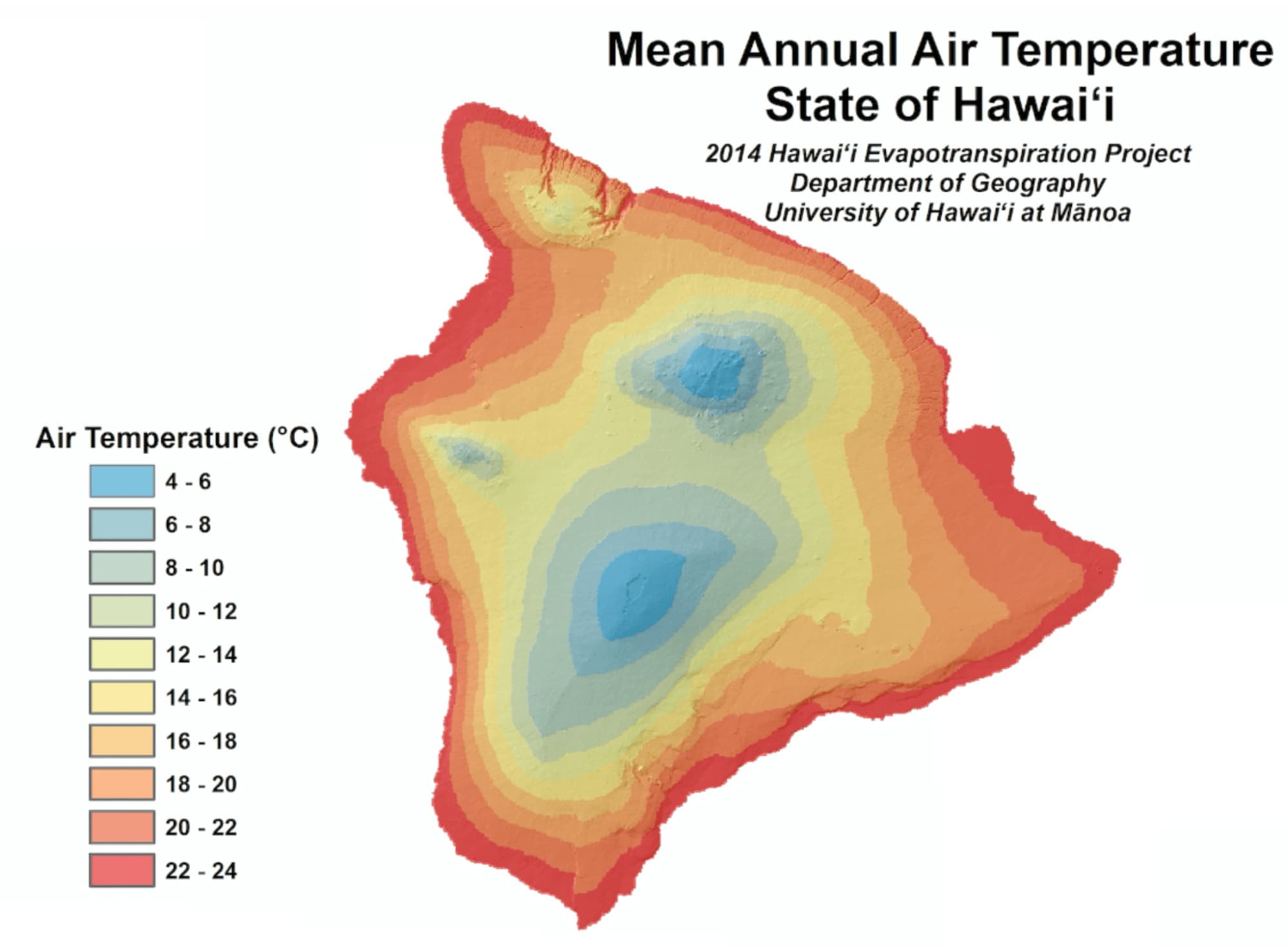
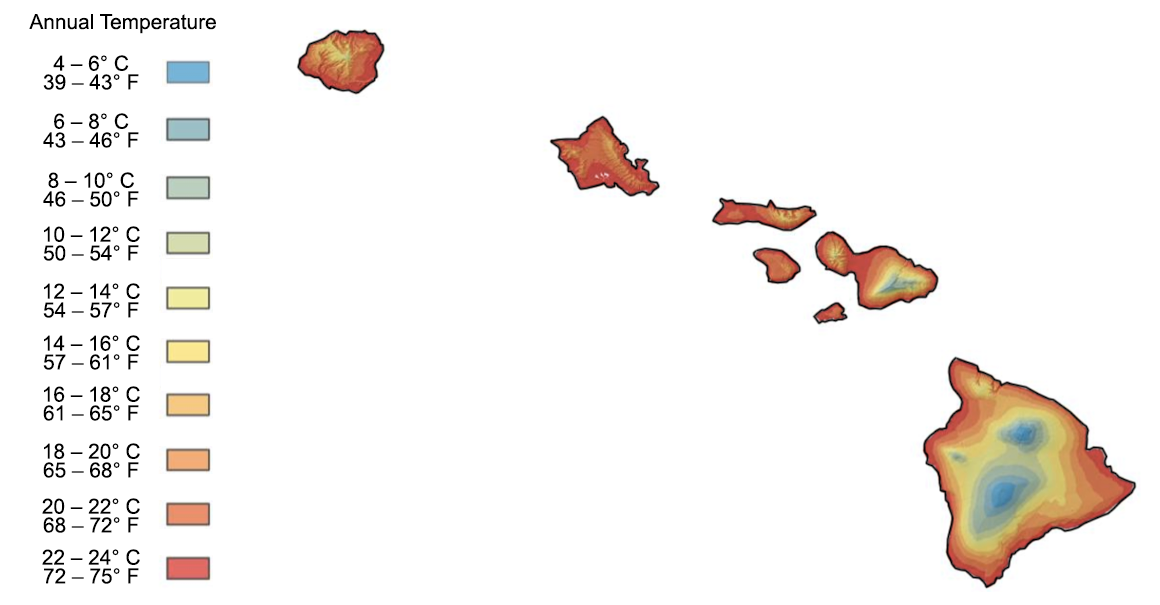
Temperatures in Hawaii remain remarkably stable throughout the year, with minimal seasonal variation. Average daytime temperatures typically hover between 75°F and 85°F (24°C to 29°C) at sea level. Nights are slightly cooler, generally ranging from 65°F to 75°F (18°C to 24°C). While the ocean helps to temper the heat, the humidity can sometimes be noticeable, especially during the summer months. However, the trade winds often provide a welcome breeze that mitigates any feeling of mugginess. Elevation also plays a significant role; as you ascend the mountains, temperatures drop considerably, with higher peaks like Mauna Kea experiencing freezing temperatures and even snow.
Seasonal Weather Patterns
While Hawaii doesn’t experience the distinct four seasons of many continental regions, it does have two primary seasons: the warmer, drier summer and the cooler, wetter winter. These distinctions are subtle and often more pronounced depending on the specific location on an island.
Summer: “Kau” (May to October)
The Hawaiian summer, known as “Kau,” is generally characterized by warmer temperatures, lower humidity, and less rainfall, particularly on the leeward sides of the islands. Daytime highs can reach into the mid-80s°F (around 29°C), and the ocean temperatures are at their warmest, making it ideal for swimming and snorkeling. This is also the season when the trade winds can sometimes falter, leading to periods of calmer, warmer conditions known as “kona winds,” which blow from the south or southwest and can bring increased humidity and occasional muggy spells. While rain is less frequent during this period, brief, intense showers can still occur, especially in mountainous areas.
Winter: “Hooilo” (November to April)
Hawaii’s winter, or “Hooilo,” brings slightly cooler temperatures, with daytime highs typically in the mid-70s°F (around 24°C). This is also the wet season, and rainfall increases significantly, especially on the windward coasts and at higher elevations. However, it’s important to note that “wet” in Hawaii doesn’t necessarily mean constant downpours. Often, rain falls in short, intense bursts, frequently in the early morning or late afternoon, leaving the rest of the day clear and sunny. This increased rainfall is crucial for the islands’ lush landscapes and agricultural cycles. For surfers, winter is prime time, as larger swells from the North Pacific bring impressive waves to the north and west shores of islands like Oahu and Maui.
Microclimates Across the Islands
One of the most fascinating aspects of Hawaii’s weather is the existence of numerous microclimates within a single island. This diversity is largely due to the dramatic changes in elevation and the “rain shadow” effect created by the volcanic mountain ranges.
Windward vs. Leeward Coasts
The most significant climatic division on each island is between the windward and leeward sides. The windward coasts, facing the prevailing trade winds, receive the brunt of the moisture carried from the ocean. This results in higher rainfall, denser vegetation, and a more tropical, jungle-like environment. Think of the lush rainforests of the Nā Pali Coast on Kauai or the verdant valleys of East Maui.
In contrast, the leeward coasts, sheltered from the trade winds by the mountains, are significantly drier and sunnier. These areas tend to have a more arid landscape, with golden beaches and a climate often described as semi-tropical or even desert-like in some pockets. This is where you’ll find many of the popular resort areas and sun-drenched beaches, such as the Ko Olina resorts on Oahu or the beaches of South Maui.
Mountainous Regions and Summit Elevations

As you ascend the volcanic mountains that form the backbone of the Hawaiian Islands, the weather transforms dramatically. At mid-elevations, rainfall can be exceptionally high, supporting cloud forests teeming with unique flora and fauna. For instance, areas like Kīlauea on the Big Island experiences its own distinct weather patterns influenced by volcanic activity and elevation.
The highest elevations, particularly on Maui (Mauna Kahalawa) and the island of Hawaii (Mauna Kea and Mauna Loa), can experience sub-freezing temperatures and even snow during the winter months. These conditions are a stark contrast to the balmy beaches at sea level and make it possible to ski in Hawaii, albeit on a volcanic surface and with specialized equipment. Visitors venturing to these higher altitudes must be prepared for a significant drop in temperature and potential for harsh weather.
Weather Considerations for Popular Islands
Each Hawaiian Island boasts its own climatic nuances, offering a diverse range of weather experiences for travelers. Understanding these specific patterns can help you tailor your itinerary and packing list.
Oahu: The Gathering Place
Oahu, home to the state capital Honolulu and the famous Waikīkī Beach, enjoys a relatively consistent tropical climate. The south shore, where Honolulu is located, is generally drier and sunnier, benefiting from the leeward position. The north shore experiences more rainfall and larger waves during the winter months, making it a world-renowned surfing destination. Inland areas and the Koʻolau Range can receive considerable rainfall, contributing to their lush greenery. Temperatures in Honolulu typically range from the mid-70s°F to the mid-80s°F year-round.
Maui: The Valley Isle
Maui presents a remarkable array of microclimates. The leeward side, encompassing areas like Kāʻanapali and Wailea, is known for its sunny skies and consistent beach weather. The windward side, particularly the Hāna region, is significantly wetter and lusher, with frequent rain showers feeding its vibrant rainforests. The summit of Haleakalā, a massive dormant volcano, offers a completely different climate, often cool and dry, with stark, otherworldly landscapes and spectacular sunrise and sunset views.
Kauai: The Garden Isle
True to its nickname, Kauai is characterized by its abundant rainfall, especially on the north and east shores, which nourishes its emerald cliffs and cascading waterfalls. The island’s interior, including the dramatic Waimea Canyon, experiences its own weather patterns, often influenced by elevation and prevailing winds. While the south shore, around Poʻipū, tends to be drier and sunnier, occasional showers are part of Kauai’s charm, contributing to its breathtaking natural beauty.
Island of Hawaii: The Big Island
The Island of Hawaii, often referred to as the Big Island, showcases the most dramatic climatic diversity due to its sheer size and the presence of active volcanoes. The Kona coast on the west side is famously dry and sunny, perfect for coffee plantations and beautiful beaches. The Hilo side on the east coast is one of the wettest places in the United States, supporting a lush tropical environment. The summit regions of Mauna Kea and Mauna Loa offer alpine conditions, with freezing temperatures and snow at the highest elevations, providing a truly unique meteorological experience for those seeking adventure.
Planning Your Trip Based on Weather
When planning a visit to Hawaii, considering the weather can significantly enhance your experience. While the islands are a year-round destination, understanding the seasonal nuances and regional variations will help you pack wisely and choose activities that align with the prevailing conditions.
Packing Essentials for Any Season
Regardless of the time of year, a few essentials are a must for any trip to Hawaii. Lightweight, breathable clothing such as shorts, t-shirts, and sundresses are ideal for warm days. A light jacket or sweater is advisable for cooler evenings, especially at higher elevations, and for air-conditioned interiors. Swimwear is, of course, essential for enjoying the pristine beaches and warm ocean waters. Comfortable walking shoes are important for exploring towns, hiking trails, and visiting attractions.
Rain Gear and Sun Protection
Even during the drier summer months, brief rain showers can occur, so packing a light, packable rain jacket or a poncho is a wise precaution. During the wetter winter season, a more robust waterproof jacket might be beneficial for those planning to explore the windward coasts or higher elevations. Sun protection is paramount in Hawaii. High SPF sunscreen, a wide-brimmed hat, and sunglasses are crucial for shielding your skin and eyes from the strong tropical sun. Reapplying sunscreen frequently, especially after swimming, is highly recommended.
Seasonal Activity Considerations
For those seeking outdoor adventures, the season can influence activity choices. Surfing enthusiasts will find the best conditions on the North Shores during the winter months, while calmer waters in the summer are ideal for snorkeling, kayaking, and paddleboarding in many areas. Hiking can be enjoyed year-round, but be prepared for potentially muddy conditions and increased rainfall in the winter, particularly in rainforest areas. For stargazing on Mauna Kea, checking weather and road conditions is essential, as high-altitude weather can change rapidly. Ultimately, Hawaii’s climate offers something for everyone, making it a destination that can be enjoyed in any season, with careful planning and an open mind to the island’s natural rhythms.