
The Windy City, a vibrant metropolis nestled on the shores of Lake Michigan, is a global hub for culture, business, and unforgettable experiences. Whether you’re planning a weekend getaway, a business trip, or an extended exploration of its rich tapestry, understanding the practicalities of navigating Chicago, Illinois is key to a seamless journey. One such crucial piece of information for any traveler, visitor, or even a new resident is the city’s zip code. While Chicago is a sprawling urban landscape, it’s important to note that it doesn’t have a single, monolithic zip code. Instead, the city is served by a multitude of zip codes, each encompassing distinct neighborhoods and districts. This comprehensive guide will delve into the intricacies of Chicago’s postal code system, offering insights relevant to travel, accommodation, and experiencing the best of what this iconic American city has to offer.
Understanding Chicago’s Postal Landscape
Navigating Chicago is an adventure in itself, with its distinct neighborhoods, each boasting its own unique character and attractions. From the gleaming skyscrapers of the Loop to the charming brownstones of Lincoln Park, and the trendy boutiques of Wicker Park to the cultural heart of the Museum Campus, the city’s diverse offerings cater to every traveler’s desires. To facilitate efficient mail delivery and to help in planning logistics, the United States Postal Service (USPS) has divided Chicago into numerous zip codes.
The Diversity of Chicago Zip Codes
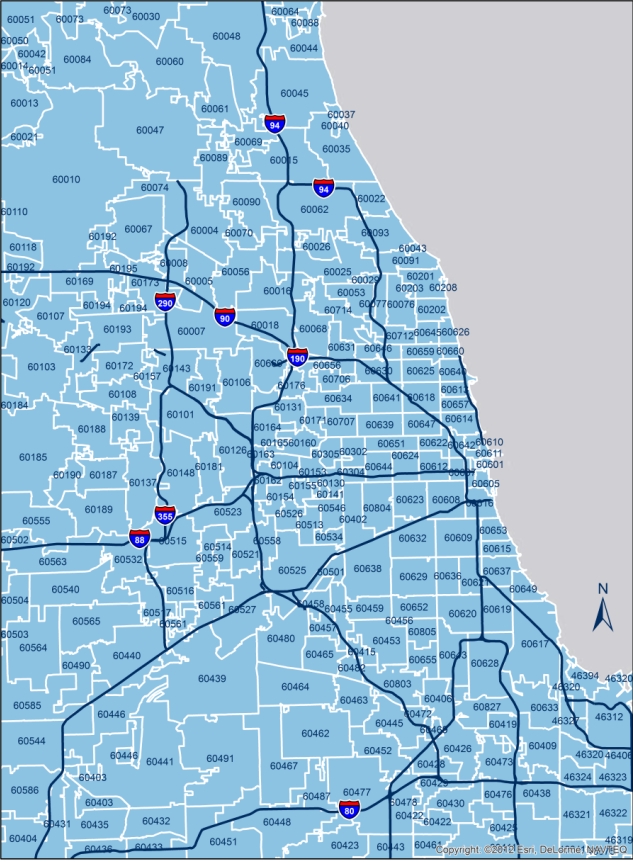
The sheer scale of Chicago necessitates a granular approach to its postal system. The city, the third-largest in the United States, is home to millions of residents and a constant flow of visitors. Consequently, there isn’t one single zip code that represents all of Chicago. Instead, the city is covered by a wide array of zip codes, typically falling within the 606xx range. These codes are not randomly assigned; they generally correspond to specific geographical areas, helping to define neighborhoods and administrative zones.
For instance, the bustling downtown core, known as the Loop, which is a prime destination for business travelers and tourists alike, is served by several zip codes. These might include areas like 60602, 60603, 60604, 60605, and 60606, each covering a specific quadrant or section of this vibrant business and entertainment district. Here, you’ll find iconic landmarks like Millennium Park, home to Cloud Gate (affectionately known as “The Bean”), and the historic Art Institute of Chicago. The Loop is also a central hub for transportation, making it an accessible starting point for exploring the rest of the city.
Moving north, neighborhoods like Lincoln Park and Old Town are popular for their residential charm, lively nightlife, and cultural institutions. These areas might fall under zip codes such as 60614 or 60610. Lincoln Park offers a sprawling green space, the Lincoln Park Zoo, and the Chicago History Museum, making it a fantastic area for families and those seeking a more relaxed pace, while still being close to the city’s energy.
Further west, areas like Wicker Park and Bucktown have become synonymous with cutting-edge fashion, independent art galleries, and a thriving culinary scene. These trendy locales might be found within zip codes like 60622. This part of Chicago is perfect for travelers who enjoy exploring off-the-beaten-path experiences and discovering local gems.
To the south, the Museum Campus—home to the Field Museum, the Shedd Aquarium, and the Adler Planetarium—is a must-visit for any culture enthusiast. This area is typically covered by zip codes such as 60605 and 60616. These zip codes are crucial for planning visits to these world-class institutions and for booking accommodation nearby to maximize your time exploring these scientific and historical wonders.
The vastness of Chicago also extends to its northern and southern neighborhoods, each with its own unique identity and zip codes. Areas like Edgewater or Rogers Park in the north, and Hyde Park in the south (which houses the University of Chicago and the Museum of Science and Industry), will have their own distinct postal designations, often within the 606xx range. Understanding these specific zip codes becomes particularly important when booking hotels or apartments, as proximity to certain attractions or business districts can significantly impact your travel experience.
Practical Applications for Travelers and Residents
Knowing the zip code for a specific area of Chicago is not just an academic exercise; it has tangible benefits for anyone interacting with the city. From booking accommodation to sending mail or receiving packages, and even when using navigation apps, accurate zip code information can streamline your experience.
Booking Accommodation: Hotels, Resorts, and Apartments
When searching for the perfect place to stay in Chicago, understanding the zip code of your desired neighborhood is paramount. Whether you’re looking for a luxurious suite at the Four Seasons Hotel Chicago, a chic apartment rental for a long-term stay, or a family-friendly resort, filtering your search by zip code can significantly narrow down your options and ensure you’re situated in the heart of the action or in a tranquil enclave, depending on your preference.
For example, if your primary goal is to be close to the iconic Magnificent Mile for world-class shopping and dining, you’ll want to focus on zip codes like 60611 or 60610, which encompass this famous stretch. Hotels such as The Langham Chicago or the Thompson Chicago would likely be found within these areas. These locations offer unparalleled access to luxury boutiques, renowned restaurants, and architectural marvels.

If you’re visiting Chicago for a convention or business meeting at the McCormick Place, the largest convention center in North America, you’ll want to look for accommodations in zip codes like 60616 or 60653, which are in close proximity. Many hotels cater specifically to this demand, offering convenient shuttle services and business amenities.
For those seeking a more budget-friendly experience or a longer stay, exploring apartment rentals or guesthouses in neighborhoods like Pilsen (known for its vibrant Mexican culture and art scene) or Logan Square (a rapidly growing hub for independent businesses and culinary innovation) can be ideal. These areas, with their unique local flavor, might fall within zip codes like 60608 or 60647. Searching by these zip codes allows you to discover charming, locally-owned accommodations that offer a more authentic taste of Chicago life.
The ability to compare hotels and accommodation options based on their zip code allows travelers to make informed decisions, balancing factors like price, proximity to attractions, and the overall vibe of the neighborhood. This level of detail is crucial for crafting a personalized and enjoyable travel itinerary, whether it’s a family trip to the Lincoln Park Zoo or a solo exploration of Wrigleyville and its legendary baseball stadium, Wrigley Field.
Exploring Attractions and Landmarks
Chicago is a city brimming with iconic landmarks and world-class attractions, each occupying a specific place within its intricate postal network. Knowing the zip code for these destinations is essential for planning your daily excursions, estimating travel times, and even for guiding taxi drivers or ride-sharing services.
The architectural wonders of Chicago are renowned globally. A stroll along the Chicago Riverwalk or a guided architectural boat tour offers breathtaking views of some of the world’s tallest and most innovative buildings. The zip codes for the downtown Loop area, such as 60601 or 60603, are central to experiencing these marvels, including landmarks like the Willis Tower (formerly the Sears Tower) and the John Hancock Center.
For art and history buffs, the Museum Campus is an absolute must. Located on the lakefront, the Field Museum, Shedd Aquarium, and Adler Planetarium are typically found within the 60605 zip code. Planning your visit to these institutions is made easier when you know their precise location and postal code.
Nature lovers will find solace in Chicago’s many parks. Millennium Park, home to Cloud Gate and the Crown Fountain, is nestled within the 60602 zip code. Grant Park, another expansive green space, also falls within the downtown zip codes. Further north, Lincoln Park offers a vast urban oasis with its zoo, conservatory, and lakefront beaches, generally covered by zip codes like 60614.
When you’re ready to venture into the diverse neighborhoods, knowing the zip codes helps you pinpoint specific cultural experiences. For instance, exploring the vibrant street art and culinary scene in Pilsen is best done with the 60608 zip code in mind. Similarly, catching a Chicago Cubs game at Wrigley Field directs you to the 60613 zip code in Lakeview.
Understanding these geographical markers, including their associated zip codes, allows for a more efficient and immersive exploration of Chicago’s multifaceted offerings. It’s the practical backbone that supports the realization of your travel dreams, from catching a show in the Theater District to discovering hidden culinary gems in West Loop.

Lifestyle and Experiential Travel
Chicago is not just a city of sights; it’s a city of experiences. Whether you are a luxury traveler seeking opulent comfort, a budget-conscious explorer, or a family on a memorable adventure, the city’s zip codes can help you tailor your lifestyle and find experiences that perfectly match your aspirations.
Luxury travelers might find themselves drawn to the high-end hotels and designer boutiques located in zip codes like 60611 along the Magnificent Mile or the exclusive areas of the Gold Coast. These zip codes are synonymous with premium amenities, fine dining, and an elevated lifestyle, offering an indulgent escape.
For those on a budget, exploring neighborhoods outside the immediate downtown core can reveal more affordable accommodation and dining options. Areas like Edgewater (often in the 60660 or 60626 zip codes) or parts of Uptown offer a more local feel with a diverse range of ethnic eateries and charming, less expensive hotels or hostels. These zip codes provide access to authentic Chicago experiences without breaking the bank.
Family trips can be greatly enhanced by choosing accommodations and planning activities based on zip codes. For instance, staying near the Museum Campus (zip code 60605) offers easy access to educational and entertaining attractions for all ages. Alternatively, a stay in Lincoln Park (zip code 60614) provides proximity to the Lincoln Park Zoo and the expansive park grounds, perfect for outdoor fun and picnics.
Business travelers often prioritize convenience and proximity to the McCormick Place convention center or the financial district in the Loop. Understanding the zip codes around these key areas, such as 60616 for McCormick Place or 60601-60606 for the Loop, allows for efficient planning of commutes and access to necessary business services.
Ultimately, the zip code for any given location in Chicago acts as a key to unlocking specific experiences. It’s a practical tool that empowers travelers to curate their perfect Chicago adventure, whether that involves exploring avant-garde art galleries in West Town (zip code 60622), enjoying the vibrant nightlife of River North (zip code 60654), or simply finding a quiet café in a charming residential neighborhood. By understanding how Chicago’s postal codes align with its diverse offerings, visitors and residents alike can navigate the city with greater ease and discover its many treasures.