
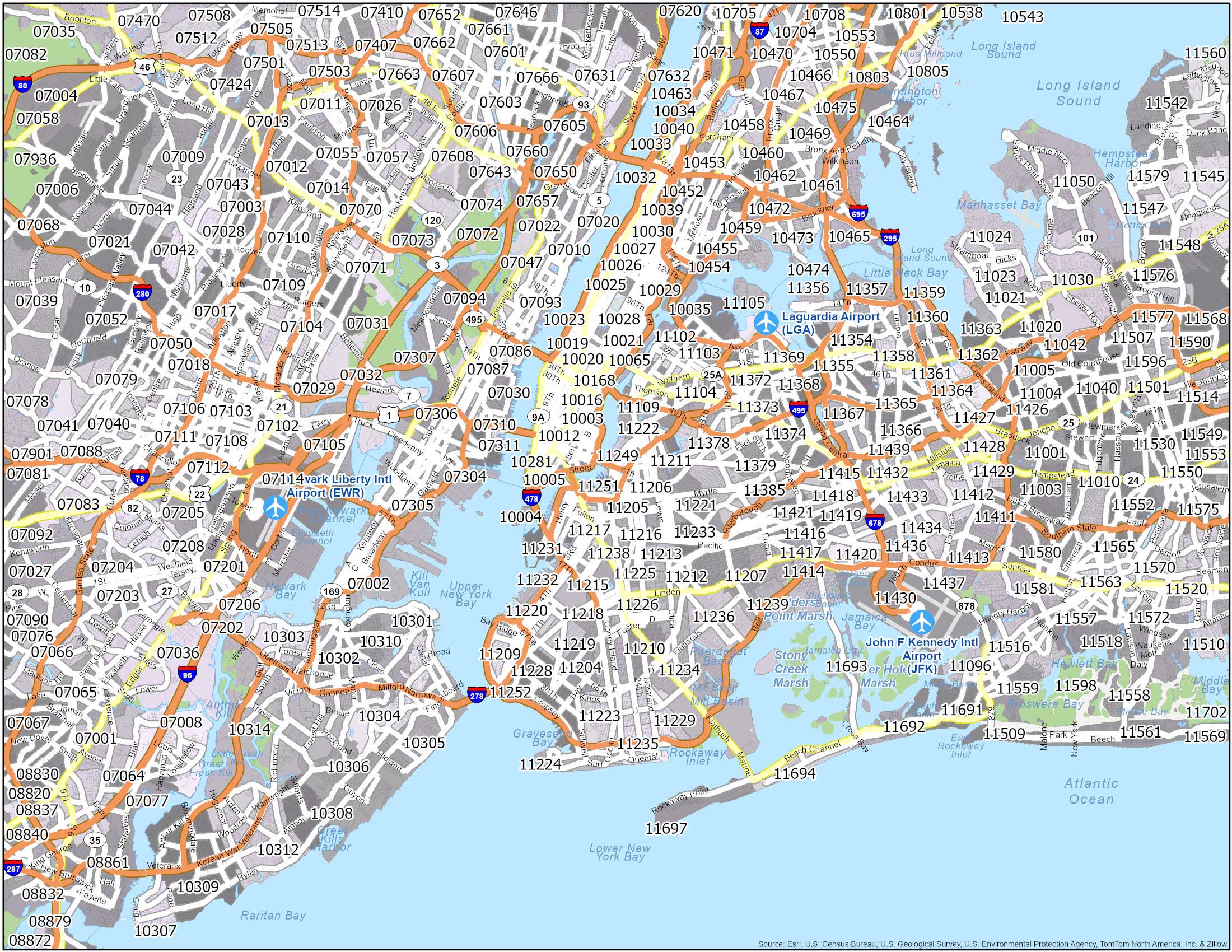
The question “What is the zip code for New York City?” often elicits a surprised look from those who live in or frequently visit the bustling metropolis. Unlike many smaller towns or even some large cities that might have a singular, overarching zip code, New York City is a vibrant, sprawling mosaic of neighborhoods, each with its own distinct character, atmosphere, and—crucially for travelers and residents alike—its own set of zip codes. This postal complexity isn’t merely an administrative detail; it’s a fundamental aspect of navigating, exploring, and truly understanding one of the world’s most dynamic urban environments. For anyone planning a trip, considering accommodation, or simply wanting to grasp the local culture, comprehending the geography as defined by these postal codes is an invaluable tool.

This article delves into the intricate world of New York City’s zip codes, explaining why there isn’t just one, how they are organized, and most importantly, how this knowledge can significantly enhance your travel experience. From choosing the perfect hotel in a specific area to locating iconic landmarks or discovering hidden culinary gems, understanding the postal geography is key to unlocking the full potential of your New York adventure.
Beyond a Single Number: Understanding New York City’s Geographic Tapestry
New York City, a global epicenter of culture, finance, and innovation, is not a monolithic entity. It’s an amalgamation of five distinct boroughs, each functioning almost as a city unto itself, further subdivided into hundreds of unique neighborhoods. This intricate structure is reflected in its postal system, which relies on a multitude of zip codes rather than a single identifier.
The Myth of a Singular Zip Code
The idea of a single zip code for New York City is a common misconception, especially for those accustomed to the postal systems of less sprawling urban centers. The United States Postal Service (USPS) assigns zip codes to individual postal delivery areas, which often correspond to specific neighborhoods or even large buildings in dense areas. Given New York City’s’s immense size, population density, and diverse geography, a single zip code would be entirely impractical for efficient mail delivery and logistical operations.
Instead, the city is covered by hundreds of zip codes, typically starting with “10” for Manhattan and parts of The Bronx, “11” for Brooklyn and Queens, and “103” for Staten Island. These five-digit codes are vital not only for mail but also for defining local markets, tracking demographics, and even influencing property values and rental costs, making them an indirect guide to the diverse “lifestyles” available across the city.
Boroughs, Neighborhoods, and Their Unique Identities
Each of New York City’s five boroughs—Manhattan, Brooklyn, Queens, The Bronx, and Staten Island—boasts a distinctive identity, further fragmented into countless neighborhoods. These neighborhoods are often delineated by their own specific zip codes, which in turn reflect their unique character, attractions, and resident demographics.
- Manhattan: The iconic island borough is home to some of the most famous zip codes in the United States. For example, the 10001 zip code covers parts of Chelsea and Midtown West, including Madison Square Garden, while 10036 encompasses the dazzling lights of Times Square and the Theater District. Travelers looking for luxury experiences might target hotels in the 10019 area near Central Park or the Upper West Side, or the 10022 zip code for the Upper East Side. Conversely, areas like Greenwich Village (10011, 10012, 10014) offer a more bohemian, historic charm, attracting those interested in local culture and unique food experiences.
- Brooklyn: Known for its artistic flair and diverse communities, Brooklyn offers a different vibe entirely. Zip codes like 11201 (covering DUMBO and Brooklyn Heights) are highly sought after for their picturesque views of the Manhattan skyline and easy access to the Brooklyn Bridge. Williamsburg (11211) is a haven for trendy boutiques, vibrant nightlife, and exceptional dining, drawing a younger, more alternative crowd. Further afield, areas like Bushwick (11237) are becoming cultural hotspots with street art and burgeoning art scenes.
- Queens: The largest borough geographically, Queens is celebrated for its incredible ethnic diversity and authentic culinary scenes. Long Island City (11101, 11106) offers stunning waterfront views, modern accommodations like the Z NYC Hotel, and a thriving arts scene, just a short subway ride from Manhattan. Flushing (11354, 11355) is home to one of the largest and most vibrant Chinatowns outside of Asia, while Jackson Heights (11372) is a paradise for lovers of Indian and South American cuisine.
- The Bronx: Often overlooked by tourists, The Bronx offers rich history, beautiful parks, and unique cultural experiences. Zip codes like 10451 and 10452 cover parts of Concourse, home to Yankee Stadium. The 10471 zip code encompasses the leafy, affluent neighborhood of Riverdale, while 10464 covers City Island, a charming maritime village.
- Staten Island: Accessed by the famous free Staten Island Ferry, Staten Island (zip codes starting with 103xx) offers historical sites, green spaces, and a quieter pace. Areas around St. George (10301) provide easy access from the ferry terminal and are home to attractions like the Staten Island Museum and the Snug Harbor Cultural Center & Botanical Garden.
Navigating New York City: How Zip Codes Aid Travel Planning
For the discerning traveler, understanding New York City’s zip codes transcends mere postal curiosity; it becomes a powerful tool for strategic trip planning. From selecting the ideal base for your stay to crafting efficient itineraries and immersing yourself in specific cultural experiences, zip codes provide a geographical shorthand that can significantly enhance your journey.
Choosing Your Ideal Accommodation: Location, Location, Location
One of the primary benefits of comprehending New York City’s zip codes is in the realm of accommodation. The sheer volume and diversity of hotels, suites, resorts, apartments, and villas available can be overwhelming. Knowing which zip code aligns with your travel style, budget, and desired activities can dramatically streamline your search.
- Luxury Travel: If you envision a lavish stay with proximity to high-end shopping, fine dining, and cultural institutions, focusing on zip codes like 10019 or 10022 in Midtown and the Upper East Side of Manhattan is ideal. Here, you’ll find iconic establishments such as The Plaza Hotel or the St. Regis New York, offering unparalleled amenities and services.
- Budget Travel: For those seeking more affordable options without sacrificing convenience, exploring areas slightly outside the prime Manhattan core, such as zip codes in Long Island City, Queens (e.g., 11101), or parts of Brooklyn like Bushwick (e.g., 11237), can yield excellent results. These areas often provide boutique hotels like The William Vale or more budget-friendly accommodations with excellent subway access to major attractions.
- Family Trips: Families might prioritize quieter neighborhoods with parks and family-friendly attractions. Zip codes in the Upper West Side (e.g., 10023, near Central Park and the American Museum of Natural History) or even certain areas of Brooklyn like Park Slope (11215) offer a more residential feel with ample amenities for children.
- Business Stays: Business travelers often need to be in close proximity to corporate hubs. The 10004 zip code (home to the Financial District) or the various zip codes spanning Midtown Manhattan (e.g., 10017 near Grand Central Terminal, or 10036 near Times Square and its associated business centers) would be prime choices.
Using zip codes in booking platforms allows you to filter results precisely, ensuring your accommodation is not just a place to sleep but a strategically located base for your entire New York City experience.

Exploring Iconic Landmarks by Neighborhood
New York City’s landmarks are globally recognized, but their geographical distribution is vast. Leveraging zip codes helps in clustering attractions for efficient sightseeing and understanding the flow of your itinerary.
- Midtown Manhattan: A dense cluster of must-see sights resides within a few key zip codes. The 10036 zip code is synonymous with the dazzling lights of Times Square, the world-renowned Broadway theaters, and excellent dining. Nearby, 10020 encompasses Rockefeller Center and its iconic Top of the Rock observation deck, while 10001 is where you’ll find the majestic Empire State Building. Planning your day around these zip codes minimizes travel time and maximizes exploration.
- Lower Manhattan: For history and solemn reflection, head to zip code 10007, home to One World Trade Center and the 9/11 Memorial & Museum. From here, it’s a short walk or subway ride to the ferry terminal (within 10004) to visit the Statue of Liberty and Ellis Island. The adjacent 10013 (covering SoHo and Tribeca) offers a completely different experience with its cobblestone streets, art galleries, and trendy boutiques.
- Uptown Cultural Gems: Further north, zip codes like 10028 (the Upper East Side) are home to Museum Mile, featuring institutions like the Metropolitan Museum of Art and the Guggenheim Museum. Meanwhile, 10019 is where you’ll find the Museum of Modern Art.
- Beyond Manhattan: Don’t forget the treasures in other boroughs. Coney Island’s amusement park (11224) in Brooklyn and Yankee Stadium (10451) in The Bronx are iconic destinations, easily identifiable by their specific zip codes, which helps in planning your journey via public transport.
Culinary Journeys and Local Experiences Through Zip Codes
Food is an integral part of New York City’s local culture, and zip codes can guide you to specific culinary enclaves and authentic experiences.
- Ethnic Food Havens: For a taste of Italy, explore the 10013 zip code (Little Italy) or venture to the Bronx’s Arthur Avenue (10458). If Asian cuisine is what you crave, the extensive Chinatown in 10002 or Flushing, Queens (11354), offers unparalleled authenticity. Jackson Heights, Queens (11372), is renowned for its diverse Indian, Nepalese, and Latin American eateries.
- Trendy Dining & Nightlife: Williamsburg, Brooklyn (11211), is the go-to for cutting-edge restaurants, craft breweries, and vibrant nightlife, while Greenwich Village (10011) retains its charm with historic taverns and diverse dining options.
- Hidden Gems: Sometimes the best experiences are found off the beaten path. Using zip codes to search for local events, community markets, or small, independent businesses in specific neighborhoods can lead to authentic encounters not typically highlighted in mainstream travel guides. This approach allows travelers to delve deeper into the local lifestyle, discovering hidden courtyards, independent bookstores, or charming coffee shops that truly reflect the spirit of a particular area.
Practical Applications for Travelers and Residents Alike
While the romantic notion of exploring New York City’s diverse neighborhoods by their unique character is compelling, the practical utility of zip codes extends far beyond tourism. For anyone living in, working in, or even just temporarily visiting the city, zip codes play a crucial role in daily logistics and understanding the urban landscape.
Package Deliveries and Essential Services
In a city of millions, efficient package delivery and access to essential services are paramount. Zip codes are the backbone of this system. Whether you’re ordering takeout to your hotel room in Midtown (e.g., 10018 near Moxy Times Square) or having travel essentials shipped to your long-term rental in Greenwich Village (10014), the correct zip code ensures your items arrive precisely where they need to go. For residents, it’s also fundamental for utilities, voter registration, and accessing local government services. This intricate network of postal codes facilitates the seamless flow of goods and information that keeps the city running.
Moreover, emergency services (police, fire, EMS) often use zip codes in conjunction with street addresses for rapid dispatch, highlighting their critical role in public safety. For travelers needing urgent medical attention, knowing the zip code of their current location can help expedite assistance.
The Future of Urban Planning and Digital Navigation
Zip codes are not static; they evolve as cities grow and change. Urban planners and demographers utilize zip code data to analyze population shifts, economic trends, and service needs, informing decisions about infrastructure, public transport, and resource allocation. For instance, the revitalization of areas like the Financial District (10004) or the transformation of industrial zones into residential hubs in Brooklyn (e.g., DUMBO’s 11201) are reflected in their evolving zip code demographics.
In the digital age, zip codes are integral to online navigation and personalized experiences. Mapping applications, ride-sharing services, and local search engines leverage zip codes to provide accurate directions, estimate travel times, and suggest nearby attractions, restaurants, or hotels. When searching for an “Airbnb in SoHo” or “restaurants near Washington Square Park,” the underlying technology often uses zip code data to narrow down results, offering travelers highly relevant information tailored to their current or desired location. This digital integration means that even if you’re not explicitly thinking about zip codes, they are constantly working behind the scenes to make your New York City experience smoother and more intuitive.
Making the Most of Your New York City Adventure
In conclusion, the answer to “What is the zip code for New York City?” is not a simple five-digit number but a complex, fascinating array of hundreds of codes, each representing a distinct piece of this incredible metropolis. Far from being a mere postal technicality, New York City’s zip codes serve as an invaluable guide for travelers.
By understanding how zip codes delineate boroughs and neighborhoods, you gain a powerful tool for planning your perfect trip. Whether you’re seeking the vibrant energy of Times Square (10036), the artistic allure of Greenwich Village (10014), the trendy vibe of Williamsburg (11211), or the serene beauty of Central Park (bordering multiple 100xx codes), knowing the relevant zip code can inform your choice of accommodation, guide your exploration of landmarks, and lead you to authentic local culture and culinary delights.
Embrace the geographical diversity that zip codes reveal. Use them as a lens to discover the unique character of each neighborhood, helping you to book the ideal hotel, plan efficient itineraries, and immerse yourself in the local lifestyle. This strategic approach to understanding New York City’s postal geography will undoubtedly enrich your travel experiences, allowing you to navigate the city with confidence and uncover its many hidden treasures. So, as you plan your next urban adventure, remember that in New York City, the answer to “where are you?” is often best articulated by a zip code.
LifeOutOfTheBox is a participant in the Amazon Services LLC Associates Program, an affiliate advertising program designed to provide a means for sites to earn advertising fees by advertising and linking to Amazon.com. Amazon, the Amazon logo, AmazonSupply, and the AmazonSupply logo are trademarks of Amazon.com, Inc. or its affiliates. As an Amazon Associate we earn affiliate commissions from qualifying purchases.