
When we speak of “time” in Chicago, it’s much more than a simple glance at a clock. It encompasses the vibrant rhythms of a city that never truly sleeps, the optimal moments to experience its diverse offerings, and the countless ways travelers can make every second count in this magnificent metropolis. From its position in the Central Time Zone, Chicago orchestrates a symphony of experiences, inviting visitors to dive into its rich history, architectural marvels, world-class museums, and culinary delights. Whether you’re a first-time visitor or a seasoned traveler returning to its familiar streets, understanding the multifaceted nature of “time” in Chicago is key to unlocking an unforgettable journey.
This isn’t just about scheduling your itinerary; it’s about attuning yourself to the city’s heartbeat. It’s about recognizing the seasonal shifts that transform its landscapes, the cultural events that punctuate its calendar, and the strategic choices in accommodation that can optimize your precious moments. Chicago is a city built on resilience and innovation, a place where history echoes through towering skyscrapers and vibrant neighborhoods, and where every moment holds the potential for discovery. So, let’s delve into what “time” truly means in the context of experiencing Chicago to its fullest, ensuring that your adventure here is not just well-spent, but profoundly memorable.

Navigating Chicago’s Rhythms: Best Times to Visit and Why
Chicago’s geographical location at the southern tip of Lake Michigan blesses it with distinct and dramatic seasons, each offering a unique flavor of the city. Deciding when to visit often hinges on what kind of experience you’re seeking, as the weather, activities, and overall atmosphere shift considerably throughout the year. Understanding these seasonal rhythms is the first step in planning a truly fulfilling trip.
Seasonal Splendor: Unveiling Chicago’s Yearly Charms
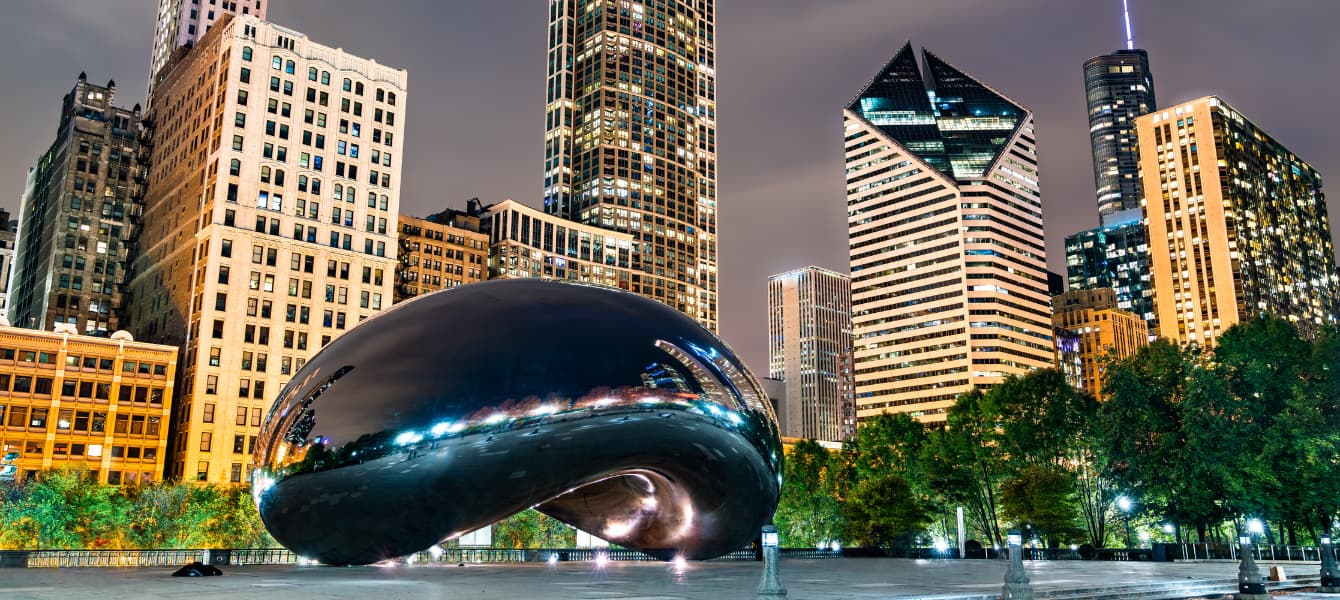
Summer (June to August) is arguably Chicago’s most popular season, and for good reason. The city truly comes alive under the warm sun, transforming into an urban playground. The days are long, perfect for exploring Millennium Park’s iconic “Bean” sculpture (Cloud Gate), strolling along the scenic Chicago Riverwalk, or enjoying the lively atmosphere of Navy Pier. Outdoor dining flourishes, rooftop bars offer breathtaking skyline views, and the beaches along Lake Michigan become bustling hubs of activity. Music festivals, street fairs, and free outdoor concerts are abundant, creating an electrifying energy throughout the city. However, with popularity comes larger crowds and higher prices for flights and accommodations, so booking well in advance is crucial.
Autumn (September to November) ushers in a period of spectacular beauty and comfortable temperatures. The intense summer heat gives way to crisp, clear days, and the city’s parks and tree-lined streets erupt in a dazzling display of fall foliage. This is an ideal time for architectural boat tours on the Chicago River, as the cooler air makes for a more pleasant experience. Cultural institutions, like the Art Institute of Chicago and the Field Museum, are less crowded than in summer, allowing for more leisurely exploration. Autumn also brings a slew of food festivals and harvest celebrations, showcasing the Midwest’s bounty.
Winter (December to February) in Chicago is a season of stark beauty and festive cheer, albeit accompanied by cold temperatures and potential snow. While it might deter some, those who embrace the chill will discover a magical side of the city. The Magnificent Mile glitters with holiday lights, ice skating rinks pop up in parks, and the Christkindlmarket offers a charming German-inspired holiday experience. It’s the perfect time to explore Chicago’s world-class museums without the summer crowds, cozy up in a historic pub, or indulge in the city’s famous deep-dish pizza. Winter travel often comes with the added benefit of lower hotel rates and fewer tourists, making it a great option for budget-conscious travelers or those seeking a more serene experience.
Spring (March to May) marks the city’s reawakening. As the snow melts and temperatures gradually rise, Chicago bursts into bloom. Cherry blossoms adorn parts of the city, and outdoor spaces begin to fill with people eager to shake off the winter blues. Spring offers a comfortable balance, with milder weather perfect for walking tours and outdoor activities, yet without the peak season crowds of summer. It’s a fantastic time to catch a Chicago Cubs game at Wrigley Field or experience the blossoming gardens of Lincoln Park Zoo. While spring weather can be unpredictable, with cooler days interspersed with warmer ones, it’s an excellent shoulder season for those looking to avoid extremes.
Beyond the Calendar: Special Events and Festivals
Beyond the general seasons, Chicago’s calendar is dotted with numerous world-renowned events and festivals that can significantly influence your visit. Attending one of these can transform your trip into a truly unique experience, though it’s wise to plan well in advance due to increased demand.
The city is a mecca for music lovers. Lollapalooza, held annually in Grant Park in late July/early August, is one of the largest and most famous music festivals in the world, drawing hundreds of thousands of attendees. For fans of jazz and blues, the free Chicago Blues Festival and Chicago Jazz Festival, both held in Millennium Park and Grant Park during the summer, are must-sees. Food enthusiasts flock to the Taste of Chicago, the world’s largest food festival, offering samples from hundreds of Chicago’s diverse restaurants.
Sports fans will find their time in Chicago well spent during various sporting seasons. Whether it’s catching a Chicago Bulls basketball game, a Chicago Blackhawks hockey match, or experiencing the intense rivalry between the Chicago Cubs and Chicago White Sox baseball teams, the city’s passion for sports is infectious. The Chicago Marathon in October draws runners and spectators from around the globe, creating an exhilarating atmosphere.
For those interested in the arts, Chicago hosts numerous film festivals, theater productions, and art exhibitions throughout the year. The Chicago Architecture Biennial, held every two years, celebrates the city’s architectural prowess with installations and events across various locations. Timing your visit with one of these events can provide a deeper, more immersive understanding of Chicago’s dynamic cultural scene, offering unique insights and unparalleled experiences that extend far beyond typical tourist attractions.
Making Every Moment Count: Crafting Your Chicago Itinerary
With a city as vast and varied as Chicago, efficient time management is paramount to a fulfilling visit. Whether you have a whirlwind weekend or a leisurely week, a well-planned itinerary ensures you maximize your exposure to the city’s iconic sights and hidden treasures. This involves not only selecting what to see but also understanding how to navigate the city seamlessly and immerse yourself in its distinctive charm.
Iconic Landmarks and Must-See Attractions
No trip to Chicago would be complete without experiencing its world-renowned landmarks. Start your architectural journey with a highly recommended Chicago River Architecture Boat Tour. These tours offer unparalleled perspectives of the city’s stunning skyline and delve into the history behind its innovative buildings, making the most of your time by combining sightseeing with education.
Adjacent to the river, the Museum Campus is a treasure trove of knowledge, home to three of the city’s premier institutions: the Field Museum (natural history), the Shedd Aquarium (aquatic life), and the Adler Planetarium (astronomy). Allocate at least half a day for each, or consider a “CityPASS” to save time and money if you plan to visit multiple. Nearby, Millennium Park offers a blend of art and recreation, featuring the famous “Cloud Gate” (the Bean), the Crown Fountain, and Lurie Garden.
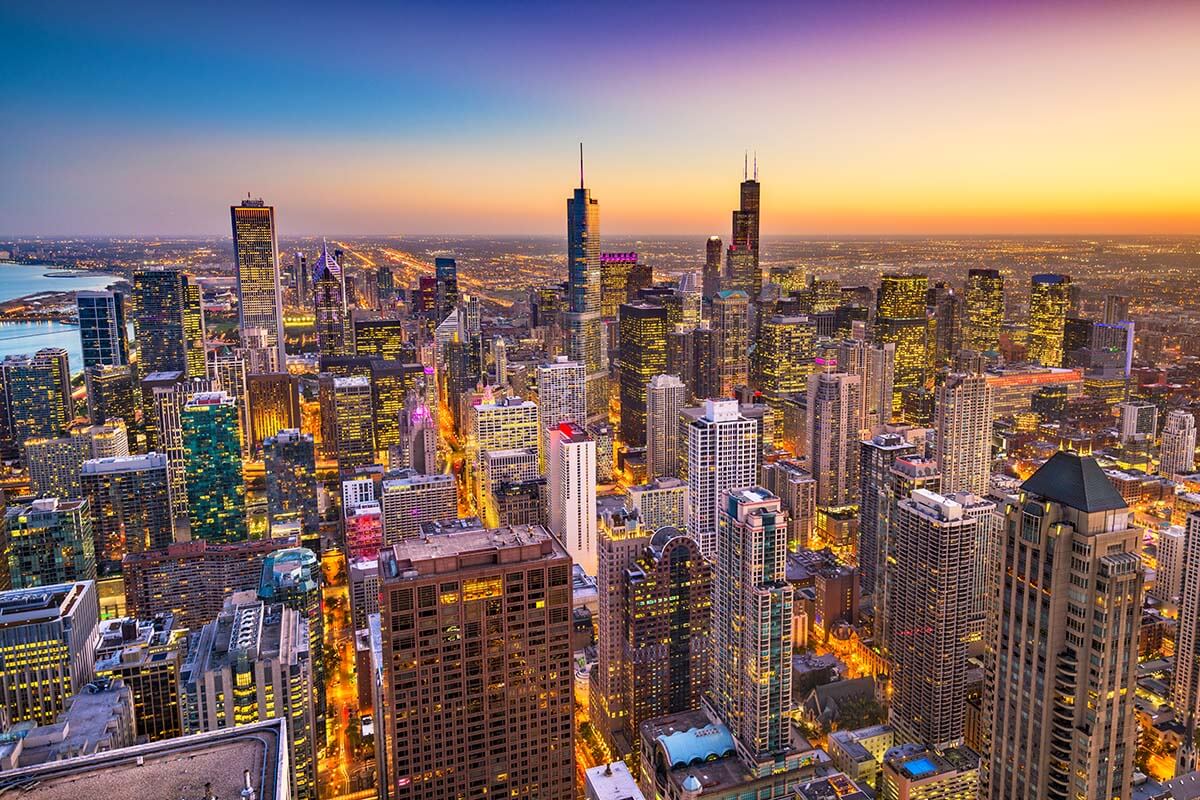
For panoramic city views, ascend to the Skydeck at Willis Tower (formerly the Sears Tower), where you can step out onto “The Ledge,” a glass balcony extending four feet from the building. Alternatively, the 360 Chicago Observation Deck at the John Hancock Center offers equally stunning vistas, with the added thrill of “TILT!”, a moving platform that literally tilts you out over Michigan Avenue.
A stroll along the Magnificent Mile provides a taste of luxury shopping, dining, and historic buildings, stretching for thirteen blocks along North Michigan Avenue. Families will enjoy the free Lincoln Park Zoo, one of the oldest zoos in the U.S., nestled within the expansive Lincoln Park. And, of course, no visit is complete without indulging in Chicago’s culinary staple: a slice of deep-dish pizza from renowned establishments like Lou Malnati’s or Giordano’s.
Deeper Dives: Exploring Chicago’s Local Culture and Hidden Gems
Beyond the well-trodden paths, Chicago thrives with a mosaic of diverse neighborhoods, each boasting its own distinct character, culture, and culinary scene. Dedicating time to explore these areas offers a more authentic glimpse into the city’s soul.
Head to Wicker Park and Bucktown for trendy boutiques, independent art galleries, and vibrant nightlife. These neighborhoods are perfect for an afternoon of leisurely browsing, grabbing coffee at a local cafe, or enjoying dinner at an acclaimed restaurant. Pilsen, a historically Mexican-American neighborhood, dazzles with colorful street art, vibrant murals, and authentic taquerias. Its National Museum of Mexican Art is a cultural gem. For a taste of Scandinavian heritage and a charming main street filled with unique shops and eateries, venture north to Andersonville.
Chicago is globally recognized as the birthplace of house music and a legendary hub for blues and jazz. Spend an evening at a historic blues club like Kingston Mines or Buddy Guy’s Legends to experience live music that vibrates with the city’s soul. For a sophisticated jazz experience, venues like Andy’s Jazz Club offer nightly performances.
The city’s food scene extends far beyond deep dish. Seek out Michelin-starred restaurants for a fine dining experience, or explore the diverse ethnic cuisines found in neighborhoods like Chinatown or Devon Avenue for Indian and Pakistani fare. Farmers’ markets, like the Green City Market, offer fresh, local produce and artisanal goods, especially during warmer months.
Consider taking a specialized food tour or a street art tour to gain deeper insights and discover spots you might otherwise miss. Engaging with local guides can enrich your experience, offering narratives and recommendations that elevate your understanding of Chicago’s complex identity. By allocating time for both its iconic sights and its hidden cultural pockets, you’ll gain a more comprehensive and memorable understanding of what makes this city truly exceptional.
Time Well-Spent: Accommodations for Every Chicago Lifestyle
Choosing the right accommodation in Chicago is not just about finding a place to sleep; it’s about strategically placing yourself to optimize your time and enhance your overall travel experience. The city offers a vast array of options, catering to every budget, style, and travel purpose, from opulent luxury suites to cozy budget-friendly stays and practical family apartments.
Luxury and Business Stays: Prime Locations and Amenities
For those seeking an unparalleled level of service, sophistication, and convenience, Chicago boasts some of the world’s finest luxury hotels. Properties like The Peninsula Chicago, Four Seasons Chicago, Waldorf Astoria Chicago, and The Langham Chicago are synonymous with exquisite design, Michelin-starred dining, indulgent spas, and impeccable concierge services. These hotels are often strategically located in the Magnificent Mile or River North districts, placing guests within walking distance of high-end shopping, premier restaurants, and key business centers.
For business travelers, these luxury hotels often come equipped with state-of-the-art meeting facilities, business centers, and executive lounges, ensuring productivity and comfort. Their central locations minimize commute times, allowing more time for meetings or relaxation. Many offer stunning views of the city skyline or Lake Michigan, turning a simple hotel stay into an integral part of the Chicago experience. Booking a stay at one of these establishments is an investment in time efficiency and an elevated travel lifestyle.
Family-Friendly and Mid-Range Options: Comfort and Convenience
Traveling with family or looking for a comfortable yet more accessible option? Chicago provides numerous mid-range hotels and apartment-style accommodations that prioritize comfort and convenience without compromising on quality. Brands like Hyatt Regency Chicago, Embassy Suites by Hilton Chicago Downtown Magnificent Mile, and Loews Chicago Hotel offer spacious rooms, often with amenities like indoor pools, complimentary breakfast, and dedicated family services.
Serviced apartments and extended-stay hotels are excellent choices for longer trips or families needing more space and flexibility, including kitchenettes. These options can be found in various neighborhoods, from the bustling Loop to the more residential yet well-connected areas like Streeterville or West Loop. They allow travelers to maintain routines, prepare meals, and have separate living areas, making the overall experience more relaxed and cost-effective. Choosing a hotel close to public transportation hubs can also save significant travel time, making it easier to reach attractions like the Museum Campus or Lincoln Park Zoo.
Budget-Conscious Travel: Smart Stays Without Compromise
For travelers mindful of their budget, Chicago still offers plenty of smart accommodation options that don’t skimp on experience. Hostels, like Freehand Chicago or HI Chicago Hostel, provide a social atmosphere and affordable dormitory-style or private rooms, often in prime locations. Boutique hotels slightly outside the absolute city center, perhaps in neighborhoods like River North, Wicker Park, or Fulton Market, can offer unique charm at a more palatable price point.
The key to budget-friendly accommodation is often excellent connectivity to Chicago’s efficient public transportation system, the “L” train. Staying near an “L” station, even if a few stops from the main attractions, can save a considerable amount on lodging while still allowing for quick and easy access to all parts of the city. Websites that compare hotel prices and offer deals on long-term stays or off-peak visits can also be invaluable resources. By carefully considering location relative to your planned activities and leveraging Chicago’s robust transportation network, budget travelers can enjoy a rich and immersive experience without feeling constrained by the clock or their wallet.
The Timeless Allure of Chicago: A City That Endures
Beyond the ticking clock and carefully planned itineraries, Chicago possesses a timeless quality, a spirit forged by history and continuously refined by innovation. It’s a city whose essence transcends fleeting trends, offering an enduring appeal that draws visitors back again and again. This timelessness is rooted in its architectural legacy, its resilience in the face of adversity, and its unwavering commitment to culture and community.
Architectural Marvels and Historical Echoes
Chicago’s skyline is not just a collection of tall buildings; it’s a living museum of architectural innovation, a testament to a city that literally rebuilt itself from the ashes. Following the devastating Great Chicago Fire of 1871, architects and urban planners, including visionary figures like Daniel Burnham, seized the opportunity to create a modern metropolis. Their bold visions led to the birth of the skyscraper and the development of the “Chicago School” of architecture.
Burnham’s 1909 “Plan of Chicago” laid the groundwork for the city’s expansive park system, broad boulevards, and magnificent lakefront, which remain foundational to its beauty and functionality today. Pioneers like Louis Sullivan and Frank Lloyd Wright left indelible marks, their philosophies on form and function influencing generations of designers. From the intricate details of the Rookery Building to the imposing height of the Willis Tower, each structure tells a story of ambition, engineering prowess, and artistic expression. Exploring Chicago’s architecture is a journey through time, connecting the past’s ingenuity with the present’s vibrant urban landscape. It’s a constant reminder that truly great design, like truly great art, possesses an intrinsic, lasting value.
Beyond the Clock: Experiencing Chicago’s Enduring Spirit
The enduring spirit of Chicago goes beyond its physical structures; it resides in its people, its neighborhoods, and its continuous evolution. It’s a city defined by resilience, having overcome not just the Great Fire, but also Prohibition-era challenges and economic shifts, always emerging stronger and more vibrant. This spirit is reflected in its diverse communities, each contributing to the city’s rich cultural tapestry. The “city of neighborhoods” truly lives up to its name, with distinct areas like Pilsen, Little Italy, Chinatown, and Lincoln Park, each offering unique traditions, culinary delights, and a strong sense of local identity.
Chicago’s role as a cultural hub is also timeless. It’s home to world-class theaters, an influential improv comedy scene (starting with The Second City), and a legendary music heritage that continues to thrive. The city constantly reinvents itself, embracing new artistic movements, culinary trends, and technological advancements while honoring its roots. This dynamic balance between preserving history and embracing the future ensures that Chicago remains perpetually relevant and endlessly fascinating.
Ultimately, “What is time in Chicago?” is a question that invites a profound exploration. It’s not merely about the hands of a clock, but about the flow of seasons, the cadence of events, the strategic utilization of moments, and the deep, rich historical current that runs through every street and skyscraper. To truly experience Chicago is to immerse yourself in its rhythms, appreciate its enduring beauty, and let its timeless spirit leave an indelible mark on your memory, long after you’ve left its vibrant streets. It’s an invitation to savor every second in a city that truly knows how to make time stand still, even as it constantly moves forward.
LifeOutOfTheBox is a participant in the Amazon Services LLC Associates Program, an affiliate advertising program designed to provide a means for sites to earn advertising fees by advertising and linking to Amazon.com. Amazon, the Amazon logo, AmazonSupply, and the AmazonSupply logo are trademarks of Amazon.com, Inc. or its affiliates. As an Amazon Associate we earn affiliate commissions from qualifying purchases.