
Beyond the ticking hands of a clock, the concept of “time” in San Francisco is a multifaceted tapestry woven with history, culture, practicalities, and unforgettable experiences. It’s about the exact moment the fog rolls in over the Golden Gate Bridge, the leisurely pace of a cable car ascent, the lingering taste of a Michelin-starred meal, or the profound silence felt on Alcatraz Island. For the traveler, understanding time in San Francisco means more than just adjusting a wristwatch; it’s about aligning with the city’s unique rhythms to unlock its full potential, transforming a mere visit into a truly immersive journey.

This iconic California metropolis, perched on the edge of the Pacific Ocean, offers a dynamic blend of historic charm and cutting-edge innovation. From the bustling energy of Union Square to the tranquil beauty of Golden Gate Park, every corner of San Francisco tells a story shaped by the passage of time. Whether you’re planning a quick weekend getaway, an extensive family vacation, a romantic escape, or a productive business trip, synchronizing with the city’s temporal nuances – from its precise time zone to the optimal seasons for exploration and the most efficient ways to spend your precious hours – is key to crafting an unparalleled experience.
The Practicalities of Time: Navigating San Francisco’s Rhythms
For any traveler, the first practical consideration of time begins before even stepping foot in a new destination. In San Francisco, this involves understanding its position on the global clock and recognizing the subtle yet significant seasonal shifts that dictate the city’s ambiance and accessibility.
Understanding Pacific Standard Time
Geographically, San Francisco operates on Pacific Standard Time (PST) during the fall and winter months, which is UTC-8. From March to November, the region observes Pacific Daylight Time (PDT), shifting to UTC-7. This might seem like a minor detail, but for international visitors or those traveling from the East Coast of the United States, the time difference can impact everything from flight schedules to business meeting times and the dreaded jet lag. A three-hour difference from New York and an eight-hour difference from London means that careful planning for arrival and activities is essential.
Beyond the clock, this time zone positions San Francisco uniquely on the West Coast, allowing for extended daylight hours during summer evenings, perfect for sunset cruises or enjoying outdoor dining. It also influences the local pace, with mornings often starting a bit later compared to cities further east, reflecting a relaxed yet vibrant lifestyle that many visitors find appealing. Being aware of PST/PDT is the first step in truly immersing yourself in the city’s rhythm, ensuring you’re on time for everything from your Alcatraz tour to your dinner reservation in the Mission District.
When to Visit: Synchronizing with the City’s Seasons
Unlike many cities with four distinct seasons, San Francisco’s climate is famously unique, often described as having microclimates within its own borders. The city experiences mild, wet winters and cool, dry summers, with persistent fog being a signature feature. This makes “when to visit” a crucial consideration for travel planning, impacting weather, crowd levels, and the types of experiences available.
- Spring (March to May): Often considered one of the best times to visit. The skies are generally clear, wildflowers bloom in Golden Gate Park and the Presidio, and the tourist crowds are manageable before the summer rush. Temperatures are pleasant, ideal for walking tours and outdoor activities.
- Summer (June to August): Despite being summer, San Francisco famously experiences its “fogust,” with frequent fog rolling in, particularly in the mornings and evenings, keeping temperatures cool. This is peak tourist season, so expect larger crowds and higher prices for accommodation and attractions. However, it’s also a time for vibrant outdoor festivals and events.
- Autumn (September to November): Often touted as the “Indian Summer” and arguably the best time to visit. The fog often recedes, giving way to warm, sunny days and crisp evenings. The crowds thin out after summer, and the weather is perfect for exploring. This is an excellent time for bay cruises, wine country day trips, and enjoying the city’s outdoor dining scene.
- Winter (December to February): Cooler temperatures and more rain characterize winter. While less ideal for extensive outdoor exploration, the holiday season brings a festive atmosphere, and museums and indoor attractions are less crowded. This can be a more budget-friendly time for travel, and you might experience beautiful clear days between rain showers.
Understanding these seasonal nuances allows travelers to strategically plan their visit, ensuring they align their expectations with the city’s atmospheric realities and optimize their time for the best possible experience, whether it’s avoiding the summer fog or catching the glorious Indian Summer sunshine.
Immersing in Time: Experiences and Iconic Landmarks
San Francisco is a city where every corner holds a story, and its iconic landmarks are not just points on a map but vessels of history and culture. Spending time here means engaging with these timeless treasures and crafting itineraries that allow for both deep dives into its past and vibrant participation in its present.
A Journey Through History: Timeless Landmarks
The city’s silhouette is instantly recognizable, defined by structures and natural wonders that have stood the test of time, drawing millions of visitors each year. These landmarks are central to San Francisco’s tourism appeal and offer insights into its unique development.
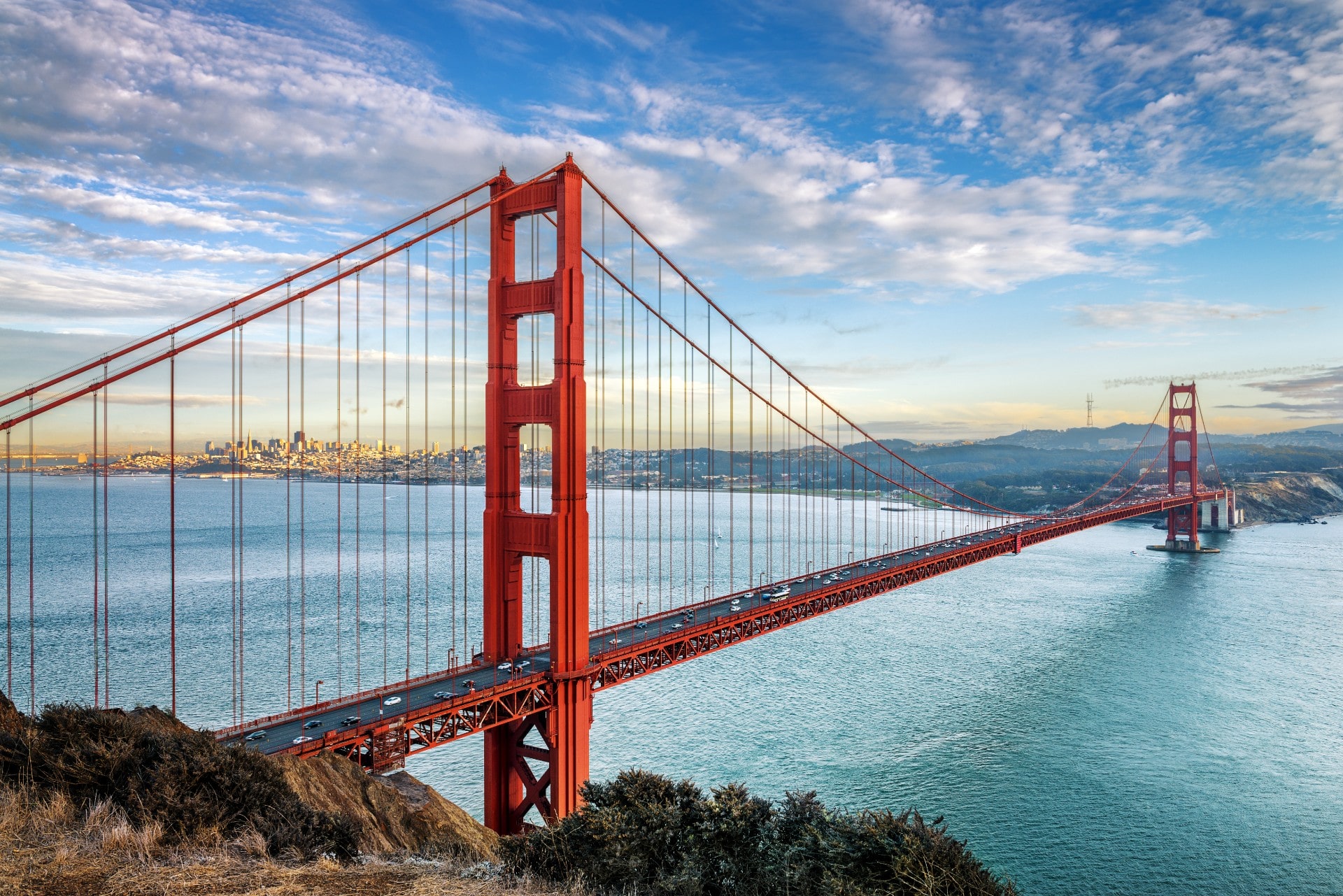
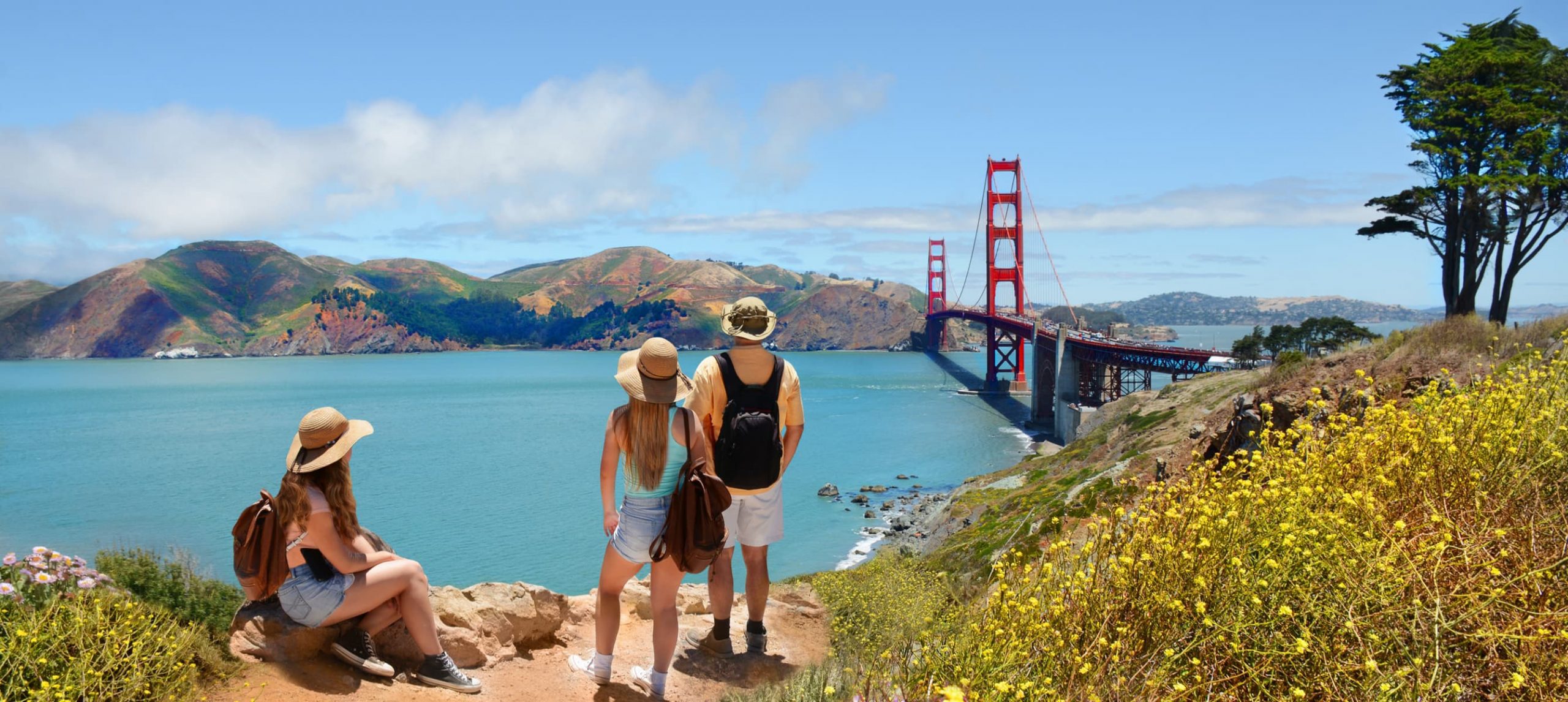
- The Golden Gate Bridge is not merely a feat of engineering but a symbol of hope and connection, completed during the Great Depression. Walking or cycling across it offers breathtaking views and a profound sense of scale, connecting the bustling city to the serene landscapes of Marin County and Sausalito.
- Alcatraz Island, “The Rock,” stands as a stark reminder of a darker chapter in American history. A visit here is a powerful journey back in time, exploring the former federal penitentiary and learning about its infamous inmates. Booking tickets well in advance is crucial due to its immense popularity.
- Fisherman’s Wharf embodies the city’s maritime heritage, evolving from a bustling fishing port to a vibrant tourist hub. While known for its clam chowder and the barking sea lions at Pier 39, it also serves as a gateway to other attractions like the Aquarium of the Bay and historic ships.
- The Cable Cars are more than just a mode of transport; they are a cherished moving landmark, a national historic monument, and an essential San Francisco experience. Riding these iconic cars up and down the city’s steep hills offers unparalleled views and a nostalgic trip into the past.
- Lombard Street, famously known as the “most crooked street in the world,” offers a quirky photo opportunity and a testament to clever urban design.
- Chinatown in San Francisco is the oldest in North America and one of the largest outside Asia. It’s a vibrant, sensory overload of traditional architecture, bustling markets, authentic eateries, and hidden temples, reflecting centuries of Chinese-American history and culture.
- The Painted Ladies, the row of Victorian houses in front of Alamo Square, are an enduring symbol of San Francisco’s architectural charm, best viewed with the city skyline as a backdrop, especially beautiful during golden hour.
Exploring these landmarks is a way to literally walk through time, understanding the layers that make San Francisco the captivating city it is today.
Capturing Moments: Itineraries for Every Traveler
Making the most of your time in San Francisco involves strategic planning, tailored to your interests and the duration of your stay. The city offers a vast array of experiences for every type of traveler, from budget-conscious backpackers to luxury seekers and families.
- The Weekend Warrior (2-3 Days): Focus on the undeniable essentials. Day one could involve a morning trip to Alcatraz, followed by exploring Fisherman’s Wharf and a ride on a Cable Car. Day two might be dedicated to the Golden Gate Bridge (walk or bike), a stroll through Golden Gate Park, and then immersing yourself in the sights and sounds of Chinatown. Evenings could be spent enjoying the culinary scene in various neighborhoods.
- The Immersive Explorer (5-7 Days): With more time, you can delve deeper. Add visits to the California Academy of Sciences or the De Young Museum in Golden Gate Park. Explore vibrant neighborhoods like the Mission District for its murals and food, or the bohemian spirit of Haight-Ashbury. A day trip to Muir Woods National Monument to see the ancient redwoods, or a ferry ride to Sausalito, provides a refreshing escape from the urban landscape. Consider a food tour or a cooking class to experience San Francisco’s renowned culinary innovations firsthand.
- Luxury & Lifestyle: Indulge in high-end shopping in Union Square, dine at Michelin-starred restaurants, enjoy a spa day at a luxury hotel, or take a private tour of Napa Valley wine country. Helicopter tours over the Golden Gate Bridge offer unparalleled views.
- Budget Travel: Utilize the excellent public transport system, pack picnics for Golden Gate Park, explore free attractions like the Palace of Fine Arts and walking tours, and seek out ethnic eateries in Chinatown or the Mission District for delicious and affordable meals.
- Family Adventures: Combine educational visits to the Exploratorium or the California Academy of Sciences with fun experiences like riding Cable Cars, visiting the sea lions at Pier 39, and exploring the playgrounds and gardens of Golden Gate Park.
Effective time management, from pre-booking popular attractions to budgeting transit time between neighborhoods, ensures that every moment in San Francisco is spent exactly as you envisioned.
Time and Comfort: Choosing Your San Francisco Accommodation
The choice of accommodation significantly impacts how you experience and perceive time in a destination. In San Francisco, where diverse neighborhoods offer distinct vibes and accessibility, selecting the right hotel, resort, apartment, or villa is crucial for maximizing comfort, convenience, and your overall enjoyment.
Strategic Stays: Locating Your Ideal Base
San Francisco’s varied topography and distinct neighborhood personalities mean that where you choose to stay will shape your daily rhythm and access to attractions. Strategic booking is key to making the most of your time.
- Union Square: Ideal for first-time visitors, shoppers, and business travelers. This vibrant central hub offers excellent access to public transportation, high-end retail, theaters, and a plethora of dining options. Hotels here range from luxury to mid-range, offering convenience at your doorstep.
- Fisherman’s Wharf: Perfect for families and those keen on iconic tourist attractions. Staying here puts you within walking distance of Alcatraz ferries, Pier 39, and many seafood restaurants. It can be bustling, but the convenience for specific itineraries is unmatched.
- Nob Hill: For luxury travelers seeking elegance and stunning views. Home to grand hotels and upscale residences, Nob Hill offers a quieter, more exclusive atmosphere, yet still provides Cable Car access to downtown.
- Mission District: Culturally rich and vibrant, this neighborhood appeals to foodies and those looking for a local, bohemian experience. It’s known for its colorful murals, diverse cuisine, and lively nightlife. Accommodation here often includes boutique hotels and charming guesthouses.
- SoMa (South of Market): A modern, industrial-chic area popular with business travelers and those interested in art and technology. Home to museums like the San Francisco Museum of Modern Art (SFMOMA), it offers sleek hotels and easy access to the Moscone Center.
- North Beach: San Francisco’s “Little Italy,” known for its Beat Generation history, lively cafes, and authentic Italian restaurants. Ideal for those who enjoy a lively, historic atmosphere.
Whether you opt for a grand hotel, a cozy boutique stay, or a serviced apartment for a longer trip, considering the neighborhood’s character and your travel goals will save you valuable transit time and enhance your overall experience.
Making the Most of Your Stay: Amenities and Experiences
Accommodation isn’t just a place to sleep; it’s an integral part of your travel experience, especially when time is a precious commodity. The right amenities can turn a good trip into a great one, offering convenience, relaxation, and even unique cultural insights.
Luxury hotels like the Four Seasons Hotel San Francisco or the St. Regis San Francisco, for instance, offer unparalleled concierge services that can save you hours of planning by securing difficult reservations for dining or tours, making your limited time more efficient. On-site spas provide an oasis for relaxation after a day of exploring, helping you rejuvenate and make the most of your evenings. Dining options within the hotel, from casual cafes to upscale restaurants, can save travel time and offer a taste of local cuisine without venturing far.
Boutique hotels, such as Hotel Zeppelin near Union Square, often boast unique designs and local artwork, offering a more intimate connection to San Francisco’s creative spirit. Apartments and villas, especially for longer stays or family trips, provide the convenience of a kitchen, allowing for flexibility in meal times and saving money that can be reallocated to experiences. Amenities like fitness centers, pools, or business lounges cater to diverse needs, ensuring that whether your trip is for leisure or work, your accommodation enhances rather than hinders your precious time. Comparing reviews and amenities online, often available through booking platforms, can guide you to the perfect fit for your lifestyle and travel budget.
The Evolving Face of San Francisco: Past, Present, and Future
San Francisco is a city in constant motion, a testament to resilience, innovation, and an unwavering spirit of individuality. Understanding “time” here also means appreciating its historical journey and the unique lifestyle it fosters, a blend of tradition and relentless progress.
A City Shaped by Time: History and Innovation
The history of San Francisco is a dramatic narrative, shaped by pivotal moments that have defined not only the city but often the broader United States. From its origins as a Spanish mission and then a Mexican pueblo, the 1849 Gold Rush catapulted it into a global boomtown, drawing people from every corner of the world and laying the foundation for its diverse cultural fabric. The devastating 1906 earthquake and fire, while catastrophic, led to an incredible rebuilding effort, a symbol of the city’s tenacious spirit.
The mid-20th century saw San Francisco become a hotbed of counterculture, the epicenter of the Beat Generation in North Beach and the Summer of Love in Haight-Ashbury. This era cemented its reputation as a haven for free thinkers and innovators. More recently, its proximity to Silicon Valley has transformed it into a global tech capital, bringing rapid economic growth, new architectural marvels like the Salesforce Tower, and a renewed sense of energy and opportunity.
This constant evolution means that a visit to San Francisco is always a dialogue between past and present. One can witness the grandeur of historic Victorians alongside futuristic glass skyscrapers, or find a centuries-old Chinatown street just blocks from cutting-edge art installations. The city embraces its layered history while constantly looking forward, a characteristic that makes every visit feel fresh and full of discovery.
Embracing the San Francisco Lifestyle: A Pacing of Its Own
The lifestyle in San Francisco is as varied as its hills and neighborhoods, yet it’s underlined by a distinct pacing and philosophy. There’s a palpable appreciation for quality of life, an emphasis on outdoor activities, and a celebrated culinary scene that reflects the city’s diverse population and proximity to fresh California produce.
Mornings might begin with a run through the Presidio, an artisan coffee from a local roaster, or a nutritious breakfast at the Ferry Building Marketplace. Mid-day could involve exploring a new exhibition at SFMOMA or a leisurely bike ride across the Golden Gate Bridge. Evenings often revolve around exquisite dining experiences, ranging from casual food trucks to avant-garde tasting menus, followed by drinks at a rooftop bar with glittering city views or a cozy jazz club in North Beach.
Whether you’re traveling for business or pleasure, adapting to this rhythm can enhance your experience. For business travelers, the city offers sophisticated coworking spaces and networking events that balance work with vibrant social opportunities. For families, the numerous parks, interactive museums, and child-friendly activities ensure that time is spent engaged and entertained. The San Franciscan lifestyle is about savouring moments, embracing diversity, and finding joy in both its iconic grandeur and its hidden gems. It’s a pacing that encourages exploration, contemplation, and a deep appreciation for its unique blend of urban sophistication and natural beauty.
Ultimately, “What is time in San Francisco?” is a question that unfolds in countless ways. It is the precise PST on a clock, a reminder for an important appointment. It is the optimal season for clear skies over the bay, guiding your travel dates. It is the centuries of history etched into the cobblestones of Chinatown and the modern innovation of its tech hubs. It is the fleeting moments of joy experienced on a Cable Car ride or during a sunset picnic in Golden Gate Park. To truly grasp time in San Francisco is to embrace its past, live fully in its present, and anticipate the exciting future that this remarkable city continues to build, one moment at a time.
LifeOutOfTheBox is a participant in the Amazon Services LLC Associates Program, an affiliate advertising program designed to provide a means for sites to earn advertising fees by advertising and linking to Amazon.com. Amazon, the Amazon logo, AmazonSupply, and the AmazonSupply logo are trademarks of Amazon.com, Inc. or its affiliates. As an Amazon Associate we earn affiliate commissions from qualifying purchases.