
Las Vegas, the dazzling jewel of the desert, stands as a testament to human ingenuity and the pursuit of endless entertainment. Known globally as the Entertainment Capital of the World, this vibrant Nevada city draws millions of visitors annually, all eager to experience its world-class resorts, iconic attractions, diverse dining, and thrilling nightlife. From the opulent suites of the Bellagio to the historic charm of the Fremont Street Experience, every corner of Las Vegas promises an unforgettable adventure. However, for any traveler planning a journey to this desert oasis, understanding its local time zone is not merely a logistical detail but a crucial element for a seamless and enjoyable trip. Getting a handle on when to adjust your watch can significantly impact everything from flight connections and hotel check-ins to showtimes and day trip departures, ensuring your focus remains squarely on the fun and excitement that awaits.
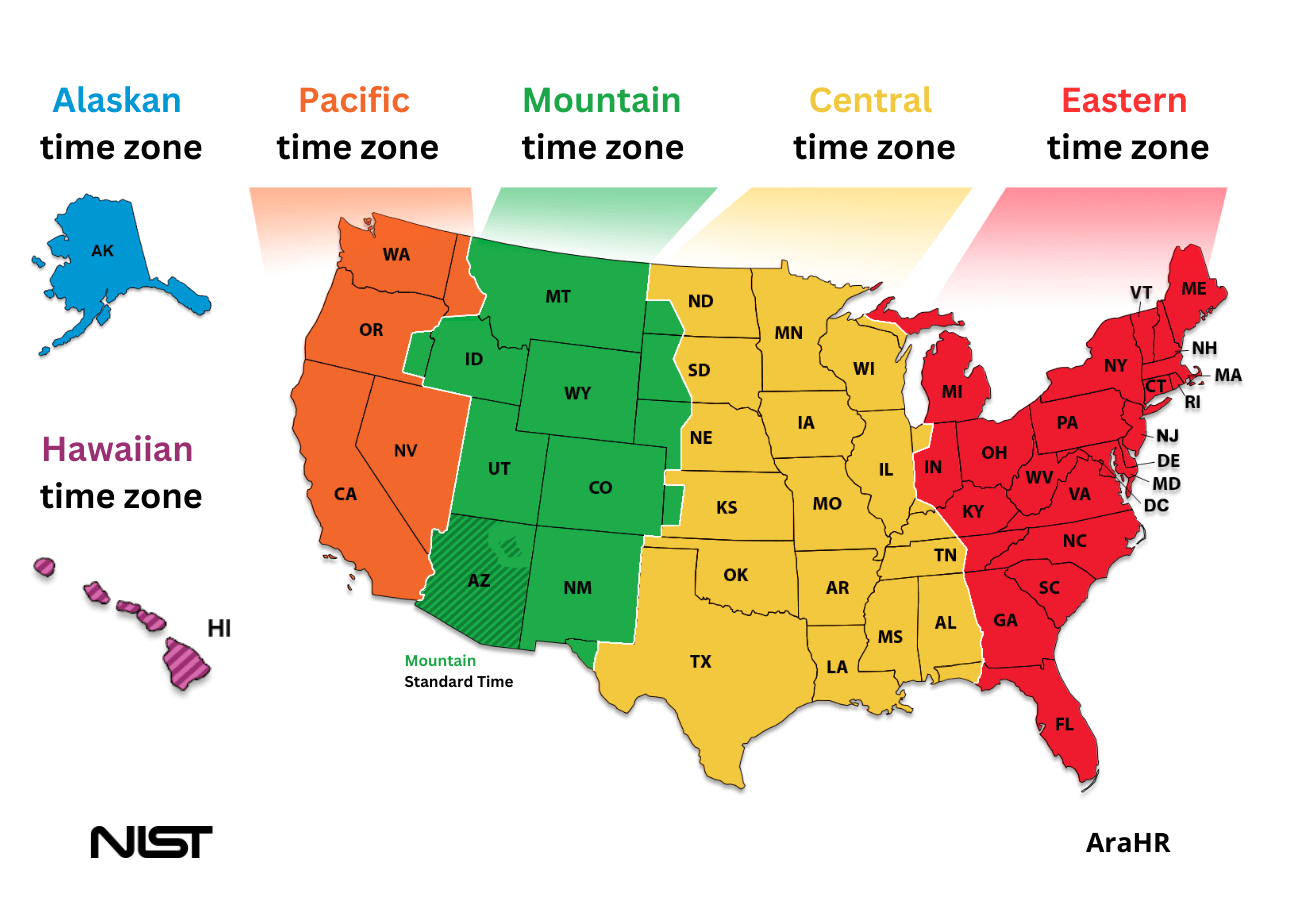
Understanding Las Vegas’s Time Zone: Pacific Standard Time (PST)
At its core, understanding the time zone for Las Vegas is straightforward: the city operates on Pacific Time. This designation, however, comes with a caveat due to the seasonal observance of Daylight Saving Time. Grasping the nuances between standard and daylight saving time is paramount for both domestic and international visitors to prevent any time-related missteps during their eagerly anticipated vacation.
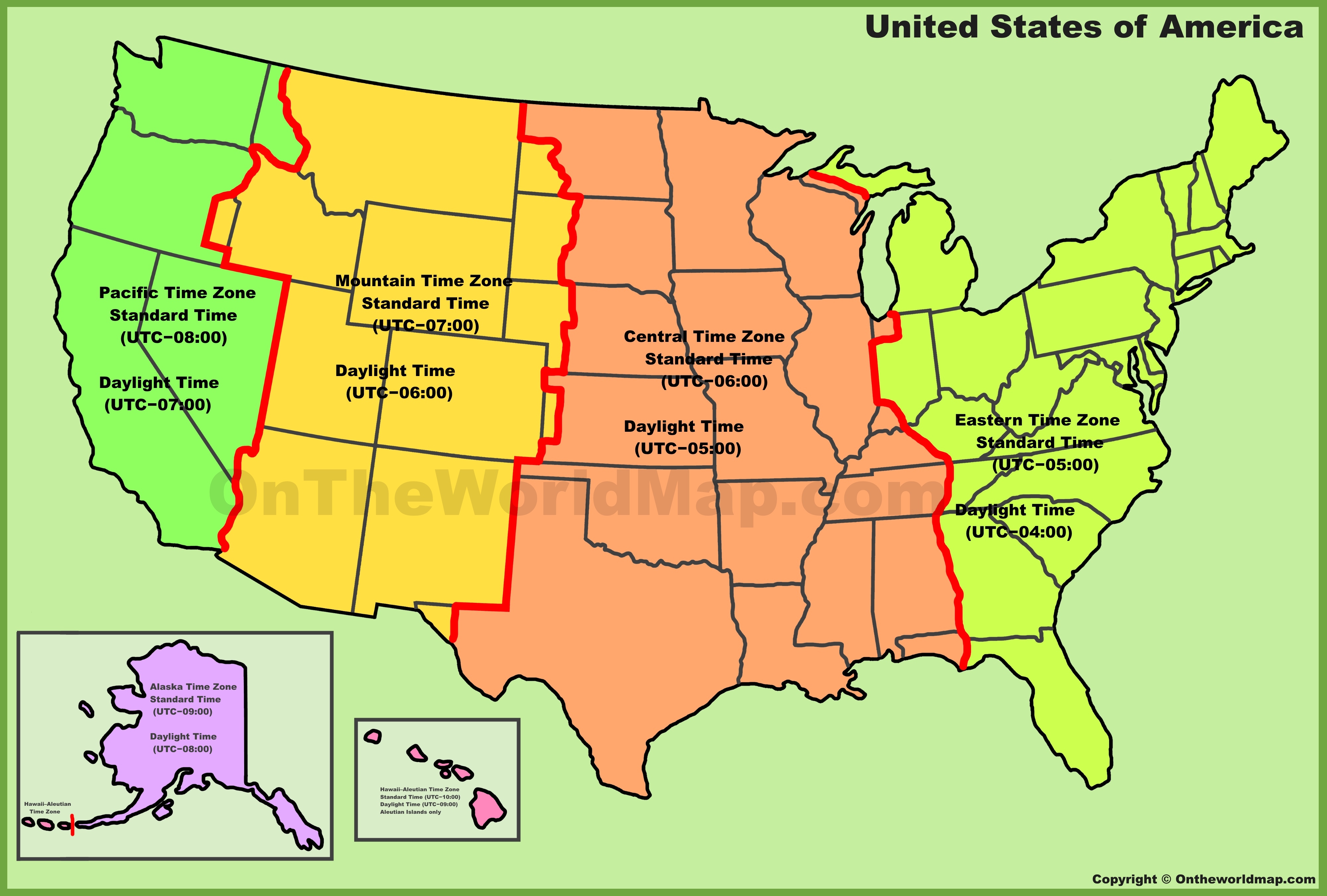
Decoding PST and PDT
Throughout the fall and winter months, from early November to mid-March, Las Vegas adheres to Pacific Standard Time (PST). This places the city eight hours behind Coordinated Universal Time (UTC), making it UTC-8. When spring arrives, typically on the second Sunday of March, the clocks in Nevada spring forward by one hour, initiating Pacific Daylight Time (PDT). During this period, which lasts until the first Sunday of November, Las Vegas operates at UTC-7. This shift means that the sun sets an hour later by the clock, extending the perceived daylight hours and offering more time to enjoy outdoor activities and the city’s vibrant atmosphere into the evening.
For travelers, this twice-yearly adjustment can be a source of confusion if not properly noted. It directly affects arrival and departure times for flights at Harry Reid International Airport, scheduled tours to nearby landmarks like the Grand Canyon, and even the timing of dinner reservations or show tickets. Always confirm the local time in Las Vegas relative to your departure point, especially if traveling during the transition weeks of March and November, to ensure you are perfectly in sync with the city’s dynamic rhythm. Most modern smartphones and digital devices will automatically adjust, but double-checking is always a wise precaution.
Geographical Context and Neighboring States
Nevada’s location in the western United States places it squarely within the Pacific Time Zone, a region that also encompasses the entire state of California and parts of Oregon, Washington, and Idaho. This geographical consistency simplifies travel within these states, as no time zone changes occur. However, to Nevada’s east, the Mountain Time Zone begins, observed by states such as Utah, Colorado, and parts of Arizona. This means a one-hour time difference when crossing state lines from Las Vegas into these eastern neighbors.
Arizona presents a unique situation. While geographically within the Mountain Time Zone, the majority of the state, with the exception of the Navajo Nation, does not observe Daylight Saving Time. This means that during the summer months when Nevada is on PDT (UTC-7), Arizona remains on Mountain Standard Time (MST), which is also UTC-7. Consequently, for half the year, Arizona and Las Vegas share the same clock time, despite being in different “official” time zones. This becomes a crucial detail for anyone planning a road trip from Las Vegas to the Grand Canyon South Rim or other Arizona attractions during summer, as there will be no time change. During the winter, however, when Nevada switches back to PST (UTC-8) and Arizona remains on MST (UTC-7), Arizona will be one hour ahead of Las Vegas. Being aware of these regional differences is vital for meticulously planning itineraries and avoiding any schedule disruptions.
Navigating Time Differences: Planning Your Las Vegas Experience
The impact of time zones extends far beyond simply knowing what time it is; it influences every facet of a well-planned Las Vegas journey. From the moment you begin searching for flights and hotels to the exhilarating final moments of your stay, time management, especially in relation to the local time zone, is key to a stress-free and truly immersive experience.
Seamless Travel and Accommodation Bookings
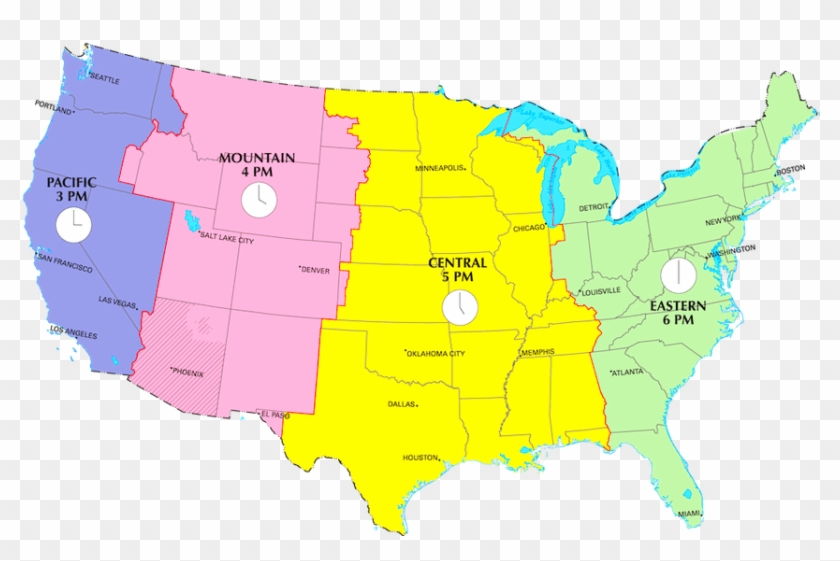
For travelers arriving by air, understanding the time zone is the first step toward a smooth transition. Flight schedules are always published in local time, so your arrival time at Harry Reid International Airport will be PST or PDT. If you’re flying in from the East Coast of the United States, prepare for a three-hour time difference, meaning your 8 PM arrival will feel like 11 PM to your body clock. This awareness allows you to make realistic plans for your first evening – perhaps a relaxed dinner and an early night, rather than diving headfirst into the Las Vegas Strip’s intense energy.
Accommodation bookings also hinge on local time. Hotel check-in times are typically in the afternoon, often around 3:00 PM or 4:00 PM local time, with check-out around 11:00 AM. Knowing the precise local time ensures you don’t miss your check-in window or incur late check-out fees. Many of Las Vegas’s premier properties, such as Caesars Palace, The Venetian Resort, or The Cosmopolitan of Las Vegas, offer luxurious amenities and extensive services, but adhering to their operational hours, dictated by local time, is fundamental for a hassle-free stay. Whether you’re planning to immediately hit the casino floor at the MGM Grand or unwind by the pool at the Wynn Las Vegas, aligning your schedule with the city’s clock is crucial.
Furthermore, critical elements of your Las Vegas itinerary – restaurant reservations, show tickets, and event schedules – are all time-sensitive. A 7:00 PM reservation at a renowned restaurant or an 8:00 PM Cirque du Soleil show means 7 PM or 8 PM Pacific Time. Missing these due to a time zone miscalculation could lead to disappointment and lost money. Always confirm the local time for all your pre-booked activities, ensuring your watch, phone, and internal clock are all aligned with Las Vegas’s rhythm.
Maximizing Your Stay: Overcoming Jet Lag and Optimizing Activities
For travelers crossing multiple time zones, jet lag can be a formidable adversary. The disruption to your body’s natural circadian rhythm can lead to fatigue, irritability, and difficulty sleeping, potentially detracting from your Las Vegas adventure. Proactive strategies can significantly mitigate its effects. Hydration is key; drinking plenty of water before, during, and after your flight helps your body adjust. Upon arrival, try to immediately adapt to the local time, even if it means pushing through initial tiredness. Exposing yourself to natural sunlight, particularly in the morning, can help reset your internal clock. For instance, a morning stroll outside your hotel like the Paris Las Vegas and its Eiffel Tower Viewing Deck, or exploring the outdoor areas of the Mirage can be beneficial.
When scheduling attractions, consider your energy levels relative to the time difference. Perhaps postpone an intense hike at Red Rock Canyon National Conservation Area until your second day, opting for lighter activities like riding the High Roller Observation Wheel or exploring the shops at Caesars Palace Forum Shops on your arrival day. Day trips to the Hoover Dam or Lake Mead often involve early departures, so ensure you factor in time for a proper breakfast and commute.
Las Vegas truly comes alive at night, with world-class shows, bustling casinos, and vibrant nightclubs. While it’s tempting to stay out until the early hours, balancing nightlife with adequate rest is crucial, especially when dealing with jet lag. Prioritizing certain experiences and allowing for downtime will ensure you’re refreshed and ready to enjoy every moment the city offers, rather than feeling constantly exhausted. A well-planned itinerary that respects your body’s need for adjustment will maximize your enjoyment of this incredible destination.
Las Vegas Lifestyle: Time and the City That Never Sleeps
The very essence of Las Vegas is its timeless appeal, where the concept of day and night often blurs within the confines of its glittering casinos and sprawling resorts. Yet, even in a city designed to make you forget the outside world, understanding and managing time remains a central theme, whether you’re a high-roller, a family on vacation, or a business traveler.
The Rhythms of Las Vegas: Day and Night
Las Vegas proudly wears its moniker as the “City That Never Sleeps,” and for good reason. Casinos operate 24/7, offering continuous gaming, dining, and entertainment options around the clock. This constant buzz can make it easy to lose track of time, especially for tourists immersed in the excitement. The artificial lighting, lack of windows in many casino areas, and the continuous flow of activity create an environment where traditional time markers fade away. You might find yourself enjoying a lavish breakfast buffet at 3 AM or a late-night show that ends as the sun rises.
For visitors, this constant availability is part of the allure, offering unparalleled freedom to design a schedule unbound by conventional hours. Whether you crave a midnight swim, a 4 AM blackjack game, or an early morning spa treatment, Las Vegas caters to every whim at almost any hour. However, this perpetual motion also underscores the importance of personal time management. While the city encourages indulgence, maintaining a semblance of routine, especially regarding sleep, can prevent burnout and ensure you fully enjoy your stay. Many visitors embrace the “what happens in Vegas, stays in Vegas” mentality, but “what happens to your sleep schedule in Vegas” can significantly impact your overall experience. Balancing the city’s 24/7 offerings with your personal well-being is key to a truly luxurious and enjoyable lifestyle experience here.
Beyond the Strip: Exploring Nevada’s Timeless Beauty
While the Las Vegas Strip offers an endless array of man-made wonders, the surrounding Nevada landscape presents natural beauty that feels truly timeless. Day trips from Las Vegas are incredibly popular, offering a striking contrast to the urban glitter. Destinations like the Grand Canyon, Red Rock Canyon National Conservation Area, Hoover Dam, and Valley of Fire State Park showcase stunning vistas, geological marvels, and engineering feats.
These excursions, however, demand meticulous time planning. A tour to the Grand Canyon West Rim can easily consume 10-12 hours, including travel time. Red Rock Canyon is much closer, making it an ideal half-day trip. When booking these tours, departure times are always in local Las Vegas time, typically early morning. This means setting alarms, factoring in travel to pickup points, and ensuring you’re punctual to maximize your time at these breathtaking landmarks. For self-guided trips, estimating driving times accurately and understanding potential time zone changes (especially into Arizona) is crucial for returning to Las Vegas in time for evening plans, whether it’s a gourmet dinner, a show at the New York-New York Hotel & Casino, or a panoramic view from The STRAT Hotel, Casino & Skypod. Integrating these natural wonders into your itinerary adds another dimension to your Las Vegas experience, allowing you to appreciate both the city’s vibrant energy and the serene grandeur of its surroundings.
Conclusion: Time Well Spent in the Entertainment Capital
Ultimately, understanding the time zone for Las Vegas is more than just a trivial detail; it is a foundational piece of knowledge that empowers travelers to craft an organized, enjoyable, and memorable visit. Operating on Pacific Time, with the biannual shift to Pacific Daylight Time, requires a conscious effort from visitors to align their internal clocks and schedules with the city’s rhythm. From coordinating flight arrivals and hotel check-ins to managing jet lag and scheduling must-see shows and excursions, every aspect of your trip benefits from this awareness.
Las Vegas offers a unique lifestyle experience where entertainment is boundless and the concept of time often feels fluid. Yet, by respecting the city’s time zone and planning accordingly, you can seamlessly navigate its vibrant offerings, maximize your precious vacation hours, and ensure every moment, whether spent at a blackjack table or gazing at the Grand Canyon, is time well spent. So set your watch, embrace the pace, and prepare to immerse yourself in the unparalleled magic of Las Vegas.
LifeOutOfTheBox is a participant in the Amazon Services LLC Associates Program, an affiliate advertising program designed to provide a means for sites to earn advertising fees by advertising and linking to Amazon.com. Amazon, the Amazon logo, AmazonSupply, and the AmazonSupply logo are trademarks of Amazon.com, Inc. or its affiliates. As an Amazon Associate we earn affiliate commissions from qualifying purchases.