
Texas, a state synonymous with vast landscapes, rich history, and a vibrant culture, offers an incredible array of experiences for travelers. From the sun-drenched beaches of the Gulf Coast to the rugged mountains of West Texas, its sheer size means that “Texas weather” isn’t a single, monolithic concept. Instead, visitors and residents alike navigate a diverse range of climatic conditions that significantly influence everything from travel planning and accommodation choices to local lifestyle and the best times to explore its iconic landmarks. Understanding the nuances of weather across the Lone Star State is key to crafting the perfect Texas adventure, whether you’re seeking a luxurious resort stay, a budget-friendly family trip, or an immersive cultural experience.
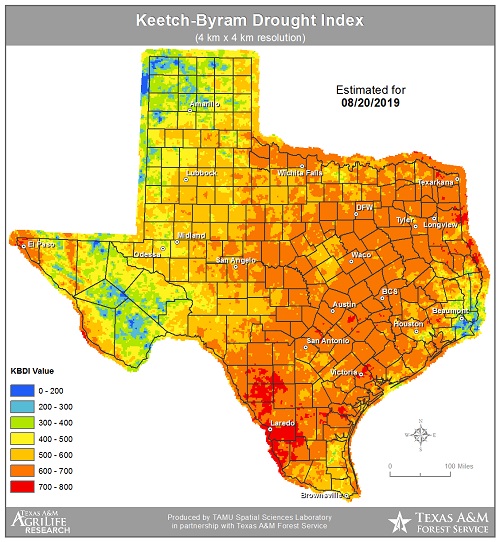
The state’s geographic diversity is the primary driver of its varied climate zones. Spanning over 268,000 square miles, Texas stretches from the humid subtropical plains of the southeast to the arid deserts of the west, and from the temperate grasslands of the north to the semi-tropical southern tip. This results in distinct seasonal patterns and microclimates that demand careful consideration when planning your itinerary. What might be a balmy spring day in San Antonio could be a chilly, windy affair in Amarillo, or a perfect beach day on South Padre Island. Our comprehensive guide delves into these regional differences and seasonal shifts, providing insights into what you can expect from the Texas climate and how to make the most of your visit, no matter the time of year.
Understanding Texas’s Diverse Climates
To truly grasp the complexities of Texas weather, it’s essential to break down the state into its primary climatic regions. Each area offers a unique weather profile that impacts activities, packing lists, and even the type of accommodation you might prefer.
The Panhandle and North Texas: Four Distinct Seasons
The Texas Panhandle, including cities like Amarillo and Lubbock, and extending into North Texas (home to Dallas and Fort Worth), experiences the most pronounced four-season climate in the state. Summers here are hot, often reaching into the high 90s Fahrenheit (mid-30s Celsius), but with lower humidity compared to the eastern and southern parts of the state. These hot days are perfect for enjoying resort pools at properties like the Gaylord Texan Resort & Convention Center in Grapevine, or exploring indoor attractions like the Dallas World Aquarium. Winters can be surprisingly cold, with temperatures frequently dropping below freezing, and occasional snowfall, especially in the Panhandle. Travelers planning a winter visit to Dallas might consider booking a suite at a downtown hotel like the Omni Dallas Hotel, ensuring easy access to heated indoor activities and luxurious amenities that offer warmth and comfort. Spring and fall are generally mild and pleasant, making them ideal for outdoor pursuits such as exploring Klyde Warren Park or visiting the Fort Worth Stockyards National Historic District. However, spring is also prime time for severe thunderstorms and even tornadoes, requiring visitors to stay weather-aware.
Central and East Texas: Humid Subtropical Charm
This expansive region, encompassing major metropolitan areas like Austin, Houston, and San Antonio, along with the lush Piney Woods of East Texas, is characterized by a humid subtropical climate. Summers are famously hot and muggy, with high humidity making even moderate temperatures feel sweltering. Temperatures regularly soar into the 90s and often exceed 100°F (38°C). This is when air-conditioned attractions like the Space Center Houston or the San Antonio River Walk‘s shaded pathways become particularly appealing. Accommodations such as the Hyatt Regency Austin or The Driskill Hotel in Austin are well-equipped with excellent cooling systems and often offer refreshing pools, making them essential havens. Winters are generally mild and short, though cold fronts can bring freezing temperatures for short periods, especially in the northern parts of this region. Spring and autumn are delightful, offering comfortable temperatures for exploring outdoor attractions like Zilker Park or the historic grounds of The Alamo. Rainfall is distributed fairly evenly throughout the year, with a slight peak in spring and fall, and afternoon thunderstorms are common in summer.
South Texas and the Gulf Coast: Tropical Influences
South Texas, including cities like Corpus Christi and McAllen, and the entire Texas Gulf Coast stretching from Galveston to Brownsville, experiences a semi-arid to subtropical climate, with strong influences from the Gulf of Mexico. Summers are long, hot, and extremely humid, often tempered slightly by sea breezes along the coast. This is prime time for beach vacations on South Padre Island or enjoying watersports in Corpus Christi. Resorts and hotels in this region, such as the Hotel Galvez & Spa in Galveston, are perfectly set up for warm weather, with extensive pool areas and beachfront access. Winters are exceedingly mild, with temperatures rarely dipping below freezing, making it a popular destination for “winter Texans” seeking an escape from colder climates. However, this region is also susceptible to tropical storms and hurricanes, particularly from June through November. Travelers should always monitor hurricane forecasts during this period. The spring and fall offer warm, comfortable weather, perfect for birdwatching or exploring coastal nature preserves.
West Texas and the Trans-Pecos: Arid Beauty
The vast, rugged expanse of West Texas, encompassing the Chihuahuan Desert and the Trans-Pecos region with cities like El Paso and natural wonders like Big Bend National Park, presents a dramatically different climate. This is an arid or semi-arid desert climate, characterized by hot days, cool nights, and very low humidity. Summers are intensely hot, with daytime temperatures routinely exceeding 100°F (38°C), but the dry heat can feel more tolerable than the humid conditions further east. Crucially, desert nights cool down significantly, sometimes by 30 degrees or more, making evenings pleasant. This dry heat is ideal for hiking in the early mornings or late evenings in places like Big Bend Ranch State Park, but proper hydration and sun protection are paramount. Winters are cool to cold, with clear skies and occasional light snow in higher elevations. Spring and fall are considered the best times to visit West Texas, offering comfortable daytime temperatures for exploring mountains, canyons, and unique landmarks like the Cadillac Ranch near Amarillo (though Amarillo is actually in the Panhandle, its proximity often brings similar considerations for road-trippers). Rainfall is scarce, occurring mainly during the late summer monsoon season, which can bring brief, intense thunderstorms.
Seasonal Weather Patterns and Travel Considerations
Understanding the general climate zones is a great start, but drilling down into seasonal patterns offers more precise guidance for planning your Texas adventure, whether it’s a luxury getaway or a budget-friendly road trip.
Spring (March – May): Mild, Vibrant, and Unpredictable
Spring in Texas is often considered one of the best times to visit. Temperatures are generally mild and pleasant across much of the state, making it ideal for outdoor activities. The landscape explodes with color as wildflowers, most notably the iconic bluebonnets, carpet fields and roadsides, creating picturesque scenes perfect for photography and scenic drives. This is an excellent season for exploring state parks, hiking in the Hill Country near Fredericksburg, or enjoying festivals in cities like Austin.
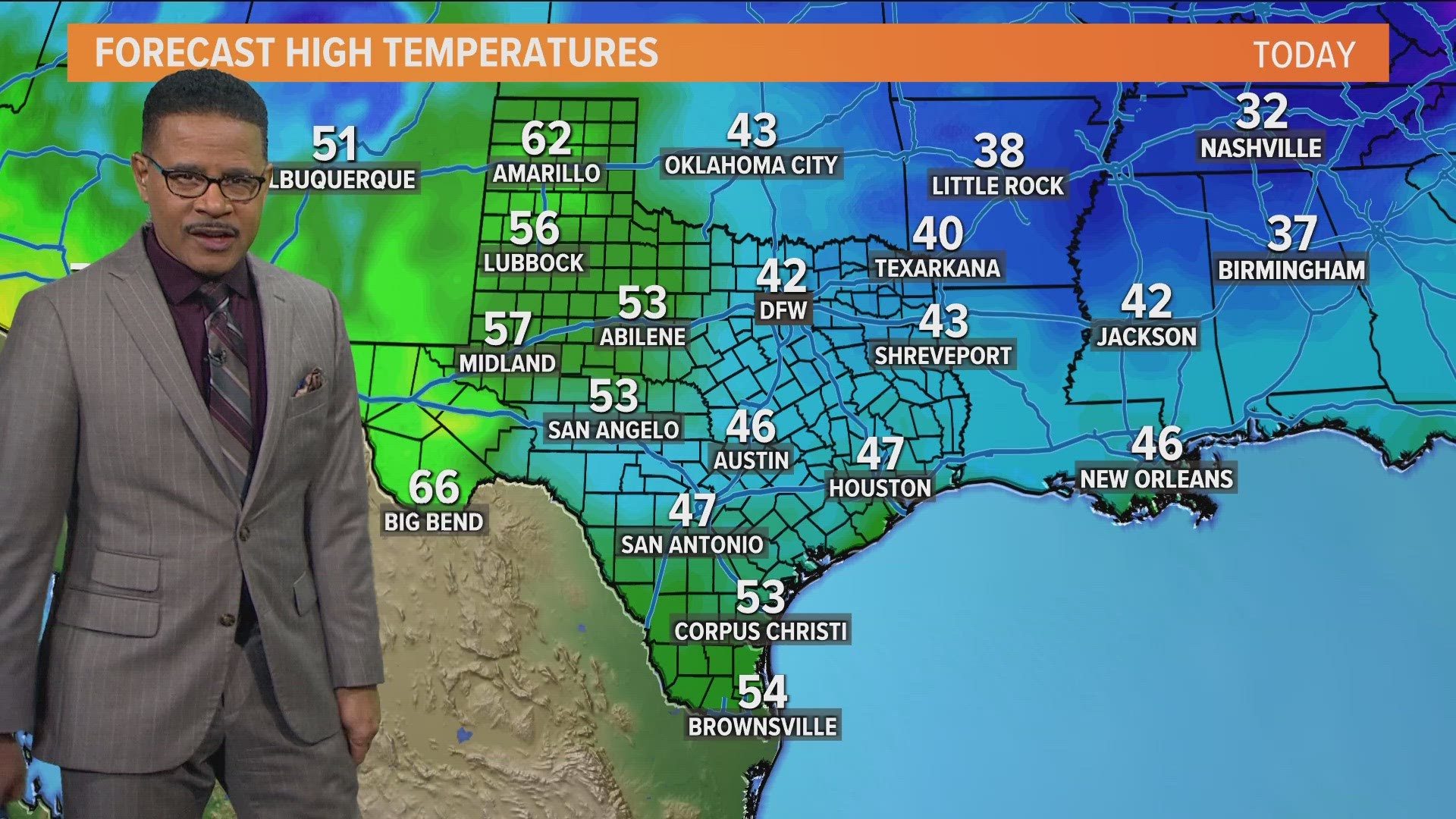
Travel Considerations: While temperatures are lovely, spring is also the peak season for severe weather, particularly across North Texas and the Panhandle. Thunderstorms, hail, and tornadoes are possible, so checking weather forecasts daily and having a plan for severe weather alerts is crucial. Pack layers, as mornings can be cool and afternoons warm, and always have rain gear. For accommodations, hotels like the JW Marriott San Antonio Hill Country Resort & Spa are popular during this time, offering outdoor amenities that are enjoyable in the mild weather.
Summer (June – August): Hot, Humid, and Full of Fun
Texas summers are undeniably hot, with high temperatures and significant humidity prevalent in the central, eastern, and southern regions. Average temperatures often hover in the 90s Fahrenheit (mid-30s Celsius), frequently exceeding 100°F (38°C). The dry heat of West Texas can be equally intense during the day.
Travel Considerations: Despite the heat, summer is a popular time for family travel, especially for those seeking water-based activities. The Texas Gulf Coast thrives with beachgoers, and lakes and rivers across the state offer opportunities for swimming, boating, and tubing. Hotels and resorts with excellent air conditioning and expansive pools become prime choices, such as the Moody Gardens Hotel Spa and Convention Center in Galveston. Plan outdoor activities for early mornings or late evenings, and focus on indoor attractions during the hottest parts of the day. Hydration is critical, and light, breathable clothing, hats, and sunscreen are absolute necessities. For those exploring urban centers, museums, art galleries, and air-conditioned shopping districts provide cool retreats.
Autumn (September – November): Crisp Air and Festive Foliage
Fall is another highly favored season for visiting Texas. As the intense summer heat gradually recedes, temperatures become wonderfully comfortable across the state. While Texas isn’t known for its dramatic fall foliage like New England, certain areas, particularly the Lost Maples State Natural Area in the Hill Country and parts of East Texas, offer beautiful displays of color. This season is perfect for hiking, exploring cities on foot, attending numerous fall festivals, and enjoying outdoor dining.
Travel Considerations: The weather is generally stable and pleasant, making it ideal for road trips and camping. In South Texas and along the Gulf Coast, temperatures remain warm well into October, allowing for extended beach season. However, hurricane season officially lasts until November, so coastal travelers should still keep an eye on forecasts. Booking accommodations like charming boutique hotels in Fredericksburg or historic bed and breakfasts in San Antonio allows visitors to fully embrace the pleasant autumn atmosphere.
Winter (December – February): Mild to Chilly with Occasional Surprises
Texas winters are generally mild compared to much of the United States. In South Texas and along the Gulf Coast, temperatures rarely drop below freezing, offering a fantastic escape for those seeking warmer climates. Cities like San Antonio and Houston experience cool but generally sunny days, perfect for exploring urban attractions, holiday markets, and cultural sites without the summer crowds.
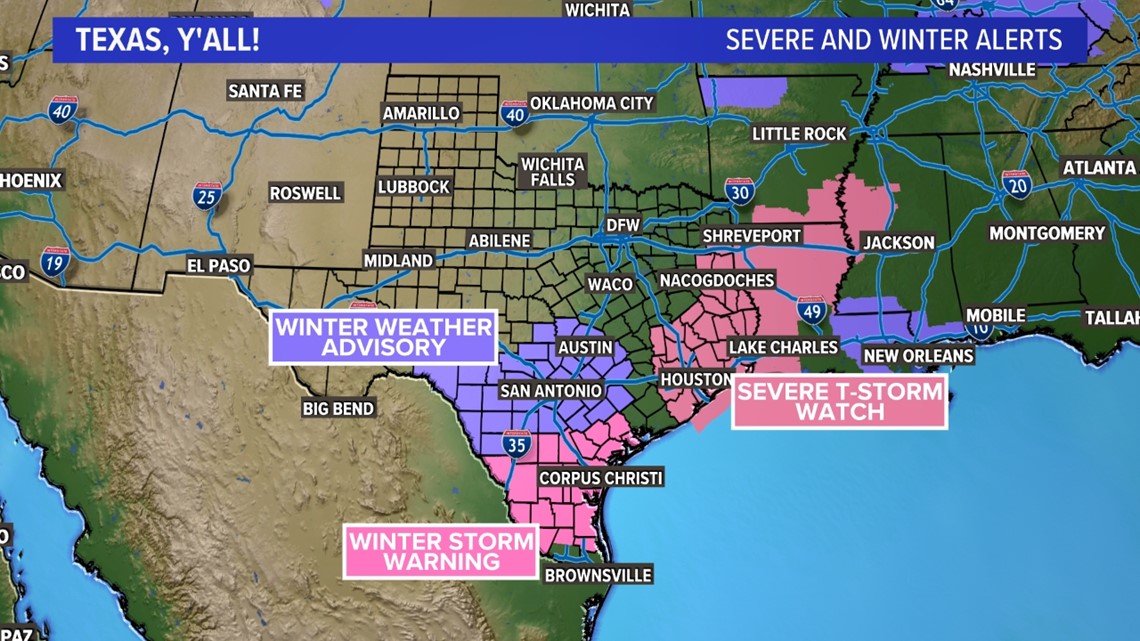
Travel Considerations: While mild, winter can still bring surprises. Cold fronts, known as “Blue Northers,” can sweep across the state, causing temperatures to plummet rapidly. North Texas and the Panhandle can experience freezing rain and occasional snowfall, which can lead to hazardous driving conditions and travel disruptions. It’s wise to pack layers, including a warm jacket, especially if you plan to venture north. For winter travel, hotels with indoor amenities like heated pools and spas, or those with cozy lobbies and firepits, enhance the experience. Consider a stay at a luxurious resort like the Four Seasons Hotel Austin to enjoy both the city’s winter charm and premium comforts. For those on a budget, long-term stay apartments in cities like Austin or Dallas can be excellent for extended winter escapes.
Planning Your Texas Trip: Weather-Wise Tips
Successfully navigating Texas’s diverse weather patterns requires a bit of foresight and flexibility. By keeping a few key tips in mind, you can ensure your travel experiences are comfortable, enjoyable, and tailored to the local climate.
1. Check Forecasts Regularly and Be Flexible: The weather in Texas can change rapidly, especially during transitional seasons. Always check the local forecast for your specific destination a few days before and throughout your trip. Be prepared to adjust your itinerary if severe weather is predicted. Having a backup plan for indoor activities can save a rainy or excessively hot day.
2. Pack Smart: Layers are Key: Regardless of the season, packing layers is always a good strategy in Texas. Even on hot summer days, air-conditioned interiors can be chilly. In spring and fall, temperatures can fluctuate significantly between morning and afternoon.
* Summer: Light-colored, breathable fabrics (cotton, linen), wide-brimmed hats, sunglasses, high-SPF sunscreen, and a reusable water bottle are non-negotiable. Swimsuits are essential for resorts and coastal visits.
* Winter: Warm jackets, sweaters, and long pants are advisable, especially for North Texas and the Panhandle. Even in South Texas, a light jacket for evenings is often welcome.
* Spring/Fall: A mix of short and long-sleeved shirts, light jackets or sweaters, comfortable walking shoes, and rain gear (a compact umbrella or light waterproof jacket) will serve you well.
3. Choose Your Accommodation Wisely: Your hotel or accommodation can be your sanctuary from the elements.
* Summer: Prioritize hotels with excellent air conditioning, refreshing pools, and perhaps even shaded outdoor spaces. Resorts with lazy rivers or splash pads are ideal for families.
* Winter: If traveling north, look for hotels with good heating, cozy common areas, and perhaps indoor pools or hot tubs.
* All Seasons: Consider amenities like complimentary water bottles in your room or easy access to hydration stations, especially if you plan extensive outdoor exploration. Review sites and comparison tools can help you find hotels with the amenities best suited for the prevailing weather during your stay.
4. Plan Activities Around the Climate:
* Early Birds & Night Owls in Summer: Schedule outdoor sightseeing, hiking, or sports for the cooler morning hours or after sunset. Mid-day is best spent in museums, shopping centers, or enjoying indoor activities.
* Spring & Fall for Outdoor Exploration: These seasons are perfect for visiting state parks, exploring historic districts, or embarking on scenic drives.
* Winter Urban & Cultural Exploration: Take advantage of milder winter days to explore city centers, attend performing arts events, or visit historical landmarks without the summer crowds.
5. Stay Hydrated and Sun Protected: This advice applies year-round but is especially critical during the long, hot summers. Drink plenty of water, even if you don’t feel thirsty, and reapply sunscreen frequently. Seek shade whenever possible.
Texas’s weather, much like its culture, is an experience in extremes and delightful surprises. From the scorching Chihuahuan Desert heat to the occasional winter snow in the Panhandle, and from humid Houston summers to crisp Austin autumns, the state offers a dynamic climate that shapes its unique travel opportunities. By understanding these diverse conditions and planning accordingly, you can ensure that your Texas journey is not just memorable, but perfectly comfortable, allowing you to fully immerse yourself in the Lone Star State’s boundless beauty and vibrant spirit. Whether you’re chasing wildflowers in spring, relaxing by a resort pool in summer, hiking through fall foliage, or exploring historic sites in winter, Texas has a seasonal adventure waiting for you.