
Colorado, a state synonymous with breathtaking mountain vistas, thrilling outdoor adventures, and charming ski towns, also shares its rugged landscapes with some of North America’s most iconic wild inhabitants: bears. For travelers and residents alike, understanding the types of bears that call the Centennial State home is crucial for safe and responsible enjoyment of its natural wonders. Whether you’re planning a summer hike through Rocky Mountain National Park, a winter stay in a cozy Aspen chalet, or simply enjoying the local Colorado scenery, knowing your bears is part of the essential Colorado experience.
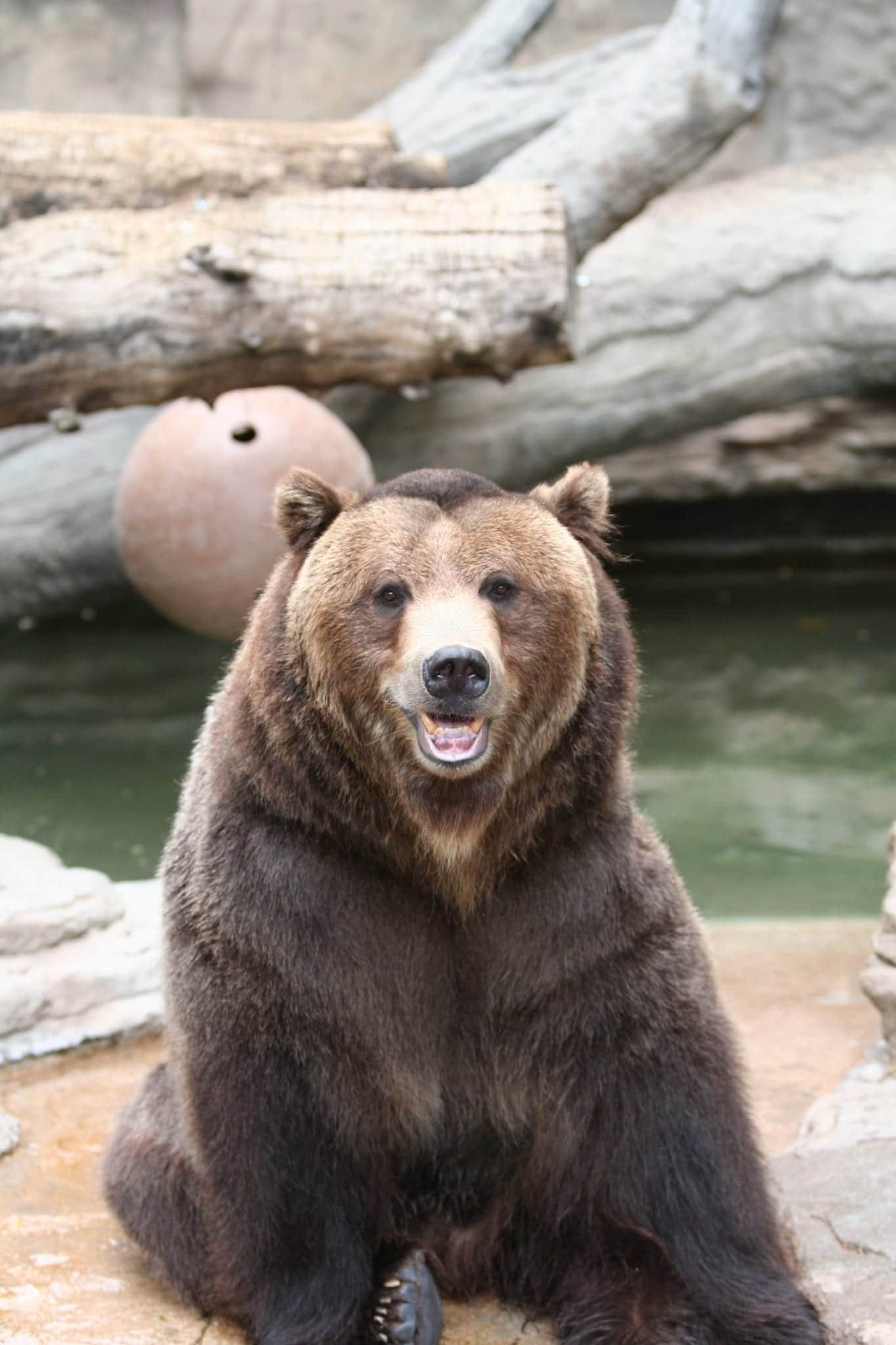
The most prevalent and widely encountered bear species in Colorado is the American black bear (Ursus americanus). While the name suggests a uniform color, these bears can actually range in color from black to brown, cinnamon, and even blonde. This variability can sometimes lead to confusion, especially with their larger, though much rarer, relative. Fortunately, distinguishing between the species is generally straightforward once you know what to look for.
The American Black Bear: A Common Encounter
The American black bear is by far the most common bear species found in Colorado. They inhabit a wide range of ecosystems, from dense forests and high alpine meadows to foothills and even suburban areas in search of food. Their adaptability is one of their defining characteristics, making them more frequently seen than other bear species.
Physical Characteristics of the Black Bear
Distinguishing a black bear from a grizzly bear (which is extremely rare in Colorado) primarily involves observing their physical features. Black bears tend to have a more slender build, with a straight facial profile and long, dark claws that are curved, ideal for climbing trees. They do not possess the prominent shoulder hump that is characteristic of grizzlies. Their ears are typically more pointed and stand out from their heads. The size of adult black bears can vary significantly, with males generally being larger than females. Weight can range from 100 to over 500 pounds, depending on age, sex, and food availability.
Habitat and Behavior
Black bears in Colorado are often found in mountainous regions, particularly in areas with abundant vegetation, berries, and access to water. They are omnivorous, with their diet consisting of berries, nuts, roots, insects, fish, and small mammals. In the fall, they focus heavily on calorie-rich foods to prepare for hibernation.
During the winter months, black bears enter a state of torpor, a period of inactivity where their body temperature and heart rate decrease. They typically den in hollow logs, under rock ledges, or in excavated dens. Unlike some other bear species, black bears do not always enter a deep hibernation; their activity levels can be influenced by weather conditions.
Black bears are generally shy and avoid human contact. However, encounters can occur, especially if bears become habituated to human food sources. It is crucial for visitors and residents to practice bear-aware behaviors to minimize negative interactions. This includes properly storing food and trash, never feeding bears, and maintaining a safe distance if a bear is sighted.
The Grizzly Bear: A Rare but Significant Presence
The grizzly bear (Ursus arctos horribilis) is a subspecies of the brown bear and is far less common in Colorado than the American black bear. Historically, grizzlies were more widespread across the state, but their populations have significantly declined due to habitat loss and human conflict. Today, confirmed sightings are exceptionally rare, and the species is considered functionally extinct in much of its historical range within Colorado. However, there are ongoing discussions and considerations for potential reintroduction or the possibility of individuals dispersing from neighboring states like Wyoming.
Distinguishing Features of the Grizzly Bear
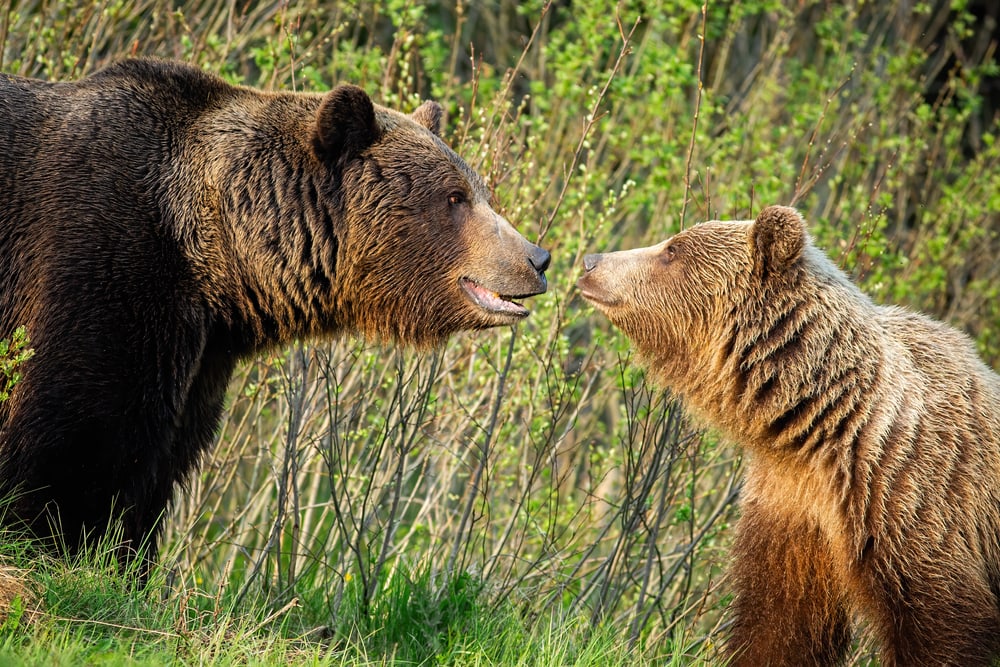
Grizzly bears are larger and more robust than black bears. Their most distinctive feature is a pronounced hump on their shoulders, which is a mass of muscle used for digging. They have a dished or concave facial profile, and their claws are long, light-colored, and relatively straight, adapted for digging for roots and burrowing animals. Their ears are smaller and rounder than those of black bears. Adult grizzlies can weigh anywhere from 300 to over 800 pounds.
Historical Range and Current Status
Historically, grizzly bears roamed across the vast wilderness of Colorado, from the plains to the highest peaks. However, by the early 20th century, their numbers had dwindled dramatically. Conservation efforts in neighboring regions have led to some recovery of grizzly populations, raising the question of their potential return to Colorado. While official confirmation of a breeding population is absent, the possibility of transient individuals moving into the state from areas like the Yellowstone Ecosystem cannot be entirely discounted.
The presence, however rare, of grizzlies underscores the importance of continued vigilance and adherence to bear safety protocols across all of Colorado, particularly in western and southwestern parts of the state where they historically roamed.
Bear Safety and Responsible Tourism in Colorado
Understanding which bears inhabit Colorado is only the first step in ensuring a safe and enjoyable visit. Practicing responsible behavior is paramount for both human safety and the well-being of the bears. This applies whether you are staying in a luxury resort in Vail or camping in the backcountry near Denver.
Essential Bear Safety Guidelines
The fundamental principle of bear safety is to avoid encounters whenever possible. This begins with preparation before you even hit the trails or settle into your accommodation.
- Food Storage: This is arguably the most critical aspect of bear safety. Bears have an incredible sense of smell and are attracted to any food or scented items. When camping, use bear-resistant containers or hang your food and scented items at least 10 feet off the ground and 4 feet away from the tree trunk. In hotels and residences, never leave food or scented items unattended in your vehicle or on your porch. Properly dispose of garbage in bear-proof bins.
- Trail Awareness: Make noise while hiking, especially in areas with limited visibility or near streams. Talking, singing, or clapping can alert bears to your presence, giving them time to move away. Bear bells are often considered less effective than human voices. Carry bear spray and know how to use it. It is highly recommended for anyone venturing into bear country.
- What to Do If You Encounter a Bear: If you see a bear, stay calm. Do not run, as this can trigger a chase response. Speak in a calm, firm voice and slowly back away. Try to make yourself appear larger by raising your arms. If a bear approaches you, stand your ground and continue to speak calmly. Most bears will retreat if they feel threatened or surprised. However, if a bear charges, bear spray is your best defense. Use it when the bear is within range (typically 20-30 feet).
Respecting Wildlife and Local Ecosystems
Responsible tourism extends beyond just bear safety. It involves a broader respect for the natural environment and its inhabitants. When visiting Colorado, remember that you are a guest in their home.
- Leave No Trace: Pack out everything you pack in, including all trash and food scraps. Stay on designated trails to minimize your impact on vegetation and wildlife habitats.
- Observe from a Distance: Use binoculars or a telephoto lens to observe wildlife, including bears, from a safe and respectful distance. Never approach or try to feed any wild animal. Feeding bears not only habituates them to humans but can also lead to aggressive behavior and necessitate their removal or euthanasia.
- Support Local Initiatives: Familiarize yourself with local wildlife management guidelines and any specific regulations in the parks or areas you are visiting. Many parks and wildlife agencies offer educational resources and tips on how to coexist with bears. Supporting these initiatives helps ensure the long-term health of bear populations and their habitats.
By understanding the types of bears present in Colorado and adhering to strict safety and responsible behavior guidelines, visitors can fully immerse themselves in the state’s incredible natural beauty while contributing to the preservation of its wild inhabitants for generations to come. Whether you’re seeking adventure in the mountains or a tranquil escape, a little knowledge goes a long way in making your Colorado experience both memorable and safe.