
When planning a vibrant getaway to the sun-drenched shores of Puerto Rico, one of the first questions many travelers ponder is about the local language. Understanding the linguistic landscape of a destination is crucial for a richer travel experience, helping visitors connect with the local culture, navigate attractions, and make the most of their stay. Puerto Rico, a truly unique Caribbean gem, offers a fascinating answer, revealing a vibrant bilingual society shaped by centuries of history and a dynamic blend of cultural influences.
This article delves into the languages spoken across this enchanting island, providing insights for anyone looking to explore its rich heritage, stunning natural beauty, and bustling urban centers. From the cobblestone streets of Old San Juan to the verdant trails of El Yunque National Forest, understanding the linguistic nuances will undoubtedly enhance your journey. We’ll explore the historical roots, practical considerations for tourists, and how language intertwines with every facet of Puerto Rican life, from its delectable cuisine to its infectious music.
A Bilingual Tapestry: Spanish and English in Harmony
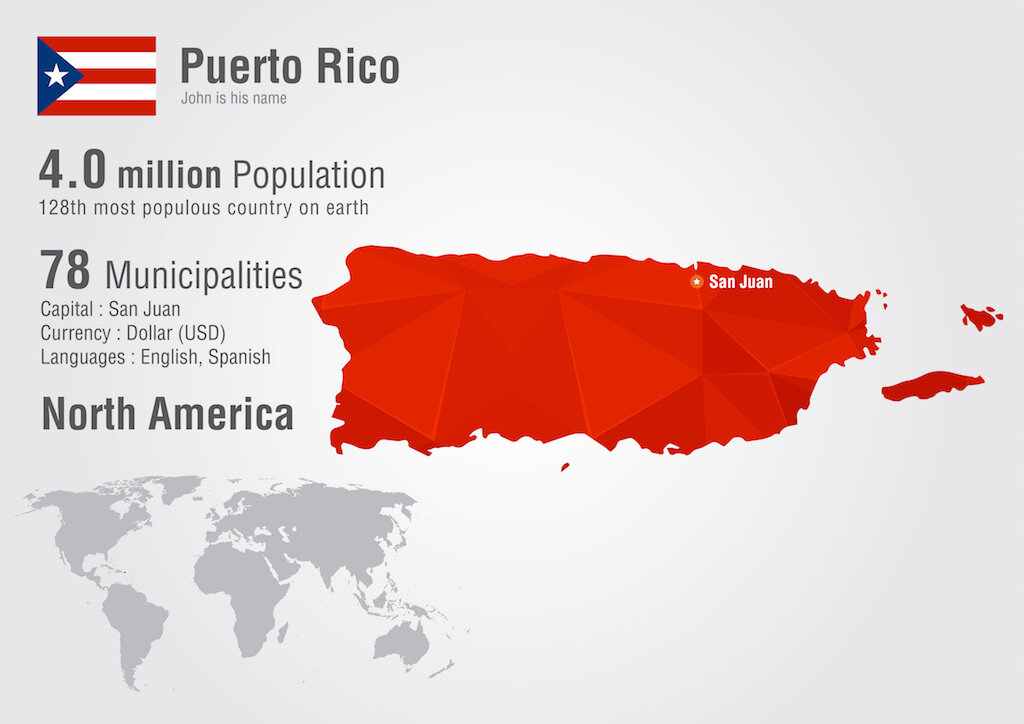
At its core, Puerto Rico is officially bilingual, recognizing both Spanish and English as its official languages. However, the prevalence and use of each language vary significantly across the island, reflecting its complex historical narrative and its contemporary relationship with the United States. This dual linguistic identity is one of the most intriguing aspects of visiting Puerto Rico, offering a unique blend of Latin American warmth and American familiarity.
The Spanish Legacy: Centuries of Influence
Spanish is, without a doubt, the dominant and culturally foundational language of Puerto Rico. It arrived with Christopher Columbus in 1493 and became firmly established during over 400 years of Spanish colonial rule. The Spanish spoken here, often referred to as “Puerto Rican Spanish,” has its own distinct characteristics, inflections, and vocabulary, influenced by indigenous Taíno words, African languages, and, more recently, American English. This vibrant dialect is a cornerstone of Puerto Rican identity, deeply embedded in its music, literature, oral traditions, and daily life.
For many Puerto Ricans, Spanish is the language of hearth and home, of passion and poetry, of community and celebration. It’s the language in which traditional plena and bomba music are sung, in which families share stories over a plate of mofongo, and in which children learn to express themselves. When you venture outside the main tourist areas, particularly into smaller towns or rural communities, you’ll find that Spanish is almost exclusively spoken, and a basic understanding of the language will go a long way in fostering genuine connections with locals.
The American Connection: English’s Growing Presence
The trajectory of English in Puerto Rico began in 1898 when the island was ceded to the United States following the Spanish-American War. Since then, English has been an official language, and its presence has grown steadily, particularly in education, business, and among the younger generation. The close political, economic, and social ties with the mainland United States mean that English is widely taught in schools, and many Puerto Ricans travel, work, or live on the mainland.
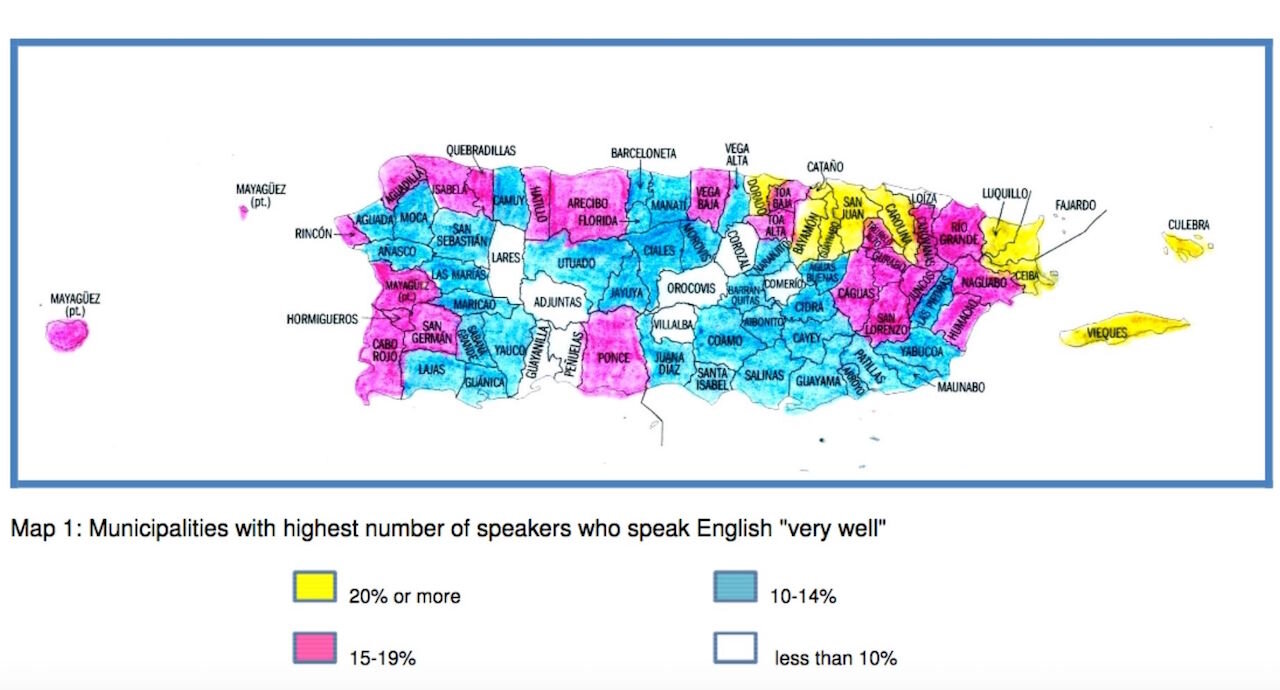
In major urban centers like San Juan and popular tourist destinations such as Condado, Isla Verde, and Dorado, English is commonly understood and spoken, especially by those working in the tourism industry, including hotel staff, tour guides, and restaurant servers. This makes Puerto Rico an exceptionally accessible destination for English-speaking travelers, as communication rarely poses a significant barrier in these areas. Bilingualism is a point of pride for many Puerto Ricans, allowing them to bridge cultures and communicate with a broader global audience.
Navigating Puerto Rico: Language Tips for Travelers
For visitors, the bilingual nature of Puerto Rico is largely a convenience. You can generally expect to navigate most tourist-centric activities and services in English, but having a few Spanish phrases in your linguistic toolkit will undoubtedly enrich your experience and show respect for the local culture.
Communication in Tourist Hubs and Beyond
In areas highly frequented by tourists, such as Old San Juan, Ponce, Rincón, and resort towns like Fajardo or Luquillo, you’ll find that hotel staff, restaurant employees, and shopkeepers are proficient in English. Major attractions like El Morro, Castillo de San Cristóbal, and Casa Bacardí typically offer information and tours in both languages. Signage in airports, major highways, and government offices often appears in both Spanish and English. This extensive English support ensures that travelers can comfortably book accommodations, order food, arrange transportation, and explore popular landmarks without significant language barriers.
However, as you venture away from these main tourist arteries into more rural areas or less visited towns, Spanish becomes more predominant. This is where your efforts to speak even a little Spanish will be genuinely appreciated. Locals in these areas might have limited English proficiency, and attempting to communicate in their native tongue can lead to more authentic interactions and a deeper appreciation for the local lifestyle. Don’t be shy; Puerto Ricans are generally very welcoming and patient with visitors who are trying to speak Spanish.
Embracing the Local Dialect: Key Phrases to Learn
Learning a few basic Spanish phrases is a fantastic way to enhance your trip and show cultural sensitivity. Even simple greetings and polite requests can open doors to more meaningful interactions. Here are some essential phrases to get you started:
- Hola: Hello
- Gracias: Thank you
- Por favor: Please
- De nada: You’re welcome
- Buenos días: Good morning
- Buenas tardes: Good afternoon/evening
- Buenas noches: Good night
- Con permiso / Disculpe: Excuse me (to get attention / to apologize)
- ¿Habla inglés? Do you speak English?
- No entiendo: I don’t understand
- Me gustaría…: I would like…
- ¿Cuánto cuesta? How much does it cost?
- La cuenta, por favor: The check, please
- ¿Dónde está…? Where is…?
- ¡Qué rico! (Used for food) Delicious!
These small efforts can bridge communication gaps, foster warmth, and lead to memorable encounters, truly immersing you in the Puerto Rican spirit.
Beyond Words: Language and Puerto Rican Culture
Language in Puerto Rico is more than just a means of communication; it is a living, breathing component of its vibrant culture. It shapes the way people think, interact, and express their unique heritage. For tourists interested in delving deeper than just the surface, understanding this cultural integration is key.
Food, Music, and Daily Life: An Immersion
The Puerto Rican experience is deeply sensory, and language is woven into its very fabric. When savoring dishes like mofongo, pasteles, or lechon, the names themselves tell a story. Visiting local markets in San Juan or Mayagüez and hearing vendors call out their wares in lively Spanish adds an authentic layer to the culinary journey. Conversations over a cup of locally grown coffee reveal the island’s charm through its native tongue.
Music, a cornerstone of Puerto Rican identity, is overwhelmingly expressed in Spanish. From salsa and reggaeton to traditional folk music, the lyrics resonate with themes of love, struggle, celebration, and national pride. Understanding these lyrics, even partially, allows visitors to connect more deeply with the island’s soul. Attending a live performance in a local bar or a street festival in Old San Juan becomes a richer experience when you can grasp the emotions conveyed through the Spanish words.
Daily interactions, even casual ones, are steeped in Spanish customs and expressions. The warmth of “mijo/mija” (a term of endearment), the enthusiastic “¡Wepa!”, or the heartfelt “¡bendición!” reflect a culture that values family, community, and respect. English may be functional, but Spanish is soulful, providing the true cadence of Puerto Rican life.
Education and Business: A Look at Bilingualism
In the educational system, both Spanish and English play significant roles. Spanish is the primary language of instruction in public schools, but English is taught as a second language from elementary grades through high school, ensuring that new generations maintain a level of bilingualism. Private schools often offer instruction in English, sometimes exclusively, attracting families who value English fluency for academic and career opportunities, particularly those looking to pursue higher education or professional careers in the United States.
In the business world, especially within the globalized sectors like tourism, finance, and technology, English proficiency is often a valuable asset, if not a requirement. Many companies operate with bilingual communication, serving both local Spanish-speaking clients and international English-speaking partners. This dynamic contributes to a workforce that is increasingly comfortable code-switching between the two languages, further solidifying Puerto Rico’s unique position as a cultural and linguistic bridge in the Caribbean.
Planning Your Puerto Rican Adventure: Language Considerations
When planning your trip, consider how language might factor into your various experiences, from where you stay to what activities you choose.
Accommodation and Amenities: What to Expect
When booking accommodations in Puerto Rico, particularly in popular tourist areas like San Juan, Dorado, or Rincón, you can expect staff at most hotels, resorts, and even many boutique guesthouses to be fluent in English. Online booking platforms, hotel websites, and property reviews are almost always available in English, making the reservation process seamless for international travelers. Amenities, guides, and welcome packets are also typically provided in both languages.
However, if you opt for a stay in a more secluded villa or an apartment rental in a smaller town, especially through local platforms or direct bookings, you might encounter hosts whose primary language is Spanish. This isn’t a barrier, but it’s an opportunity to use a translation app or practice your Spanish. Many hosts appreciate the effort and are often eager to communicate, even with limited shared vocabulary. Websites that focus on local culture and long-term stays might highlight the importance of understanding some Spanish, offering a more authentic immersion experience.
Exploring Landmarks and Attractions
Puerto Rico boasts an incredible array of landmarks and attractions, from historic forts to breathtaking natural wonders. At major sites like El Morro, Castillo de San Cristóbal, and the visitor centers at El Yunque National Forest, information, signage, and park rangers often provide services in both Spanish and English. Guided tours in these areas are also typically offered in both languages, ensuring that visitors can fully grasp the history and significance of what they are seeing.
For unique experiences like exploring the Camuy River Cave Park, hiking through lesser-known trails, or visiting one of the mesmerizing Bioluminescent Bays (such as Mosquito Bay in Vieques or Laguna Grande in Fajardo), you might find that tour guides primarily speak Spanish, especially on tours catering to a local audience. However, most reputable tour operators who target international tourists will offer bilingual guides or at least have staff capable of providing English explanations. When booking, it’s always a good idea to confirm language availability if English is essential for your enjoyment of the tour. Likewise, when visiting charming towns like Isabela or enjoying the world-famous Flamenco Beach on Culebra, you will hear Spanish predominantly.
The Future of Language in Puerto Rico
The linguistic landscape of Puerto Rico is dynamic and ever-evolving. While Spanish remains the heart of its cultural identity, English continues to grow in importance, particularly among younger generations and in professional settings. This increasing bilingualism offers unique advantages, positioning Puerto Rico as a vital hub for cultural exchange and international business in the Caribbean region. The blending of these two major languages creates a rich tapestry that reflects the island’s complex history and its promising future.
For travelers, this means Puerto Rico is an incredibly welcoming destination. You can comfortably explore its wonders with English, yet you also have the unique opportunity to immerse yourself in a vibrant Spanish-speaking culture. Whether you’re navigating the bustling streets of San Juan, enjoying the serene beaches of Vieques or Culebra, or discovering the natural beauty near Rio Grande or Aguadilla, the island’s bilingual environment ensures a memorable and accessible adventure. So pack your bags, perhaps brush up on a few Spanish phrases, and prepare to discover the linguistic charm of Puerto Rico.
LifeOutOfTheBox is a participant in the Amazon Services LLC Associates Program, an affiliate advertising program designed to provide a means for sites to earn advertising fees by advertising and linking to Amazon.com. Amazon, the Amazon logo, AmazonSupply, and the AmazonSupply logo are trademarks of Amazon.com, Inc. or its affiliates. As an Amazon Associate we earn affiliate commissions from qualifying purchases.