
Planning a trip to the Sunshine State means more than just booking flights and choosing the perfect hotel. It also involves understanding the unique weather patterns that define a visit to Florida. For many travelers, especially those venturing to this popular tourist destination, a crucial consideration is the timing of hurricane season. Knowing when this period occurs can significantly impact your travel plans, from securing better deals on accommodations to making informed decisions about travel insurance and essential preparedness.
Florida, a peninsula jutting into the Atlantic Ocean and the Gulf of Mexico, is inherently susceptible to tropical cyclones. The warm waters of these oceans provide the perfect breeding ground for hurricanes, powerful rotating storms characterized by heavy rainfall and destructive winds. While the idea of a hurricane can be daunting, understanding the specific months when these storms are most likely to occur allows for proactive planning. This knowledge empowers travelers to make informed choices, ensuring a safer and more enjoyable experience, whether they are seeking luxurious resorts in Miami or seeking family adventures in Orlando.
Understanding Florida’s Tropical Cyclone Cycle
The official hurricane season in the Atlantic basin, which includes Florida, is a well-defined period each year. While tropical activity can theoretically occur at any time, there are specific months when the atmospheric and oceanic conditions align to create a higher probability of storm formation and intensification. Understanding these months is the first step in preparing for a potential visit to the state during its more active weather periods.
The Atlantic Hurricane Season: A Definitive Window
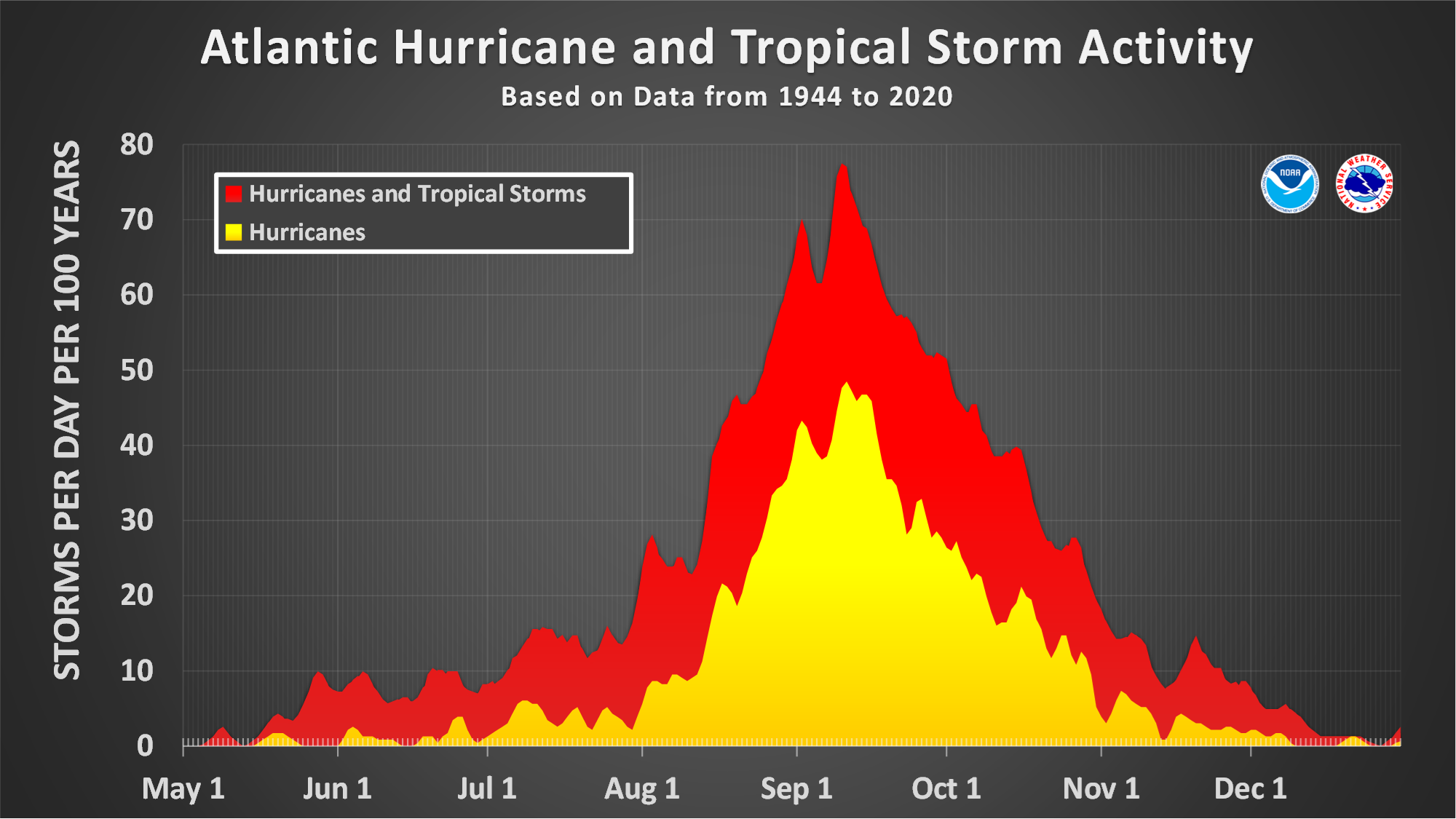
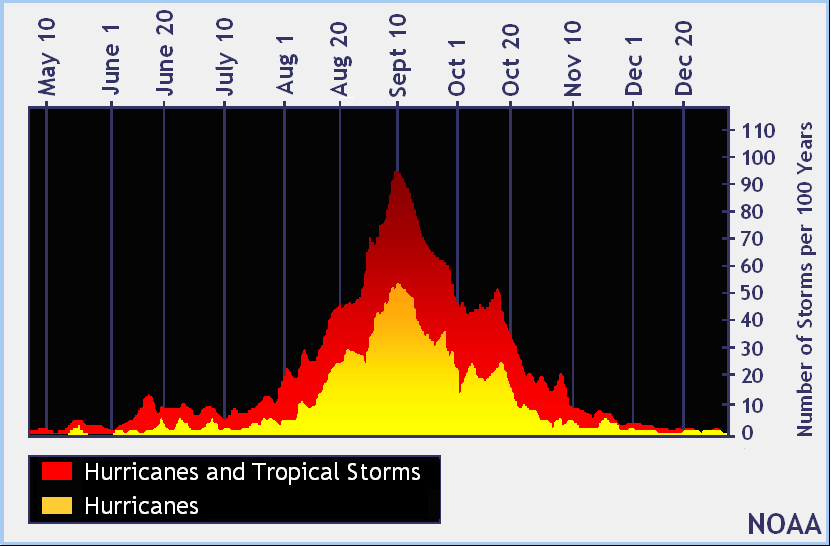
The National Hurricane Center (NHC) officially designates the Atlantic hurricane season as running from June 1st to November 30th. This six-month period encompasses the vast majority of tropical cyclone activity for the region. Within this broad window, however, there are distinct periods of heightened risk.
Peak Activity: August, September, and October
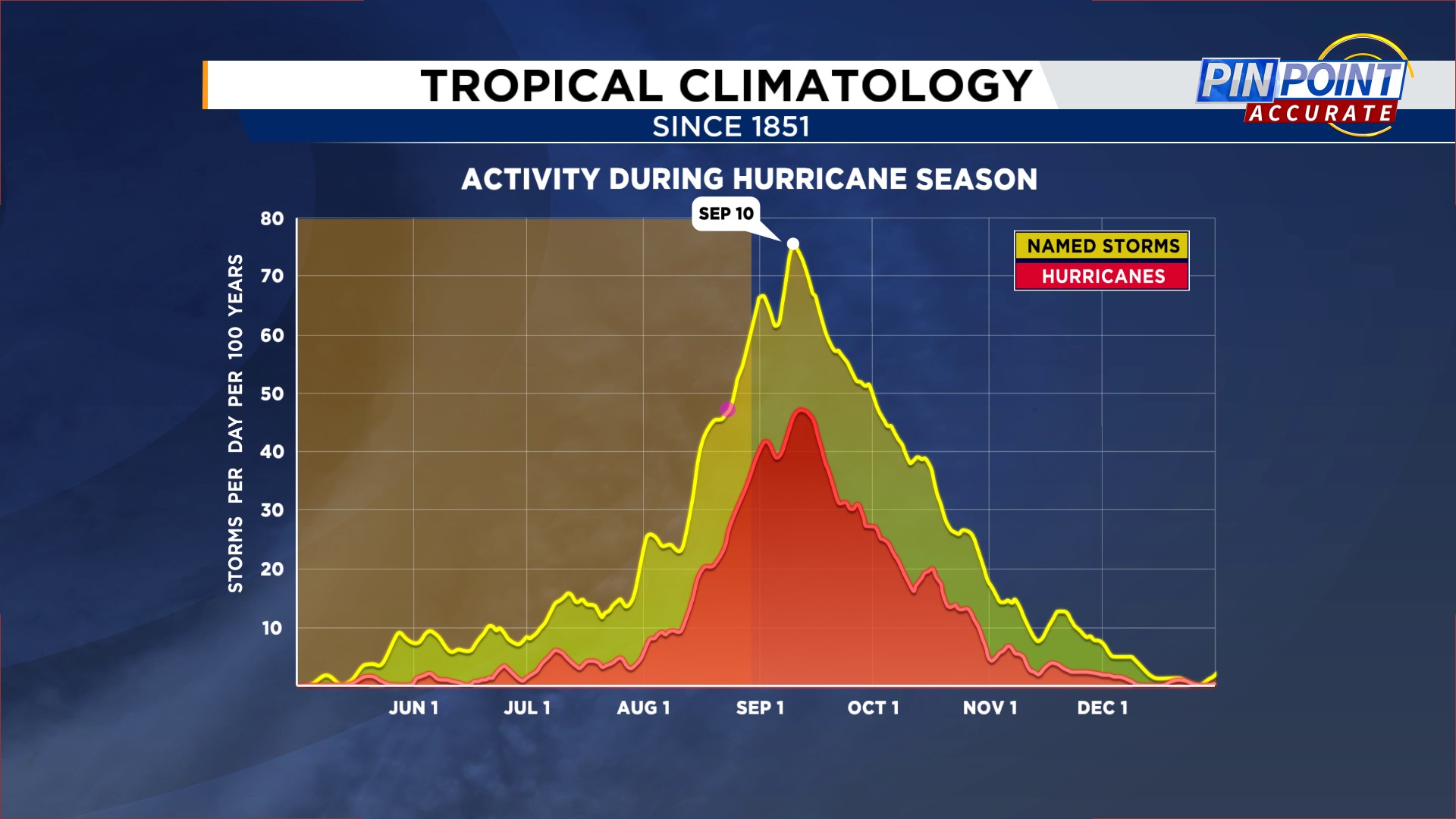
While the season begins in June and ends in November, the most active and dangerous months for hurricanes in Florida are typically August, September, and October. During these months, sea surface temperatures are at their warmest, providing ample fuel for developing storms. Additionally, atmospheric conditions often become more favorable for storm development and intensification.
- August: Marks the beginning of the ramp-up in activity. While June and July can see storms, August often witnesses a significant increase in the number and intensity of tropical systems. This is a good time to be aware of forecasts if you are planning a vacation.
- September: Historically, September is the most active month for hurricanes in the Atlantic, and by extension, for Florida. The peak of the season often falls in early to mid-September, with major hurricanes frequently forming and tracking towards the coast. For those looking at luxury travel or visiting iconic landmarks like the Everglades National Park, September demands the most vigilance.
- October: While activity generally begins to wane in late October, this month can still experience significant and damaging storms. The conditions that fostered storms in September can persist, leading to late-season impacts. Even as the season winds down, it’s crucial to stay informed about weather forecasts.
Early and Late Season Considerations
While the peak months demand the most attention, it’s important to remember that the entire hurricane season, from June to November, carries some risk.
- June and July: These early months can see tropical storm and hurricane development. While less frequent than in the peak season, these storms can still impact Florida. Planning a trip during these months might offer budget travel opportunities, but it’s wise to have contingency plans.
- November: The season officially concludes at the end of November. While activity is significantly reduced, there have been instances of late-season storms, particularly in the first half of the month. It is always prudent to monitor weather advisories even during this period.
Planning Your Travel Around Hurricane Season
Understanding the months of hurricane season in Florida is paramount for any traveler aiming to visit the state. This knowledge allows for strategic planning, enabling you to maximize your enjoyment while minimizing potential disruptions. Whether you’re interested in exploring the vibrant local culture of cities like Key West, enjoying the theme parks in Orlando, or relaxing on the pristine beaches of Clearwater, timing can be everything.
Strategies for Traveling During Active Months
If your travel plans necessitate a trip to Florida during the peak hurricane season (August, September, and October), a proactive approach is essential. This doesn’t mean abandoning your plans, but rather preparing thoroughly.
- Book Flexible Accommodations: Look for hotels, resorts, or apartments that offer flexible cancellation policies. This provides peace of mind, allowing you to rebook or change your dates with minimal financial loss if a storm threatens your destination. Consider options in areas less prone to severe storm surge if possible.
- Purchase Travel Insurance: Comprehensive travel insurance is a wise investment during hurricane season. Ensure your policy covers trip cancellation, interruption, and medical emergencies related to weather events. This can be a lifesaver if your vacation is cut short or significantly impacted by a storm.
- Monitor Weather Forecasts Religiously: Stay updated on tropical weather outlooks from reliable sources like the National Hurricane Center. Many travel guides and news outlets provide real-time updates. Pay attention to storm tracks and intensity forecasts.
- Have a Preparedness Kit: If you are staying for an extended period or in a more remote location, consider having a basic emergency kit. This might include water, non-perishable food, a first-aid kit, flashlights, and batteries.
The Advantages of Off-Season Travel
Conversely, traveling to Florida outside the core hurricane months, especially from December through May, often presents a more predictable and tranquil experience.
- Fewer Disruptions: You significantly reduce the risk of encountering major weather disruptions that can lead to flight cancellations, road closures, and theme park closures. This allows for a more seamless exploration of attractions and activities.
- Pleasant Weather: The dry season in Florida, which typically spans from winter into spring, offers cooler temperatures and lower humidity compared to the summer and fall months. This makes outdoor activities, exploring historic sites, and enjoying the natural beauty of the state far more comfortable.
- Better Accommodation Deals: Outside of major holidays and spring break, you can often find more competitive pricing on hotels and other accommodations. This is particularly true for long-term stays or for those looking for budget travel options.
- Less Crowded Destinations: Popular tourist destinations like Walt Disney World Resort, Universal Orlando Resort, and the beaches of the Gulf Coast tend to be less crowded during the off-season, offering a more relaxed experience.
Essential Preparedness and Safety Tips
Whether you are a seasoned traveler or embarking on your first trip to Florida, understanding hurricane preparedness is a critical aspect of responsible tourism. This extends beyond simply knowing the months of hurricane season and involves practical steps to ensure the safety and well-being of yourself and your companions.
During Your Stay: What to Do if a Storm Threatens
If you find yourself in Florida and a tropical storm or hurricane is approaching your location, swift and informed action is crucial.
- Follow Evacuation Orders: The most important instruction is to heed any evacuation orders issued by local authorities. These orders are put in place for your safety. If you are in an evacuation zone, do not hesitate to leave. This might mean heading inland or to a designated shelter.
- Stay Informed: Continue to monitor local news and weather updates. Emergency management agencies will provide the most accurate and up-to-date information regarding the storm’s path, intensity, and potential impacts.
- Secure Your Accommodation: If you are in a hotel or rental, follow the instructions of the management. This may involve staying indoors, away from windows, or moving to a more secure part of the building. Ensure all doors and windows are locked and secured.
- Have a Communication Plan: Ensure you have a way to communicate with loved ones. Mobile networks can become overloaded during emergencies, so consider alternative communication methods if possible.
Post-Storm Considerations for Travelers
The impact of a hurricane can extend beyond the immediate wind and rain. For travelers, understanding the aftermath is also important.
- Check for Travel Advisories: Before attempting to leave your location, check for any travel advisories or road closures. Authorities will provide updates on the safety of travel routes.
- Assess Damage to Accommodation: If you are returning to your hotel or rental, assess any damage carefully. Report any issues to the management immediately.
- Be Patient: Recovery efforts can take time. Roads may be impassable, power may be out, and essential services could be disrupted. Patience is key as the community works to restore normalcy.
- Support Local Businesses: Once it is safe to do so, consider supporting local businesses that have been impacted by the storm. Your patronage can aid in their recovery.
By arming yourself with the knowledge of what months are the hurricane season in Florida? and implementing these preparedness and safety measures, you can confidently plan your visit to the Sunshine State, ensuring a memorable and secure experience, no matter when you choose to explore its diverse attractions and vibrant lifestyle. From the theme parks of Orlando to the art deco architecture of Miami Beach and the natural wonders of the Florida Keys, Florida offers an abundance of experiences that can be enjoyed safely with proper planning.