
The storied history of Texas is as grand and sprawling as its vast landscapes, a narrative woven with threads of independence, conflict, and a distinct identity that continues to captivate visitors and residents alike. Among the many pivotal moments in its past, one question frequently arises for those delving into its unique journey: exactly what number state did Texas become when it joined the United States of America?
The answer is profound in its simplicity yet complex in its implications: Texas proudly entered the Union as the 28th state. This single historical fact marks the culmination of decades of struggle, political maneuvering, and a fierce determination to forge its own destiny. Its admission on December 29, 1845, was not merely a bureaucratic formality; it was a defining moment that reshaped the map of North America, ignited further territorial ambitions, and laid the groundwork for the modern, vibrant state we know today.
Understanding the significance of this event requires a journey back through time, tracing the path of the Lone Star State from a frontier outpost under various flags to a sovereign republic, and finally, into the fold of the United States. This historical odyssey not only illuminates the origins of Texas’ unique character but also offers an unparalleled lens through which to explore its rich culture, breathtaking landmarks, and diverse travel experiences.
The Lone Star’s Long Road to Union: From Colony to Republic
The land that would become Texas was first claimed by Spain in the 16th century, forming part of its vast colonial empire in the New World. For centuries, it remained a sparsely populated frontier, largely ignored by Spanish authorities until the early 19th century. After Mexico gained independence from Spain in 1821, Texas became a province of the new Mexican nation. Eager to develop the territory and create a buffer against Native American raids, the Mexican government began inviting American settlers, known as empresarios, to colonize Texas. The most famous of these was Stephen F. Austin, often referred to as the “Father of Texas,” who led the first large group of Anglo-American families to the region.
These new settlers, primarily from the southern United States, brought with them their own cultural norms, legal traditions, and, crucially, the institution of slavery, which was outlawed in Mexico. As the Anglo-American population rapidly grew, tensions mounted with the Mexican government over issues of governance, religion, and autonomy. The Mexican government, wary of the growing influence of the American settlers, began to implement stricter controls, including halting further immigration and attempting to enforce its laws more vigorously. This friction ultimately sparked the Texas Revolution.
The Fight for Independence
The Texas Revolution officially began in October 1835 and culminated in a declaration of independence on March 2, 1836. This period was marked by legendary battles and heroic sacrifices that have become cornerstones of Texan identity. The most iconic of these was the Battle of the Alamo in San Antonio. For 13 days, a small group of Texan defenders, including folk heroes like Davy Crockett and Jim Bowie, held out against a much larger Mexican army led by General Antonio López de Santa Anna. Though the defenders were ultimately overrun and all were killed, their valiant stand became a rallying cry for the Texan cause: “Remember the Alamo!”
Just over a month later, on April 21, 1836, the Texan army, led by General Sam Houston, achieved a decisive victory over Santa Anna‘s forces at the Battle of San Jacinto. This battle, lasting only 18 minutes, secured Texas’ independence and led to the capture of Santa Anna, who was forced to sign treaties recognizing Texan sovereignty. The Republic of Texas was born, a brand-new nation with its own government, currency, and ambitions.
The Annexation Debate and Becoming the 28th State
Following its independence, the Republic of Texas existed as a sovereign nation for nearly a decade, from 1836 to 1845. Sam Houston served as its first and third president, guiding the young republic through a challenging period marked by financial difficulties, ongoing skirmishes with Mexico, and diplomatic efforts to gain recognition and stability. During this time, the idea of annexation by the United States was a constant, often contentious, topic.
The desire for annexation was strong among many Texans, who saw it as a path to greater security and economic prosperity. However, within the United States, the prospect of adding Texas was fraught with political complications. The primary sticking point was slavery. Texas was a slave-holding territory, and its admission would upset the delicate balance between free and slave states in the U.S. Congress, intensifying the sectional debate that would eventually lead to the Civil War. Northern abolitionists and Whig politicians vehemently opposed annexation, fearing the expansion of slavery and the potential for conflict with Mexico, which still considered Texas a rebellious province. Conversely, Southern states and expansionists eagerly supported it, viewing Texas as a natural extension of their agricultural economy and a crucial piece of manifest destiny.
The Crucial Vote and Formal Admission
Despite the significant opposition, the tide began to turn in the early 1840s. President John Tyler, a strong advocate for expansion, pushed for annexation, but a treaty he negotiated in 1844 failed to pass the Senate. The issue then became a central theme of the 1844 presidential election, with expansionist Democrat James K. Polk defeating Henry Clay, who was seen as less enthusiastic about annexation. Polk’s victory was interpreted as a mandate from the American people for expansion.
Before Polk officially took office, President Tyler seized the opportunity to act. He proposed annexation through a joint resolution of Congress, which required only a simple majority in both houses, rather than the two-thirds Senate vote needed for a treaty. This strategy proved successful. The resolution offering annexation to the Republic of Texas passed both the House and Senate in early 1845. The people of Texas overwhelmingly approved the proposal, and on December 29, 1845, President Polk signed the act formally admitting Texas into the Union. It became the 28th state, expanding the nation’s territory westward and setting the stage for the Mexican-American War over disputed border claims.
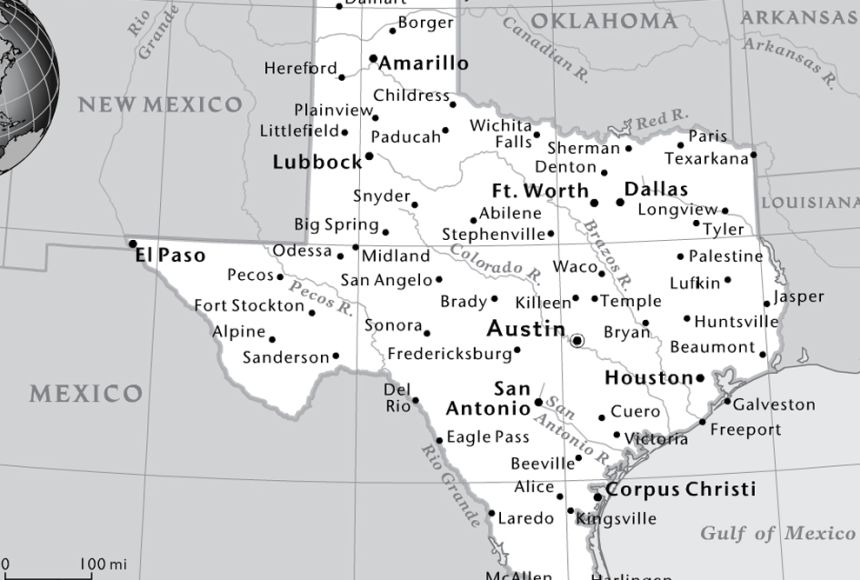
Texas Today: A Legacy Etched in Landscapes and Lifestyles
The historical journey of Texas from a contested frontier to the 28th state has profoundly shaped its identity, leaving an indelible mark on its culture, its people, and its physical landscape. Today, this rich history is not just confined to textbooks; it’s a living, breathing part of the state, inviting travelers from around the globe to explore its depths and experience its unique character. Texas offers an unparalleled blend of historical intrigue, modern innovation, and natural beauty, making it a compelling destination for any type of traveler, whether seeking a deep dive into history, a culinary adventure, or a luxurious escape.
Iconic Landmarks and Historical Sites
For those eager to connect with the past, Texas boasts numerous landmarks that echo its journey to statehood. A visit to San Antonio is essential, where the hallowed grounds of the Alamo stand as a powerful testament to the fight for independence. Beyond the shrine, San Antonio’s River Walk provides a picturesque setting to reflect on the city’s Spanish colonial heritage, with its historic missions (part of a UNESCO World Heritage Site) offering further insight into the region’s early days.
In La Porte, near Houston, the San Jacinto Battleground State Historic Site and its towering San Jacinto Monument commemorate the decisive battle that secured Texan independence. Visitors can ascend to the top of the monument for panoramic views of the historic battlefield and the surrounding area, truly grasping the scale of this pivotal event.
The state capital, Austin, is home to the magnificent Texas State Capitol building, an architectural marvel that stands as a symbol of the state’s enduring self-governance within the United States. Its impressive dome and intricate details make it a must-see for anyone interested in American political history and grand architecture.

Vibrant Cities and Cultural Experiences
Beyond the historical sites, Texas’ major cities offer a dynamic array of cultural experiences that reflect its diverse heritage. Houston, a global metropolis, boasts the Space Center Houston (the official visitor center of NASA’s Johnson Space Center), world-class museums, and a thriving culinary scene. Dallas, a hub of commerce and culture, offers impressive arts districts, luxury shopping, and significant historical sites like the Sixth Floor Museum at Dealey Plaza. Meanwhile, Austin continues to live up to its “Live Music Capital of the World” moniker, with a vibrant nightlife and a relaxed, bohemian atmosphere.
The lifestyle in Texas is as varied as its geography. From the cowboy culture of the Fort Worth Stockyards to the high-tech corridors of Silicon Hills in Austin, the state embraces a unique blend of tradition and progress. Travelers can immerse themselves in authentic rodeo experiences, savor world-renowned Tex-Mex cuisine and smoky Texas barbecue, or explore the natural wonders of Big Bend National Park and the Gulf Coast beaches. Whether you’re planning a family trip filled with educational tours, a romantic getaway to a luxurious resort, or an adventurous solo journey, Texas provides a canvas for unforgettable experiences.

Planning Your Texas Adventure: Travel, Accommodation, and More
A trip to Texas is an immersion into a state that proudly celebrates its journey to becoming the 28th member of the United States. With its vastness, diverse attractions, and unique culture, careful planning ensures you make the most of your visit. From choosing the perfect destinations to finding ideal accommodation, Texas offers a spectrum of choices to suit every traveler’s taste and budget.
Diverse Travel Experiences
When considering travel within Texas, recognize that distances are significant. Most visitors choose to focus on a particular region or a few key cities due to the sheer size of the state. For history buffs, a route connecting San Antonio, Austin, and the Houston area offers a comprehensive look at the state’s path to independence and statehood. These destinations are rich with historical markers, museums, and beautifully preserved architecture. Beyond the historical narratives, outdoor enthusiasts will find solace in the rugged beauty of West Texas or the tranquil shores of the Gulf Coast. Foodies can embark on a culinary tour through Central Texas, famous for its legendary barbecue trails, or explore the vibrant international food scenes in Houston and Dallas.
Tips for travel in Texas include renting a car for flexibility, especially if you plan to visit multiple cities or rural attractions. The state’s airports, such as Dallas/Fort Worth International Airport (DFW), George Bush Intercontinental Airport (IAH) in Houston, and Austin-Bergstrom International Airport (AUS), serve as major hubs, making it easy to fly into the heart of the Lone Star State.
Where to Stay: From Historic Hotels to Modern Resorts
Accommodation options in Texas are as diverse as its landscapes. In major cities like Dallas, Houston, and Austin, you’ll find a plethora of luxury hotels, including prominent names like the Grand Hyatt or Marriott Marquis, offering top-tier amenities, suites, and fine dining. For a more boutique experience, many historic districts boast charming independent hotels that blend modern comforts with local character. In San Antonio, consider staying at a hotel directly on the River Walk for unparalleled access to attractions and a vibrant evening atmosphere.
Families often opt for resorts with extensive facilities, such as the Hyatt Regency Hill Country Resort and Spa near San Antonio or the Gaylord Texan Resort & Convention Center in Grapevine, which provide pools, activities, and dining options suitable for all ages. For those on a budget or seeking a more immersive local experience, vacation rentals, apartments, and charming bed and breakfasts are readily available through various booking platforms. Long-term stays can also be arranged, particularly in metropolitan areas, for business travelers or those wishing to explore a region more thoroughly. Regardless of your preference, booking in advance, especially during peak seasons or major events, is always advisable to secure the best rates and availability.
The Enduring Spirit of the Lone Star State
The journey of Texas to become the 28th state in the United States is a testament to resilience, ambition, and a fiercely independent spirit. This foundational history continues to inform everything from its cultural festivals to its distinctive cuisine, making Texas not just a place on a map, but a destination rich with stories waiting to be discovered.
Whether you’re exploring the solemn beauty of the Alamo, marveling at the grandeur of the Texas State Capitol, or simply soaking in the vibrant atmosphere of Austin’s music scene, you’re engaging with a legacy forged over centuries. The state’s unique position as a former republic, combined with its dramatic entry into the Union, provides a compelling backdrop for any visit. From its friendly locals and hearty food to its expansive landscapes and bustling cities, Texas offers an unforgettable travel experience, inviting you to delve into the saga of the 28th state and feel the enduring spirit of the Lone Star State for yourself.
LifeOutOfTheBox is a participant in the Amazon Services LLC Associates Program, an affiliate advertising program designed to provide a means for sites to earn advertising fees by advertising and linking to Amazon.com. Amazon, the Amazon logo, AmazonSupply, and the AmazonSupply logo are trademarks of Amazon.com, Inc. or its affiliates. As an Amazon Associate we earn affiliate commissions from qualifying purchases.