
The very idea of Florida and snow conjures up images of palm trees dusted with white, a surreal juxtaposition of tropical warmth and winter chill. For many, Florida is synonymous with sunshine, theme parks, and sandy beaches, a year-round vacation destination where the most significant weather event is typically a summer thunderstorm or a hurricane. However, the Sunshine State, in its vast and varied geography, has indeed experienced snowfall, albeit rarely and under specific circumstances. This article delves into the fascinating phenomenon of snow in Florida, exploring when and where it has occurred, and what this unusual weather event signifies for travelers and residents alike.

A Rare Winter Phenomenon: Understanding Florida’s Snowfall
Florida‘s southern latitude and proximity to warm ocean currents generally prevent the sustained cold temperatures required for snow to form and accumulate. The state’s average annual temperatures hover comfortably in the warm to hot range, making it a magnet for those seeking to escape colder climates. However, meteorological conditions are complex, and a confluence of specific atmospheric factors can occasionally override these prevailing influences. When these factors align, Florida can be transformed into an unexpected winter wonderland.
The primary requirement for snowfall anywhere is the presence of freezing temperatures throughout the atmospheric column, from the cloud where precipitation forms down to the ground. This means the entire journey of a snowflake must be through air that is at or below 32 degrees Fahrenheit (0 degrees Celsius). In Florida, this is the most challenging condition to meet. The state’s humidity levels, often high, can also play a role, sometimes leading to sleet or freezing rain rather than powdery snow if temperatures are just right for ice formation.
Historically, the most significant and widely reported snow events in Florida have occurred during periods of exceptionally cold air masses sweeping down from the north, combined with moisture-laden weather systems. These events are not part of the typical Florida travel experience and are often met with a mixture of disbelief, excitement, and sometimes, disruption. For locals, it’s a chance to witness a once-in-a-generation event, and for visitors, it’s a story to tell for years to come.
Factors Contributing to Florida Snowfall
Several key meteorological ingredients must come together for Florida to see snow:
- Arctic Air Mass: A strong surge of cold air, originating from the Arctic or sub-Arctic regions, needs to penetrate deep into the southeastern United States. This cold air mass must be sustained for a sufficient period to lower surface temperatures.
- Moisture Source: A source of moisture is crucial for precipitation. This often comes in the form of a low-pressure system or a frontal boundary that draws moisture from the Gulf of Mexico or the Atlantic Ocean.
- Freezing Temperatures Aloft and Near the Surface: The air temperature must be at or below freezing from the cloud base all the way down to the ground. Even a few degrees above freezing at lower altitudes can melt snowflakes before they reach the surface, resulting in rain or sleet.
- Timing: The timing of the cold air mass and the moisture-laden system is critical. They need to coincide for snowfall to occur.
When these elements align, even areas not typically associated with cold weather can experience a dusting of snow. The impact on infrastructure and daily life can be significant, as Florida is not equipped to handle icy roads or prolonged freezing conditions. This makes the event even more remarkable when it does happen.
Notable Snowfall Events in Florida History
While rare, Florida has a documented history of experiencing snow. These events are often etched into the collective memory of the state.
The “Great Blizzard of 1977”
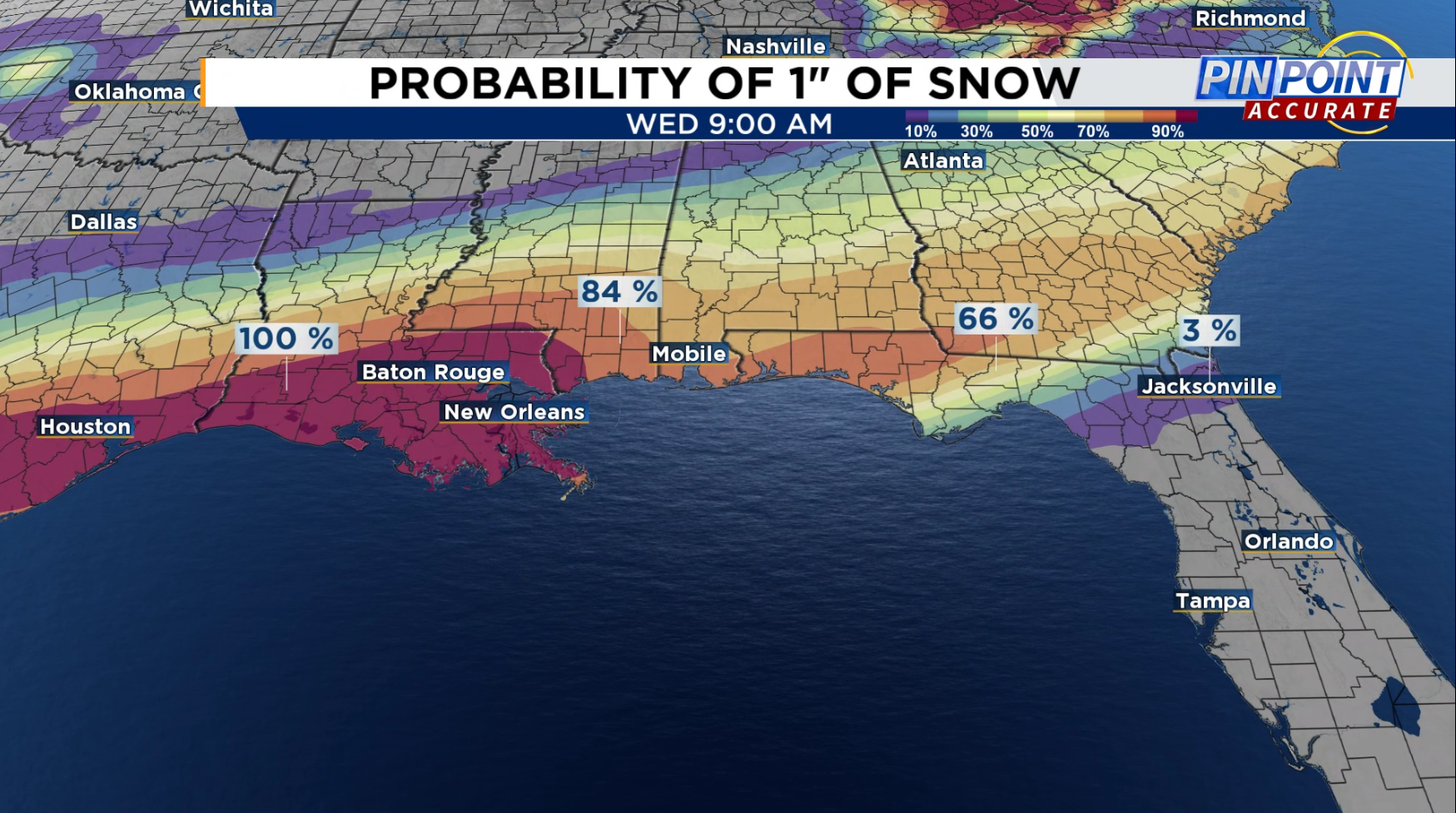
Perhaps the most significant and widely remembered snowfall event in Florida occurred on January 19, 1977. This cold snap, dubbed the “Great Blizzard of 1977” by some, brought snow, sleet, and freezing rain to many parts of the state, including areas as far south as Miami and Fort Lauderdale. This was an exceptionally widespread event, with reports of accumulation from the Panhandle all the way down to the southern tip.
In Tallahassee, the state capital, several inches of snow fell, disrupting traffic and leading to school closures. Even the beaches of Miami saw a light dusting of snow, an almost unbelievable sight for those accustomed to tropical warmth. The event was so unusual that many residents captured photographs and videos, which have since become historical artifacts. The sheer novelty of snow in such a typically warm climate turned this weather event into a major news story and a lasting memory for those who experienced it. The economic impact, though temporary, included closures of businesses and disruptions to the tourism industry for a brief period. However, the sheer wonder of the event often overshadowed the inconvenconvenience.
Other Occasional Snowfall Incidents
Beyond the 1977 event, there have been other instances of snowfall or icy precipitation across Florida, though often more localized or lighter in intensity.
- January 2018: A cold snap brought a mix of sleet and snow flurries to the northern and central parts of Florida. While accumulation was minimal in most areas, it was enough to cause excitement and some travel disruptions, particularly on elevated surfaces and bridges in cities like Jacksonville. The Panhandle region, being the most accustomed to colder weather, saw more noticeable, albeit still light, snow accumulation. The event served as a reminder that even the southernmost continental state can experience winter’s touch.
- December 2017: Prior to the January 2018 event, a brief period of freezing temperatures in the Panhandle led to some light snow and sleet. This was a precursor to the more widespread cold that followed.
- February 1996: Another cold air intrusion brought snow flurries to parts of northern Florida. Again, accumulation was light, but the sight of snow was enough to create a buzz.
These events, while not comparable to blizzards experienced in northern states, are significant for Florida due to their rarity and the unique contrast they present with the state’s usual climate. For travelers planning a trip to Florida, these are footnotes in its weather history, not typical occurrences to plan around. The primary draw for Florida remains its reliably warm weather.
The Impact of Snow on Florida’s Travel and Tourism
When snow does fall in Florida, it creates a temporary, yet significant, impact on the state’s tourism and travel industry. While many visitors come to Florida specifically to escape cold weather, the novelty of snow can also be an attraction, albeit a short-lived one.
Disruptions and Unique Experiences
- Travel Delays: Florida‘s infrastructure is not built for snow and ice. Roads can become treacherous, leading to traffic jams and accidents. Airports might experience delays or cancellations as airlines adjust to the conditions. Public transportation can also be affected. This means that even if snow is a visually appealing phenomenon, it can complicate travel plans for those moving around the state.
- Theme Park Operations: Major theme parks like Walt Disney World Resort and Universal Orlando Resort are accustomed to operating in rain and heat, but snow is an entirely different challenge. While they rarely close entirely for snow, operations might be scaled back, and outdoor attractions could be temporarily suspended. The sight of a snowman being built at Disney’s Magic Kingdom, for instance, would be a highly unusual and memorable experience.
- Accommodation and Activities: Hotels and resorts, particularly those in the northern parts of the state, might see guests excited about the unusual weather. However, outdoor activities like beach excursions or exploring natural landmarks like the Everglades might be curtailed. Restaurants might offer special warm drinks, and souvenir shops could quickly sell out of winter-themed merchandise.
- Unforeseen Attractions: In some instances, the snow itself becomes the main attraction. Locals and tourists alike might venture out to experience it firsthand, taking photos and enjoying the surreal landscape. This can lead to impromptu gatherings in parks or open spaces, turning a weather event into a community experience. For those staying in resorts with stunning views, a snow-dusted landscape outside their window offers a unique perspective on a familiar destination.

Preparing for the Unlikely
For travel planners and tourists, understanding the rarity of Florida snow is key. It’s important not to base travel plans on the possibility of snow. The state’s primary appeal lies in its tropical climate, and typical travel guides and advice will focus on sunshine, beaches, and water activities. However, for those who are fortunate enough to witness a snowfall event, it offers a truly unique Florida experience, a story that will be retold for years.
The economic impact of such rare events is usually short-lived. While there might be initial disruptions, the swift warming of temperatures typically resolves most issues. The enduring memory, however, is one of surprise and delight – the Florida that is always warm, briefly kissed by winter’s chill. Whether it’s a quiet dusting in the Panhandle or a more widespread event, snow in Florida is a reminder of the dynamic and sometimes surprising nature of weather, even in the most predictable of climates. For travelers looking for a truly unique Florida vacation story, a rare snowfall event is certainly one for the books, making a normally sun-drenched destination feel like an entirely different world.