
Florida, a state synonymous with sunshine, palm trees, and balmy breezes, is not typically the first place that springs to mind when discussing snowfall. The very notion of flakes descending upon the Sunshine State often elicits disbelief. However, for the seasoned traveler or the curious explorer seeking a truly unique Floridian experience, understanding the rare instances of snow and the specific regions that might witness them opens up an intriguing dimension of travel within this beloved destination. This exploration delves into the meteorological anomalies that can bring a dusting of white to unexpected corners of Florida, transforming familiar landscapes into something ethereal and offering a truly memorable travel experience.
The Unlikeliest of White Christmases: Understanding Florida’s Winter Weather
While the majority of Florida enjoys mild winters, characterized by pleasant temperatures ideal for outdoor activities and escaping colder climates, certain atmospheric conditions can lead to a significant drop in temperature. These conditions, though infrequent, are the key to unlocking the mystery of snow in Florida. It’s not about Florida suddenly adopting a polar climate, but rather about specific weather patterns creating a brief, localized phenomenon.
Atmospheric Conditions Favoring Florida Snowfall
The primary driver for snowfall in Florida is the presence of a strong cold air mass pushing south from the continental United States. This is often associated with a winter storm system, sometimes referred to as a “nor’easter” if it originates further north along the Atlantic coast, or a more general cold snap. For snow to form and accumulate, several conditions must align:
- Sufficient Cold Air: Temperatures must drop to or below freezing (32°F or 0°C) at the surface and in the lower layers of the atmosphere. In Florida, this usually means experiencing temperatures in the 20s or low 30s Fahrenheit.
- Moisture: There needs to be a source of moisture in the atmosphere. This can come from a departing weather system, the Gulf of Mexico, or the Atlantic Ocean.
- Lifting Mechanism: An atmospheric disturbance is required to lift the moist air, causing it to cool and condense, forming precipitation. This could be a cold front, a low-pressure system, or even localized instability.
- Timing: The timing of the cold air, moisture, and lifting mechanism is critical. For snow to fall, these elements must coincide when temperatures are sufficiently low.
When these conditions are met, even the most tropical of environments can experience a temporary transformation. The higher elevations and northern parts of the state are naturally more susceptible due to their proximity to the continental cold air masses.
Historical Precedents and Notable Snow Events
Florida has a documented history of experiencing snowfall, though these events are rare and often localized. The most significant and widely reported snow event in Florida history occurred on January 19, 1977. This major winter storm brought snow, sleet, and freezing rain to much of northern and central Florida, with even a light dusting reported as far south as Orlando and Tampa. Cities like Tallahassee experienced several inches of snow, leading to widespread disruption and disbelief among residents accustomed to warmer climes.
More recently, minor snow flurries have been observed in the northern panhandle during exceptionally cold outbreaks. For instance, in January 2018, many parts of the Florida Panhandle experienced light snow and sleet, causing traffic disruptions and leading to a flurry of excited social media posts from those witnessing the unusual spectacle. These events, while not accumulating to significant depths, serve as reminders that Florida’s weather can be surprisingly dynamic.
Which Regions of Florida Are Most Likely to See Snow?
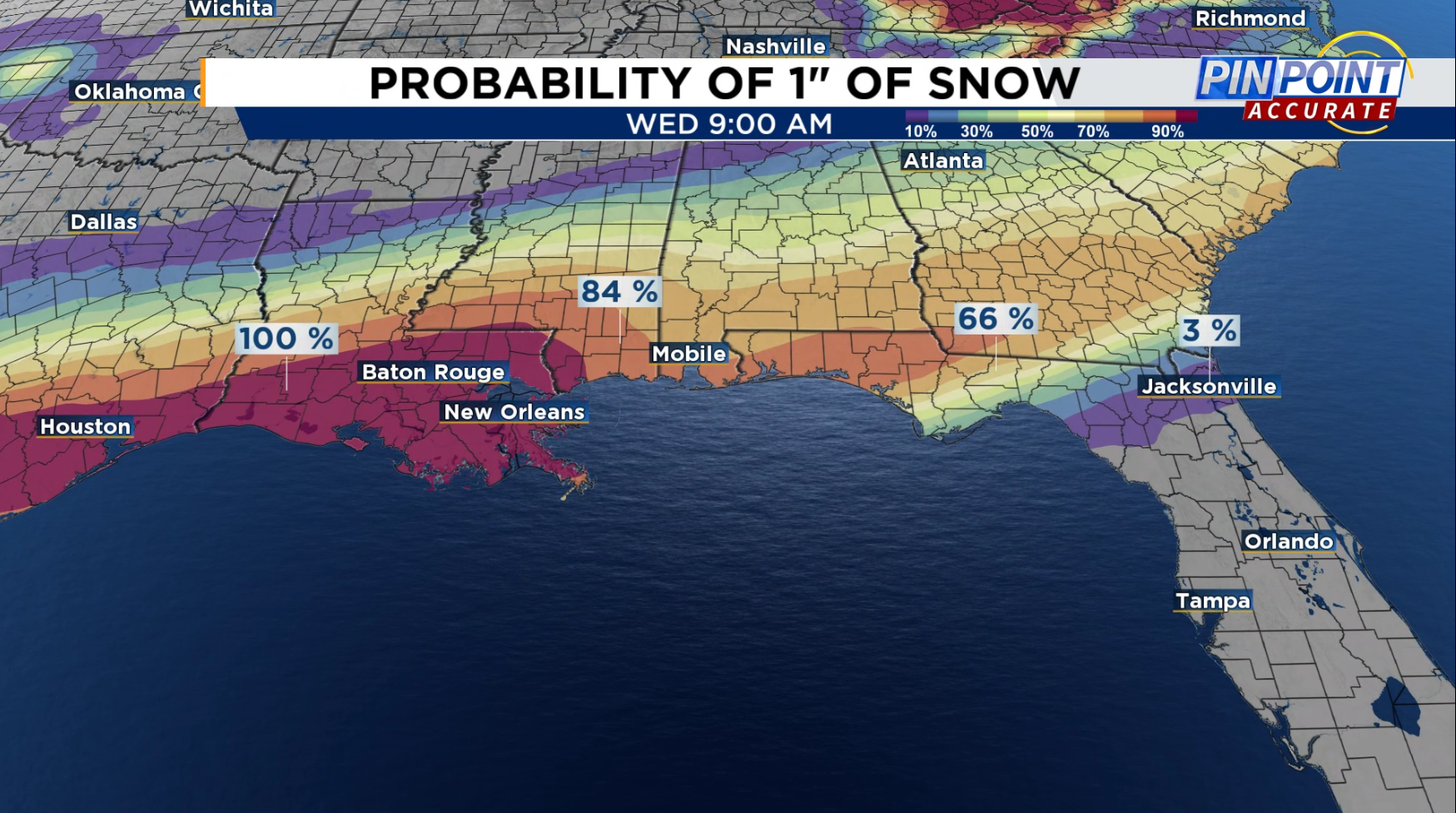
When considering the possibility of snow in Florida, the focus naturally gravitates towards the northernmost parts of the state, as they are geographically best positioned to receive the frigid air masses necessary for frozen precipitation. The further south one travels, the less likely snow becomes, with the southern tip of Florida remaining virtually snow-free.
The Florida Panhandle: A Dusted Frontier

The Florida Panhandle, stretching from the western border with Alabama to the Suwannee River, is by far the most likely region to witness snowfall in Florida. Its higher latitude and exposure to continental weather systems make it more susceptible to prolonged periods of freezing temperatures.
- Tallahassee and Surrounding Areas: As the state capital, Tallahassee is situated in a prime location for cold air incursions. Historically, this area has received the most significant snow accumulations in Florida. The elevation in this part of the state, while modest by national standards, can also play a role in maintaining colder temperatures.
- Northwest Florida: Cities like Pensacola and towns along the coast and inland areas of the western Panhandle can also experience snow, especially during severe winter weather events. The proximity to the Gulf of Mexico can sometimes introduce moisture that, when combined with frigid air, leads to sleet or snow.
Northern Florida Inland and Coastal Regions
Moving slightly east and south from the Panhandle, but still within the northern tier of the state, certain areas can also experience occasional snow flurries or light accumulations.
- The Big Bend Area: This sparsely populated region where the Panhandle transitions into the rest of Florida, particularly the inland areas, can experience cold snaps cold enough for snow.
- Northern Coastal Areas: While the immediate coast is often moderated by the ocean’s temperature, cold fronts pushing directly inland can bring freezing temperatures and the potential for snow to coastal communities in northern Florida.
Experiencing a White Florida: Travel Tips and Considerations
For travelers who find themselves in Florida during a rare snowfall event, or for those who specifically plan a winter trip hoping for this unusual meteorological occurrence, preparedness and realistic expectations are key. Witnessing snow in Florida is a unique experience that offers a different perspective on a familiar destination.
Planning for the Unpredictable
Due to the rarity of significant snowfall in Florida, it’s not a reliable feature for planning a trip around. However, if you are visiting during the winter months (December to February), especially the northern parts of the state, it’s wise to:
- Monitor Weather Forecasts: Stay updated on local weather forecasts, particularly if a strong cold front is predicted. The National Weather Service will issue warnings and advisories for any significant winter weather.
- Pack Appropriately: While Florida is generally mild, a winter storm can bring temperatures into the 20s and 30s Fahrenheit, with wind chill factors making it feel even colder. Pack layers, including a warm coat, hat, gloves, and waterproof footwear.
- Be Prepared for Disruptions: Snowfall, even light, can cause significant traffic disruptions in Florida. Road conditions can become hazardous, and local authorities may advise against travel. Allow for extra travel time and be patient.

Unique Activities and Photo Opportunities
If you are fortunate enough to be in Florida during a snow event, embrace the novelty!
- Capture the Moment: This is a photographer’s dream. Document the unusual sight of palm trees dusted with snow or a familiar beach with a wintry backdrop.
- Embrace the Local Reaction: Floridians are often as surprised and delighted as visitors when snow falls. Join in the local excitement, build a small snowman (if possible), or simply enjoy the unique atmosphere.
- Seek Out Local Hot Spots: Many local cafes and restaurants will likely offer hot beverages, providing a cozy respite from the cold. Check local event listings, as some communities might organize impromptu winter-themed gatherings.
While the allure of Florida remains its sunny disposition, the occasional whisper of winter’s touch adds an unexpected chapter to its travel narrative. For the intrepid traveler, understanding the “what,” “where,” and “when” of Florida’s potential snow can lead to an unforgettable and truly unique journey.