
The phrase “burning” can evoke a multitude of images. In the context of travel, it might suggest a fiery sunset over the Pacific Ocean, a passionate performance on a Los Angeles stage, or perhaps the sizzling delights of authentic California cuisine. However, when the question arises, “What part of Los Angeles is burning?”, it often points to a more literal and concerning reality: wildfires. These natural phenomena, exacerbated by climate change and dry conditions, can significantly impact the experience of visiting and living in this sprawling metropolis. Understanding the areas most prone to these fires, and how to navigate them safely, is crucial for any traveler or resident.
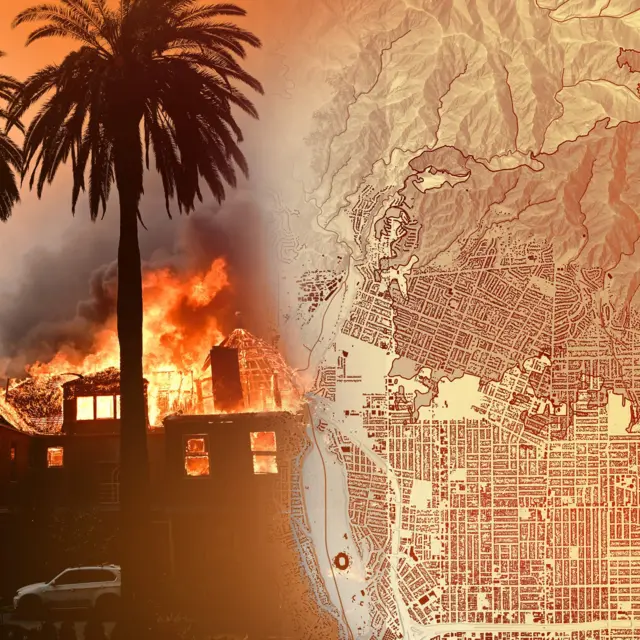
This article aims to shed light on the geographical areas within the greater Los Angeles region that are more susceptible to wildfires, drawing upon the wealth of information available on travel, destinations, tourism, and lifestyle. We will explore the natural landscapes that contribute to fire risk, the impact on iconic attractions, and how to approach your visit to Los Angeles with an informed perspective, ensuring your journey remains one of discovery and enjoyment, rather than concern.
Understanding the Landscape of Fire Risk in Los Angeles
The vastness of Los Angeles County encompasses diverse terrains, from coastal plains to rugged mountain ranges. It is within these wildland-urban interfaces, where human development encroaches upon natural vegetation, that the risk of wildfires becomes most pronounced. Several key geographical features and environmental factors contribute to the susceptibility of certain areas to fire.
The Santa Monica Mountains and Coastal Ranges
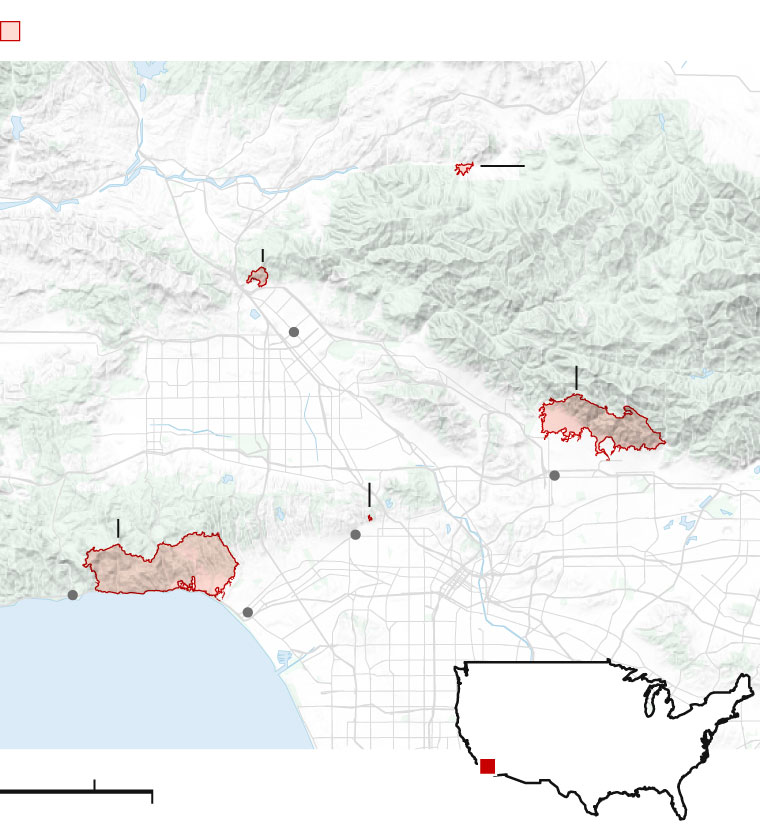
Stretching across the western part of Los Angeles County, the Santa Monica Mountains are a significant natural barrier and a beautiful backdrop to the city. This range, along with other coastal hills, is characterized by dense chaparral and coastal sage scrub – vegetation types that are highly flammable, especially after long periods of drought. The arid conditions, combined with steep slopes and the presence of dry grasses, create a potent recipe for rapid fire spread.
During the dry season, typically from late summer through fall, the region is subject to powerful offshore winds, known as Santa Ana winds. These winds can fan existing embers into infernos and accelerate flames with alarming speed. Consequently, communities nestled within or bordering these mountainous areas, such as Malibu, Calabasas, and parts of the San Fernando Valley, are frequently in the path of fire. The proximity of these areas to densely populated residential neighborhoods means that fires here pose a direct threat to homes and infrastructure, and can also generate significant smoke that drifts over wider areas of Los Angeles.
- Chaparral and Coastal Sage Scrub: These native plant communities are adapted to the Mediterranean climate of California, which includes hot, dry summers. While essential to the ecosystem, they become highly combustible when dry.
- Topography: Steep slopes can lead to “chimney effects,” where fires ascend rapidly uphill, making containment challenging.
- Santa Ana Winds: These seasonal winds are a critical factor, capable of transforming a manageable brush fire into a catastrophic conflagration within hours.
For travelers, this means that while destinations like Malibu are renowned for their stunning beaches and celebrity homes, they are also located in high-risk fire zones. The picturesque canyons and hillsides that offer breathtaking views can, during fire season, become areas of extreme danger. Understanding this duality is essential when planning excursions to these parts of Los Angeles.
The Angeles National Forest and Beyond
North and east of the urban core lies the vast expanse of the Angeles National Forest. This protected wilderness area, a critical watershed and recreational space for Los Angeles residents, is also a significant fire-prone zone. The forest is composed of dense stands of pines, firs, and chaparral, all of which can contribute to large and intense wildfires.
Areas bordering the forest, including communities in the foothills of the San Gabriel Mountains, are particularly vulnerable. These include places like La Cañada Flintridge, Altadena, and parts of the San Gabriel Valley. Fires originating in the forest can quickly spread into surrounding communities, impacting air quality and potentially forcing evacuations. The sheer size of the forest means that fires here can burn for extended periods, affecting large swaths of the region.
- High Fuel Loads: Decades of fire suppression have, in some areas, led to an accumulation of dead vegetation, increasing the potential for more severe fires.
- Remote Access: The vastness and often rugged terrain of the Angeles National Forest can make it difficult for firefighters to access certain areas, complicating containment efforts.
- Ecological Impact: While fires are a natural part of some ecosystems, the increasing frequency and intensity of wildfires can have long-term ecological consequences, altering plant communities and wildlife habitats.
For those interested in hiking, camping, or exploring the natural beauty of Los Angeles, the Angeles National Forest offers incredible opportunities. However, it is imperative to check current fire restrictions and conditions before visiting. National forest websites and local news outlets provide real-time updates on any fire activity or advisories. Respecting these guidelines is paramount for personal safety and the preservation of these valuable natural resources.
Impact on Tourism and Experiences
The occurrence of wildfires in Los Angeles can have a tangible impact on the tourism sector, affecting everything from travel plans to the visitor experience. While the city is vast and fires may be concentrated in specific areas, smoke can travel considerable distances, impacting air quality across the region.
Air Quality and Visibility
One of the most immediate impacts of wildfires on tourism is the deterioration of air quality. Smoke from fires, even those located miles away, can blanket the city in a hazy, acrid fog. This can significantly reduce visibility, obscuring the iconic skyline and making outdoor activities less enjoyable or even unsafe.
- Health Concerns: Inhaling wildfire smoke can cause respiratory problems, eye irritation, and other health issues. Visitors with pre-existing conditions, such as asthma, are particularly vulnerable.
- Reduced Aesthetics: The dramatic vistas that draw millions to Los Angeles – from the Hollywood Hills to the Pacific Ocean – can be lost behind a thick curtain of smoke. This can detract from the visual appeal of attractions like the Griffith Observatory or the beaches of Santa Monica.
- Disruption to Outdoor Activities: Hiking in the mountains, visiting theme parks like Universal Studios Hollywood or Disneyland, or simply strolling along the Santa Monica Pier can become unpleasant or impossible when smoke levels are high.
When planning a trip to Los Angeles, it is always advisable to check air quality indices (AQI) in addition to weather forecasts, especially during the wildfire season. Websites like AirNow.gov provide real-time air quality data for the Los Angeles area.
Evacuations and Closures
Wildfires can necessitate the closure of roads, parks, and even entire communities, directly impacting travel plans. If a fire is actively burning near a planned destination, access may be restricted, or the area may be under mandatory evacuation orders.
- Road Closures: Major freeways and smaller roads can be shut down due to fire activity or safety concerns, leading to significant traffic disruptions and detours. This can affect journeys to and from Los Angeles International Airport (LAX), as well as travel between different parts of the county.
- Attraction Closures: Parks, hiking trails, and even some popular tourist attractions located in or near the affected areas may be temporarily closed for public safety.
- Accommodation Impacts: While less common, in extreme situations, hotels or vacation rentals in the immediate vicinity of a fire could be affected by evacuation orders or power outages.
Travelers should always stay informed about local news and official advisories from agencies like the Los Angeles County Fire Department or the California Department of Forestry and Fire Protection (Cal Fire). Having flexible travel plans and backup options can be beneficial when visiting Los Angeles during periods of elevated fire risk.
Long-Term Considerations for Accommodation and Lifestyle
Beyond immediate travel disruptions, the persistent threat of wildfires can also influence long-term decisions regarding accommodation and lifestyle within Los Angeles.
Fire-Resistant Building and Landscaping
In areas prone to wildfires, there is an increasing emphasis on fire-resistant building materials and landscaping practices. This is not only a concern for permanent residents but also for those considering longer stays or vacation rentals.
- Building Codes: New construction and significant renovations in high-risk zones often adhere to stricter building codes that mandate the use of fire-resistant roofing, siding, and windows.
- Defensible Space: Homeowners and property managers are encouraged to create “defensible space” around structures, which involves clearing vegetation and flammable materials within a certain radius. This practice can significantly improve a property’s chances of surviving a wildfire.
- Landscaping Choices: Choosing drought-tolerant and less flammable plants for landscaping can also play a role in reducing fire risk.
For travelers looking for accommodation, particularly in the hills or near wildland areas, it might be worth considering the general fire preparedness of the property and its surroundings. While this might not be a standard search filter, it’s a factor that contributes to overall safety and peace of mind.

The Resilient Spirit of Los Angeles
Despite the challenges posed by wildfires, Los Angeles is a city known for its resilience. The community’s spirit, coupled with advanced fire-fighting capabilities and ongoing efforts in fire prevention and management, means that the majority of visits and stays in the city remain unaffected. The iconic landmarks, diverse attractions, and vibrant lifestyle of Los Angeles continue to draw visitors from around the globe.
- Technological Advancements: California is at the forefront of using technology, including AI and advanced modeling, to predict and combat wildfires.
- Community Preparedness: Neighborhoods often have well-established community emergency response teams (CERT) and robust communication networks to disseminate information during emergencies.
- Focus on Restoration: Following fires, there is often a strong focus on restoration and rebuilding, demonstrating the city’s ability to overcome adversity.
While it is prudent to be aware of the potential for wildfires and to take necessary precautions, especially during peak fire season, this should not deter exploration of the incredible offerings of Los Angeles. From the glitz of Hollywood to the cultural richness of Downtown Los Angeles, and the natural beauty of the coastline, the city offers an unparalleled experience. By staying informed and prepared, visitors can enjoy all that Los Angeles has to offer, understanding that its dramatic landscapes also require respect and vigilance. The question, “What part of Los Angeles is burning?”, while serious, is a reminder of the dynamic environment in which this extraordinary city thrives, and of the ongoing efforts to protect its residents and visitors.
LifeOutOfTheBox is a participant in the Amazon Services LLC Associates Program, an affiliate advertising program designed to provide a means for sites to earn advertising fees by advertising and linking to Amazon.com. Amazon, the Amazon logo, AmazonSupply, and the AmazonSupply logo are trademarks of Amazon.com, Inc. or its affiliates. As an Amazon Associate we earn affiliate commissions from qualifying purchases.