
Florida, often dubbed the Sunshine State, conjures images of pristine beaches, swaying palm trees, and perpetual warmth. It’s a destination synonymous with sun-drenched holidays, where visitors from across the globe flock to escape colder climes. Yet, the very idea of snow falling in Florida can spark both disbelief and curiosity. While it’s an exceptionally rare phenomenon, it’s not entirely mythical. Throughout its history, certain parts of this subtropical paradise have, indeed, witnessed the ethereal descent of snowflakes. This article delves into the intriguing history of snow in Florida, exploring the conditions that make it possible, the specific regions that have experienced it, and how this unusual occurrence fits into the state’s broader appeal as a year-round travel destination.

For most travelers, a trip to Florida is a carefully planned escape from winter. They seek the solace of Miami‘s vibrant nightlife, Orlando’s thrilling theme parks, or the tranquil shores of the Gulf Coast. The thought of bundling up against a flurry of snow while enjoying the amenities of a luxury resort seems utterly alien. However, understanding the rarity and the specific instances of snow in Florida offers a fascinating glimpse into the state’s diverse climate and occasional meteorological surprises, enriching the narrative of this unique United States destination.
The Geographic and Climatic Anomaly: Why Snow is So Rare in Florida
To appreciate the significance of snow in Florida, it’s crucial to understand the climatic factors that typically prevent it. Florida is located in the southeastern United States, primarily within a subtropical zone. Its proximity to the equator, coupled with the warming influence of the Atlantic Ocean and the Gulf of Mexico, results in consistently mild to hot temperatures throughout much of the year. The famed Gulf Stream current further contributes to keeping its eastern coast relatively warm, even during the winter months.
For snow to fall, a very specific set of atmospheric conditions must align. First, the air temperature from the clouds all the way down to the ground must be at or below freezing (32°F or 0°C). Second, there must be sufficient moisture in the atmosphere to form precipitation. Florida often has ample moisture, but it very rarely experiences prolonged periods with the necessary freezing temperatures throughout the entire atmospheric column. When cold fronts do sweep through, they typically bring temperatures that might dip into the 30s or 40s (Fahrenheit), leading to frost or freezing rain, but seldom the sustained chill required for snowflakes to form and reach the ground intact.
The northernmost regions of Florida, particularly the Panhandle and parts of North Central Florida, are the most susceptible to snowfall. These areas are geographically closer to the mainland United States and are therefore more exposed to cold Arctic air masses that occasionally plunge southward. As you move south towards Central Florida and especially South Florida, the chances of snow become infinitesimally small. Cities like Miami or Fort Lauderdale have seen temperatures drop significantly, but never to the point where actual accumulating snow is a possibility. The occasional “graupel” (soft hail) or ice pellets might be mistaken for snow by excited residents, but true snowfall is a distinctly northern Florida phenomenon.
Historic Moments: When Snowflakes Danced in the Sunshine State
Despite the odds, Florida has witnessed several documented snowfall events over the centuries. These moments are etched in local lore and meteorological records, serving as reminders of nature’s unpredictable grandeur.
The Great Blizzard of 1899 and Early Encounters
One of the most significant and widespread snowfall events in Florida’s history occurred during the legendary Great Blizzard of 1899. This severe cold wave impacted much of the United States, bringing record low temperatures even to the Deep South. On February 13, 1899, Jacksonville, one of Florida’s largest cities, experienced a significant snowfall of 1.9 inches. This remains a historical benchmark, astonishing residents and visitors alike. Further south, even parts of Central Florida, including communities near Orlando, reportedly saw flurries, though no significant accumulation. The entire state plunged into an unprecedented deep freeze, causing widespread agricultural damage, particularly to the citrus industry, which is a cornerstone of Florida’s economy. This event underscores how extreme weather patterns, like those during the Great Blizzard of 1899, can momentarily override Florida’s typical warmth.
Other early instances include reports of snow in Tallahassee in 1895 and various flurries across the northern Panhandle throughout the late 19th and early 20th centuries. These events were often localized and short-lived, more a curiosity than a disruption, but they firmly established that snow could happen.
The Memorable 1977 Snowfall
Perhaps the most famous and widely remembered snowfall in Florida occurred on January 19, 1977. This was a truly historic day, as snow fell across a vast swath of the state, reaching as far south as Miami and Homestead (though in South Florida it was primarily flurries without accumulation). For many Floridians, especially those in the central and southern parts of the state, it was the first, and possibly only, time they had ever witnessed snow.
The conditions for the 1977 event were perfect: an intense cold front combined with a deep upper-level trough that funneled Arctic air masses directly into the peninsula, coupled with just enough moisture. While accumulations were generally light – an inch or less in most places like Jacksonville, Orlando, Gainesville, and Tampa – the sheer novelty captivated everyone. Schools closed, traffic slowed, and children rushed outside to experience what many had only seen in movies. Even the iconic Walt Disney World Resort in Orlando saw a dusting of snow, creating surreal photographs of Cinderella Castle under a thin blanket of white. This event remains a touchstone for many older Floridians, a cherished memory of a day when the impossible happened.
More Recent, Less Dramatic Incidents
Since 1977, snow in Florida has been mostly confined to the northern Panhandle. Cities like Pensacola, Destin, and Tallahassee have seen occasional flurries or light accumulations, particularly during severe winter storms that track across the Southeast United States. For example, in January 2018, Tallahassee received a measurable amount of snow for the first time in nearly three decades, bringing the city to a standstill. Even as far south as Daytona Beach, residents reported brief flurries in 2003 and 2018.
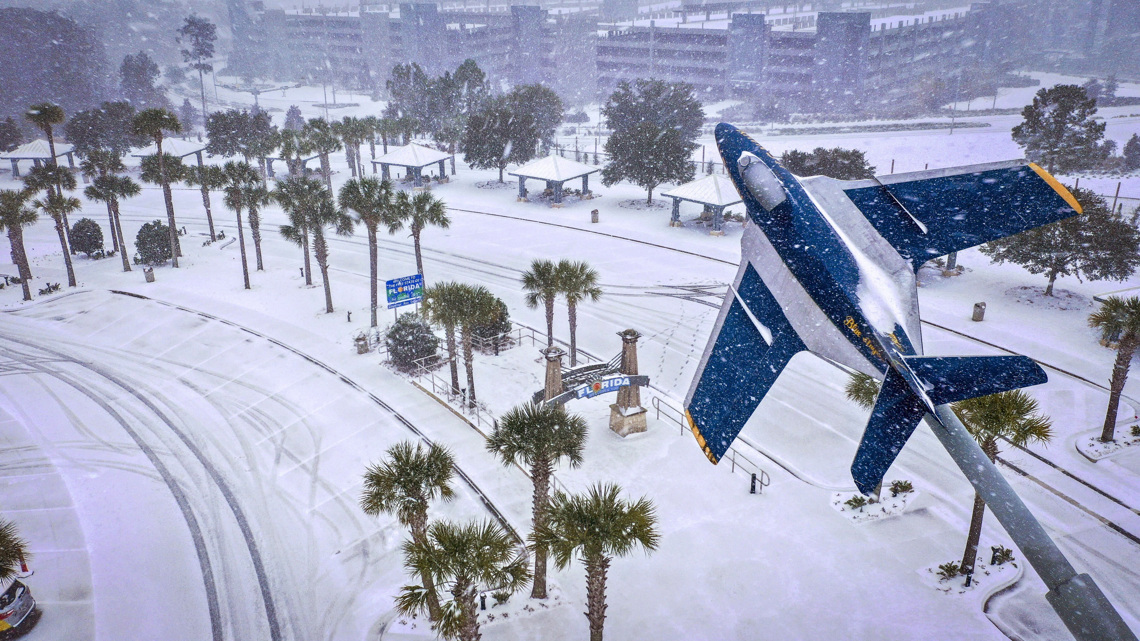
These more recent events, while less widespread than 1977, still cause significant excitement and disruption. Florida’s infrastructure is simply not designed for freezing temperatures or icy conditions. Roads are not regularly salted, and public services are geared towards heat and hurricanes, not snow removal. For travelers, encountering snow in Florida is an exceedingly rare stroke of luck or, depending on their perspective, an unexpected twist to their tropical vacation plans. It certainly adds a unique story to their travel experiences, showcasing a side of Florida that few ever witness.
Beyond the Flakes: Experiencing Florida’s Winter Charm (Without the Snow)
While the dream of a snowy Florida remains a delightful anomaly, the state’s winter months (roughly November to March) offer a unique appeal that differs from its peak summer season. Temperatures are generally milder, humidity is lower, and the crisp air makes exploring much more comfortable. This period is often considered prime time for many types of travel and tourism, attracting visitors who prefer pleasant warmth over scorching heat.
Ideal Conditions for Exploration and Relaxation
During the winter, destinations like St. Augustine, the nation’s oldest city, become even more enjoyable. Walking its historic streets, visiting Castillo de San Marcos, or exploring Flagler College without the intense summer heat makes for a much more immersive experience. Similarly, the Everglades National Park is best explored in cooler temperatures, offering fantastic opportunities for wildlife viewing, airboat tours, and hiking, far from the summer’s mosquitoes and humidity.
Many travelers choose Florida for a dose of warmth and relaxation during their own regional winters. This is when the state’s diverse accommodation options truly shine. From boutique hotels in South Beach to sprawling family resorts near Walt Disney World Resort and Universal Orlando Resort, options abound. Luxury hotels like a Ritz-Carlton in Naples or a Four Seasons in Palm Beach offer exquisite experiences, often enhanced by the cooler, drier weather, perfect for golf, tennis, or simply lounging by a heated pool.
Unique Winter Activities and Events
Beyond the typical beach and theme park activities, Florida hosts a variety of special events and experiences during its winter season. Manatee viewing becomes a popular activity as these gentle giants seek warmer waters in natural springs and power plant outflows. Places like Crystal River or Blue Spring State Park offer unparalleled opportunities for observation.
Furthermore, winter is peak season for numerous festivals and cultural events, including art festivals, food and wine gatherings, and boat shows, particularly in coastal cities like Sarasota, Fort Lauderdale, and Key West. The cooler weather is also perfect for exploring Florida’s state parks and national forests, offering hiking, biking, and camping opportunities that are less strenuous than in summer.
For those planning a long-term stay or considering budget travel, Florida in winter still offers competitive rates on apartments and villas, especially outside of the major holiday periods. Comparison shopping for booking platforms and checking reviews for amenities like heated pools or access to outdoor activities can enhance the overall experience, ensuring a comfortable and enjoyable winter escape that decidedly does not involve snow.

Planning Your Florida Winter Escape: Tips and Considerations
Even without the promise of snow, a winter trip to Florida remains an incredibly popular choice. The allure of sunshine and warmth, coupled with fewer crowds (outside of major holidays), makes it an ideal destination for various types of lifestyle travel, from family trips to business stays.
When planning your journey, consider the specific region you intend to visit. The further north you go, the higher the chance of experiencing genuinely chilly weather, though still a far cry from a true winter wonderland. Pack layers, as mornings and evenings can be cool, especially in North Florida, while midday temperatures might still be warm enough for shorts and a t-shirt.
For those dreaming of a guaranteed escape from winter, focusing your destination on South Florida, such as the Florida Keys, Miami, or Naples, will provide the most consistent warmth. These areas are least likely to be affected by cold fronts, ensuring a truly tropical experience, even in January. Resorts and suites in these regions often feature elaborate pool complexes and beachfront access that can be enjoyed year-round.
Booking accommodation in advance is always recommended, especially during the peak winter months when snowbirds (seasonal residents) and holidaymakers flock to the state. Utilize comparison tools to find the best deals on hotels, apartments, or villas that suit your preferences, whether you’re seeking luxury travel or a more budget-friendly option. Many establishments offer special packages during the off-peak weeks of the winter season, providing excellent value for travelers.
Exploring the local culture and food scene is also enhanced by the milder weather. Enjoy outdoor dining, visit farmer’s markets, and partake in al fresco activities without the oppressive humidity of summer. Florida’s diverse culinary landscape, from fresh seafood in Tampa Bay to Cuban influences in Miami, offers a feast for the senses.
In conclusion, while the sight of snow in Florida is a rare and remarkable event, primarily confined to its northernmost reaches and historical anecdotes, it adds a peculiar charm to the state’s already rich tapestry of attractions. For most, the Sunshine State will continue to deliver on its promise of warm weather and endless possibilities for relaxation and adventure. Whether you’re chasing the sun or hoping to witness a truly unique weather phenomenon, Florida offers an unforgettable travel experience at any time of year.
LifeOutOfTheBox is a participant in the Amazon Services LLC Associates Program, an affiliate advertising program designed to provide a means for sites to earn advertising fees by advertising and linking to Amazon.com. Amazon, the Amazon logo, AmazonSupply, and the AmazonSupply logo are trademarks of Amazon.com, Inc. or its affiliates. As an Amazon Associate we earn affiliate commissions from qualifying purchases.