
Understanding your plant hardiness zone is paramount for successful gardening and landscaping, especially when you’re planning a visit to or settling into a new region. For those wondering about the specific gardening conditions in the Lone Star State’s most populous metropolis, the question “What Plant Zone Is Dallas, Texas?” is a crucial starting point. Dallas, Texas, falls under a specific USDA Plant Hardiness Zone, which dictates which plants can thrive outdoors year-round. This information is vital for both local residents looking to cultivate vibrant gardens and for travelers planning to enjoy the city’s green spaces or seeking inspiration for their own horticultural endeavors.
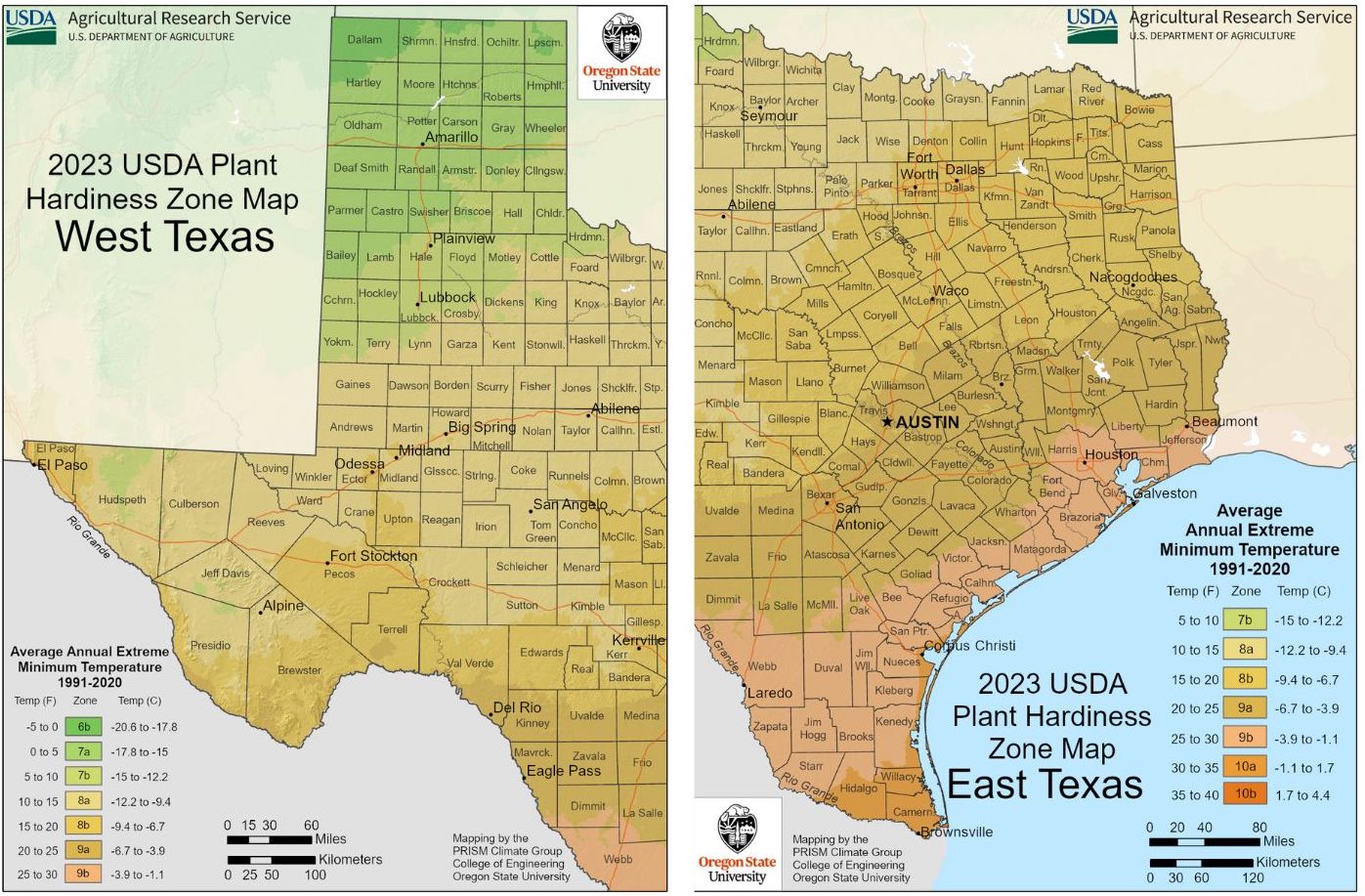
The USDA Plant Hardiness Zone Map divides North America into 11 distinct zones, each representing a 10°F (5.6°C) difference in average annual minimum winter temperature. These zones are essential for gardeners to determine which perennial plants are likely to survive the winter in a particular location. For Dallas, Texas, this means understanding its susceptibility to frost and freezing temperatures, which directly influences the types of flowers, shrubs, trees, and vegetables that can be successfully grown. This knowledge empowers gardeners to make informed choices, preventing the heartbreak of investing time and resources into plants that are doomed to fail due to the climate.
Beyond the practicalities of gardening, knowing Dallas’s plant zone also offers a unique lens through which to view the city’s overall environment and its attractions. It provides context for the types of trees that shade its parks, the flora that blooms in its botanical gardens, and the general feel of its natural landscapes. Whether you’re a seasoned horticulturist or a casual observer of nature, understanding this zoning system enriches your appreciation for the horticultural diversity that Dallas offers.
Understanding Dallas’s Climate and Its Horticultural Implications
Dallas, Texas, is situated within a climate characterized by hot summers and mild winters, though occasional cold snaps do occur. This climatic profile directly correlates to its designation within the USDA Plant Hardiness Zone system. Understanding the average minimum winter temperatures is key to deciphering what this means for plant survival. While the summers are undeniably scorching, it’s the winter lows that primarily define the hardiness zone.
Dallas’s Zone Designation: A Deeper Dive
The specific USDA Plant Hardiness Zone for Dallas, Texas, is Zone 8b. This designation signifies that the average annual minimum winter temperature in Dallas ranges from 15°F to 20°F (-9.4°C to -6.7°C). While this might seem relatively mild compared to much colder regions of the United States, it still presents a threshold that can impact plant survival.
Zone 8b is a transitional zone, meaning it experiences a fair amount of variability in winter conditions. While the average minimums are within this range, Dallas can, and sometimes does, experience temperatures dipping below 15°F, especially during severe cold fronts. This means that even plants labeled as hardy for Zone 8b should ideally be provided with some protection during unusually harsh winters. Conversely, the mildness of most winters allows for a surprisingly broad range of plants to thrive, including many that might be considered tender in more northern climates.
The implications of Zone 8b for Dallas residents and visitors are significant. It explains why certain tropical or subtropical plants might struggle to survive the winter outdoors without protection, while others with a slightly higher cold tolerance can flourish. For instance, citrus trees, which are often associated with warmer climates, can be grown in Dallas, but often require careful site selection and sometimes winter wrapping or moving to a sheltered location during the coldest nights. Similarly, certain ornamental grasses and perennials that are considered borderline in colder zones will find a reliable home in Dallas’s Zone 8b climate.
Influences on Plant Selection and Garden Design
The Zone 8b designation profoundly influences plant selection for both residential gardens and public landscapes across Dallas. When choosing perennial plants, gardeners in Dallas can confidently select species that are rated for Zone 8b or even Zone 7, as long as they are prepared for occasional colder dips. This opens up a vast array of choices, from vibrant flowering shrubs like Azaleas and Camellias to a wide variety of ornamental grasses and robust perennials such as Echinacea (Coneflower) and Hosta.
Furthermore, the hot summers characteristic of Dallas’s climate, while not the primary determinant of hardiness zones, play a crucial role in overall garden success. Plants must be heat-tolerant as well as cold-tolerant. This means selecting varieties that can withstand prolonged periods of high temperatures and humidity. Drought tolerance is also a significant consideration, especially in drier months, encouraging the use of native Texas plants or those adapted to arid conditions.
For those interested in urban exploration and discovering the city’s natural beauty, understanding Dallas’s plant zone provides an appreciation for the resilience and diversity of its flora. The city’s parks, such as Klyde Warren Park, which is built over a freeway, and the sprawling Dallas Arboretum and Botanical Garden, showcase a curated selection of plants that are well-suited to Zone 8b and the Texas climate. Observing the types of trees lining Katy Trail or the blooms in the Dallas Zoo‘s botanical displays can offer practical insights into what thrives locally. This knowledge can inspire visitors to experiment with similar plant choices in their own regions or simply to better appreciate the horticultural artistry on display.
Exploring Dallas’s Horticultural Landscape and Travel Experiences
The understanding of Dallas’s Plant Hardiness Zone 8b directly shapes the city’s vibrant horticultural landscape and offers unique avenues for exploration, particularly for those who appreciate nature and gardening. This knowledge enhances travel experiences, from leisurely strolls in manicured gardens to discovering the resilient beauty of urban green spaces.
Key Destinations for Plant Enthusiasts
For anyone visiting or living in Dallas, the Dallas Arboretum and Botanical Garden is an absolute must-see. Spanning 66 acres on the shores of White Rock Lake, this world-class garden showcases a stunning array of plant collections that are meticulously chosen to thrive in Zone 8b. Visitors can explore themed gardens, such as the Pecan Grove, the Rose Garden, and the unique Rory Meyers Children’s Adventure Garden, each offering a different perspective on what’s possible in this climate. The Arboretum’s seasonal festivals, like the Dallas Blooms in spring and Autumn at the Arboretum, highlight the diverse flowering plants and fall foliage that can be cultivated in this zone, providing a riot of color and a testament to the local horticultural potential.
Another significant green space is Klyde Warren Park, a 5.2-acre deck park built over the Woodall Rodgers Freeway. This innovative urban oasis features extensive landscaping, including trees, shrubs, and flower beds that are designed to withstand the Dallas climate. It’s a fantastic example of how urban development can integrate green infrastructure, offering residents and visitors a place to relax, dine, and enjoy nature amidst the bustling city. The choice of plants here is crucial for their ability to tolerate urban conditions, heat, and the specific microclimates created by the surrounding buildings.
For those interested in native Texas flora, a visit to a local nursery specializing in Texas-grown plants can be incredibly insightful. While not a specific tourist attraction in the same vein as the Arboretum, these establishments often serve as living showrooms of what can be successfully cultivated in Zone 8b. They can also provide valuable tips for visitors looking to bring a piece of Dallas’s botanical charm back home.
Adapting Plant Choices for the Dallas Climate
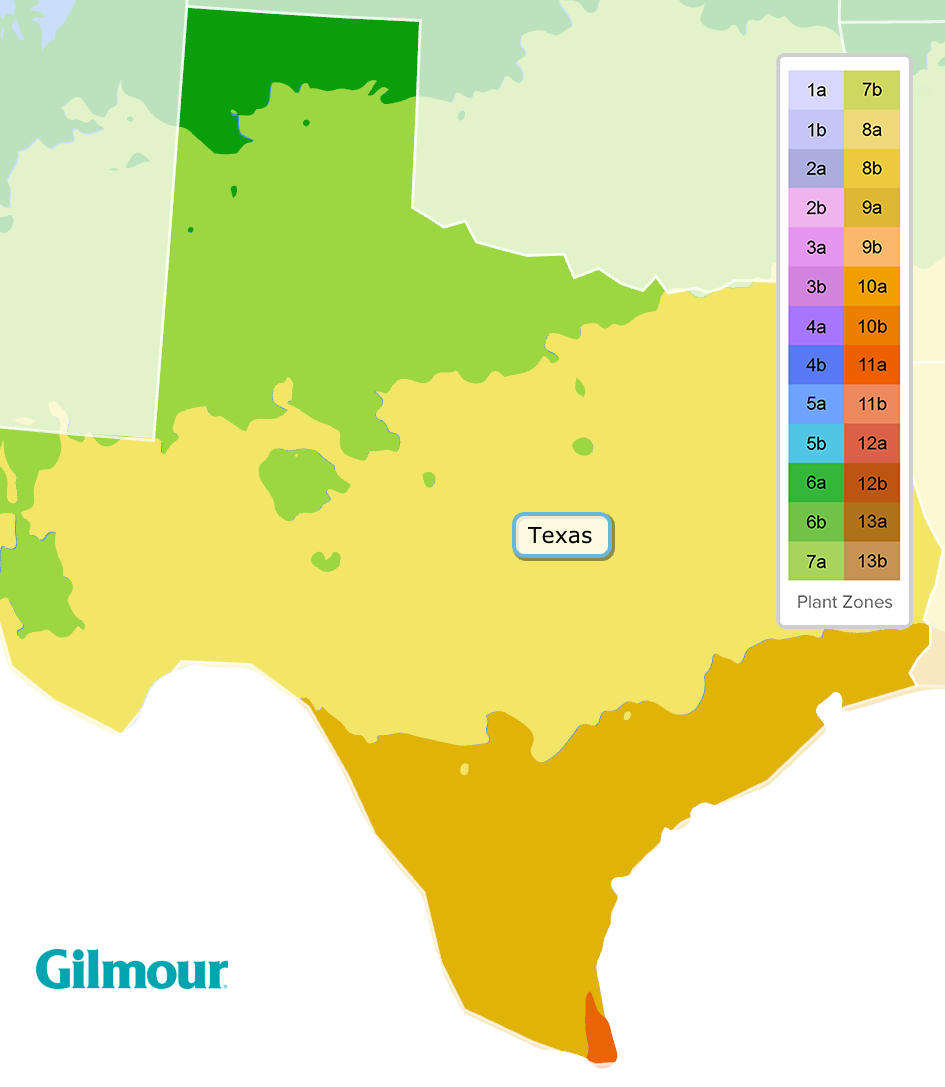
The Zone 8b designation, coupled with Dallas’s hot and humid summers and variable winters, means that successful gardening here often involves a blend of heat-tolerant and cold-hardy species. For locals and those seeking to replicate a Dallas-esque garden, understanding this balance is key.
Perennials that thrive in Zone 8b include a wide variety of options. Many species of Salvia, Coreopsis, Gaillardia (Blanket Flower), and Daylilies are well-suited to the heat and generally survive the mild winters. For shade gardens, Hostas and various ferns can flourish, provided they receive adequate moisture during the hot months.
When it comes to shrubs, Roses are famously grown in Dallas, with many varieties performing exceptionally well. Hydrangeas, although they appreciate some shade and consistent watering, can also be successful. For evergreen structure, Boxwoods and Indian Hawthorn are popular choices.
Trees play a vital role in the Dallas landscape, providing shade and structure. Native or well-adapted trees like Oak varieties (e.g., Live Oak), Pecan, and Cedar Elm are excellent choices. Many flowering trees, such as Crape Myrtles and Texas Redbud, also thrive, offering spectacular blooms in spring and summer.
For travelers, observing the landscaping around hotels like the The Adolphus, Autograph Collection or the luxurious Four Seasons Resort and Club Dallas at Las Colinas can offer subtle clues about what plants are favored and how they are integrated into a sophisticated urban or resort setting. These establishments often invest in high-quality landscaping that reflects the local climate and aesthetic. Even exploring neighborhoods known for their beautiful homes, such as Highland Park, can reveal inspiring garden designs and plant choices that are successful in Zone 8b.
Ultimately, Dallas’s Zone 8b designation offers a fertile ground for a diverse and beautiful array of plant life. Whether you’re a tourist admiring the city’s botanical displays or a resident planning your next planting project, understanding this fundamental aspect of its climate unlocks a deeper appreciation for the natural beauty that flourishes in this dynamic Texas metropolis.
Lifestyle and Travel: Embracing Dallas’s Green Heart
Beyond the scientific classification of plant zones, the green spaces and horticultural practices of Dallas significantly contribute to its lifestyle and travel appeal. The city’s embrace of its Zone 8b climate allows for a rich tapestry of outdoor activities, aesthetic enjoyment, and even culinary experiences rooted in local agriculture.
Experiencing Nature and Outdoor Activities
Dallas offers numerous opportunities to connect with nature, many of which are directly influenced by its plant hardiness zone. The prevalence of certain trees means ample shade for outdoor activities, making even the hottest summer days more bearable. Parks such as Bachman Lake Park and Cedar Ridge Preserve provide walking trails, picnic spots, and areas for bird watching, showcasing the resilience of local flora and fauna. The plant choices in these areas are designed to withstand the local climate, offering a glimpse into what thrives naturally.
For those interested in a more active lifestyle, the extensive network of trails, including the aforementioned Katy Trail, are perfect for cycling, jogging, and walking. The trees lining these paths provide a welcome canopy, and the undergrowth often features native plants that are adapted to the Dallas environment. These trails are not just recreational paths; they are living extensions of the city’s green infrastructure, demonstrating the successful integration of nature into an urban setting.
The Trinity River Corridor project is another significant initiative that aims to enhance the city’s green spaces and recreational opportunities along the river. This ambitious undertaking involves creating parks, trails, and ecological restoration areas, further enriching the experience of nature within Dallas. The plant species selected for these projects are carefully chosen for their suitability to the region’s climate and their ability to contribute to the ecological health of the area.
Culinary Delights and Local Produce
The influence of Dallas’s plant zone extends to its culinary scene. The relatively mild winters and hot summers support a variety of agricultural products, with Texas being a significant producer of certain crops. While Dallas itself is an urban center, it is surrounded by agricultural regions that supply its restaurants and farmers’ markets with fresh, local produce.
Farmers’ markets, such as the Dallas Farmers Market, are vibrant hubs where residents and visitors can sample and purchase goods grown in the surrounding areas. Here, you can find seasonal produce that reflects the growing conditions of Zone 8b. Think of summer bounty like tomatoes, corn, peppers, and melons, alongside fruits like peaches and berries. In the cooler months, root vegetables and leafy greens also feature prominently.
The emphasis on local sourcing in Dallas’s restaurant scene means that many chefs draw inspiration directly from what can be grown successfully in Texas. This farm-to-table movement not only supports local agriculture but also offers diners a taste of the region that is intrinsically linked to its climate and plant hardiness zone. From upscale dining establishments to casual eateries, the availability of fresh, seasonal ingredients is a hallmark of the Dallas food experience.
Lifestyle and Travel Recommendations
For travelers seeking to experience the best of Dallas, incorporating visits to its parks and gardens is highly recommended. Whether it’s a leisurely afternoon at the Dallas Arboretum and Botanical Garden, a bike ride along the Katy Trail, or a culinary exploration at the Dallas Farmers Market, these activities offer a unique perspective on the city’s lifestyle.
For those considering a longer stay or planning a business trip that allows for some leisure, exploring different neighborhoods can reveal diverse horticultural styles. From meticulously manicured lawns in areas like Preston Hollow to more naturalistic landscapes in larger estates, observing how plants are used in different contexts can be inspiring.
Ultimately, understanding that Dallas, Texas, is in Plant Zone 8b is more than just a technical detail; it’s a gateway to appreciating the city’s natural beauty, its thriving green spaces, and the lifestyle that blossoms from its unique climate. It encourages a deeper engagement with the environment, whether through gardening, outdoor recreation, or simply savoring the flavors of locally sourced food.