
Colorado, often celebrated for its breathtaking landscapes and vibrant cities, is unequivocally located in the Western United States. More specifically, it proudly stands as a cornerstone state within the Mountain West subregion, a designation that speaks volumes about its dominant geographical features and the lifestyle it fosters. This region is characterized by its dramatic mountain ranges, high plateaus, and a climate that offers distinct four-season experiences, making it a dream destination for travelers seeking both adventure and tranquility. From the snow-capped peaks of the Rocky Mountains to the sprawling urban centers that blend modern amenities with an adventurous spirit, Colorado encapsulates the very essence of the American West. Its unique position not only influences its geography but also shapes its rich culture, diverse attractions, and the myriad of experiences it offers to visitors from around the globe. Understanding Colorado’s regional context is key to unlocking the full potential of a visit, allowing travelers to immerse themselves in its distinctive blend of natural beauty, outdoor recreation, and urban sophistication.
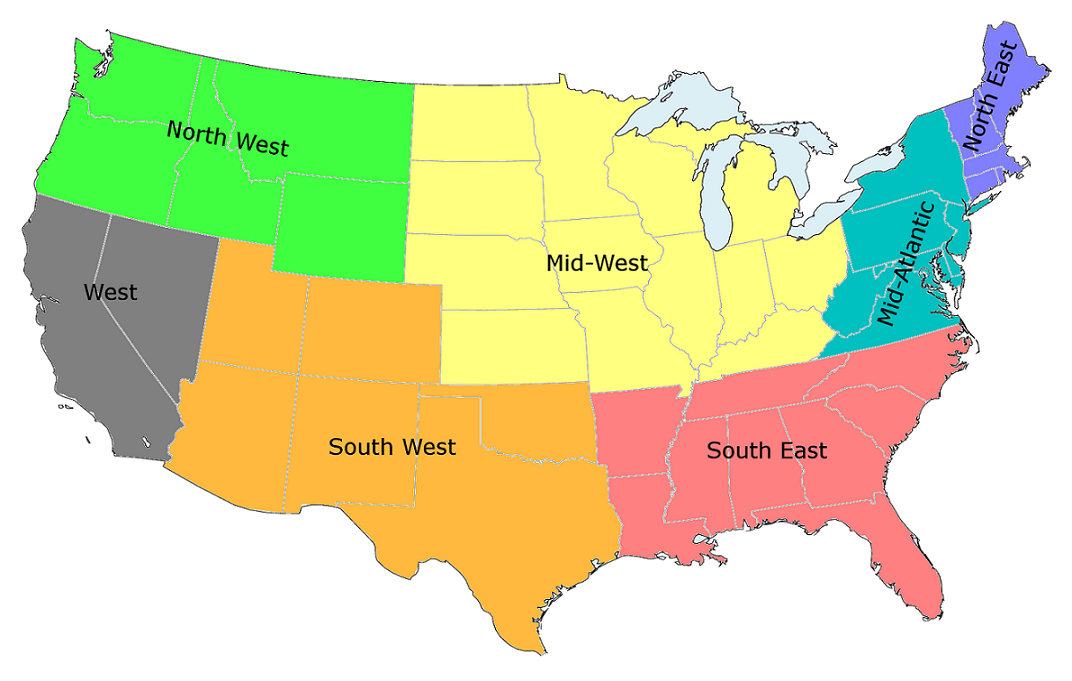
Colorado’s Geographical Identity: The Mountain West
The geographical identity of Colorado is inextricably linked to the broader Mountain West region of the United States. This region is not merely a cluster of states but a cohesive geological and cultural entity that profoundly influences the states within it. Characterized by its rugged terrain, arid and semi-arid climates, and the majestic presence of some of the nation’s highest peaks, the Mountain West offers a unique blend of natural wonders and human resilience.
Defining the Mountain West Region
The Mountain West is generally understood to include Colorado along with neighboring states such as Wyoming, Montana, Idaho, Utah, Nevada, Arizona, and New Mexico. While there can be slight variations in how geographers or cultural anthropologists define its exact boundaries, the common thread is the profound influence of the Rocky Mountains and associated ranges. This region is distinguished by its high elevations, vast open spaces, and relatively sparse populations compared to the coastal areas of the United States.
The climate across the Mountain West varies significantly with altitude and topography. Colorado, for instance, experiences everything from alpine tundra conditions in its highest peaks to semi-arid steppe climates on its eastern plains. This climatic diversity contributes to the rich biodiversity and the wide array of natural attractions that draw millions of tourists each year. The region’s history is also deeply intertwined with its geography, reflecting eras of indigenous habitation, westward expansion, mining booms, and the establishment of national parks aimed at preserving its unparalleled natural beauty.
For travelers, understanding the characteristics of the Mountain West is crucial for planning an enriching trip. It implies a landscape ripe for outdoor adventures, a culture that often values self-reliance and community, and a climate that demands preparedness for rapid changes, especially in mountainous areas. The infrastructure, while modern, is often built to harmonize with the natural environment, offering a sense of escape and communion with nature that is harder to find in more densely populated regions.
The Majestic Rocky Mountains
At the heart of Colorado’s identity, and indeed the Mountain West as a whole, are the Rocky Mountains. This monumental mountain range, stretching from Canada down to New Mexico, defines Colorado’s western two-fifths. Home to 58 peaks exceeding 14,000 feet in elevation, known locally as “Fourteeners,” the Rockies are an omnipresent force, shaping the state’s geology, climate, and ultimately, its tourism landscape.
The presence of the Rocky Mountains has a profound impact on Colorado’s climate. They act as a major barrier, creating distinct weather patterns on either side. The Continental Divide, a hydrological divide that separates river systems flowing to the Pacific Ocean from those flowing to the Atlantic Ocean, traverses the state, further emphasizing this geographical distinction. West of the divide, precipitation tends to be higher, feeding the dense forests and powering the world-class ski resorts. East of the divide, the terrain gradually flattens into the high plains, characterized by a drier, sunnier climate.
For travelers, the Rockies are more than just mountains; they are a playground and a source of awe. These iconic peaks are home to some of the most famous landmarks and attractions in the United States. Rocky Mountain National Park, for instance, offers unparalleled opportunities for hiking, wildlife viewing, and scenic drives along Trail Ridge Road, the highest continuous paved road in North America. The geology itself is a marvel, with ancient rock formations, glacial valleys, and a rich history of mining that has left an indelible mark on many of Colorado’s charming mountain towns. The sheer scale and beauty of the Rocky Mountains make them the primary draw for many visitors, defining the quintessential Colorado experience.

A Tapestry of Experiences: Tourism and Lifestyle in Colorado
Colorado’s regional identity as part of the Mountain West is not just about geography; it deeply influences the state’s tourism offerings and lifestyle. From adrenaline-pumping outdoor adventures to vibrant urban cultural scenes, Colorado presents a diverse tapestry of experiences for every type of traveler. The state perfectly encapsulates the allure of the wild West while embracing modern sophistication, making it a premier destination for those seeking a dynamic vacation.
Outdoor Adventures and Natural Landmarks
The very soul of Colorado lies in its unparalleled outdoor recreation opportunities, directly stemming from its mountainous terrain and abundant natural landmarks. For many, a trip to Colorado is synonymous with embracing the great outdoors.
During the winter months, Colorado transforms into a world-class skiing and snowboarding paradise. Legendary resorts like Aspen, Vail, Breckenridge, and Telluride attract millions with their extensive terrain, luxurious amenities, and vibrant aprés-ski scenes. These destinations are not just about the slopes; they offer an entire winter lifestyle experience, from upscale dining to cozy cabin accommodations.
When the snow melts, the mountains reveal a different kind of splendor, inviting hikers, bikers, and climbers to explore their trails and peaks. Rocky Mountain National Park remains a perennial favorite, offering thousands of miles of trails ranging from easy strolls to challenging alpine ascents. Beyond the national park, iconic natural landmarks like Garden of the Gods near Colorado Springs mesmerize visitors with their dramatic red rock formations, perfect for hiking, photography, and even rock climbing.

The state’s numerous rivers and lakes provide ample opportunities for whitewater rafting, kayaking, fishing, and paddleboarding. Mountain biking enthusiasts flock to areas like Moab (just across the border in Utah but deeply connected to the Colorado outdoor scene) and the countless trails around Durango and Boulder. This active lifestyle is deeply ingrained in the local culture, making it easy for visitors to find guides, rental equipment, and fellow adventurers. Whether it’s the thrill of scaling a “Fourteener” or the serene beauty of a mountain lake, Colorado’s natural landmarks provide an endless playground for outdoor enthusiasts.
Vibrant Cities and Cultural Hotspots
While Colorado is renowned for its natural beauty, its urban centers offer a compelling contrast, brimming with culture, history, and modern amenities. These cities serve as crucial hubs for tourism, providing gateways to outdoor adventures as well as rich experiences in their own right.
Denver, the state capital and largest city, is a dynamic metropolis that perfectly blends its Old West heritage with a contemporary, progressive vibe. It serves as a major entry point for many international and domestic travelers, offering a thriving arts scene, diverse culinary options, and a lively craft beer culture. Visitors can explore world-class institutions like the Denver Art Museum and the Denver Museum of Nature & Science, wander through historic neighborhoods, or enjoy live music at legendary venues like Red Rocks Amphitheatre just outside the city. Denver’s walkable downtown, with its Union Station and 16th Street Mall, provides a welcoming urban experience that contrasts beautifully with the rugged landscapes just a short drive away.
Colorado Springs, nestled at the base of Pikes Peak, offers a more relaxed pace while still boasting impressive attractions. Besides Garden of the Gods, visitors can take the scenic drive or cog railway up Pikes Peak for panoramic views. The city is also home to the United States Air Force Academy, an architectural marvel and an active military installation.
Boulder, a vibrant university town known for its outdoor-oriented lifestyle, progressive policies, and stunning Flatiron Mountain backdrop, offers a unique blend of intellectual vigor and adventurous spirit. Its Pearl Street Mall is a bustling pedestrian area filled with boutiques, restaurants, and street performers. Boulder is a mecca for health-conscious individuals and environmentalists, reflecting a lifestyle deeply connected to wellness and nature.
Beyond these major cities, smaller towns like Durango and Silverton in southwestern Colorado offer a glimpse into the state’s rich mining history, with the historic Durango and Silverton Narrow Gauge Railroad providing an unforgettable journey through breathtaking canyons. These towns provide a different cultural experience, steeped in frontier lore and a strong sense of community. The blend of modern urban centers with historic mountain towns creates a comprehensive cultural offering that caters to diverse tastes, making Colorado a compelling destination for both outdoor enthusiasts and culture seekers.
Planning Your Colorado Stay: Accommodation and Travel Tips
Embarking on a journey to Colorado promises an unforgettable experience, but thoughtful planning, especially regarding accommodation and essential travel considerations, is key to maximizing your adventure. The state offers a spectrum of lodging options to suit every preference and budget, complemented by crucial advice for navigating its unique environment.
Diverse Accommodation Options
Colorado’s tourism infrastructure has evolved to offer a wide array of accommodation choices, reflecting its diverse appeal as a travel destination. Whether you’re seeking opulent luxury, a cozy base for outdoor exploration, or an affordable option, Colorado has it all.
For those dreaming of a lavish getaway, Colorado is home to some of the most prestigious luxury resorts and hotels in the United States. Iconic establishments like the St. Regis Aspen Resort in the heart of Aspen offer unparalleled service, exquisite dining, and direct access to world-class skiing. Similarly, The Broadmoor in Colorado Springs stands as a beacon of historic elegance, offering championship golf courses, a spa, and myriad recreational activities amidst stunning mountain backdrops. These resorts often feature suites, villas, and a wide range of amenities designed for a luxurious and pampering experience, perfect for special occasions or a high-end lifestyle trip.
Boutique hotels are increasingly popular, especially in cities like Denver and Boulder. These unique properties offer personalized service, distinctive decor, and often highlight local culture and art, providing a more intimate and authentic stay. Many are housed in beautifully restored historic buildings, blending charm with modern comforts.
For families or groups, as well as those planning longer stays, vacation rentals, apartments, and private cabins are excellent choices. Platforms specializing in accommodation booking offer numerous options ranging from rustic mountain cabins nestled near Rocky Mountain National Park to modern city apartments in Denver. These options often provide more space, privacy, and the convenience of kitchen facilities, making them ideal for budget-conscious travelers or those who prefer a home-away-from-home experience. When booking, it’s always advisable to check reviews and compare options to ensure they meet your specific needs.
Budget-friendly options are also abundant. Many cities and towns offer standard hotels and motels, while hostels in popular areas like Denver and Boulder cater to backpackers and solo travelers. For the ultimate connection with nature, especially during warmer months, Colorado’s numerous state parks and national forests provide excellent camping facilities, from primitive backcountry sites to developed campgrounds with amenities. This variety ensures that every traveler can find suitable accommodation, whether their lifestyle leans towards luxury or budget-conscious adventure.
Essential Travel Considerations
To ensure a smooth and enjoyable trip to Colorado, several key travel considerations should be kept in mind. Its unique geography and climate present specific opportunities and challenges.
Firstly, the best time to visit largely depends on your desired activities. Winter, from December to March, is prime for skiing and snowboarding. Spring (April-May) offers shoulder season deals and blooming wildflowers, though mountain passes may still be closed. Summer (June-August) is ideal for hiking, biking, rafting, and exploring national parks, but it’s also the busiest and most expensive season. Fall (September-October) brings stunning aspen foliage and pleasant temperatures, perfect for scenic drives and fewer crowds.
Secondly, altitude sickness is a significant concern for many visitors, especially those arriving from sea level. Cities like Denver are at an elevation of about a mile high, and mountain towns are significantly higher. Symptoms can include headaches, nausea, and fatigue. To mitigate this, stay hydrated, avoid alcohol and strenuous activity on your first day, and consider gradually ascending to higher elevations. Consulting a doctor before your trip is advisable if you have pre-existing health conditions.
Transportation within Colorado is often best handled with a rental car, especially if you plan to explore the mountains and remote areas. Major cities like Denver have public transport, but for scenic drives and accessing trailheads, a personal vehicle offers flexibility. Be aware of mountain driving conditions, especially in winter, and consider a 4×4 vehicle if heading off paved roads. Always check road conditions, especially for high passes like Trail Ridge Road in Rocky Mountain National Park, which close seasonally.
Finally, packing essentials should account for Colorado’s variable weather. Layers are key, as temperatures can fluctuate dramatically even within a single day. Sunscreen, hats, and sunglasses are vital due to the high elevation and intense sun. Sturdy hiking shoes, a refillable water bottle, and a camera to capture the stunning landscapes are also highly recommended. For winter visits, waterproof outerwear, gloves, and warm hats are indispensable. By addressing these travel tips and considerations, visitors can ensure their Colorado adventure is safe, comfortable, and truly unforgettable.
In conclusion, Colorado’s definitive placement in the Mountain West region of the Western United States profoundly shapes its identity as a world-class travel destination. From the imposing grandeur of the Rocky Mountains to the vibrant cultural pulse of its cities, and the endless array of outdoor adventures, Colorado offers a compelling blend of natural beauty, recreational opportunities, and rich cultural experiences. Whether you seek the thrill of a ski resort, the serenity of a mountain trail, the culinary delights of Denver, or the historical charm of its old mining towns, Colorado promises a journey filled with discovery. With diverse accommodation options and practical travel advice, planning your visit to this remarkable region ensures an immersive and memorable exploration of its unique character and boundless appeal.
LifeOutOfTheBox is a participant in the Amazon Services LLC Associates Program, an affiliate advertising program designed to provide a means for sites to earn advertising fees by advertising and linking to Amazon.com. Amazon, the Amazon logo, AmazonSupply, and the AmazonSupply logo are trademarks of Amazon.com, Inc. or its affiliates. As an Amazon Associate we earn affiliate commissions from qualifying purchases.