
When visitors, whether first-timers or seasoned travelers, ponder the geographical placement of a truly iconic global metropolis, one question often arises: “What region is New York City in?” While it might seem like a straightforward query, the answer delves into layers of geography, administration, and cultural identity. New York City, a sprawling urban landscape that captivates millions annually, is not confined to a single, easily definable region in the same way a small town might be. Instead, its identity is interwoven with several larger geographical and political entities, each contributing to its unique character and significance.
To truly understand where New York City “is,” we must look beyond its immediate five boroughs and consider its position within the broader context of its state, its region, and even its role on the world stage. This exploration will not only clarify its geographical standing but also illuminate the diverse influences that shape the experiences of those who travel to, live in, and dream of visiting this unparalleled destination.
Understanding the Layers of New York City’s Location
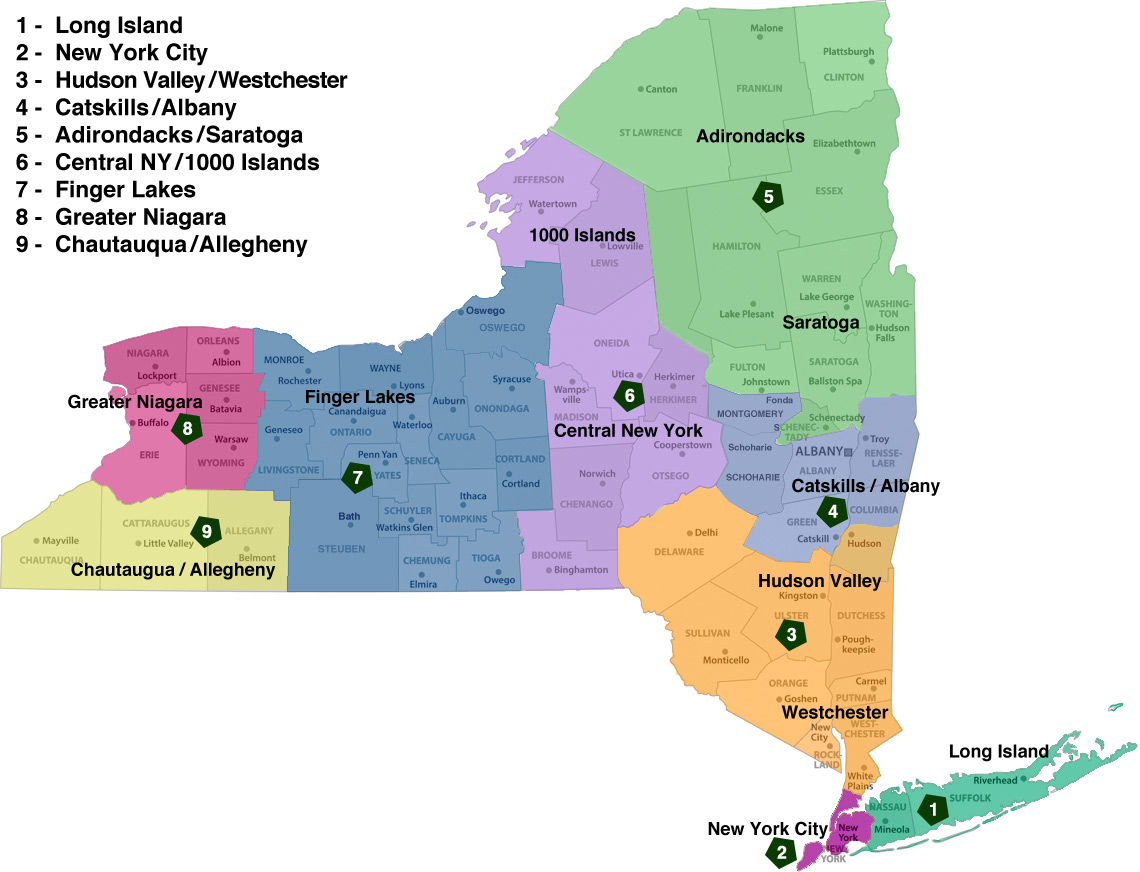
At its most fundamental level, New York City resides within the State of New York. This vast state, stretching from the Atlantic coast to the Great Lakes, encompasses a diverse array of landscapes, from the Adirondack Mountains to the Finger Lakes. However, when people ask about the “region” of New York City, they are often thinking of something more specific than just the state.
The Metropolitan Area: A Hub of Activity
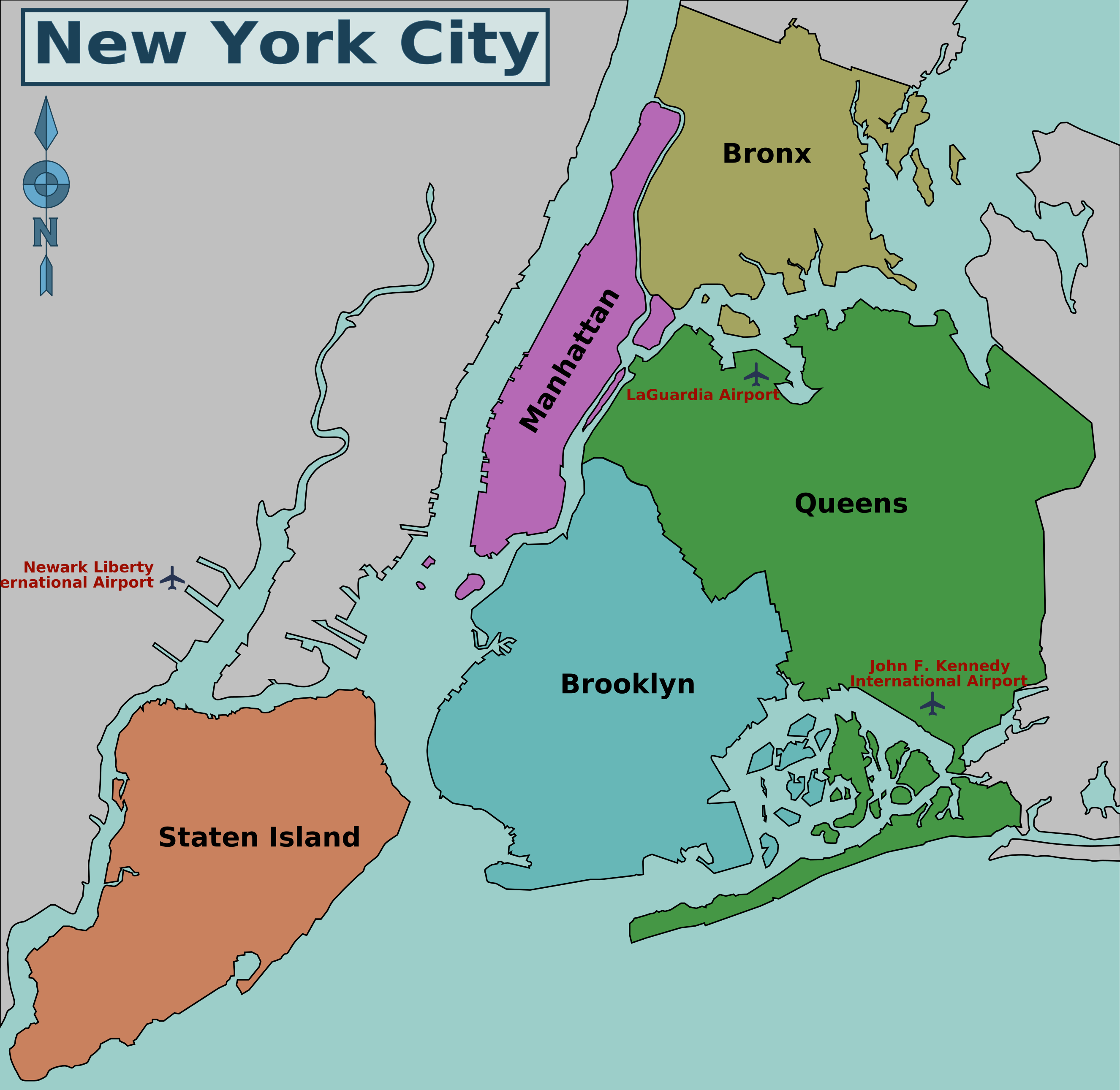
The most commonly understood “region” associated with New York City is its metropolitan area. This encompasses not just the city itself – comprising the boroughs of Manhattan, Brooklyn, Queens, the Bronx, and Staten Island – but also surrounding counties and even parts of neighboring states. The New York metropolitan area, also known as the New York-Northern New Jersey-Long Island metropolitan statistical area, is a colossal economic, cultural, and demographic powerhouse.
This sprawling region is home to over 20 million people, making it one of the most populous metropolitan areas in the world. Its influence extends far beyond its immediate borders, impacting national and international trends in finance, fashion, arts, and media. When discussing travel to New York City, understanding this broader metropolitan context is crucial, as many visitors will interact with areas just outside the official city limits, perhaps staying in hotels in New Jersey or visiting attractions in Long Island.
The Northeastern United States: A Geopolitical Anchor
On a larger scale, New York City is firmly situated within the Northeastern United States. This region is characterized by its historical significance, dense population, and robust economic activity. It includes other major cities like Boston, Philadelphia, and Washington, D.C., forming a corridor of intense development and cultural exchange.
The Northeast is often further divided into sub-regions, with New York City being a prominent anchor in the Mid-Atlantic portion of the Northeast. This sub-region shares characteristics that distinguish it from, say, New England to its north. The Mid-Atlantic, with its history as a nexus of trade and industry, has profoundly shaped New York City’s identity as a global gateway.
Geographical Features and Influences
The physical geography of New York City also plays a significant role in defining its regional context. The city is strategically located on the Atlantic coast of North America, at the mouth of the Hudson River. This advantageous position has historically been instrumental in its development as a major port and trading hub.
The Atlantic Coastal Plain and the Hudson Valley
Geologically, New York City sits primarily on the Atlantic Coastal Plain, a relatively flat and low-lying area that extends along the eastern seaboard of the United States. However, its proximity to the Appalachian Mountains to its west and the influence of the Hudson River Valley to its north also contribute to its unique environmental setting. The Hudson River, a tidal estuary, is a critical geographical feature, providing a vital waterway that has connected the city to the interior of the continent for centuries.
The Port of New York and New Jersey: A Lifeline
The presence of the Port of New York and New Jersey is a testament to the city’s strategic location. This complex of piers and terminals is one of the busiest ports in the world, facilitating the movement of goods and people. This maritime connection reinforces New York City’s role as a global hub, deeply integrated into international trade routes and travel networks. When planning a trip, understanding the accessibility of the port and its surrounding infrastructure can be an important consideration for logistics and travel experiences.
Beyond Geography: Cultural and Economic Regions
While geographical markers provide a foundational understanding, New York City also defines itself and is defined by broader cultural and economic regions. Its status as a global financial capital, an artistic epicenter, and a melting pot of cultures creates a unique regional identity that transcends simple geographical boundaries.
The Global Financial Hub
New York City is unequivocally the financial capital of the United States and one of the most important in the world. Areas like Wall Street are synonymous with global finance, attracting businesses and talent from across the globe. This economic dominance shapes not only the city’s infrastructure and development but also its influence on national and international markets. Hotels in the Financial District, such as the Conrad New York Downtown, cater to this professional demographic, offering amenities suited for business travel.
A Melting Pot of Cultures
Culturally, New York City is a region unto itself, a vibrant tapestry woven from threads of countless nationalities and ethnicities. The city’s diverse neighborhoods, from Chinatown and Little Italy to Harlem and Jackson Heights, each offer distinct cultural experiences, culinary delights, and unique attractions. This cultural richness is a major draw for tourists, who come to explore the local culture, sample diverse foods, and immerse themselves in the city’s dynamic atmosphere. The sheer variety of experiences, from world-class museums like the Metropolitan Museum of Art to intimate jazz clubs in Greenwich Village, reflects this expansive cultural region.

Tourism and Lifestyle Appeal
From a travel and tourism perspective, New York City is a premier destination. Its iconic landmarks, such as the Empire State Building, Times Square, and Central Park, are recognized worldwide. The city offers a vast array of attractions, from historical sites and architectural marvels to bustling markets and serene natural escapes within its parks. The abundance of hotels, ranging from luxury resorts like the Plaza Hotel to budget-friendly apartments, ensures accommodation options for every traveler. Whether one is seeking a luxurious lifestyle experience or a budget-conscious adventure, New York City provides an unparalleled range of options, making it a destination that caters to diverse travel preferences and interests. The emphasis on unique experiences, from Broadway shows to food tours of Queens, solidifies its position as a top-tier global tourist destination.
In conclusion, to answer the question “What region is New York City in?” requires looking at multiple dimensions. Geographically, it’s in the State of New York, the Northeastern United States, and specifically the Mid-Atlantic region, defined by its coastal location and proximity to the Hudson River. Economically and culturally, it operates as a global hub and a unique, diverse region that attracts millions. For travelers, understanding these layers helps in navigating the city, appreciating its multifaceted identity, and making the most of the incredible experiences it offers. Whether one is booking a suite in a luxury hotel or exploring historical landmarks, New York City’s regional identity is a crucial element of its enduring appeal.