
Texas, often referred to as the “Lone Star State,” is a land of immense geographical, cultural, and economic diversity, making its regional classification a fascinating topic for geographers, historians, and, most importantly, travelers. While most broadly placed within the Southwestern United States, Texas also shares significant characteristics with the South-Central United States, creating a unique blend that defies easy categorization. Its sheer size means that within its vast borders, distinct internal sub-regions emerge, each offering a unique array of attractions, lifestyles, and accommodation options for the discerning visitor.
Texas’s Geographical Tapestry: A Multifaceted Regional Identity
Understanding Texas’s regional identity is key to appreciating its rich tapestry of landscapes, cultures, and experiences. For those planning a trip, recognizing these distinctions helps in tailoring an itinerary that truly captures the essence of the desired Texan adventure, whether it’s a rugged outdoor escapade, a vibrant city break, or a tranquil retreat.
Bridging the Southwest and South-Central United States
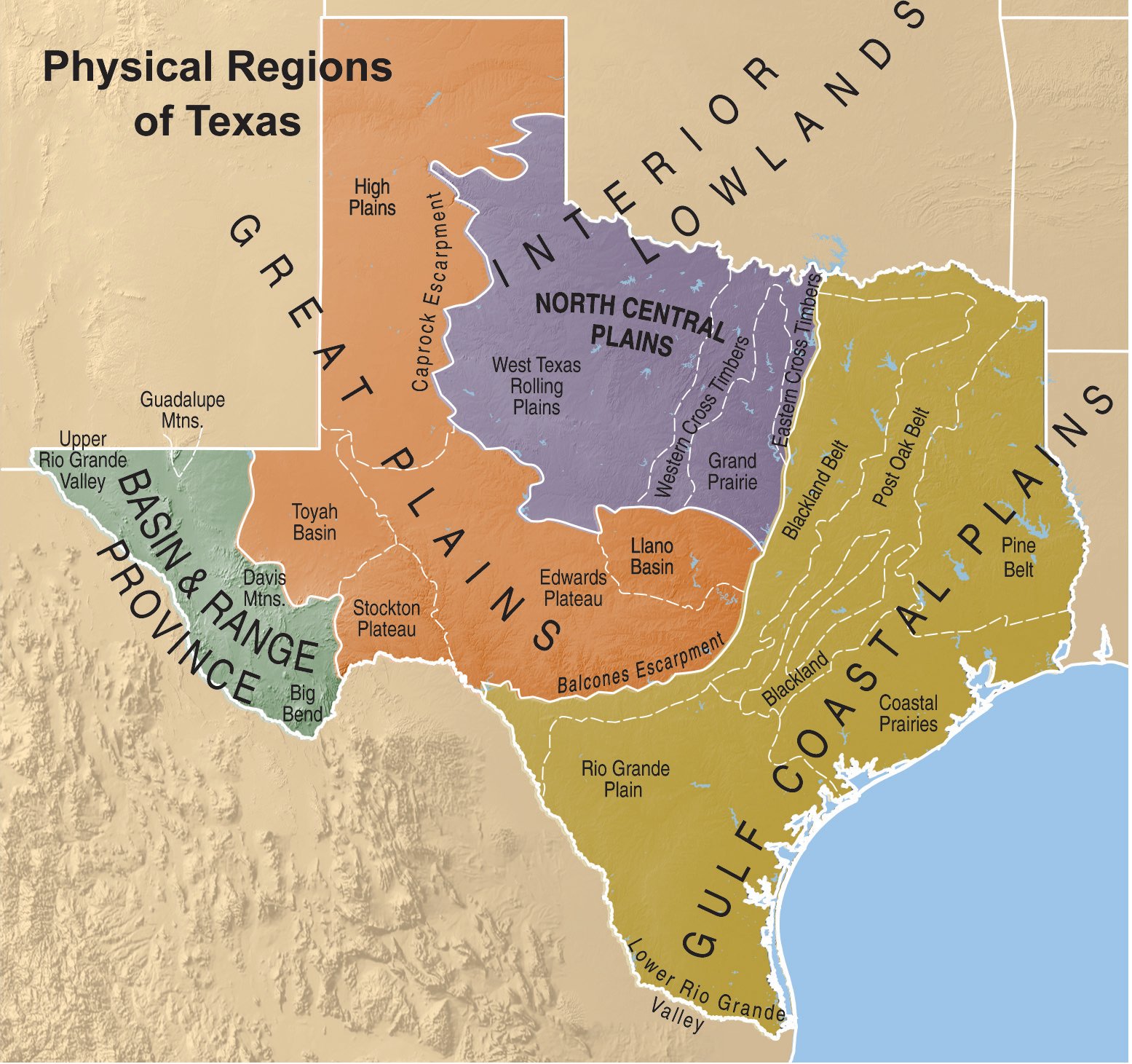
Conventionally, Texas is most frequently classified as part of the Southwestern United States. This designation stems from its shared desert landscapes, arid climate, and significant historical and cultural ties to Mexico. Cities like El Paso, with its strong Hispanic heritage and proximity to the Chihuahuan Desert, perfectly embody this Southwestern identity. The iconic chili peppers, adobe architecture, and Tex-Mex cuisine found throughout the state are enduring symbols of this regional affiliation.
However, the eastern parts of Texas lean heavily into the South-Central United States classification, exhibiting characteristics more akin to the Deep South. Here, you’ll find lush pine forests, humid climates, and a cultural legacy deeply rooted in Southern traditions, including antebellum architecture, a slower pace of life, and hospitality reminiscent of Louisiana and Mississippi. This dual identity makes Texas a unique crossroads, a place where cowboy culture meets Southern charm, where desert ruggedness blends with coastal plains, offering an unparalleled travel experience.
Unveiling Texas’s Distinct Internal Sub-Regions
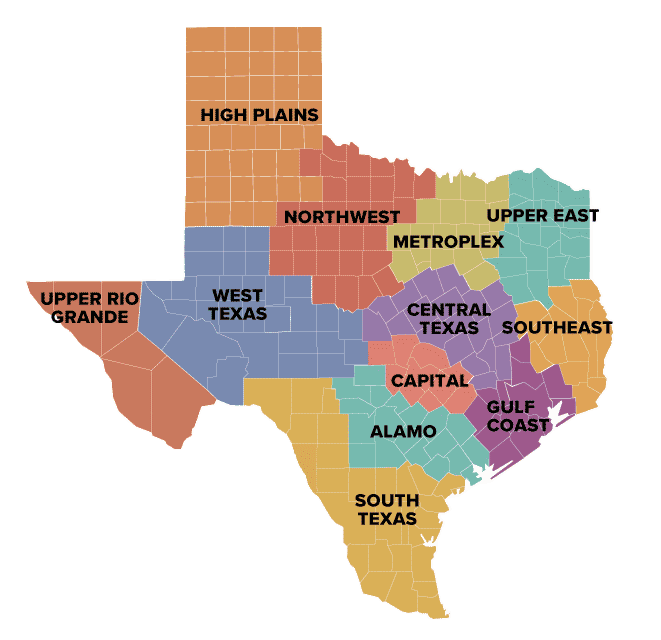
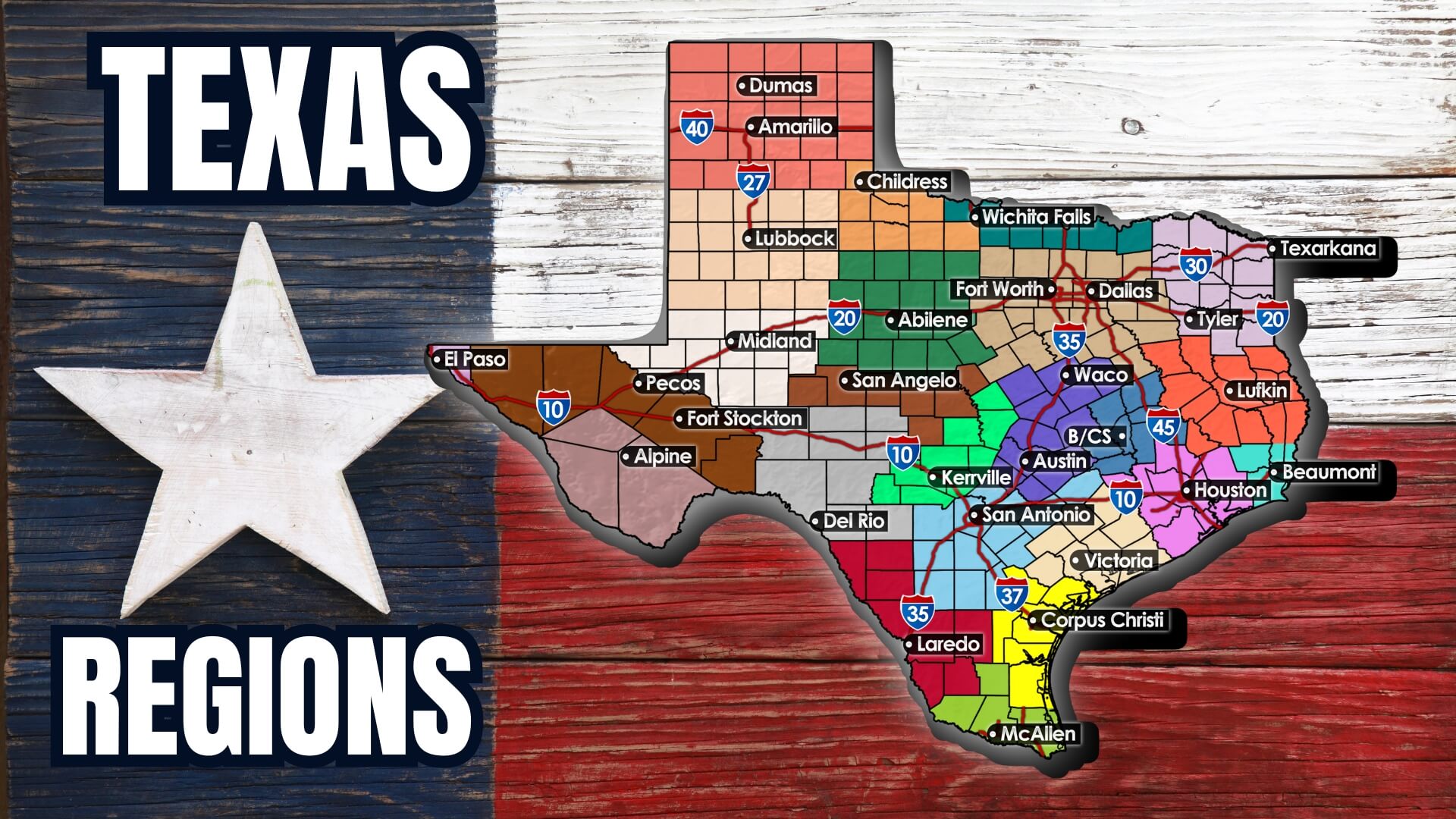
Beyond these broad classifications, Texas’s enormous expanse gives rise to several distinct internal sub-regions, each with its own character, landmarks, and appeal for travelers. From metropolitan hubs to remote wilderness, each area presents a different facet of the Lone Star State.
-
East Texas: The Piney Woods and Southern Comfort
This region, bordering Louisiana and Arkansas, is dominated by the dense Piney Woods — a stark contrast to the typical desert image of Texas. Travelers here will discover picturesque lakes such as Lake Sam Rayburn and Toledo Bend Reservoir, offering excellent fishing, boating, and camping opportunities. The cities, like Tyler and Nacogdoches, exude Southern hospitality with their historic downtowns, antique shops, and rose gardens. Houston, while often considered a region unto itself due to its immense size and global influence, is geographically situated in East Texas. It stands as a vibrant hub for culture, cuisine, and space exploration, home to the NASA Johnson Space Center and an impressive array of world-class museums in its Museum District. Accommodation ranges from luxury high-rise hotels like the Post Oak Hotel at Uptown Houston to cozy bed and breakfasts perfect for a relaxed lifestyle retreat. -
Central Texas: Hill Country Charm and Live Music Capital
Arguably one of the most picturesque regions, Central Texas is synonymous with the rolling hills and spring-fed rivers of the Texas Hill Country. This area boasts a unique blend of German heritage, particularly evident in towns like Fredericksburg, known for its wineries and peach orchards, and a vibrant arts and music scene centered in the state capital, Austin. Austin, often dubbed the “Live Music Capital of the World,” offers a distinct lifestyle focused on outdoor activities, live entertainment, and a renowned culinary scene. Landmarks include the Texas State Capitol and numerous natural swimming holes like Barton Springs Pool. Accommodation varies from chic boutique hotels such as Hotel San José and luxury options like the Four Seasons Hotel Austin to rustic cabins and charming vacation rentals nestled in the hills, ideal for family trips or romantic getaways. -
North Texas: The Metroplex and Cowboy Heritage
North Texas is dominated by the sprawling Dallas-Fort Worth Metroplex, an economic powerhouse and a major travel hub. Dallas presents a modern, sophisticated urban experience with world-class shopping, dining, and a thriving arts district. It’s home to the Dallas Arts District, the Sixth Floor Museum at Dealey Plaza, and a skyline dotted with architectural marvels. Fort Worth, in contrast, embraces its “Cowtown” heritage, offering a glimpse into the Old West with the historic Fort Worth Stockyards National Historic District, daily cattle drives, and authentic rodeos. The region caters heavily to business stays and luxury travel, with hotels like the Ritz-Carlton, Dallas and the Hotel Drover, Autograph Collection providing premium accommodation and amenities. -
South Texas: Coastal Beauty and Tejano Culture
Stretching from San Antonio down to the Rio Grande Valley and along the Gulf Coast, South Texas is rich in Tejano culture, blending Mexican and Texan influences seamlessly. San Antonio is a crown jewel, famous for the iconic Alamo and the enchanting River Walk, a network of pedestrian pathways lined with shops, restaurants, and historical sites. Along the Gulf Coast, destinations like Corpus Christi and South Padre Island offer pristine beaches, water sports, and abundant opportunities for birdwatching. This region is perfect for family trips and those seeking sun and cultural immersion. Accommodation includes family-friendly resorts like the JW Marriott San Antonio Hill Country Resort & Spa and beachfront villas ideal for longer stays. -
West Texas: Deserts, Mountains, and Mystique
The vast and sparsely populated West Texas region, particularly the Trans-Pecos area, is a realm of dramatic desert landscapes, rugged mountains, and profound solitude. It’s home to some of the state’s most awe-inspiring natural landmarks, including Big Bend National Park and Guadalupe Mountains National Park, offering unparalleled hiking, stargazing, and wilderness experiences. The artistic enclave of Marfa attracts visitors with its contemporary art installations and enigmatic “Marfa Lights.” This region appeals to adventure travelers and those seeking off-the-beaten-path experiences. Accommodation often involves rustic lodges, unique glamping sites, and charming small-town hotels that offer a deep connection to the Texan wilderness. -
Panhandle Plains: Great Plains and Cowboy Grit
The northernmost part of Texas, the Panhandle Plains, is characterized by its flat, expansive Great Plains topography, large cattle ranches, and a strong agricultural identity. Amarillo serves as the region’s largest city, famous for its Cadillac Ranch art installation and its position along the historic Route 66. Visitors can explore the magnificent Palo Duro Canyon State Park, often called the “Grand Canyon of Texas,” offering stunning views and outdoor activities. This region provides an authentic glimpse into cowboy culture and ranching life, with accommodation typically featuring comfortable hotels, motels, and guest ranches that offer unique experiences.
Beyond Borders: Exploring Texas Through Travel, Tourism, and Lifestyle
Texas’s diverse regional identity translates directly into an extraordinary range of travel and tourism experiences. Whether you’re an avid adventurer, a history buff, a culinary enthusiast, or simply seeking relaxation, the Lone Star State has a destination and lifestyle to match.
Iconic Landmarks and Rich Historical Narratives
Texas is dotted with landmarks that tell compelling stories of its storied past and natural grandeur. The Alamo in San Antonio is an indelible symbol of Texan independence, drawing millions each year. Also in San Antonio, the entire San Antonio Missions National Historical Park, a UNESCO World Heritage Site, offers a profound look into the Spanish colonial era. In Houston, the NASA Johnson Space Center takes visitors on an inspiring journey through space exploration, a testament to modern human endeavor. Dallas’s Sixth Floor Museum at Dealey Plaza provides a solemn reflection on a pivotal moment in American history. For nature lovers, Big Bend National Park in West Texas is a vast wilderness of mountains, desert, and river canyons, offering unparalleled hiking, rafting, and stargazing. These landmarks are not just points on a map; they are gateways to understanding the unique spirit and journey of Texas.
A Culinary and Cultural Kaleidoscope
The regional diversity of Texas is perhaps most deliciously evident in its food and cultural offerings. Tex-Mex cuisine, a fusion of Mexican and American flavors, is a staple across the state, with each region boasting its own subtle variations. Texas BBQ is legendary, with distinct styles ranging from the smoked brisket of Central Texas to the saucier ribs of East Texas. The vibrant music scene in Austin, from country to blues to rock, provides an electrifying backdrop to any visit. Rodeos and Western heritage festivals across North Texas and the Panhandle Plains offer an authentic cowboy experience. In Fredericksburg and other Hill Country towns, German heritage is celebrated through festivals, polka music, and delicious German pastries and beers. From fine dining in Dallas to Gulf Coast seafood in Corpus Christi, the culinary journey through Texas is as varied and expansive as its landscape.
Diverse Accommodations for Every Traveler
The extensive and varied travel experiences in Texas are matched by an equally diverse range of accommodation options, ensuring that every type of traveler, from those on a luxury trip to budget-conscious families, finds their ideal stay. In major metropolitan areas like Dallas, Houston, and Austin, travelers can choose from a plethora of luxury hotels and boutique hotels. Examples include the opulent Hotel ZaZa Dallas or the design-forward South Congress Hotel in Austin, offering world-class amenities, gourmet dining, and spa services perfect for a refined lifestyle.
For those seeking a resort experience, Texas boasts numerous resorts that cater to leisure and relaxation. The Hyatt Regency Hill Country Resort and Spa near San Antonio offers golf, water parks, and serene natural settings. Families often opt for apartments or villas found on booking platforms, providing more space and flexibility, especially for longer stays in popular tourist destinations like South Padre Island or Galveston.
Budget travel options are readily available across the state, from well-known motel chains to charming independently owned accommodations in smaller towns. For adventure seekers heading to Big Bend National Park or Palo Duro Canyon, camping and rustic cabins offer an immersive natural experience. Furthermore, the burgeoning popularity of unique stays includes everything from glamping tents in the Hill Country to renovated historic homes in Galveston’s East End Historic District. When considering accommodation, reading reviews and utilizing comparison tools online can significantly enhance the booking process, ensuring that visitors find the perfect match for their travel style and budget.
Planning Your Texas Journey: Tips for an Unforgettable Experience
Navigating Texas’s vast landscape and choosing from its wealth of attractions can be an exciting challenge. Thoughtful planning can transform a good trip into an unforgettable journey.
Navigating the Lone Star State: Practical Travel Insights
Given its sheer size, transportation is a key consideration for any Texas itinerary. The state is served by major international airports such as Dallas/Fort Worth International Airport (DFW), George Bush Intercontinental Airport (IAH) in Houston, and Austin-Bergstrom International Airport (AUS), connecting travelers from around the globe. While intra-state flights are an option for covering long distances quickly, renting a car is almost essential for truly exploring the diverse regions at your own pace. The open roads of Texas offer scenic drives, especially through the Hill Country or West Texas.
The best time to visit Texas largely depends on the region and planned activities. Spring (March to May) and Fall (September to November) generally offer pleasant weather across most of the state, ideal for outdoor exploration, festivals, and sightseeing. Summers can be intensely hot, particularly in West Texas and South Texas, though coastal areas benefit from sea breezes, and water activities provide relief. Winters are generally mild, especially in the southern parts, making them suitable for escaping colder climates.
Crafting Your Ideal Texas Adventure
To make the most of your Texas tourism experience, consider what kind of lifestyle journey you envision. For those interested in luxury travel, focusing on cities like Dallas or Houston with their five-star hotels, high-end shopping, and fine dining will be rewarding. A budget travel approach might involve exploring state parks, utilizing more affordable accommodations, and enjoying local eateries known for their value.
Family trips can find endless entertainment, from the theme parks in San Antonio (like Six Flags Fiesta Texas and SeaWorld San Antonio) to the beaches of Galveston and the wildlife viewing opportunities along the coast. For business stays, major cities offer excellent conference facilities, corporate hotels, and convenient access to business districts. Meanwhile, a romantic getaway could be spent wine tasting in the Hill Country, enjoying a spa resort in San Antonio, or stargazing in Big Bend.
Utilizing travel guides, online resources for booking, and reading reviews from previous visitors can significantly aid in tailoring an experience that aligns perfectly with your interests and budget. Whether you’re drawn to the historical landmarks, the vibrant local culture, or the diverse natural attractions, Texas promises a wealth of experiences waiting to be discovered.
In conclusion, Texas is far more than a single region; it is a grand mosaic of distinct geographical and cultural identities. From its classification as both Southwestern and South-Central to its unique internal sub-regions, the state offers an unparalleled spectrum of travel destinations, accommodation options, and lifestyle experiences. Its diverse regions beckon travelers to explore historic landmarks, indulge in a rich culinary scene, immerse themselves in local culture, and find their perfect retreat, whether it’s a luxury escape or an adventurous budget expedition. The Lone Star State truly lives up to its immense reputation, promising a journey as vast and varied as the land itself.