
The question of “What Region Is Texas In?” delves into more than just geographical coordinates; it unlocks a diverse tapestry of landscapes, cultures, and experiences that position the Lone Star State as a unique and compelling destination within the United States. Geographically, Texas is overwhelmingly considered part of the South Central region of the United States, a classification that reflects its intricate blend of Southern, Southwestern, and even Great Plains influences. Its immense size and strategic location, bordering Mexico to the south and four other U.S. states (Louisiana, Arkansas, Oklahoma, and New Mexico) to its east, north, and west, means that defining its region isn’t a simple matter. Instead, it’s an invitation to explore the multi-faceted identity of this vast state. From the humid, pine-laden forests of East Texas to the arid deserts and majestic mountains of West Texas, and from the vibrant coastal plains along the Gulf of Mexico to the rolling hills and urban metropolises of its heartland, Texas offers a microcosm of North America’s diverse geography. This regional ambiguity is precisely what makes Texas an endlessly fascinating travel destination, where every turn presents a new landscape, a distinct cultural flavor, and an unforgettable adventure.
The Geographical Heart of Texas: South Central United States
At its core, Texas firmly anchors the South Central region of the United States. This classification highlights its transitional nature, bridging the Deep South with the American Southwest and extending northward towards the Great Plains. This unique position has profoundly shaped its environment, history, and cultural identity, making it a rich tapestry for travelers seeking diverse experiences. The sheer scale of the state, second only to Alaska in land area, means that any single regional definition can only scratch the surface of its internal diversity.
A Nexus of Diverse Landscapes
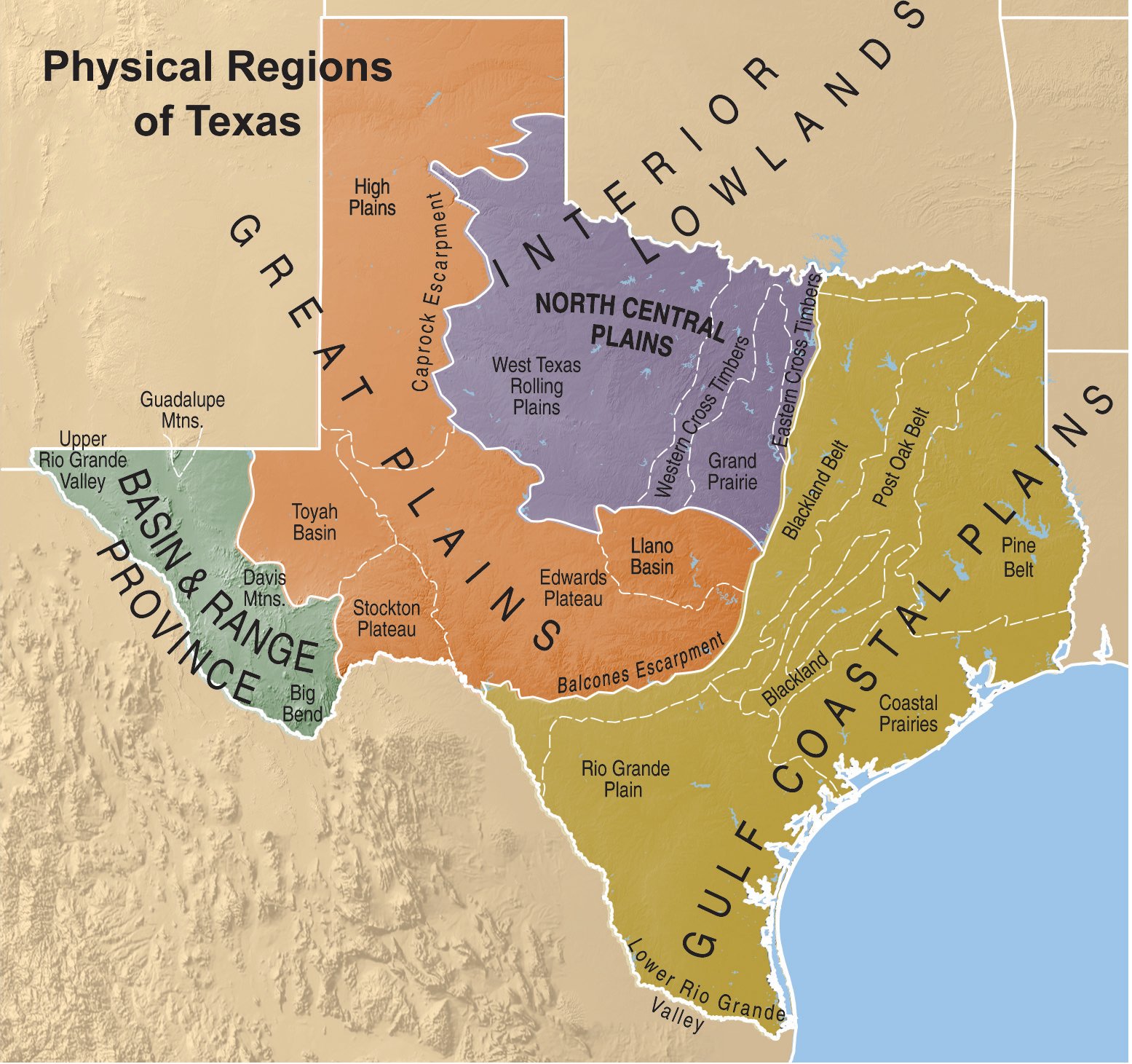
The South Central designation for Texas reflects a synthesis of ecological zones. To the east, the state shares characteristics with the American South, featuring dense forests, ample rainfall, and a humid subtropical climate. As one moves westward, the landscape gradually transforms into arid plains, rugged plateaus, and dramatic desert mountain ranges more akin to the Southwestern states. The central part of Texas, particularly the Texas Hill Country, presents a distinct topography of rolling hills, spring-fed rivers, and limestone cliffs. This extraordinary range of natural environments supports an incredible variety of wildlife and offers countless outdoor activities, from hiking and fishing to birdwatching and stargazing. The vastness ensures that visitors can tailor their trip to experience anything from lush greenery to stark, beautiful wilderness, often within a single journey across the state.
Climate and Natural Wonders
Due to its immense size, Texas experiences a broad spectrum of climates, contributing significantly to its regional identity. The eastern and coastal areas enjoy a humid subtropical climate, while the panhandle experiences a semi-arid steppe climate, and the far west is arid. This climatic variation directly influences the state’s natural wonders. The eastern regions boast impressive river systems and vast forests like the Piney Woods, home to several large lakes and reservoirs, perfect for boating and fishing. In contrast, West Texas captivates with its dramatic desert landscapes, including the Chihuahuan Desert, which harbors geological marvels and unique ecosystems within areas like Big Bend National Park. The Texas Hill Country, with its moderate climate, is renowned for its spring wildflowers, particularly bluebonnets, and its numerous spring-fed rivers and swimming holes, providing refreshing escapes during the warmer months. Understanding these climatic and natural distinctions is key to appreciating Texas’s regional complexity and planning an immersive travel experience.
Exploring Texas’s Major Sub-Regions
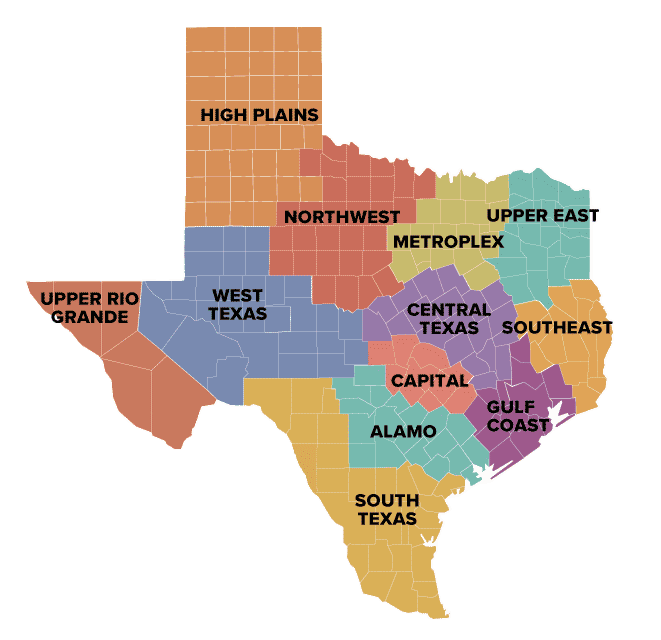
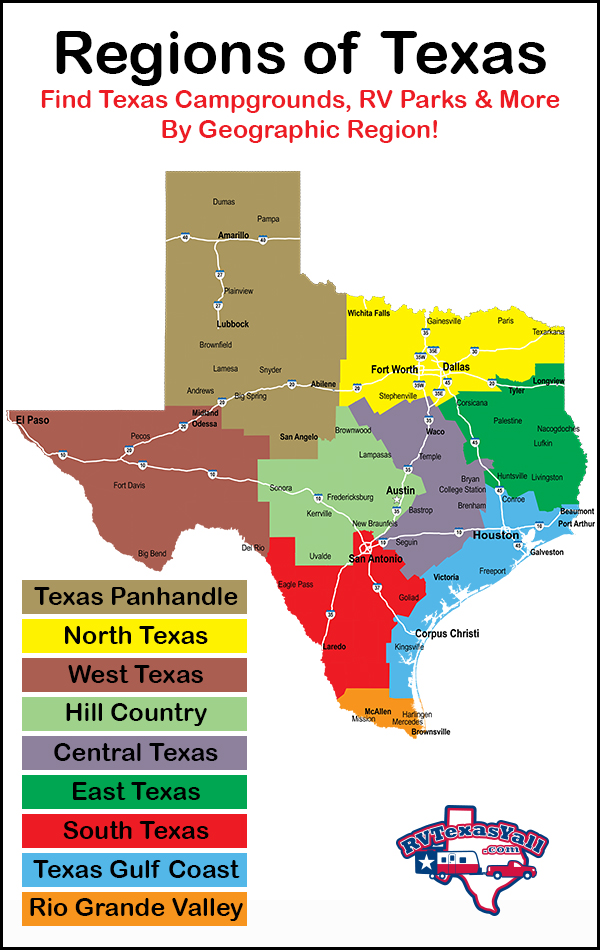
Given its expansive territory, Texas is often informally divided into several distinct sub-regions, each with its own character, attractions, and cultural nuances. These divisions are more than just geographical labels; they represent unique experiences for visitors, encompassing everything from historic sites and bustling cities to serene natural retreats.
East Texas: Piney Woods and Lakes
Characterized by its dense forests of pines and hardwoods, East Texas shares a strong cultural and ecological affinity with the Deep South. This region is a haven for nature lovers, offering abundant opportunities for fishing, boating, and hiking around vast bodies of water such as the Sam Rayburn Reservoir and the mysterious Caddo Lake, famous for its cypress trees draped in Spanish moss. Charming towns like Tyler, known as the “Rose Capital of America,” and Nacogdoches, Texas’s oldest town, offer a glimpse into the state’s historical roots and a slower, more relaxed pace of life. Accommodations here range from rustic cabins to comfortable hotels, providing a perfect base for exploring state parks and national forests.
Gulf Coast: Beaches, Bays, and Coastal Cities
The Texas Gulf Coast stretches for hundreds of miles, offering sandy beaches, vibrant port cities, and rich wetlands. This region is a paradise for birdwatchers, anglers, and beachgoers. Major cities like Houston, a global hub for energy and space exploration, provide world-class dining, museums, and attractions like the NASA Johnson Space Center. Historic Galveston Island enchants with its Victorian architecture, Pleasure Pier, and attractions such as Moody Gardens. Further south, Corpus Christi and South Padre Island are renowned for their pristine beaches, warm waters, and vibrant spring break scene. Travelers can find everything from luxury resorts to family-friendly suites and quaint beach houses.
Central Texas: Hill Country and Urban Hubs
Often considered the heart of the state, Central Texas encompasses the stunning Texas Hill Country and two of Texas’s most dynamic cities: Austin and San Antonio. The Hill Country is famous for its picturesque landscapes, dotted with vineyards, peach orchards, and charming German heritage towns like Fredericksburg and New Braunfels, where visitors can enjoy tubing on the Guadalupe River and Colorado River. Austin, the state capital, is celebrated for its live music scene, innovative cuisine, and quirky, independent spirit, with landmarks like the Capitol Building. San Antonio offers a rich blend of history and culture, centered around the iconic Alamo and the enchanting Riverwalk, alongside four other historic Spanish colonial missions (Mission Concepcion, Mission San Jose, Mission San Juan, and Mission Espada) that together form a UNESCO World Heritage Site. This region boasts a wide array of accommodation, from luxury hotels to quaint bed and breakfasts and vacation rentals.
North Texas: Metroplex and Prairies
North Texas is dominated by the sprawling urban centers of Dallas and Fort Worth, collectively known as the “Metroplex.” This region is a powerhouse of commerce, culture, and entertainment. Dallas is a modern, sophisticated city known for its impressive skyline, upscale shopping, world-class museums within the Dallas Arts District, and vibrant nightlife. Fort Worth, by contrast, embraces its Western heritage, epitomized by the Fort Worth Stockyards National Historic District, where visitors can witness cattle drives and rodeos. Beyond the cities, the region transitions into rolling prairies, offering opportunities for outdoor activities like horseback riding and visiting charming small towns. Luxury hotels, business suites, and family-friendly accommodations are abundant throughout the Metroplex.
West Texas: Deserts, Mountains, and Big Sky Country
A dramatic departure from the lushness of East Texas, West Texas is a land of vast open spaces, rugged deserts, and majestic mountain ranges. This remote and sparsely populated region offers unparalleled opportunities for outdoor adventure and stargazing under immense, dark skies. Its crowning jewels include Big Bend National Park, where the Chihuahuan Desert meets the Rio Grande, offering dramatic canyons, unique wildlife, and challenging hiking trails, and Guadalupe Mountains National Park, home to the state’s highest peaks. El Paso, a vibrant border city, offers a blend of American and Mexican cultures, while quirky art towns like Marfa attract visitors with their enigmatic Marfa lights and minimalist art installations. Accommodation options range from campgrounds and rustic lodges to comfortable hotels in the larger towns.
South Texas: Borderlands and Ranching Heritage
South Texas, extending from San Antonio down to the Rio Grande Valley and the Gulf of Mexico, is characterized by its strong Mexican cultural influences, vast ranchlands, and unique ecosystems. This region is an important migratory route for birds, making it a prime destination for birdwatchers, especially in the Lower Rio Grande Valley. Historic cities like Laredo offer a fascinating blend of cultures, while the sprawling ranchlands speak to Texas’s cowboy heritage. The more remote parts of South Texas offer authentic experiences of rural Texas life and access to lesser-known state parks like Big Bend Ranch State Park, often referred to as “the other Big Bend.” This region provides opportunities for agritourism, exploring local traditions, and enjoying the warm climate, with various hotels and unique lodging options available.
Unveiling Texas’s Rich Culture and Attractions
Beyond its geography, Texas’s regional identity is deeply intertwined with its rich culture, history, and the myriad attractions it offers. A visit to the state is a journey through a vibrant mosaic of influences, from Spanish colonial heritage to cowboy traditions and modern urban sophistication.
Iconic Landmarks and Historical Sites
Texas is replete with landmarks that tell the story of its tumultuous and fascinating past. The Alamo in San Antonio is arguably the most famous, symbolizing the spirit of Texas independence. However, the city also boasts a UNESCO World Heritage Site with its five Spanish colonial missions, including Mission Concepcion and Mission San Jose, offering deep insights into the state’s foundational history. The Texas State Capitol Building in Austin, an architectural marvel, stands as a testament to the state’s governance and pride. In Fort Worth, the Stockyards National Historic District transports visitors back to the Old West. Even beyond these prominent sites, every region of Texas offers smaller, but equally significant, historical markers and museums that collectively paint a comprehensive picture of its development.
Culinary Journeys: Taste of Texas
The diverse regions of Texas are united by a powerful and distinctive culinary identity. Tex-Mex cuisine, a flavorful fusion of Mexican and American comfort food, is a staple across the state, with regional variations ranging from the cheesy enchiladas of North Texas to the spicier, more authentic flavors found closer to the Mexican border. BBQ is practically a religion in Texas, with distinct styles like Central Texas brisket, East Texas chopped beef, and South Texas barbacoa. Fresh seafood reigns supreme along the Gulf Coast, while the Hill Country offers German-inspired dishes alongside its growing wine industry. Exploring the food scene in Texas is a journey in itself, reflective of the state’s regional influences and innovative spirit.
Festivals, Events, and Local Experiences
Texas’s calendar is packed with events and festivals that celebrate its unique heritage and artistic vitality. From the world-renowned South by Southwest (SXSW) festival in Austin, a mecca for music, film, and tech, to the vibrant Wurstfest in New Braunfels celebrating German culture, there’s always something happening. The Houston Livestock Show and Rodeo is a massive annual event celebrating cowboy culture and agricultural heritage, while the State Fair of Texas in Dallas offers classic Americana, delicious food, and thrilling rides. Beyond the big events, local communities across all regions host smaller festivals, art shows, and live music performances, providing an authentic taste of Texas hospitality and local culture.
Planning Your Texas Adventure: Accommodation and Travel Tips
Navigating the vastness of Texas requires thoughtful planning, especially when it comes to accommodation and transportation. The state’s diverse regions offer an equally varied range of lodging options, catering to every budget and travel style.
From Luxury Resorts to Boutique Hotels
Whether you’re planning a luxurious escape, a family-friendly vacation, or a budget-conscious trip, Texas has an accommodation option for you. Major cities like Dallas, Houston, Austin, and San Antonio boast an impressive selection of high-end hotels and resorts, such as the Hyatt Regency Dallas, the Omni Hotel Austin, The Post Oak Hotel at Uptown Houston, or Hotel Contessa on the San Antonio Riverwalk. For those seeking an indulgent retreat, the Texas Hill Country offers magnificent resorts like La Cantera Resort & Spa or the JW Marriott San Antonio Hill Country Resort & Spa, complete with golf courses and spas. Dallas also features ultra-luxury options like The Ritz-Carlton, Dallas.
Beyond the major urban centers, boutique hotels, charming bed and breakfasts, and unique vacation rentals can be found in smaller towns and scenic areas like Fredericksburg, Marfa, or along the Gulf Coast. For outdoor enthusiasts, numerous state parks and national parks provide camping facilities, from primitive sites to cabins. Whether you prefer a plush suite with all amenities, a rustic villa experience, or a family-friendly apartment, Texas offers choices that enhance any travel itinerary. Booking in advance, especially during peak seasons or major events, is always recommended to secure the best rates and locations.
Navigating the Lone Star State
Exploring Texas’s expansive regions typically requires a car, as public transportation between cities and across rural areas is limited. The state is well-served by major highways, making road trips a popular and rewarding way to experience its diverse landscapes. Several international airports, including Dallas/Fort Worth International Airport (DFW), George Bush Intercontinental Airport (IAH) in Houston, and Austin-Bergstrom International Airport (AUS), serve as excellent entry points for travelers.
When planning your itinerary, consider grouping activities by region to minimize travel time. For instance, combine a trip to San Antonio with an exploration of the nearby Hill Country wineries, or pair a Houston city break with a visit to the Galveston Gulf Coast. Remember that distances in Texas can be vast, so factor in ample driving time between destinations. With its boundless beauty, rich history, and warm hospitality, Texas stands ready to offer an unforgettable adventure, firmly rooted in its identity as the dynamic heart of the South Central United States.
LifeOutOfTheBox is a participant in the Amazon Services LLC Associates Program, an affiliate advertising program designed to provide a means for sites to earn advertising fees by advertising and linking to Amazon.com. Amazon, the Amazon logo, AmazonSupply, and the AmazonSupply logo are trademarks of Amazon.com, Inc. or its affiliates. As an Amazon Associate we earn affiliate commissions from qualifying purchases.